Ville · China
Hong Kong
Hong Kong's tailors are famous for making suits fast, but quality ranges from genuinely fine custom work to 24-hour suits made elsewhere, all called bespoke.
Hong Kong's tailoring trade was built by Shanghainese tailors who arrived after 1949, and became internationally famous for speed. The quality range is enormous, from genuine bespoke of a high standard to 24-hour suits made offshore, and the word bespoke is applied to all of it.
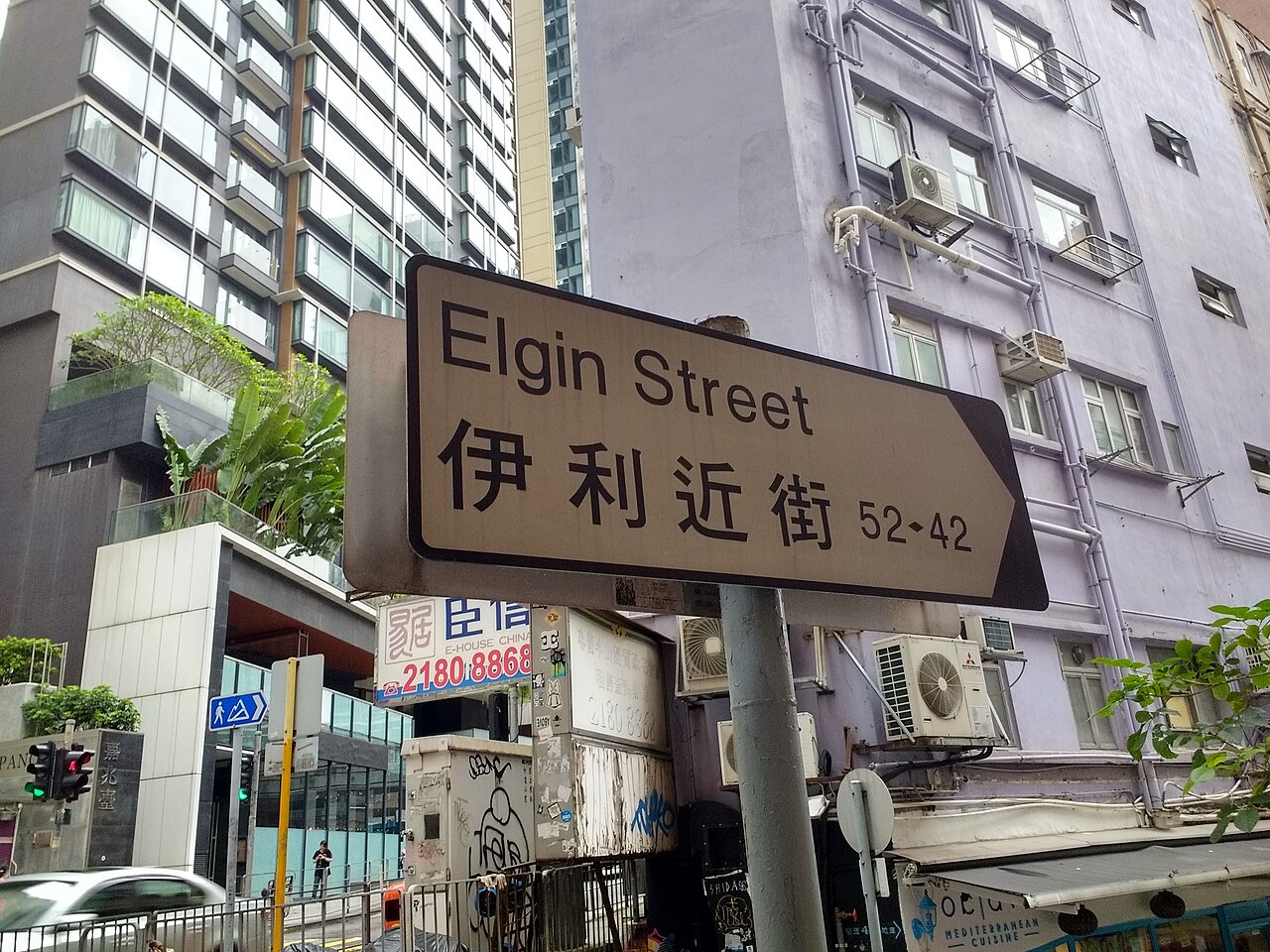
The Shanghainese lineage
Shanghai had a large and skilled Western tailoring trade in the first half of the twentieth century. After 1949 much of it relocated to Hong Kong, and the best of the city's tailoring descends directly from those workshops: a structured, English-influenced coat, made by hand, by makers trained in an unbroken line.
That is not what most visitors encounter. The trade that grew around tourism operates differently: measurements taken in a shop, the garment made in a workshop over the border or elsewhere, delivered in days. It is made-to-measure at best, and the sub-24-hour end of it is fused, machine-made and constructed to a price.
Telling the tiers apart
- Ask where the garment is made, and by whom. A genuine bespoke house will name its workshop.
- Ask how many fittings and over what period. One fitting in 24 hours is not bespoke by any definition used in Europe.
- Ask whether a paper pattern is cut for you and kept. That is the operative test.
- Look at what the shop makes for its local customers, not what it shows tourists.
Images
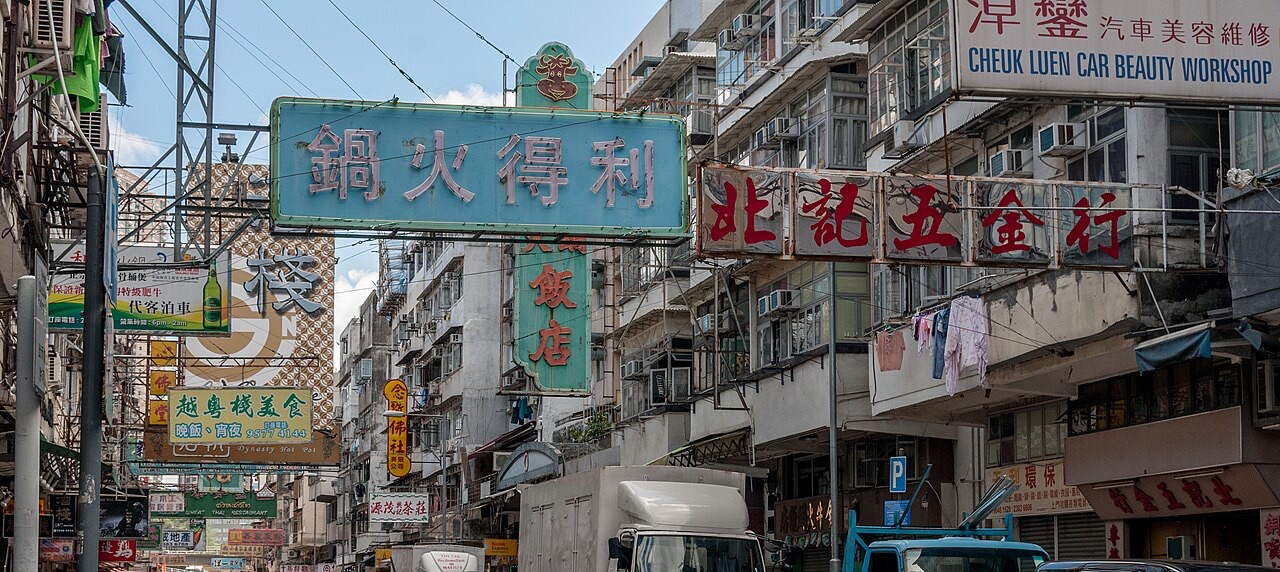
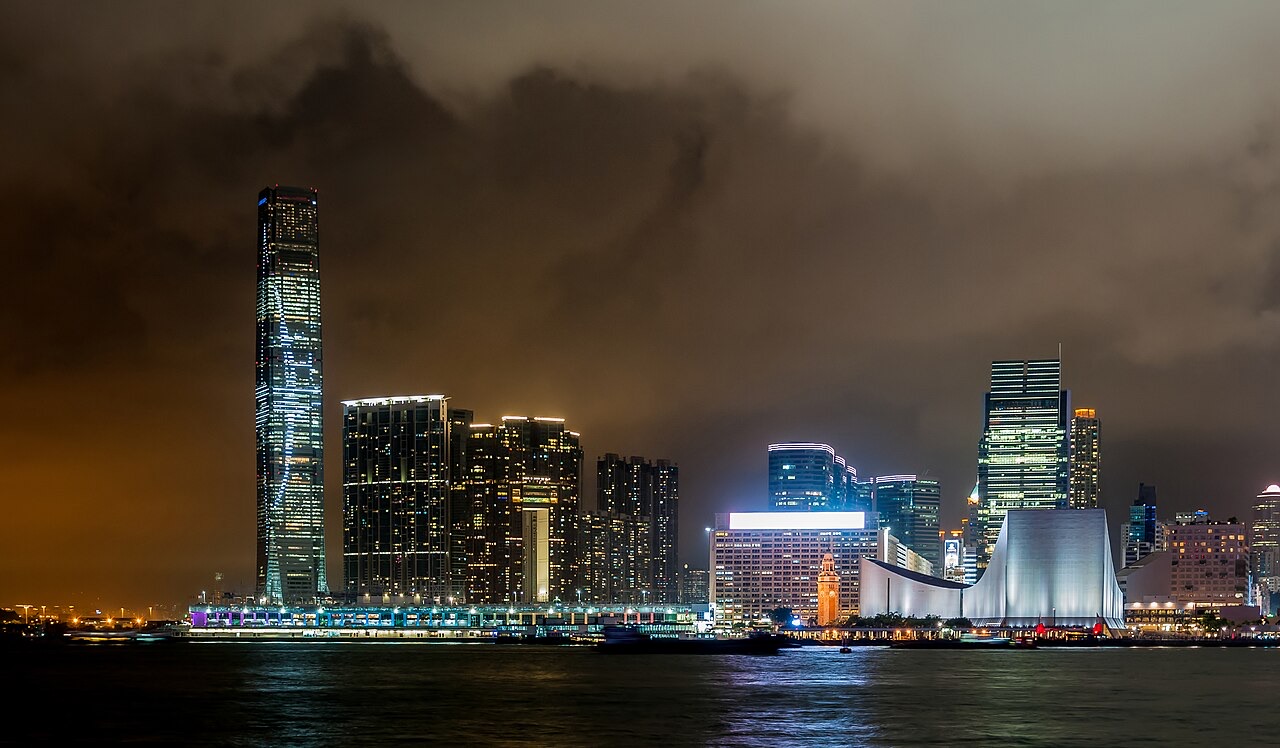
Chemisiers dans Hong Kong
Tout chemisiers →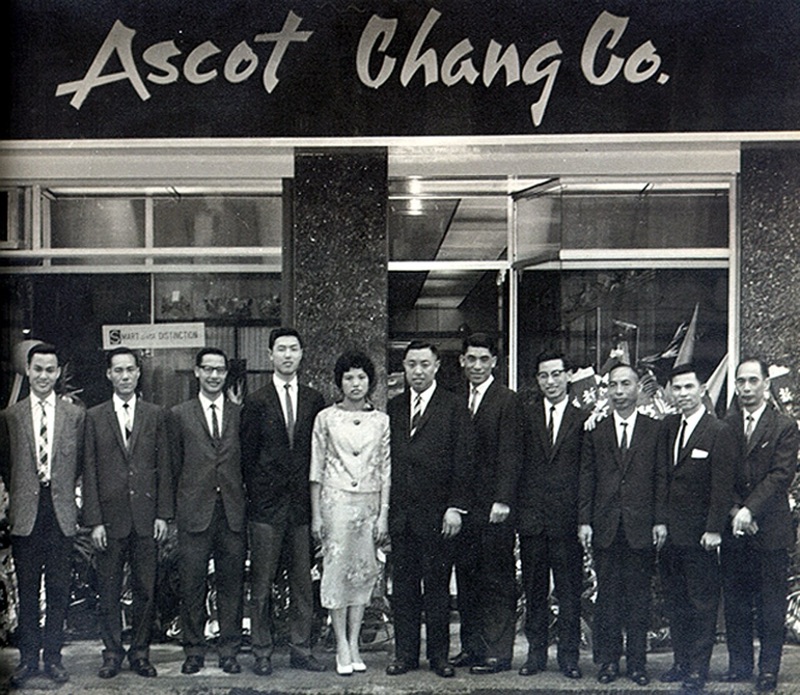
Notes pratiques
Crédits photographiques 4
- Elgin Street, Hong Kong 3: Photograph · Mx. Granger · Wikimedia Commons · CC0
- Street in Hong Kong: Photograph · Wilfredor · Wikimedia Commons · CC0
- International Commerce Centre on Victoria Harbour: Photograph · Wilfredor · Wikimedia Commons · CC0
- KIMBERLY RD STORE EXPANSION 1961: Photograph · Shortmiracle · Wikimedia Commons · CC BY-SA 4.0