Vai al contenuto
Il Sartoriale Il mondo della moda maschile di qualità
★
Il Sartoriale
Da qui si comincia Sarti bespoke Calzolai Camiciai Produttori e commercianti di tessuti Tessuti e materiali
Mestiere Come si fanno i capi Stili sartoriali Artigiani Storia
Abbigliamento CapiAccessori MarchiPersone
Luoghi CittàPaesi Mappa del mondo
Strumenti Trova un sarto o un calzolaioConfronti PrezziGlossario ScopriNotizie Chiedi all'archivioAgenti AI ★ SalvatoAPI libera
Informazioni Chi siamoMetodologia Politica editoriale Fonti Licenze delle immagini Come valutiamo CorrezioniContatti
Impostazioni
Modalità scura
Lingua dell'interfaccia

Vista guidata
Prima volta qui? Ogni pagina si apre con una spiegazione in lingua corrente prima che inizino i dettagli, e i termini tecnici sono chiariti dove compaiono.

Parere dell'esperto
Chi conosce già il vocabolario. Direttamente alla sostanza, con le spiegazioni introduttive nascoste. Questa è l'impostazione predefinita.

★ Le tue pagine salvate
470 voci relative a sartoria, calzoleria, tessuti e mestiere Pubblicazione di riferimento: non vendiamo nulla e non classifichiamo nessuno a pagamento Ogni cifra riporta la propria fonte e la data in cui è stata verificata

Città · China

Hong Kong

Hong Kong's tailors are famous for making suits fast, but quality ranges from genuinely fine custom work to 24-hour suits made elsewhere, all called bespoke.

Hong Kong's tailoring trade was built by Shanghainese tailors who arrived after 1949, and became internationally famous for speed. The quality range is enormous, from genuine bespoke of a high standard to 24-hour suits made offshore, and the word bespoke is applied to all of it.
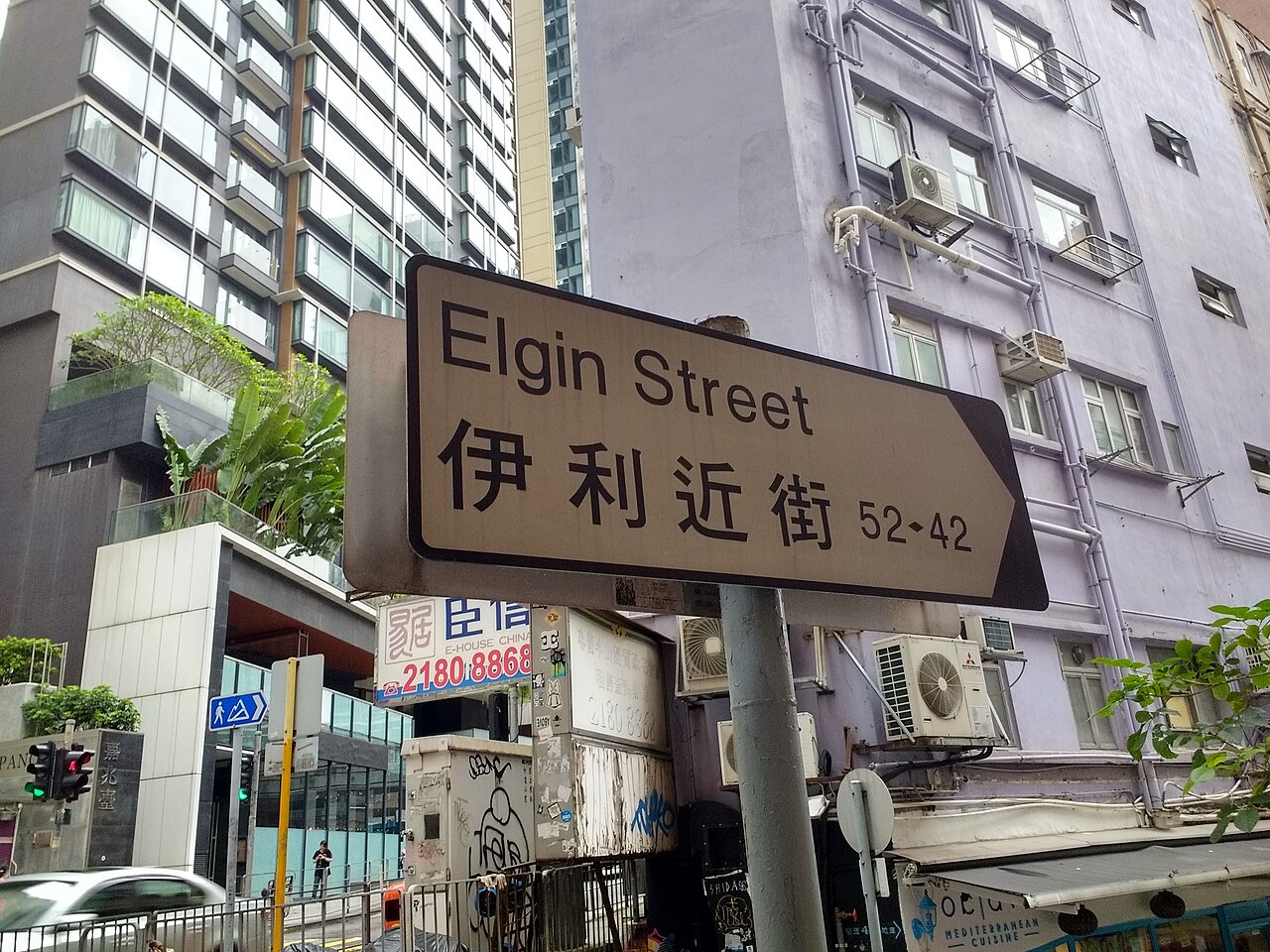
Hong Kong, where the Shanghainese tailoring lineage settled after 1949
Street sign for Elgin Street in Central, Hong Kong
Sarti bespoke0
Calzolai0
Camiciai1
Visiting houses0 si sposta qui per le prove

The Shanghainese lineage

Shanghai had a large and skilled Western tailoring trade in the first half of the twentieth century. After 1949 much of it relocated to Hong Kong, and the best of the city's tailoring descends directly from those workshops: a structured, English-influenced coat, made by hand, by makers trained in an unbroken line.

That is not what most visitors encounter. The trade that grew around tourism operates differently: measurements taken in a shop, the garment made in a workshop over the border or elsewhere, delivered in days. It is made-to-measure at best, and the sub-24-hour end of it is fused, machine-made and constructed to a price.

Telling the tiers apart

  • Ask where the garment is made, and by whom. A genuine bespoke house will name its workshop.
  • Ask how many fittings and over what period. One fitting in 24 hours is not bespoke by any definition used in Europe.
  • Ask whether a paper pattern is cut for you and kept. That is the operative test.
  • Look at what the shop makes for its local customers, not what it shows tourists.

Immagini
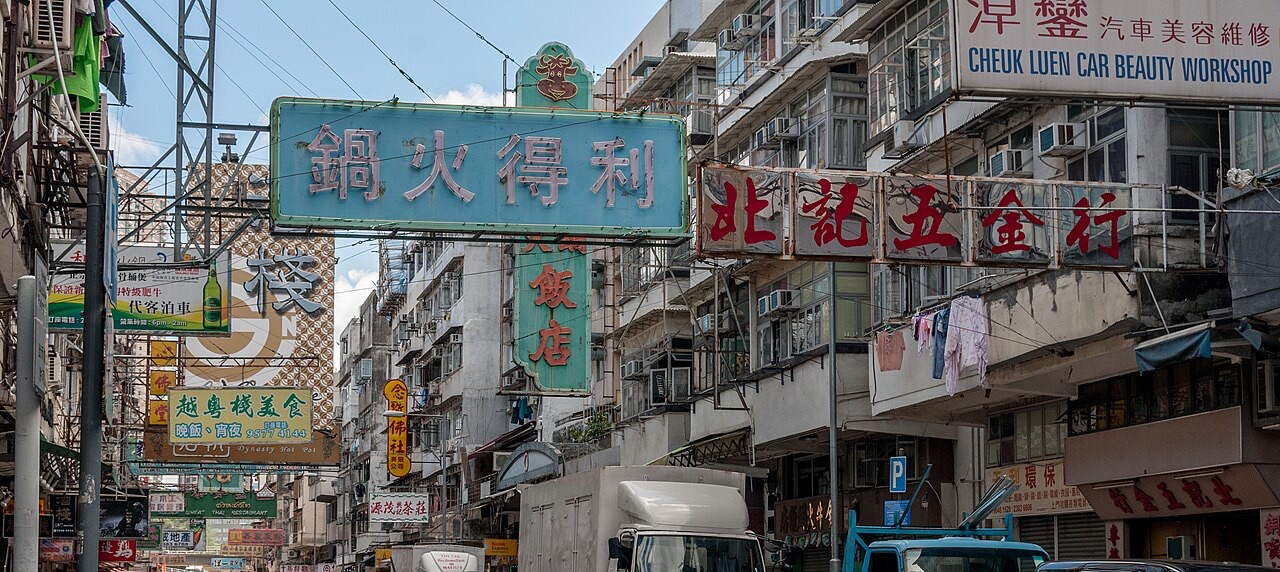
Camiciai in Hong Kong

Tutti camiciai →
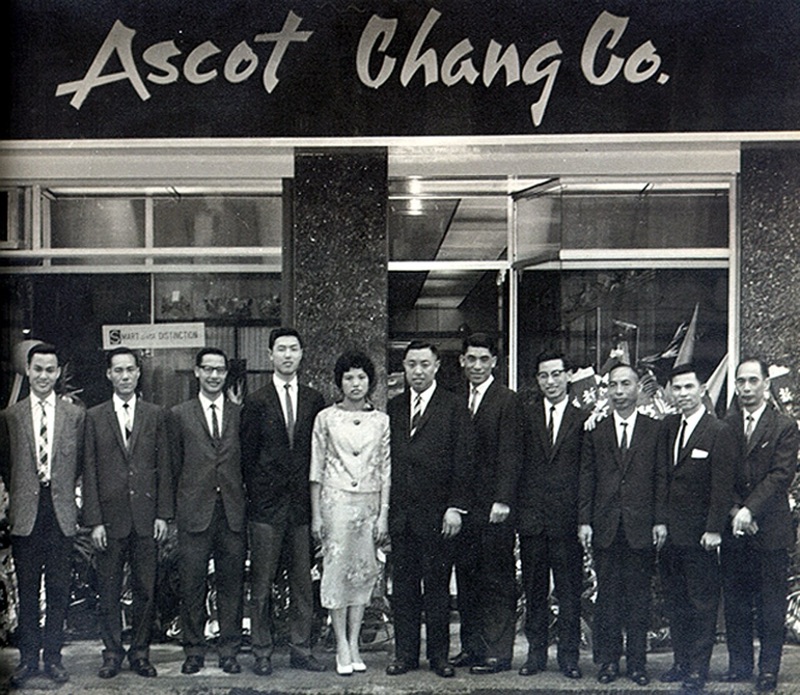
  1. Ascot Chang's Kimberley Road shop, Hong Kong, in 1961 Ascot Chang Hong Kong · 1953

    Ascot Chang is a Hong Kong shirtmaker founded in 1953, with shops there and in New York, that cuts each customer their own pattern.

Note pratiche

Tradition
Shanghainese-descended, English-influenced structure
Caution
The word bespoke is used across the whole quality range hereAsk about pattern, fittings and where the garment is made.
Lineage
Shanghainese, arriving after 1949
Quality range
Very wide: genuine bespoke to 24-hour fused suits
The test to apply
Is a paper pattern cut for me, and how many fittings?
Ultima revisione: September 2026 Segnala un errore in questa pagina
Crediti fotografici 4
  1. Elgin Street, Hong Kong 3: Photograph · Mx. Granger · Wikimedia Commons · CC0
  2. Street in Hong Kong: Photograph · Wilfredor · Wikimedia Commons · CC0
  3. International Commerce Centre on Victoria Harbour: Photograph · Wilfredor · Wikimedia Commons · CC0
  4. KIMBERLY RD STORE EXPANSION 1961: Photograph · Shortmiracle · Wikimedia Commons · CC BY-SA 4.0

Politica delle immagini