Naar de inhoud
Il Sartoriale The World of Fine Menswear
★
Il Sartoriale
Begin hier Kleermakers op maat Schoenmakers Hemdmakers Stoffenmakers & handelaren Stoffen & materialen
Vakmanschap Hoe kleding wordt gemaakt Kleedstijlen Vakmannen Geschiedenis
Kleding KledingstukkenAccessoires MerkenPersonen
Plaatsen StedenLanden Wereldkaart
Tools Zoek een kleermaker of schoenmakerVergelijkingen PrijzenVerklarende woordenlijst LerenNieuws Het archief raadplegenAI-agenten ★ OpgeslagenGratis API
Over Over onsMethodologie Redactioneel beleid Bronnen Licenties voor beeldmateriaal Hoe wij beoordelen CorrectiesContact
Instellingen
Donkere modus
Interfacetaal

Begeleide weergave
Nieuw hier? Elke pagina opent met een begrijpelijke toelichting voordat de details beginnen, en vakterm­en worden uitgelegd waar zij verschijnen.

Deskundige visie
U kent het vakjargon al. Rechtstreeks naar de kern, met de inleidende toelichtingen verborgen. Dit is de standaardinstelling.

★ Uw opgeslagen pagina's
470 lemma's over kleermakerij, schoenmakerij, laken en ambacht Naslagpublicatie: wij verkopen niets en rangschikken niemand tegen betaling Elk cijfer draagt zijn bron en de datum waarop het is gecontroleerd

Stad · China

Hong Kong

Hong Kong's tailors are famous for making suits fast, but quality ranges from genuinely fine custom work to 24-hour suits made elsewhere, all called bespoke.

Hong Kong's tailoring trade was built by Shanghainese tailors who arrived after 1949, and became internationally famous for speed. The quality range is enormous, from genuine bespoke of a high standard to 24-hour suits made offshore, and the word bespoke is applied to all of it.
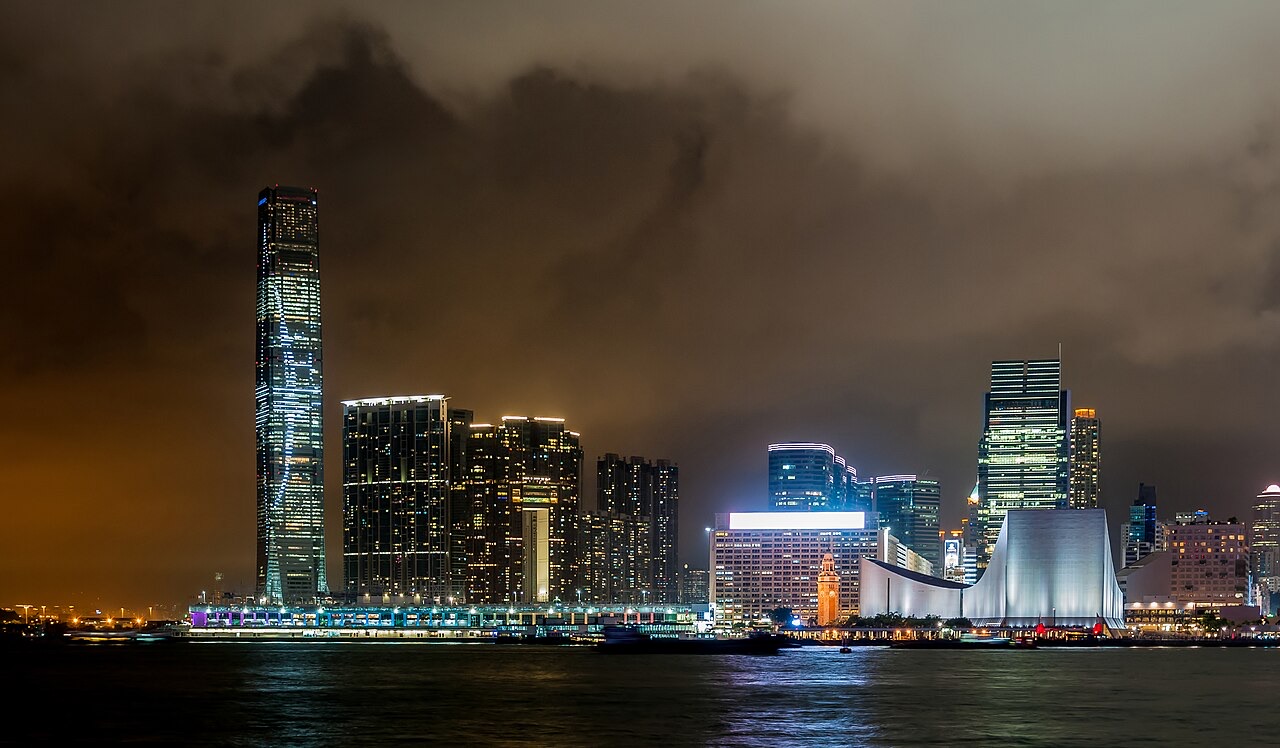
Hong Kong, where the Shanghainese tailoring lineage settled after 1949
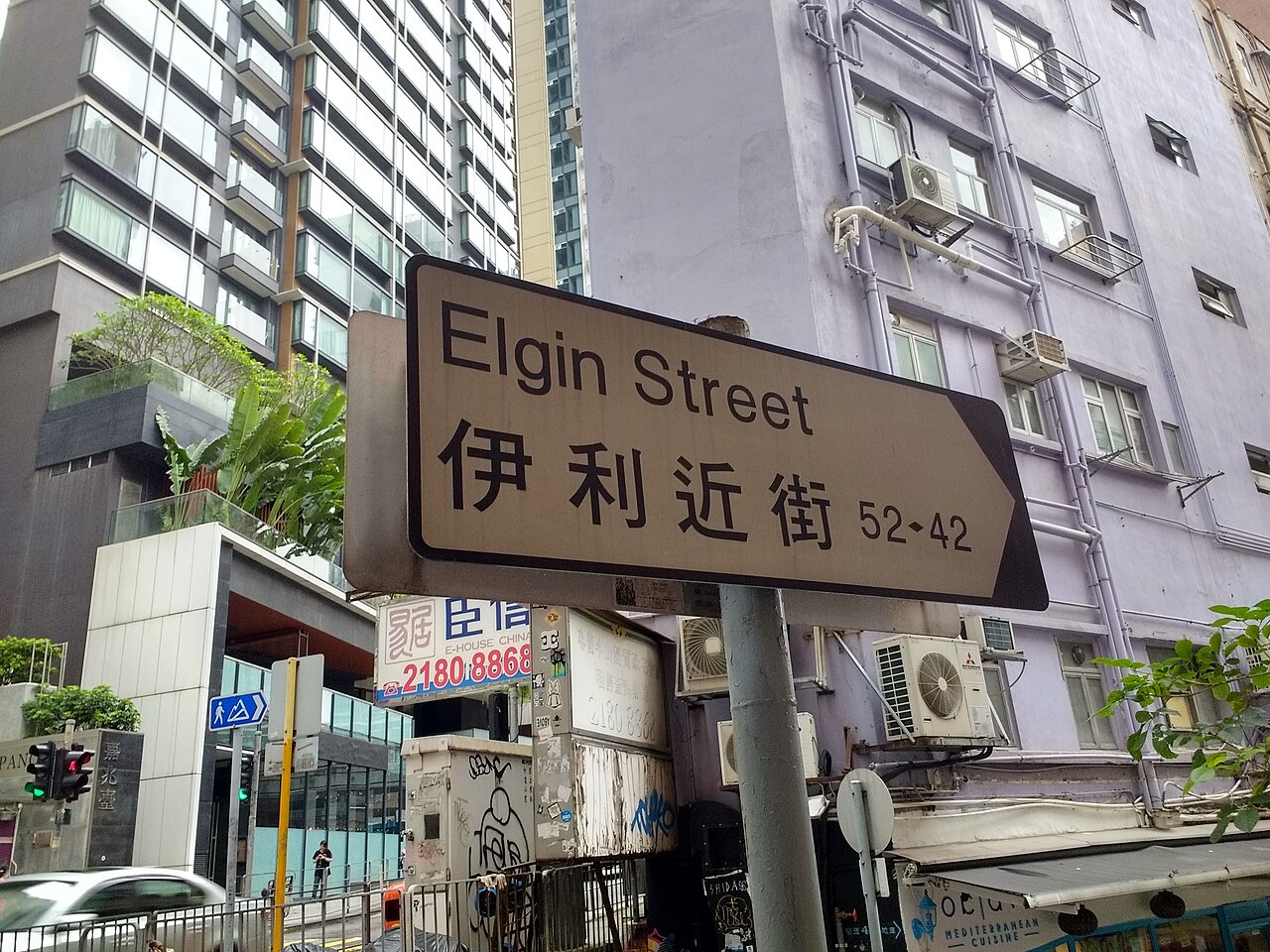
Street sign for Elgin Street in Central, Hong Kong
Kleermakers op maat0
Schoenmakers0
Hemdmakers1
Huizen bezoeken0 reist hierheen voor pasbeurten

The Shanghainese lineage

Shanghai had a large and skilled Western tailoring trade in the first half of the twentieth century. After 1949 much of it relocated to Hong Kong, and the best of the city's tailoring descends directly from those workshops: a structured, English-influenced coat, made by hand, by makers trained in an unbroken line.

That is not what most visitors encounter. The trade that grew around tourism operates differently: measurements taken in a shop, the garment made in a workshop over the border or elsewhere, delivered in days. It is made-to-measure at best, and the sub-24-hour end of it is fused, machine-made and constructed to a price.

Telling the tiers apart

  • Ask where the garment is made, and by whom. A genuine bespoke house will name its workshop.
  • Ask how many fittings and over what period. One fitting in 24 hours is not bespoke by any definition used in Europe.
  • Ask whether a paper pattern is cut for you and kept. That is the operative test.
  • Look at what the shop makes for its local customers, not what it shows tourists.

Afbeeldingen
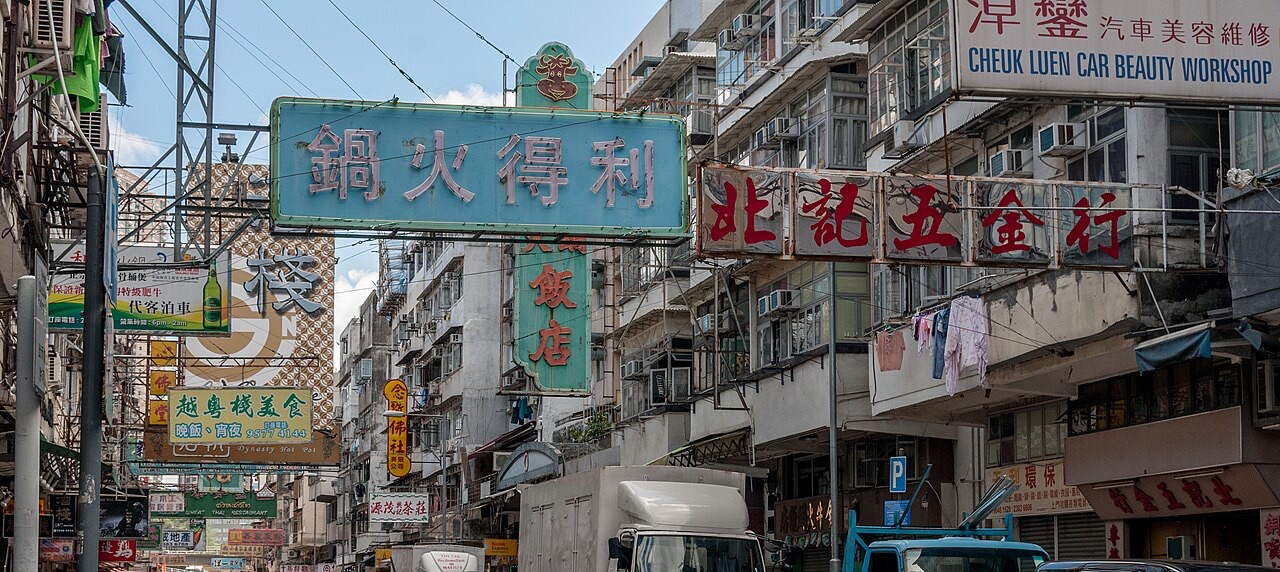
Hemdmakers in Hong Kong

Alle hemdmakers →
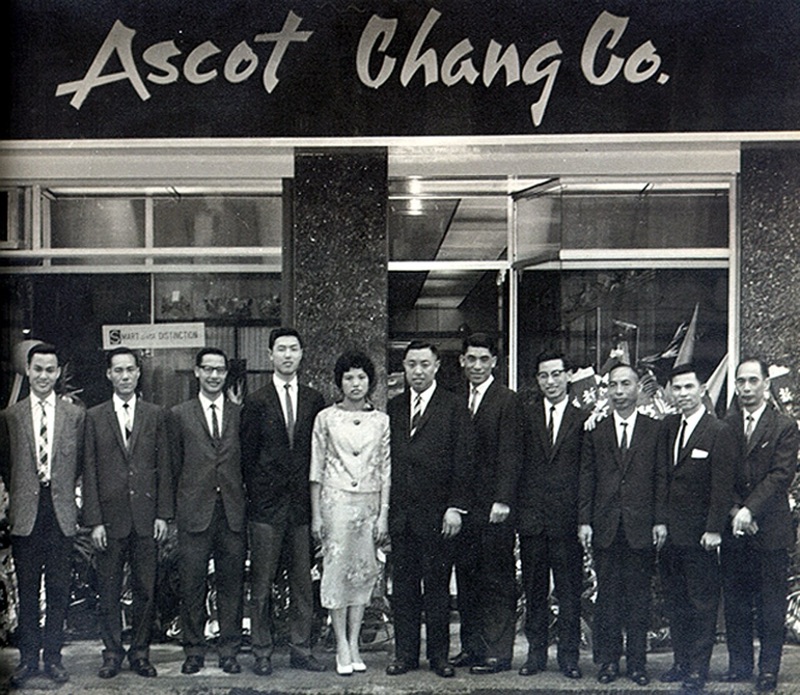
  1. Ascot Chang's Kimberley Road shop, Hong Kong, in 1961 Ascot Chang Hong Kong · 1953

    Ascot Chang is a Hong Kong shirtmaker founded in 1953, with shops there and in New York, that cuts each customer their own pattern.

Praktische opmerkingen

Tradition
Shanghainese-descended, English-influenced structure
Caution
The word bespoke is used across the whole quality range hereAsk about pattern, fittings and where the garment is made.
Lineage
Shanghainese, arriving after 1949
Quality range
Very wide: genuine bespoke to 24-hour fused suits
The test to apply
Is a paper pattern cut for me, and how many fittings?
Laatst beoordeeld: September 2026 Meld een fout op deze pagina
Fotorechten 4
  1. Elgin Street, Hong Kong 3: Photograph · Mx. Granger · Wikimedia Commons · CC0
  2. Street in Hong Kong: Photograph · Wilfredor · Wikimedia Commons · CC0
  3. International Commerce Centre on Victoria Harbour: Photograph · Wilfredor · Wikimedia Commons · CC0
  4. KIMBERLY RD STORE EXPANSION 1961: Photograph · Shortmiracle · Wikimedia Commons · CC BY-SA 4.0

Beeldbeleid