Saltar para o conteúdo
Il Sartoriale O Mundo da Alta Moda Masculina
★
Il Sartoriale
Começar aqui Alfaiates bespoke Sapateiros Camiseiros Fabricantes e comerciantes de tecidos Tecidos e materiais
Ofício Como se fazem as roupas Estilos de alfaiataria Artesãos História
Vestuário PeçasAcessórios MarcasPessoas
Lugares CidadesPaíses Mapa-múndi
Ferramentas Encontrar um alfaiate ou sapateiroComparações PreçosGlossário AprenderNotícias Consultar o arquivoAgentes de IA ★ GuardadoAPI gratuita
Sobre Sobre nósMetodologia Política editorial Fontes Licenciamento de imagens Como avaliamos CorrecçõesContacto
Definições
Modo escuro
Língua da interface

Vista guiada
É novo aqui? Cada página abre com uma explicação em linguagem corrente antes de entrar em detalhe, e os termos técnicos são desenvolvidos onde surgem.

Opinião especializada
Já conhece o vocabulário. Directamente à substância, com as explicações introdutórias ocultadas. Esta é a predefinição.

★ As suas páginas guardadas
470 entradas sobre alfaiataria, sapataria, tecidos e ofício Publicação de referência: não vendemos nada nem classificamos ninguém mediante pagamento Cada cifra indica a sua fonte e a data em que foi verificada

Cidade · China

Hong Kong

Hong Kong's tailors are famous for making suits fast, but quality ranges from genuinely fine custom work to 24-hour suits made elsewhere, all called bespoke.

Hong Kong's tailoring trade was built by Shanghainese tailors who arrived after 1949, and became internationally famous for speed. The quality range is enormous, from genuine bespoke of a high standard to 24-hour suits made offshore, and the word bespoke is applied to all of it.
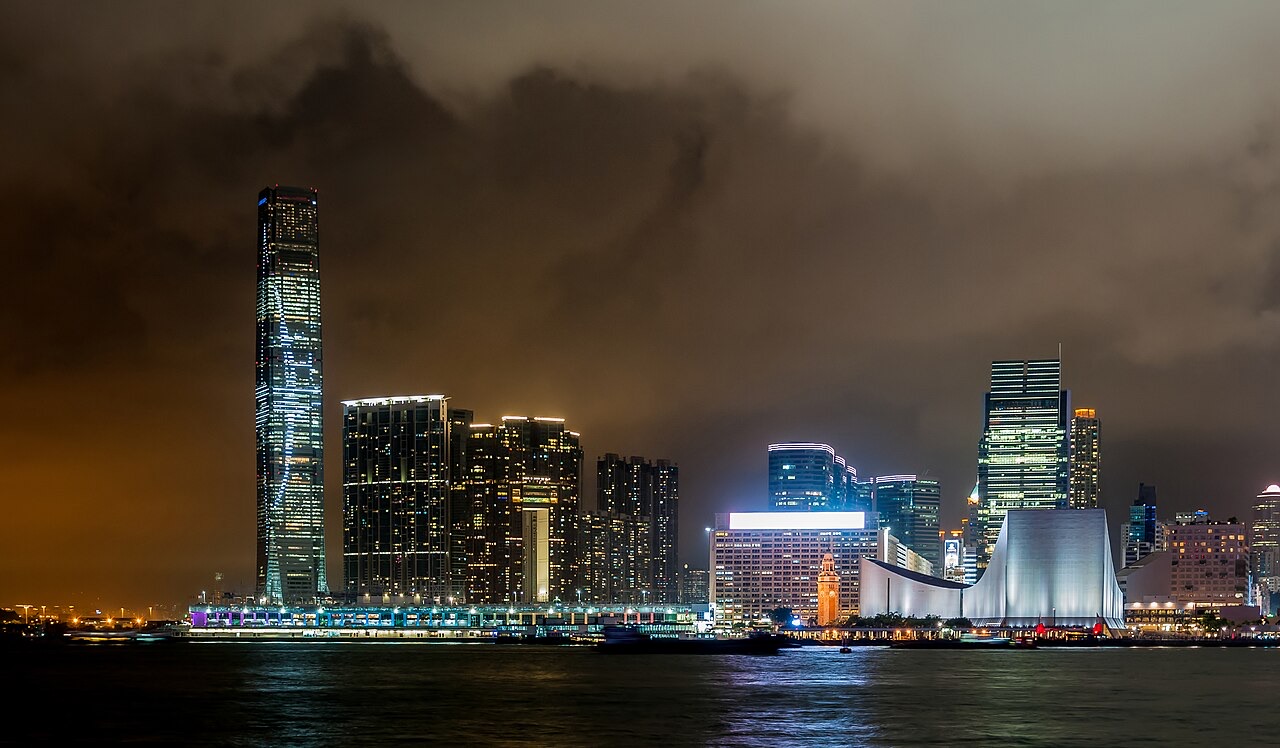
Hong Kong, where the Shanghainese tailoring lineage settled after 1949
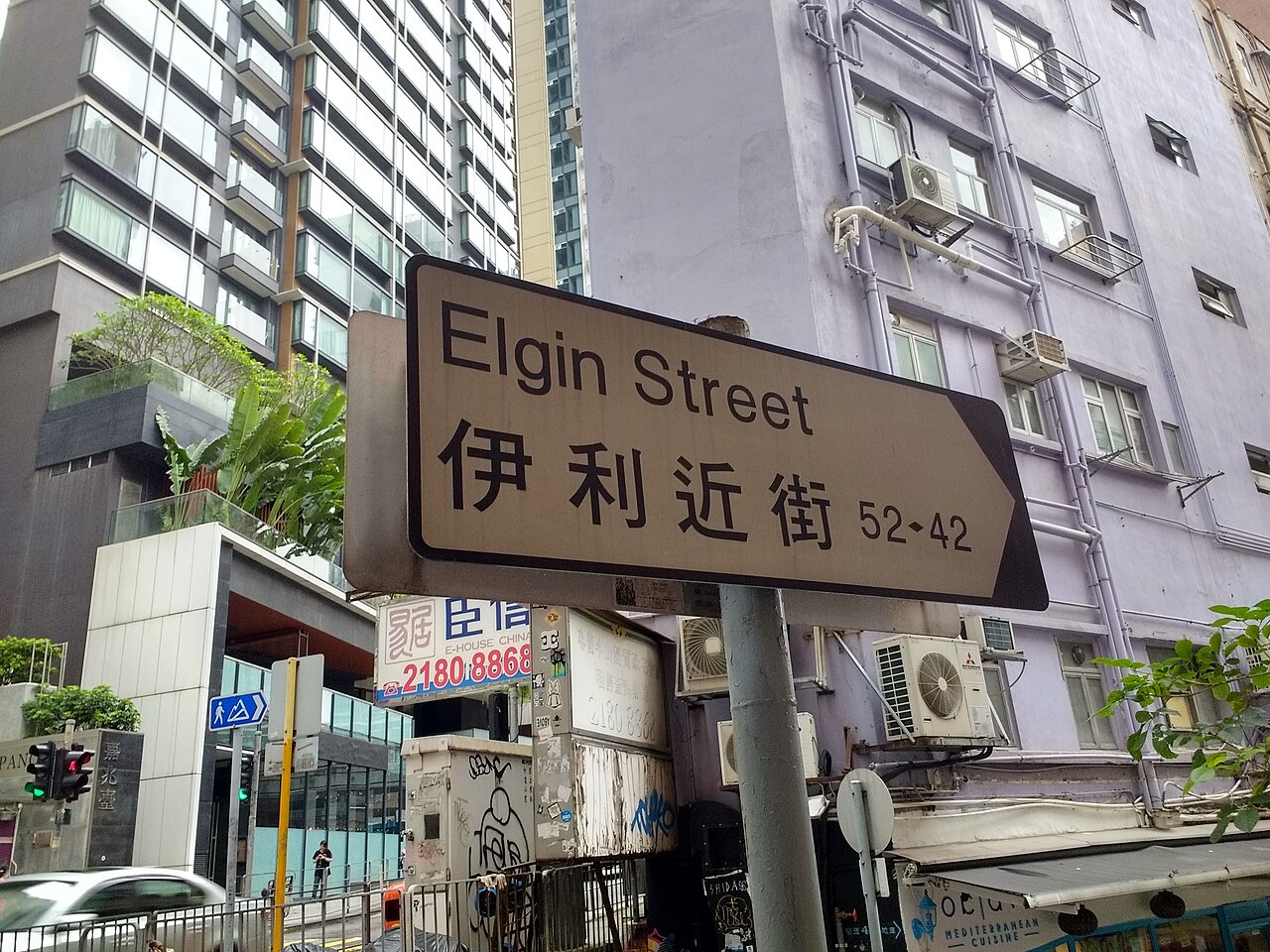
Street sign for Elgin Street in Central, Hong Kong
Alfaiates bespoke0
Sapateiros0
Camiseiros1
Visitar as casas0 viaja aqui para provas

The Shanghainese lineage

Shanghai had a large and skilled Western tailoring trade in the first half of the twentieth century. After 1949 much of it relocated to Hong Kong, and the best of the city's tailoring descends directly from those workshops: a structured, English-influenced coat, made by hand, by makers trained in an unbroken line.

That is not what most visitors encounter. The trade that grew around tourism operates differently: measurements taken in a shop, the garment made in a workshop over the border or elsewhere, delivered in days. It is made-to-measure at best, and the sub-24-hour end of it is fused, machine-made and constructed to a price.

Telling the tiers apart

  • Ask where the garment is made, and by whom. A genuine bespoke house will name its workshop.
  • Ask how many fittings and over what period. One fitting in 24 hours is not bespoke by any definition used in Europe.
  • Ask whether a paper pattern is cut for you and kept. That is the operative test.
  • Look at what the shop makes for its local customers, not what it shows tourists.

Imagens
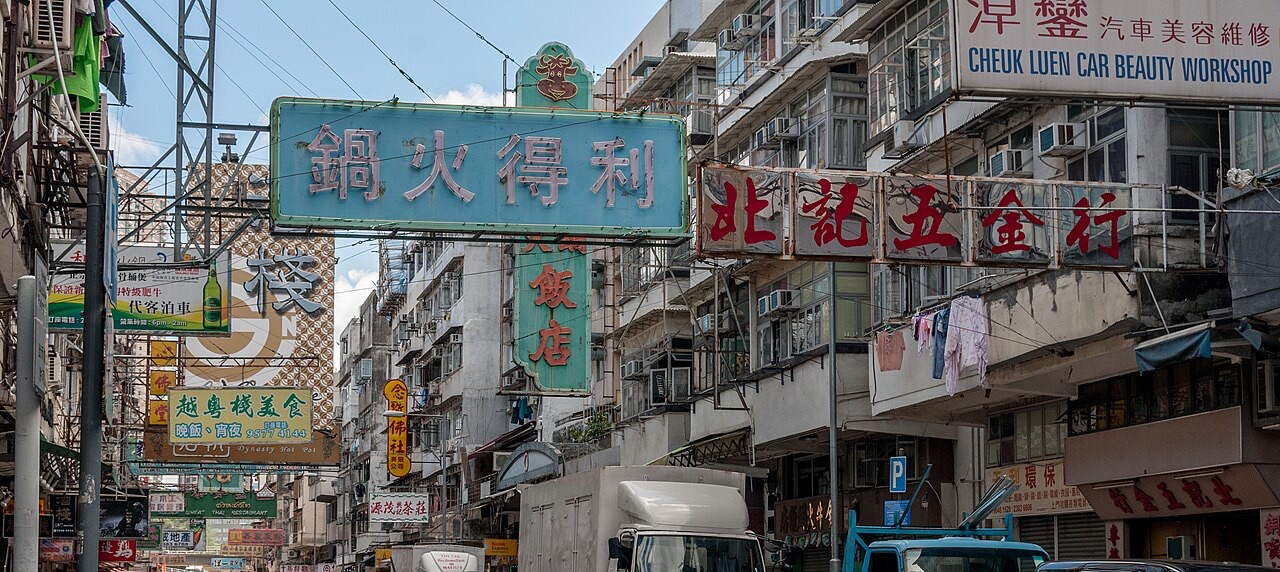
Camiseiros em Hong Kong

Todos camiseiros →
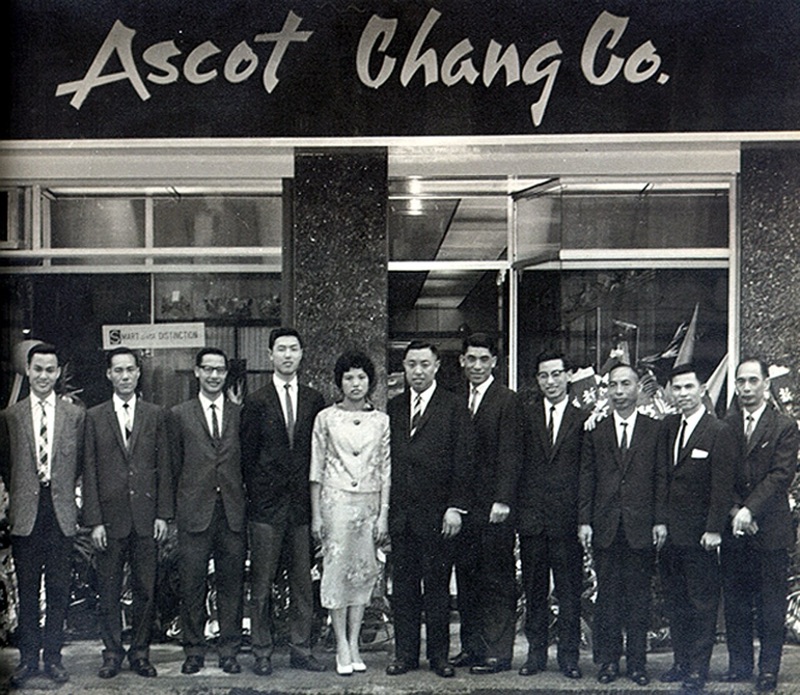
  1. Ascot Chang's Kimberley Road shop, Hong Kong, in 1961 Ascot Chang Hong Kong · 1953

    Ascot Chang is a Hong Kong shirtmaker founded in 1953, with shops there and in New York, that cuts each customer their own pattern.

Notas práticas

Tradition
Shanghainese-descended, English-influenced structure
Caution
The word bespoke is used across the whole quality range hereAsk about pattern, fittings and where the garment is made.
Lineage
Shanghainese, arriving after 1949
Quality range
Very wide: genuine bespoke to 24-hour fused suits
The test to apply
Is a paper pattern cut for me, and how many fittings?
Última revisão: September 2026 Comunicar um erro nesta página
Créditos fotográficos 4
  1. Elgin Street, Hong Kong 3: Photograph · Mx. Granger · Wikimedia Commons · CC0
  2. Street in Hong Kong: Photograph · Wilfredor · Wikimedia Commons · CC0
  3. International Commerce Centre on Victoria Harbour: Photograph · Wilfredor · Wikimedia Commons · CC0
  4. KIMBERLY RD STORE EXPANSION 1961: Photograph · Shortmiracle · Wikimedia Commons · CC BY-SA 4.0

Política de imagens