Перейти к содержимому
Il Sartoriale Мир высокой мужской моды
★
Il Sartoriale
С чего начать Портные, работающие на заказ Сапожники Сорочечники Производители и торговцы тканями Ткани и материалы
Ремесло Как шьют одежду Стили пошива Мастера История
Одежда ИзделияАксессуары БрендыПерсоны
Места ГородаСтраны Карта мира
Инструменты Найти портного или сапожникаСравнения ЦеныГлоссарий УзнатьНовости Спросить архивИИ-агенты ★ СохраненоБесплатный API
О проекте О насМетодология Редакционная политика Источники Лицензирование изображений Как мы оцениваем ИсправленияКонтакт
Настройки
Тёмная тема
Язык интерфейса

Режим с подсказками
Впервые здесь? Каждая страница открывается доступным объяснением, прежде чем начинается детальное изложение, а технические термины расшифровываются по ходу текста.

Мнение эксперта
Словарь вам известен. Сразу к существу дела, с убранными вводными пояснениями. Это режим по умолчанию.

★ Сохранённые страницы
470 статей по пошиву на заказ, производству обуви, тканям и ремёслам Справочное издание: мы ничего не продаём и не ранжируем никого за вознаграждение Каждая цифра сопровождается источником и датой проверки

Город · China

Hong Kong

Hong Kong's tailors are famous for making suits fast, but quality ranges from genuinely fine custom work to 24-hour suits made elsewhere, all called bespoke.

Hong Kong's tailoring trade was built by Shanghainese tailors who arrived after 1949, and became internationally famous for speed. The quality range is enormous, from genuine bespoke of a high standard to 24-hour suits made offshore, and the word bespoke is applied to all of it.
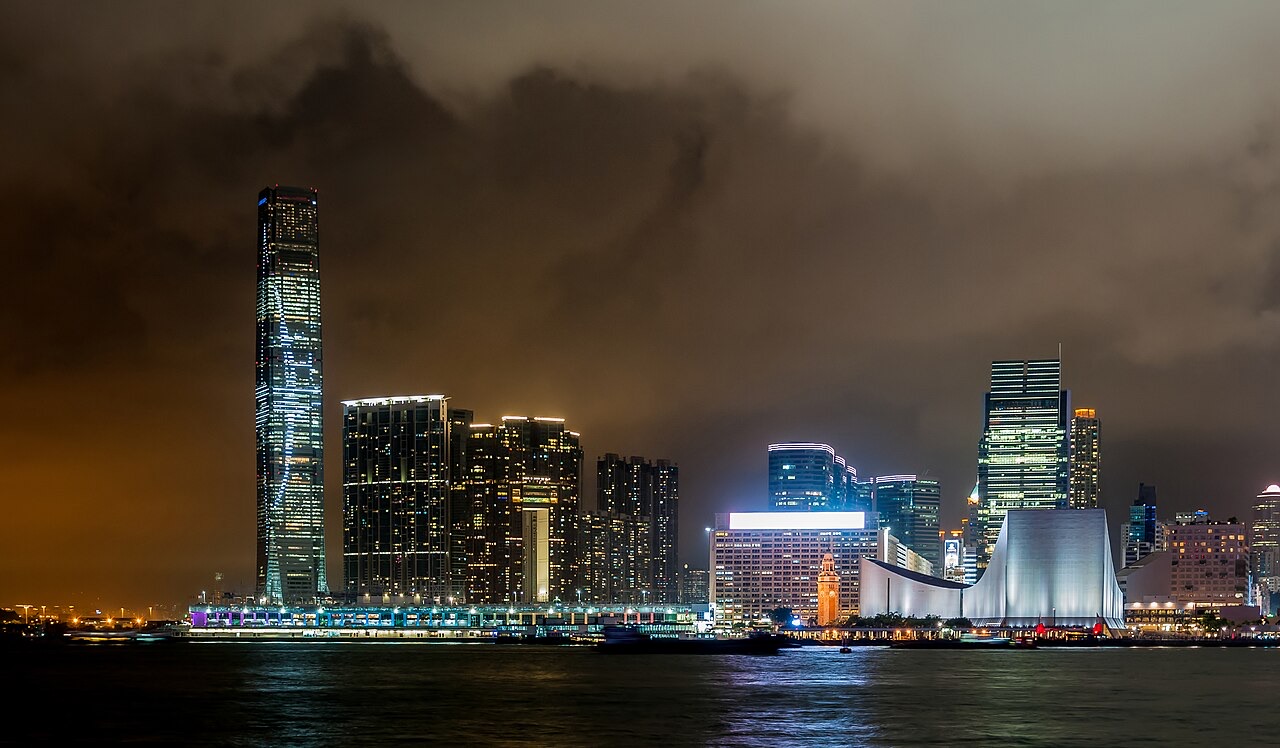
Hong Kong, where the Shanghainese tailoring lineage settled after 1949
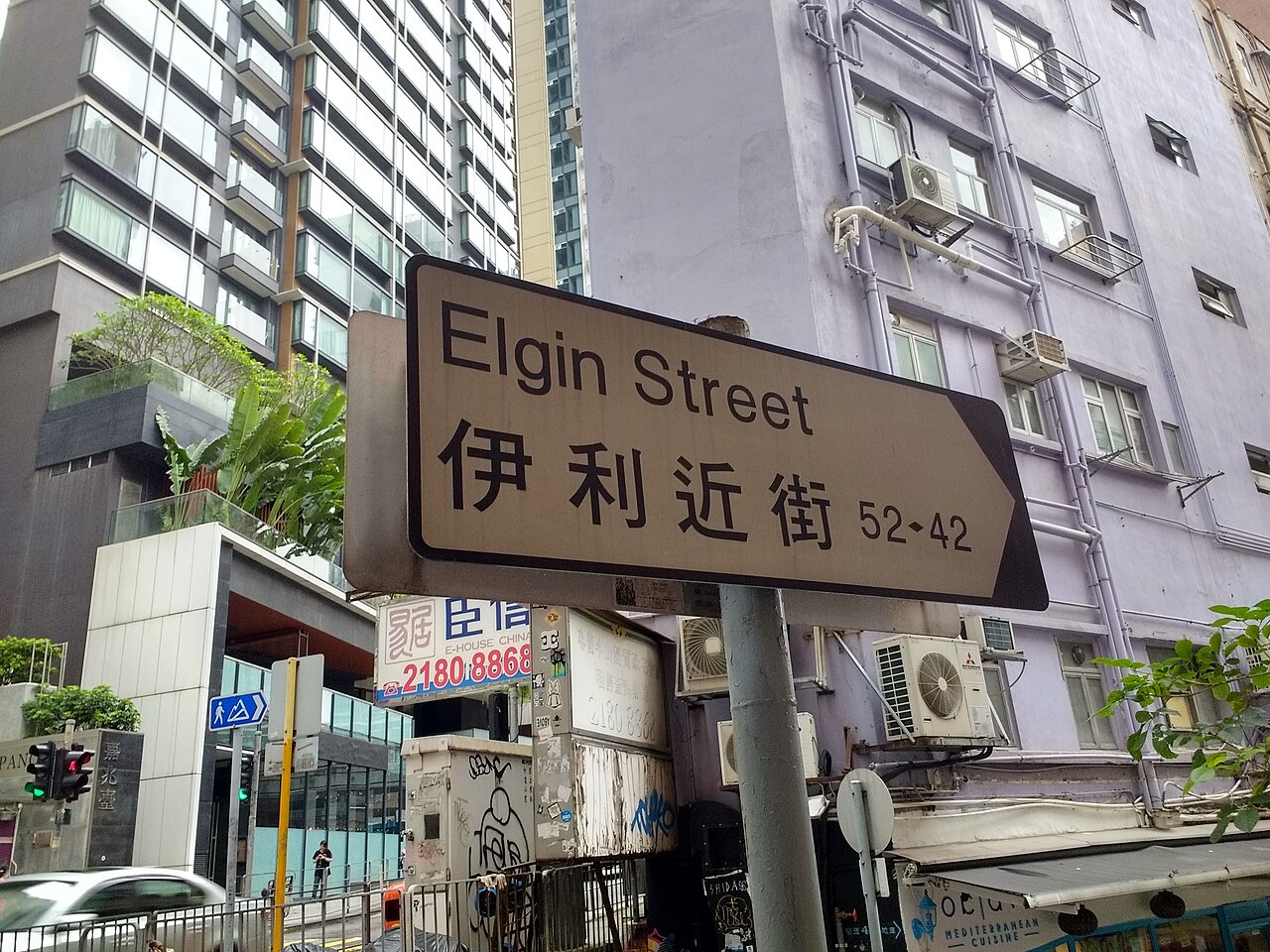
Street sign for Elgin Street in Central, Hong Kong
Портные, работающие на заказ0
Сапожники0
Сорочечники1
Посещение домов0 выезжает на примерки

The Shanghainese lineage

Shanghai had a large and skilled Western tailoring trade in the first half of the twentieth century. After 1949 much of it relocated to Hong Kong, and the best of the city's tailoring descends directly from those workshops: a structured, English-influenced coat, made by hand, by makers trained in an unbroken line.

That is not what most visitors encounter. The trade that grew around tourism operates differently: measurements taken in a shop, the garment made in a workshop over the border or elsewhere, delivered in days. It is made-to-measure at best, and the sub-24-hour end of it is fused, machine-made and constructed to a price.

Telling the tiers apart

  • Ask where the garment is made, and by whom. A genuine bespoke house will name its workshop.
  • Ask how many fittings and over what period. One fitting in 24 hours is not bespoke by any definition used in Europe.
  • Ask whether a paper pattern is cut for you and kept. That is the operative test.
  • Look at what the shop makes for its local customers, not what it shows tourists.

Изображения
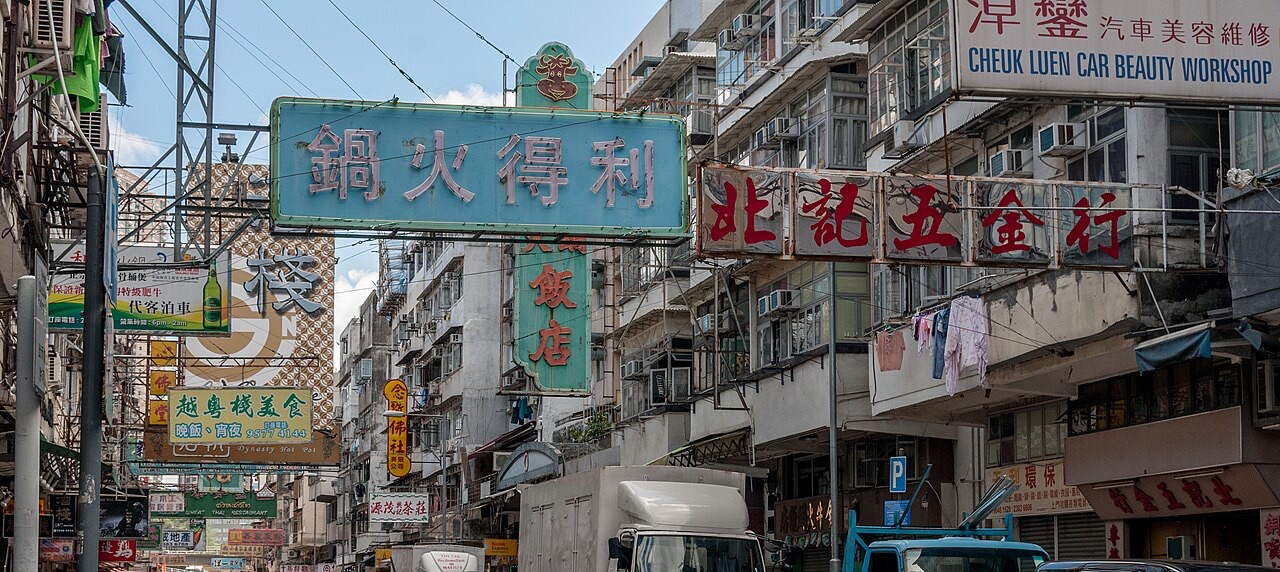
Сорочечники в Hong Kong

Все сорочечники →
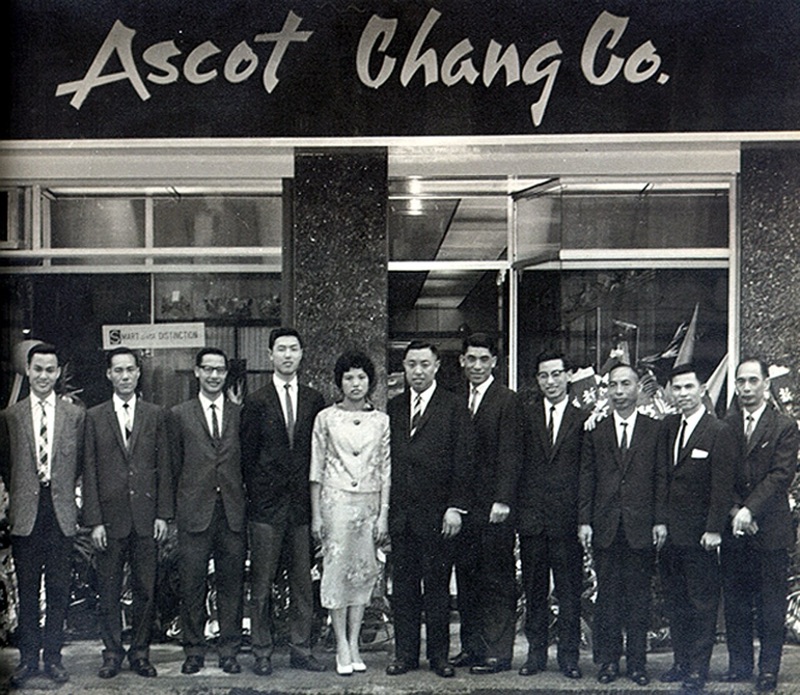
  1. Ascot Chang's Kimberley Road shop, Hong Kong, in 1961 Ascot Chang Hong Kong · 1953

    Ascot Chang is a Hong Kong shirtmaker founded in 1953, with shops there and in New York, that cuts each customer their own pattern.

Практические заметки

Tradition
Shanghainese-descended, English-influenced structure
Caution
The word bespoke is used across the whole quality range hereAsk about pattern, fittings and where the garment is made.
Lineage
Shanghainese, arriving after 1949
Quality range
Very wide: genuine bespoke to 24-hour fused suits
The test to apply
Is a paper pattern cut for me, and how many fittings?
Последняя проверка: September 2026 Сообщить об ошибке на этой странице
Фотографии 4
  1. Elgin Street, Hong Kong 3: Photograph · Mx. Granger · Wikimedia Commons · CC0
  2. Street in Hong Kong: Photograph · Wilfredor · Wikimedia Commons · CC0
  3. International Commerce Centre on Victoria Harbour: Photograph · Wilfredor · Wikimedia Commons · CC0
  4. KIMBERLY RD STORE EXPANSION 1961: Photograph · Shortmiracle · Wikimedia Commons · CC BY-SA 4.0

Политика использования изображений