Chuyển đến nội dung
Il Sartoriale Thế giới thời trang nam cao cấp
★
Il Sartoriale
Bắt đầu từ đây Các thợ may bespoke Thợ đóng giày Thợ may áo sơ mi Nhà sản xuất & thương nhân vải Vải & vật liệu
Nghề thủ công Cách may quần áo Các phong cách may Các thợ thủ công Lịch sử
Trang phục Trang phục mayPhụ kiện Thương hiệuCon người
Địa điểm Thành phốQuốc gia Bản đồ thế giới
Công cụ Tìm thợ may hoặc thợ đóng giàyCác so sánh Giá cảBảng thuật ngữ Tìm hiểuTin tức Hỏi kho tư liệutác nhân AI ★ Đã lưuAPI miễn phí
Giới thiệu Về chúng tôiPhương pháp luận Chính sách biên tập Nguồn tham khảo Cấp phép hình ảnh Cách chúng tôi đánh giá Đính chínhLiên hệ
Cài đặt
Chế độ tối
Ngôn ngữ giao diện

Chế độ xem hướng dẫn
Lần đầu tiếp cận? Mỗi trang mở đầu bằng phần giải thích ngôn ngữ thông thường trước khi đi vào chi tiết, và thuật ngữ kỹ thuật được giải nghĩa ngay khi xuất hiện.

Nhận định chuyên gia
Bạn đã quen với thuật ngữ. Vào thẳng nội dung, phần giải thích nhập môn được ẩn đi. Đây là chế độ mặc định.

★ Trang đã lưu của bạn
470 mục về may đo, đóng giày, vải và nghề thủ công Ấn phẩm tham khảo: chúng tôi không bán gì và không xếp hạng ai vì tiền Mọi con số đều có nguồn dẫn và ngày được kiểm tra

Thành phố · China

Hong Kong

Hong Kong's tailors are famous for making suits fast, but quality ranges from genuinely fine custom work to 24-hour suits made elsewhere, all called bespoke.

Hong Kong's tailoring trade was built by Shanghainese tailors who arrived after 1949, and became internationally famous for speed. The quality range is enormous, from genuine bespoke of a high standard to 24-hour suits made offshore, and the word bespoke is applied to all of it.
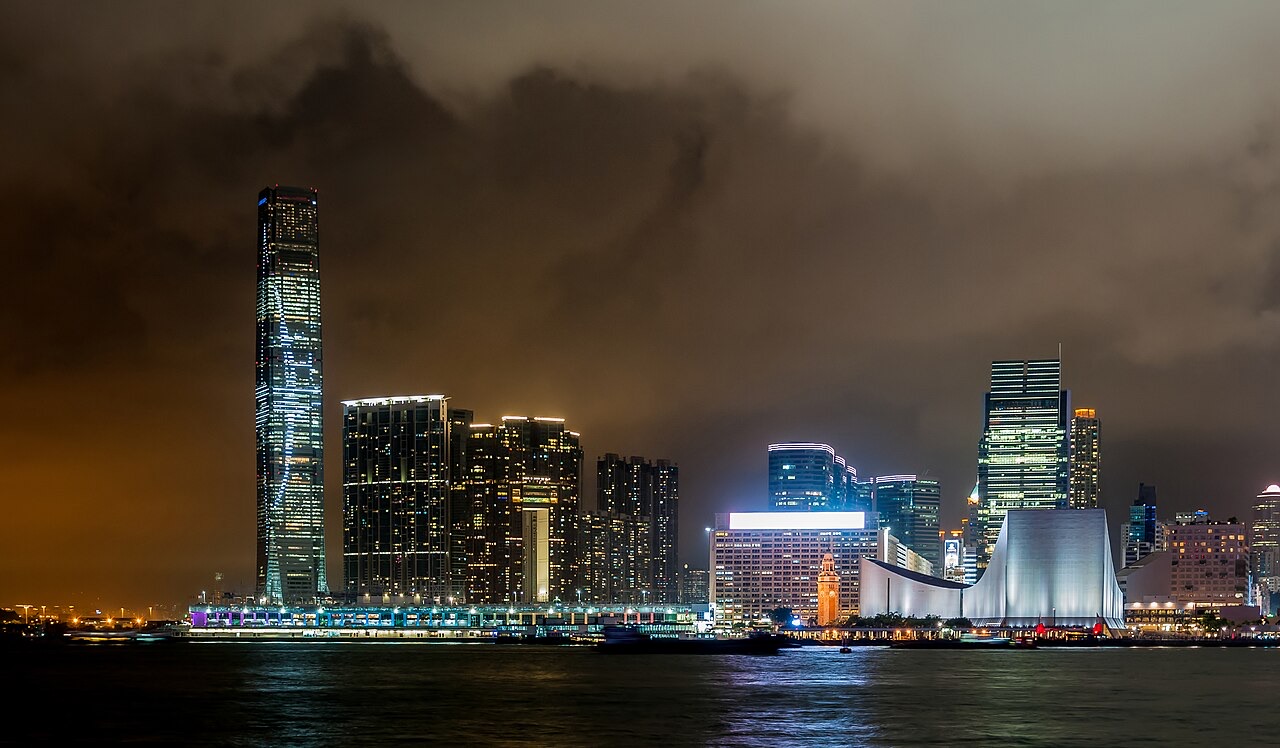
Hong Kong, where the Shanghainese tailoring lineage settled after 1949
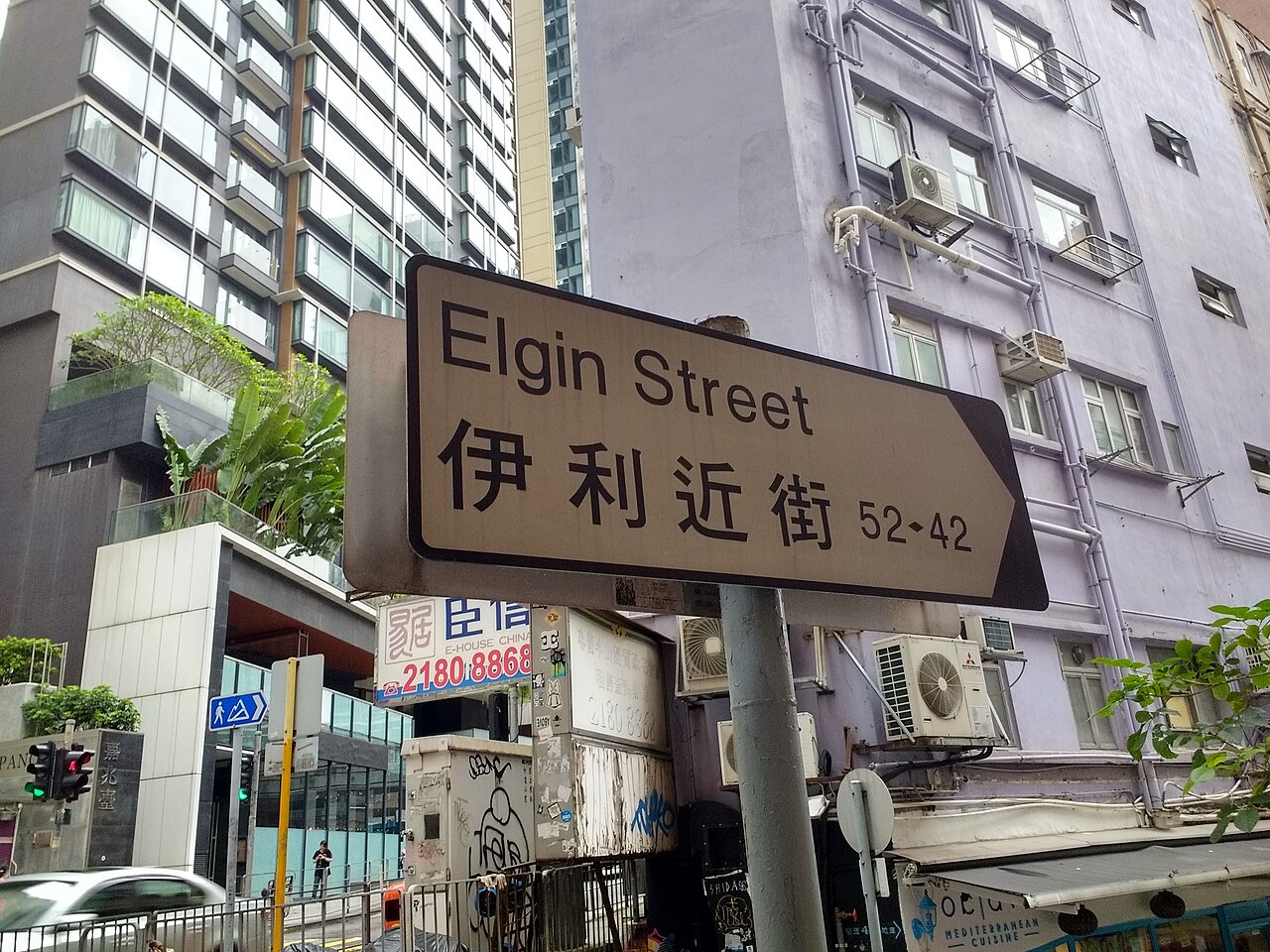
Street sign for Elgin Street in Central, Hong Kong
Các thợ may bespoke0
Thợ đóng giày0
Thợ may áo sơ mi1
Thăm các nhà may0 đến đây để thử đồ

The Shanghainese lineage

Shanghai had a large and skilled Western tailoring trade in the first half of the twentieth century. After 1949 much of it relocated to Hong Kong, and the best of the city's tailoring descends directly from those workshops: a structured, English-influenced coat, made by hand, by makers trained in an unbroken line.

That is not what most visitors encounter. The trade that grew around tourism operates differently: measurements taken in a shop, the garment made in a workshop over the border or elsewhere, delivered in days. It is made-to-measure at best, and the sub-24-hour end of it is fused, machine-made and constructed to a price.

Telling the tiers apart

  • Ask where the garment is made, and by whom. A genuine bespoke house will name its workshop.
  • Ask how many fittings and over what period. One fitting in 24 hours is not bespoke by any definition used in Europe.
  • Ask whether a paper pattern is cut for you and kept. That is the operative test.
  • Look at what the shop makes for its local customers, not what it shows tourists.

Hình ảnh
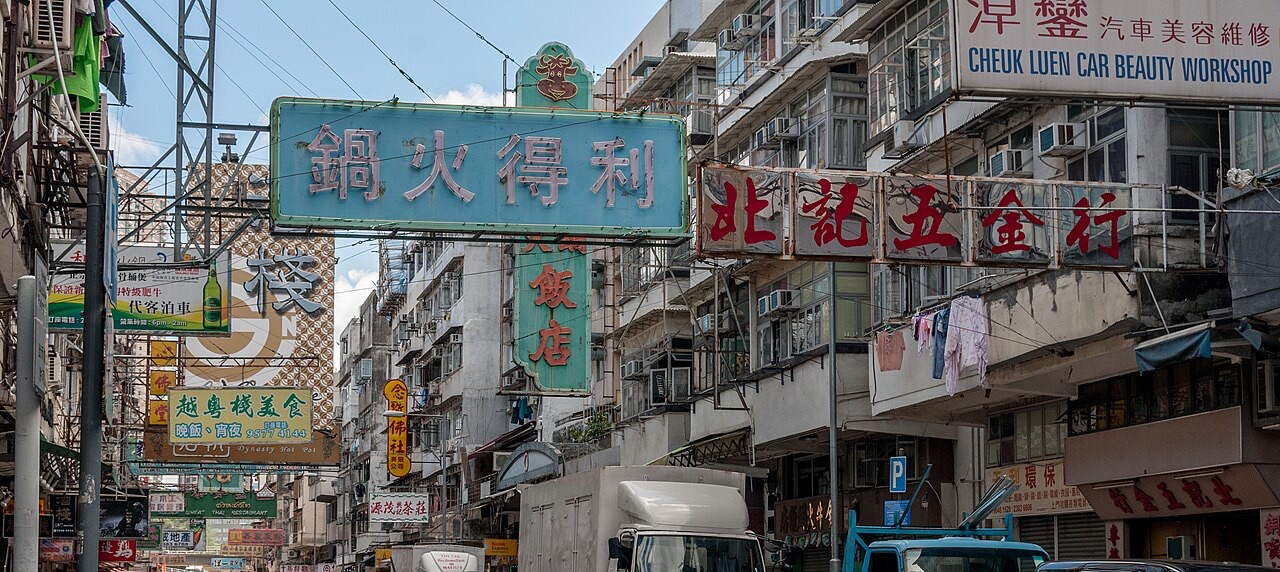
Thợ may áo sơ mi trong Hong Kong

Tất cả thợ may áo sơ mi →
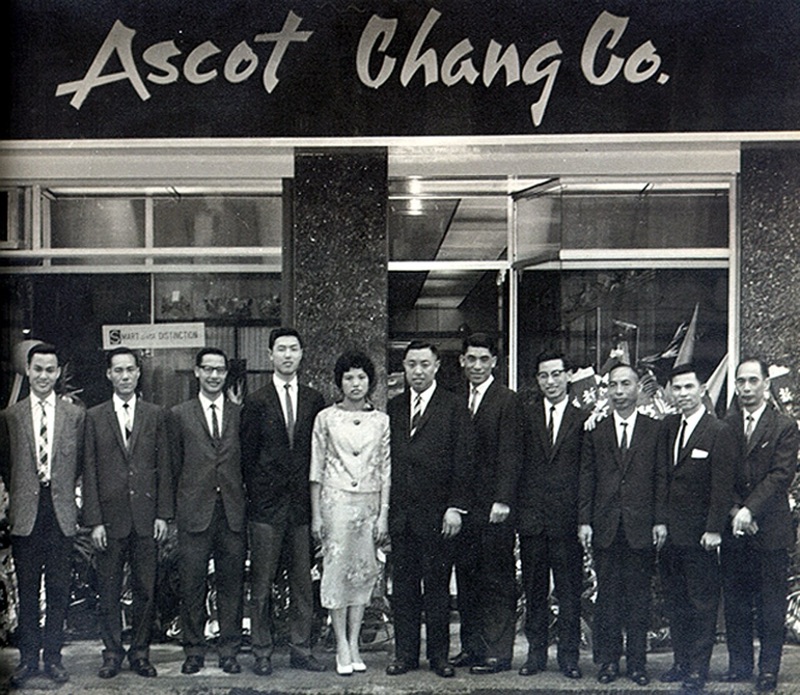
  1. Ascot Chang's Kimberley Road shop, Hong Kong, in 1961 Ascot Chang Hong Kong · 1953

    Ascot Chang is a Hong Kong shirtmaker founded in 1953, with shops there and in New York, that cuts each customer their own pattern.

Ghi chú thực hành

Tradition
Shanghainese-descended, English-influenced structure
Caution
The word bespoke is used across the whole quality range hereAsk about pattern, fittings and where the garment is made.
Lineage
Shanghainese, arriving after 1949
Quality range
Very wide: genuine bespoke to 24-hour fused suits
The test to apply
Is a paper pattern cut for me, and how many fittings?
Xem xét lần cuối: September 2026 Báo cáo lỗi trên trang này
Ghi công hình ảnh 4
  1. Elgin Street, Hong Kong 3: Photograph · Mx. Granger · Wikimedia Commons · CC0
  2. Street in Hong Kong: Photograph · Wilfredor · Wikimedia Commons · CC0
  3. International Commerce Centre on Victoria Harbour: Photograph · Wilfredor · Wikimedia Commons · CC0
  4. KIMBERLY RD STORE EXPANSION 1961: Photograph · Shortmiracle · Wikimedia Commons · CC BY-SA 4.0

Chính sách hình ảnh