देश · Asia
Japan
The most rigorous students the European trades ever had, and now among their most serious competitors.
Japan has no native tradition of Western tailoring (the suit arrived in the nineteenth century), and that turned out to be an advantage. Japanese makers studied European methods with unusual thoroughness, and the best Japanese bespoke shoemakers and tailors are now measured against the Europeans rather than treated as imitators.
Learning a foreign craft
Western dress came to Japan with the Meiji Restoration, as official policy rather than fashion. There was no inherited way of cutting a coat, so the trade was learned from books, from foreign tailors, and, from the 1980s onwards, by young Japanese makers apprenticing in Florence, Naples, Vienna and London and then coming home.
That route produces a particular kind of maker: technically exacting, unusually faithful to whichever tradition they trained in, and inclined to treat the method as a discipline rather than a habit. Yohei Fukuda's shoes are English in method and finished to a standard few English workshops attempt; a Japanese tailor trained in Florence will often make a more orthodox Florentine coat than a Florentine will.
Shoemaking
Japanese bespoke shoemaking is the clearest case. A generation of makers (Fukuda, Hiro Yanagimachi, Eiji Murata and others) built a trade in Tokyo from nothing in about thirty years, and the international shoemaking competitions of the last decade have been dominated by Japanese entrants.
The house style, to the extent there is one, favours a close, sculpted waist, extremely fine hand welting and a level of finish that reads as restrained rather than showy.
Cloth, denim and revivalism
Japan also weaves. Okayama prefecture, and Kojima in particular, is the centre of selvedge denim production, using shuttle looms retired by American mills in the 1960s and 1970s and run slowly to produce a narrow, irregular cloth that the industry had abandoned as uneconomic. The same instinct applies to style. The most careful preservation of American Ivy dress happened in Tokyo, not New England: Take Ivy, the 1965 photographic survey of American campus dress, is a Japanese book, and Japanese labels have kept the idiom alive for sixty years.
एक नज़र में
Bespoke दर्जी में Japan
सभी bespoke दर्जी →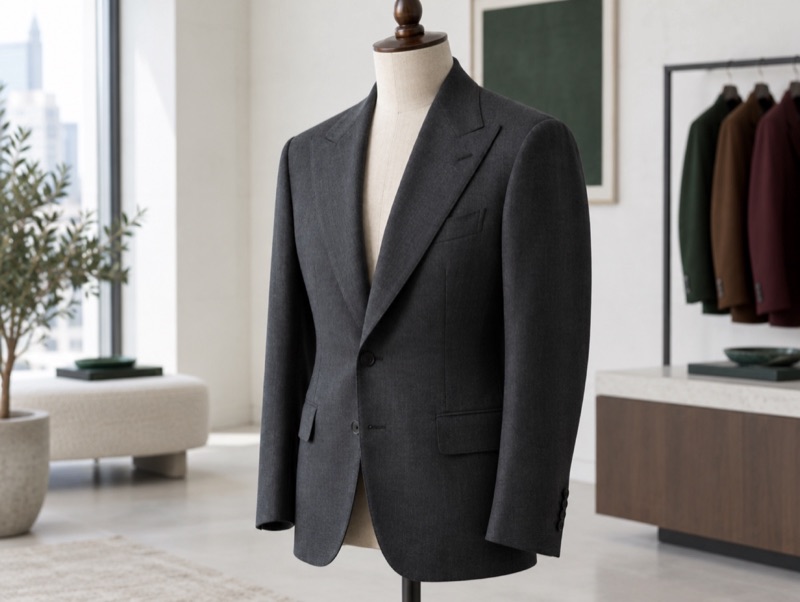
जूता-निर्माता में Japan
सभी जूता-निर्माता →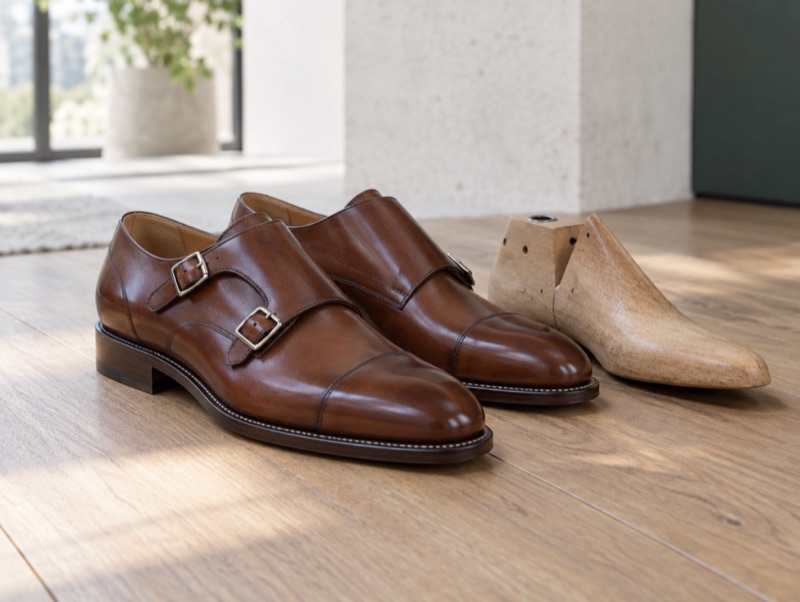
ब्रांड में Japan
सभी ब्रांड →दर्जीगिरी की शैलियाँ
All styles →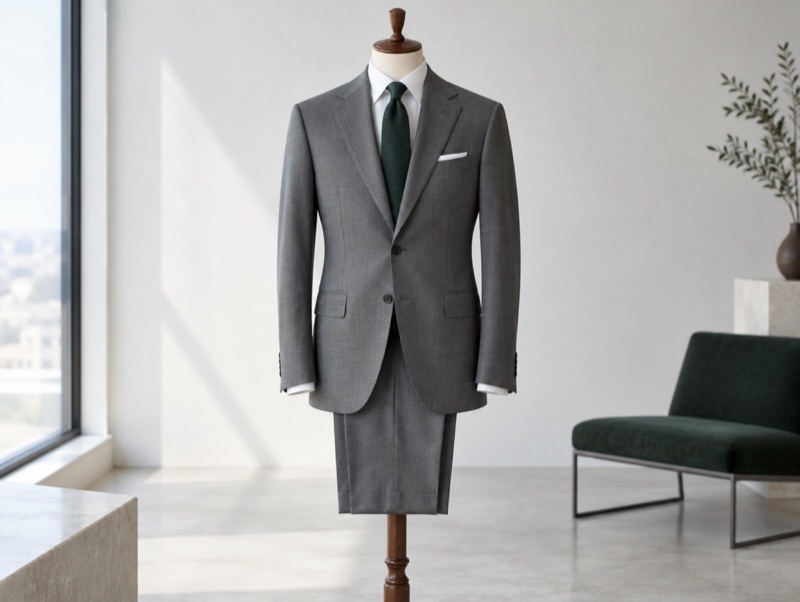
शहर
स्रोत
- Take Ivy, Hachette Bunko / powerHouse Books, 1965. Photographic survey of American campus dress by Teruyoshi Hayashida and others; reissued in English 2010.
जहाँ कोई आँकड़ा विवादित हो या हाउस ने उसे प्रकाशित न किया हो, पृष्ठ कोई संख्या चुनने के बजाय यही कहता है।
चित्र श्रेय 6
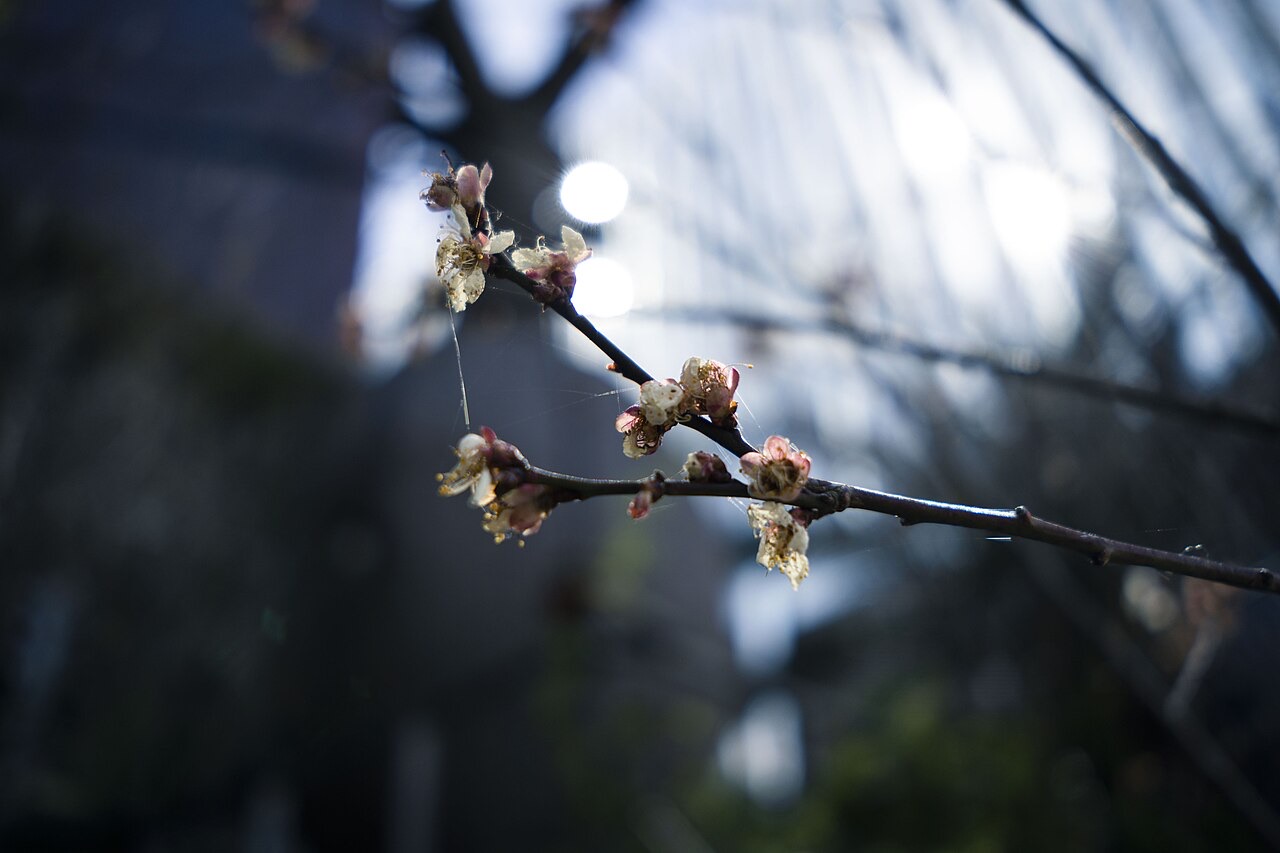
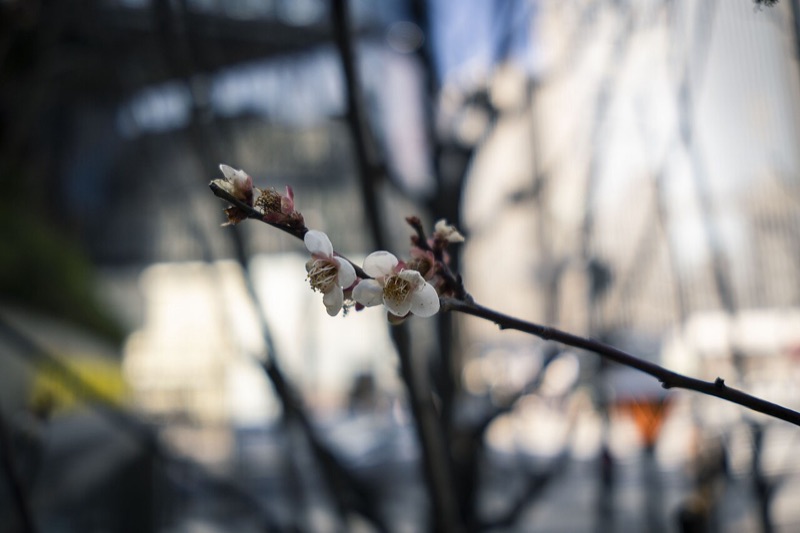
- Blossoming flowers in Ginza; February 2020 (02): Photograph · Keijiro Takahashi · Wikimedia Commons · CC0
- An illustration of the house's recorded cut: soft shoulder, light canvas chest, florentine: wide lapel, rounded chest. Not a photograph of the house's own work.: Original art · Il Sartoriale · Il Sartoriale · Il Sartoriale original art
- An illustration of a welted shoe of the kind the house makes. Not a photograph of the house's own work.: Original art · Il Sartoriale · Il Sartoriale · Il Sartoriale original art
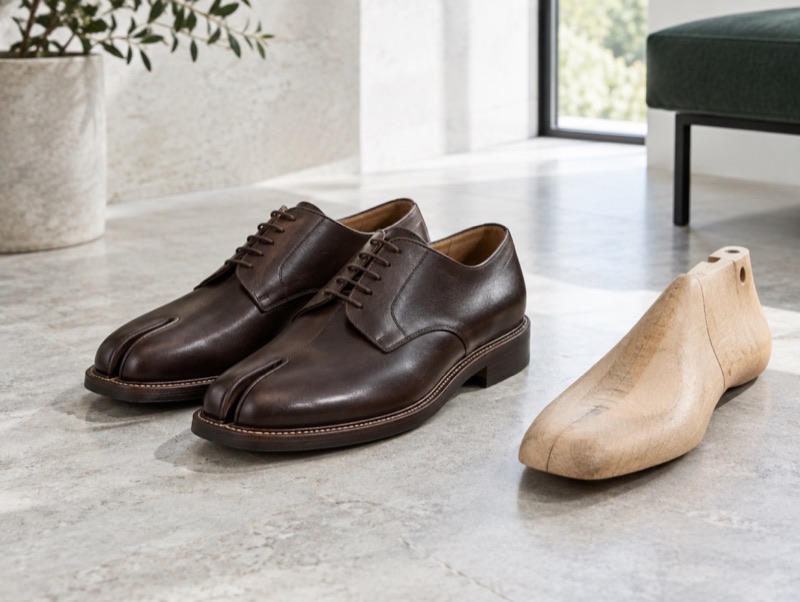
- An illustration of a welted shoe of the kind the house makes. Not a photograph of the house's own work.: Original art · Il Sartoriale · Il Sartoriale · Il Sartoriale original art
- A precisely finished grey suit on a stand: Original art · Il Sartoriale · Il Sartoriale · Il Sartoriale original art
- Blossoming flowers in Ginza; February 2020 (01): Photograph · Keijiro Takahashi · Wikimedia Commons · CC0