Ülke · Americas
United States
The United States gave the world the soft, straight-hanging sack suit behind Ivy style and the off-the-rack clothing industry, though it now makes little tailoring itself.
American tailoring produced one genuinely original idea, the soft, straight-hanging sack suit that became Ivy style, and one enormous industry, ready-to-wear, which changed how the whole world buys clothes. Very little tailoring is still made in the United States; New York remains an important market, visited constantly by European houses.
The sack suit
The American contribution to cut is the sack: an undarted jacket hanging straight from a natural shoulder, with a soft chest, a three-button front rolled to the middle button, and no waist suppression to speak of. Brooks Brothers popularised it, the Ivy League adopted it, and by the 1950s it was what an educated American man wore to work.
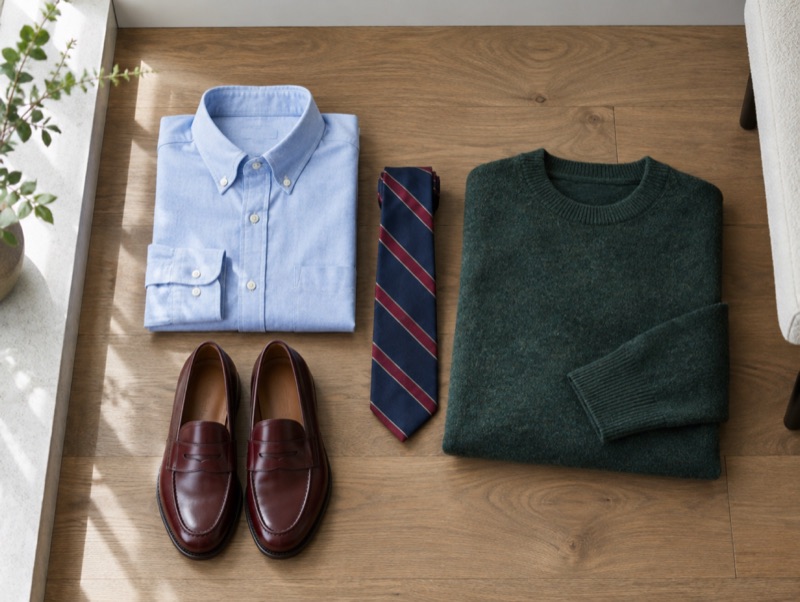
It is easy to be condescending about the sack (it flatters almost nobody's figure in the way a shaped coat does), but it was a deliberate and coherent answer to a different question. It fits a range of bodies acceptably rather than one body perfectly, which is exactly what a garment sold off a rack needs to do. Ivy style is the sack suit's aesthetic afterlife, and it remains more influential in Japan than in America.
Ready-to-wear, and what it cost
American manufacturers industrialised clothing earlier and more completely than anyone else, driven first by Civil War uniform contracts, which produced the first systematic body-measurement data, and then by sizing systems, standardised patterns and fusible interlinings. The consequence was that ordinary people could buy a suit that fitted approximately, cheaply, immediately.
The consequence for craft was severe. Domestic tailoring shrank to a handful of firms; the great American makers (Oxxford in Chicago, Hickey Freeman in Rochester, Martin Greenfield in Brooklyn) became exceptions rather than a trade. Most tailoring bought in the United States today is made in Italy, or made abroad to American brands' specifications.
New York as a market
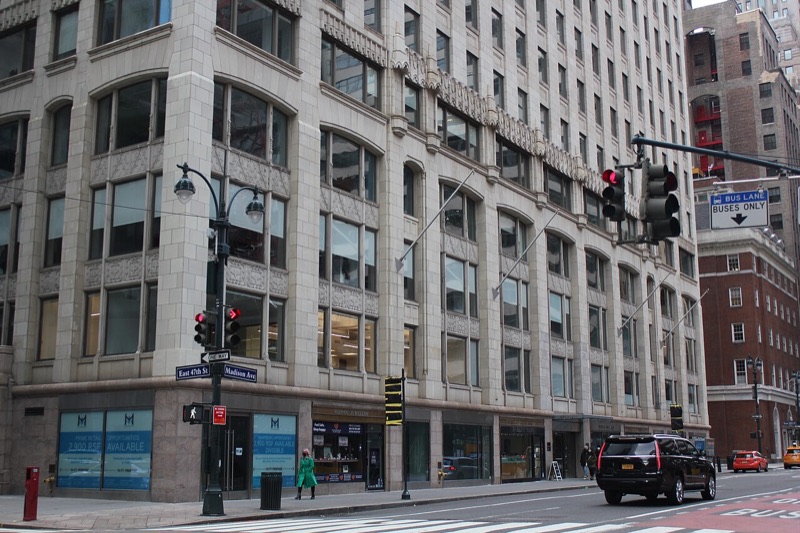
The country's importance now is as a customer. New York is the single most-visited city on the international trunk-show circuit: Neapolitan, Roman, Parisian, London and Japanese houses all travel there, some several times a year, to measure clients and hold fittings in hotel suites and borrowed showrooms.
For a buyer this is genuinely useful: a great deal of the world's best tailoring can be commissioned without leaving Manhattan, and genuinely awkward: fittings are compressed into a house's visit schedule, so a commission that would take three fittings over four months in Naples may take a year in New York.
Görseller
Lisanslama →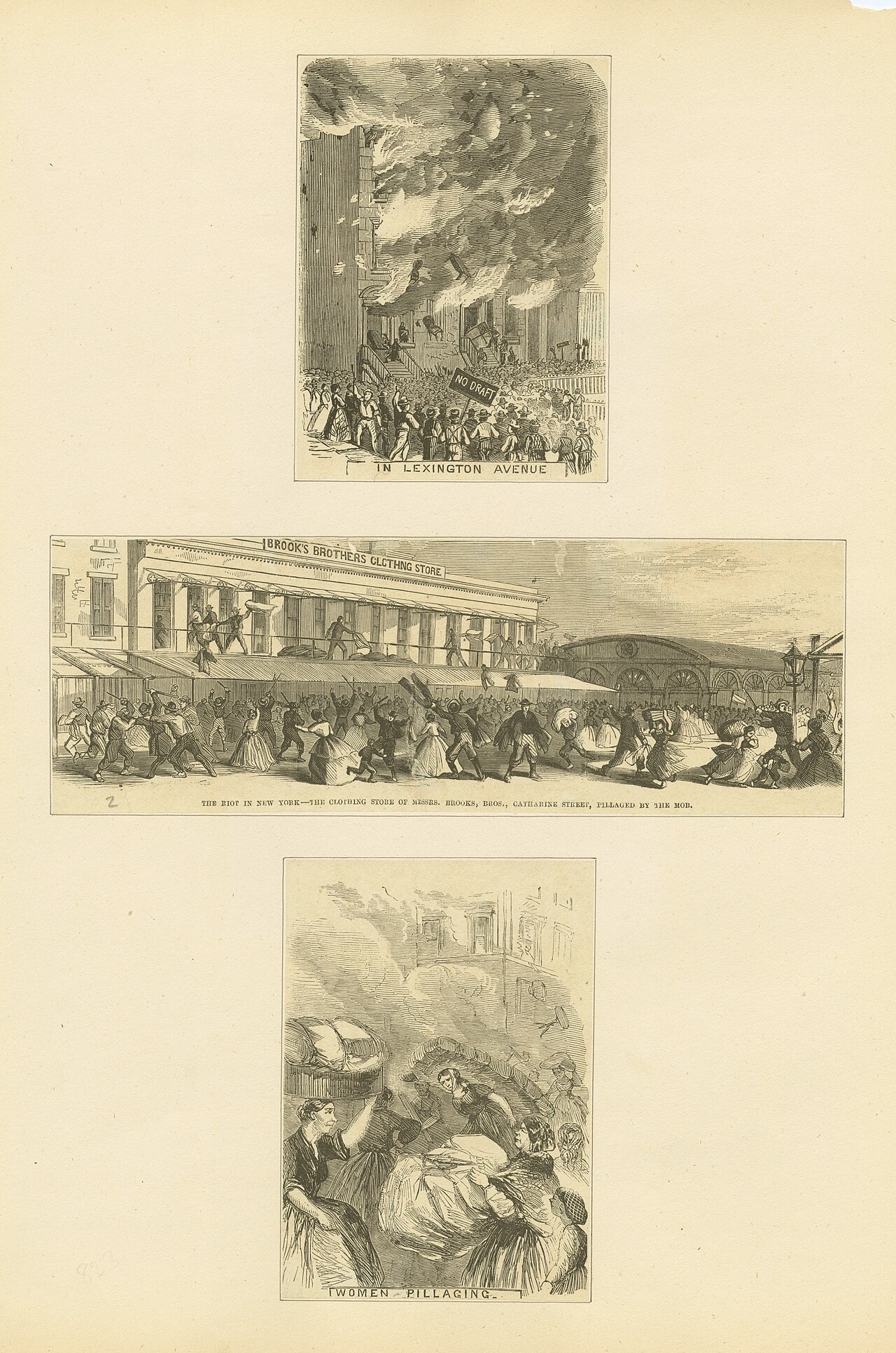
Kısaca
Bespoke terziler içinde United States
Tümü bespoke terziler →-
 Martin Greenfield Clothiers
New York
Martin Greenfield Clothiers
New YorkMartin Greenfield Clothiers is a Brooklyn suit factory, run by a Holocaust survivor, that makes custom suits and produces for several American brands.
-
 Oxxford Clothes
1916
Oxxford Clothes
1916Oxxford Clothes is a Chicago suit maker, around since 1916, whose factory suits involve so much hand sewing they get compared with European custom tailoring.
Ayakkabı ustaları içinde United States
Tümü ayakkabı ustaları →
Kumaş üreticileri ve tüccarları içinde United States
Tümü kumaş üreticileri ve tüccarları →Markalar içinde United States
Tümü markalar →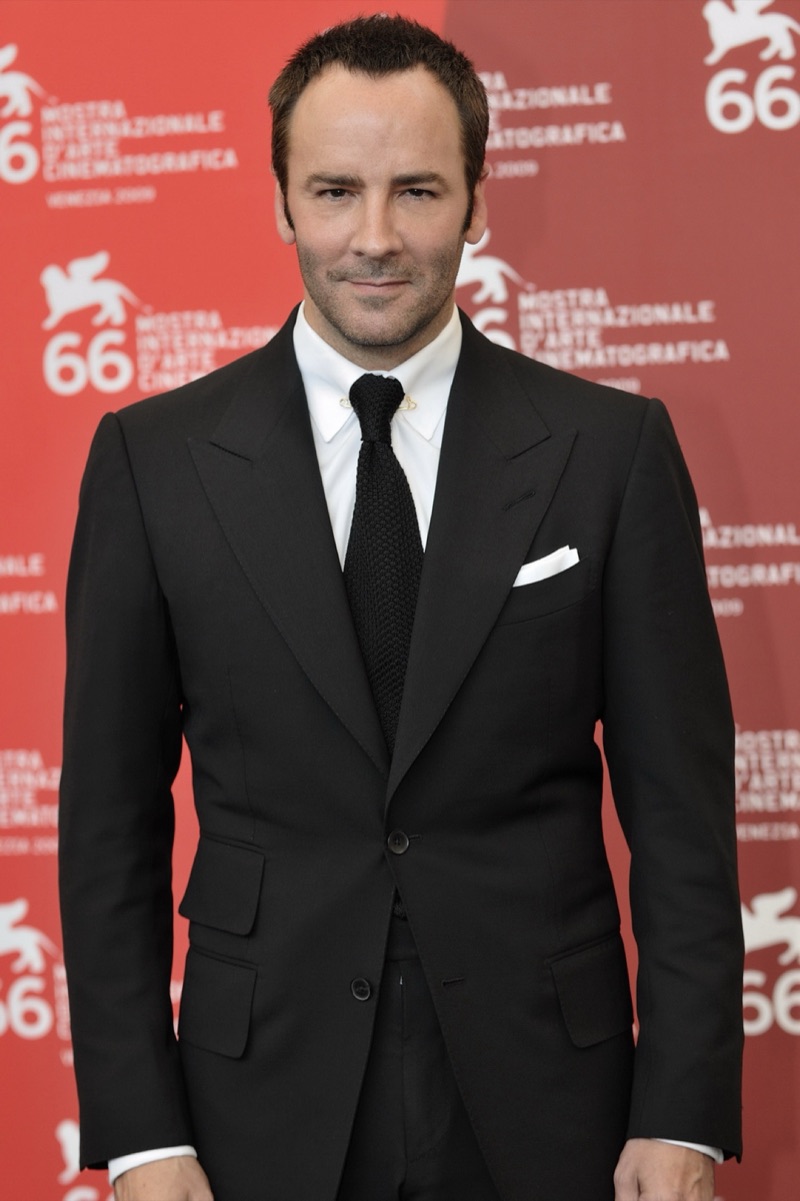 01
01
Tom Ford
A designer's idea of a suit (wide lapel, strong shoulder, high armhole) made in Italy at a very high price.
 02
02
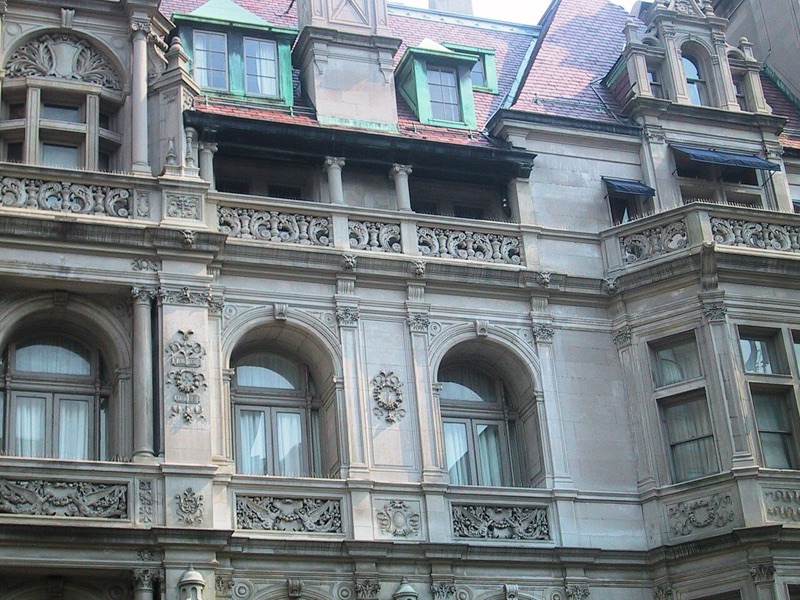
Ralph Lauren Purple Label
Ralph Lauren Purple Label is the top line of Ralph Lauren menswear, with high-quality suits mostly made in Italy in an English and Italian style.
 03
03
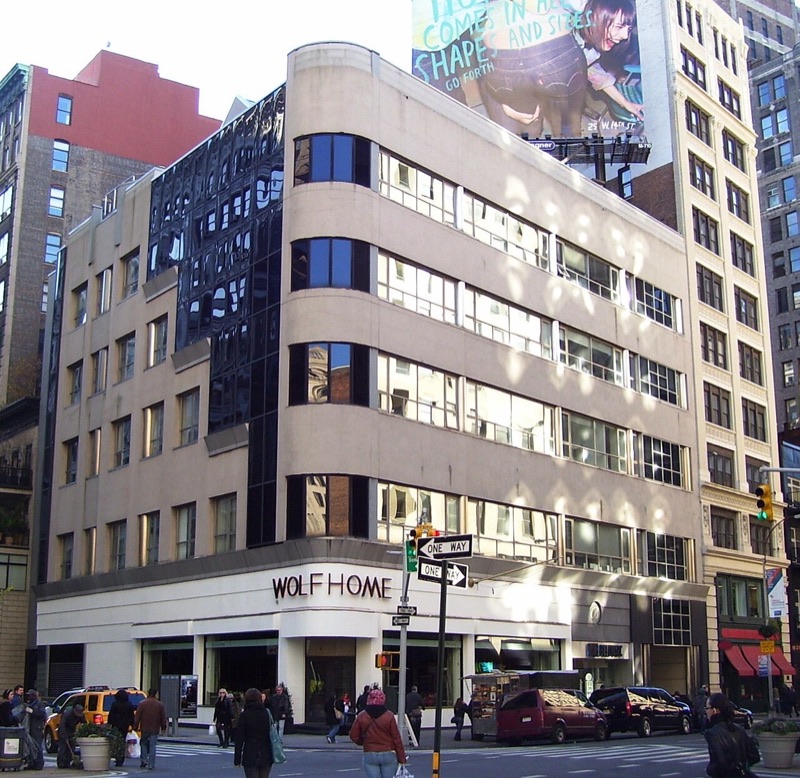
Brooks Brothers
Brooks Brothers is America's oldest clothing retailer, which popularised ready-made suits in standard sizes, the button-down collar and the American Ivy look.
Terzilik üslupları
All styles →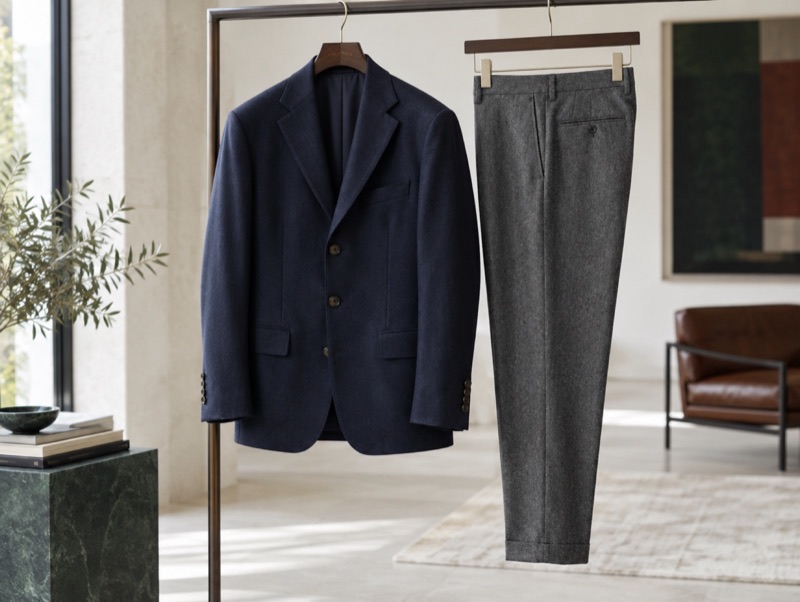
Şehirler
Kaynaklar
- Costume Institute: American menswear collection , The Metropolitan Museum of Art.
Bir rakam tartışmalıysa ya da atölye onu yayımlamamışsa, sayfa bir sayı seçmek yerine bunu açıkça belirtir.
Fotoğraf kredileri 11
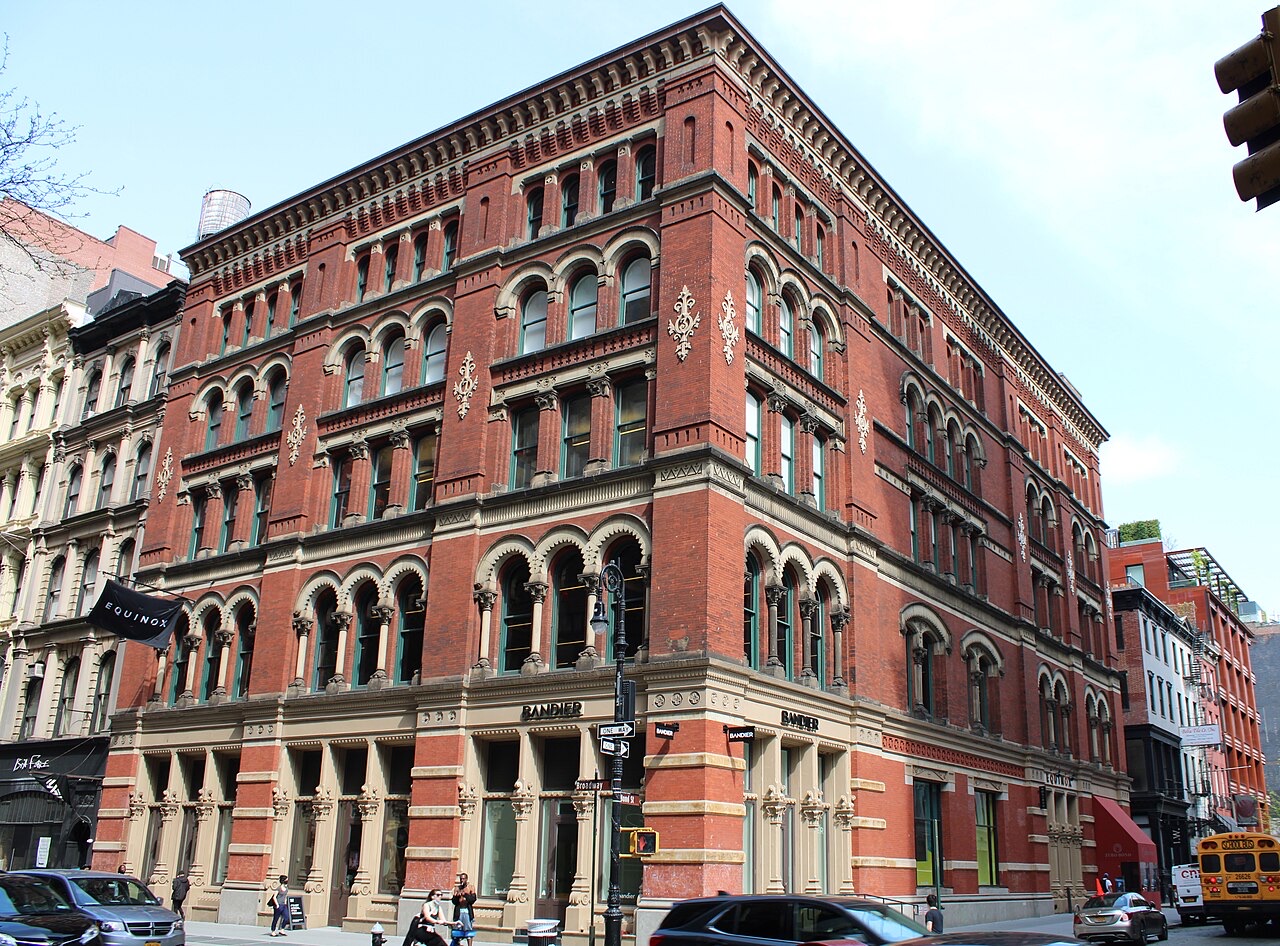
- Brooks Brothers Store: Photograph · Gloucester1692 · Wikimedia Commons · CC BY-SA 4.0
- In Lexington Avenue; The riot in New York - The clothing store of Messrs. Brooks Bros., Catharine Street, pillaged by the mob; Women…: Photograph · Scan by NYPL · Wikimedia Commons · Public domain
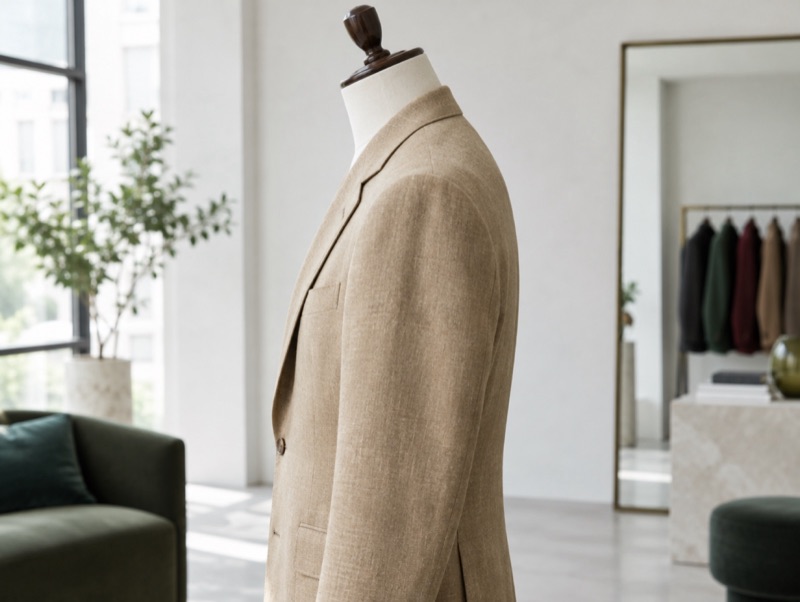
- An illustration of the house's recorded cut: soft shoulder, full canvas chest, american, moderately structured. Not a photograph of the house's own work.: Original art · Il Sartoriale · Il Sartoriale · Il Sartoriale original art
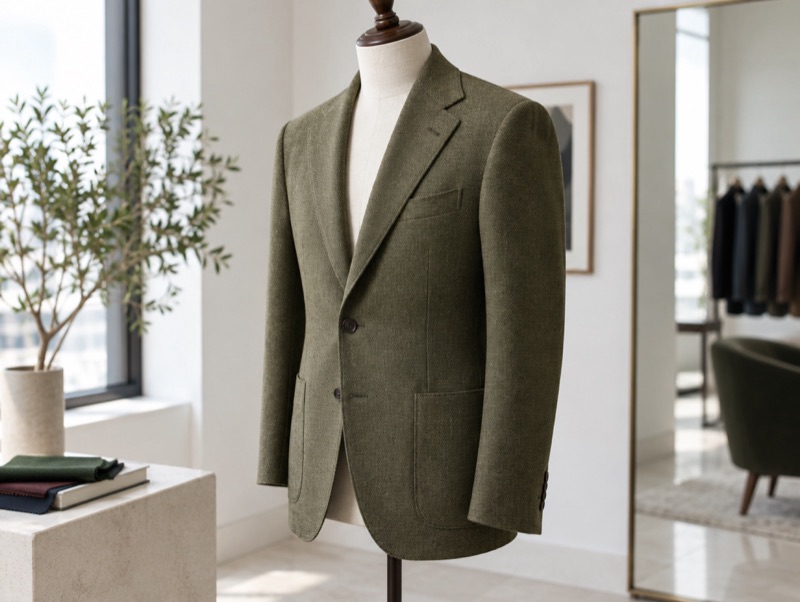
- An illustration of the house's recorded cut: soft shoulder, full canvas chest, american, softly structured. Not a photograph of the house's own work.: Original art · Il Sartoriale · Il Sartoriale · Il Sartoriale original art
- An illustration of a welted shoe of the kind the house makes. Not a photograph of the house's own work.: Original art · Il Sartoriale · Il Sartoriale · Il Sartoriale original art
- Tom Ford 2009: Photograph · Nicogenin · Wikimedia Commons · CC BY-SA 2.0
- Rhinelander Mansion: Photograph · Beyond My Ken · Wikimedia Commons · CC BY-SA 3.0
- Brooks Brothers 938 Broadway: Photograph · Beyond My Ken · Wikimedia Commons · CC BY-SA 4.0
- A natural-shoulder sack jacket: Original art · Il Sartoriale · Il Sartoriale · Il Sartoriale original art
- Oxford shirt, repp tie, shetland and loafers: Original art · Il Sartoriale · Il Sartoriale · Il Sartoriale original art
- 400 Madison Avenue Mar 2021 15: Photograph · Epicgenius · Wikimedia Commons · CC BY-SA 4.0