इतिहास · History
The rise of ready-to-wear
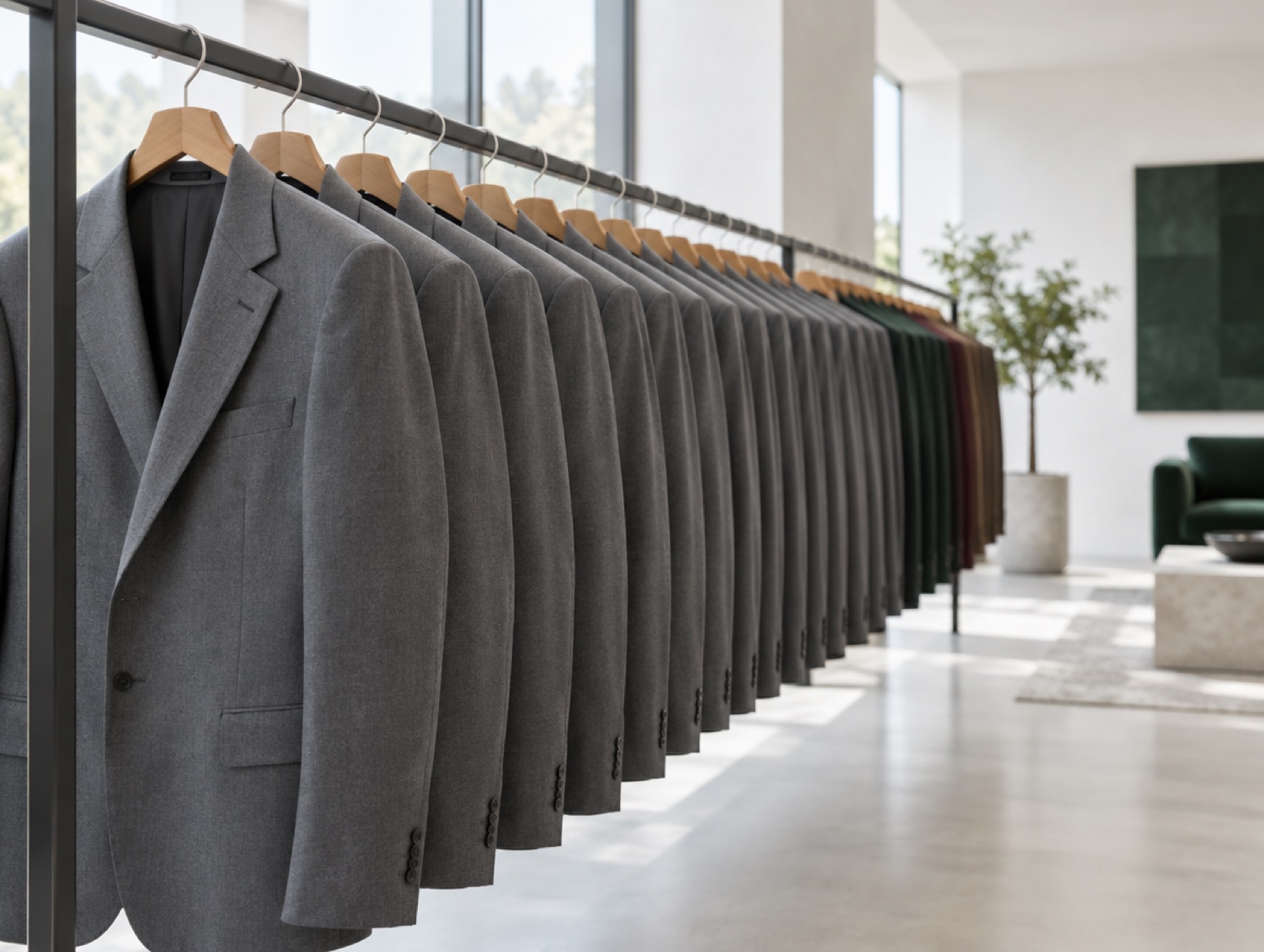
Ready-made clothing took off in the nineteenth century when making uniforms, especially for the American Civil War, showed how body sizes vary.
Ready-made clothing became viable in the nineteenth century when large-scale uniform production, particularly for the American Civil War, generated systematic data on how bodies vary. Sizing systems, standardised patterns, the sewing machine and, later, fusible interlinings turned tailoring from a craft into an industry.
Measuring an army
Producing uniforms in quantity requires knowing how many men are which size, and the American Civil War produced measurement data on a scale nobody had previously gathered. The result was the first empirical basis for graded sizing.
Combined with the sewing machine, which mechanised the seams, and with factory organisation, this made clothing that fitted approximately available cheaply and immediately, for the first time in history.
What it cost
The bespoke trade contracted everywhere it happened. In the United States the domestic tailoring industry shrank from tens of thousands of workers to a handful of firms; in Britain the provincial tailoring trade largely disappeared, leaving Savile Row and very little else.
The second casualty was the apprenticeship system. An industry that does not need many hand tailors does not train them, and the shortage of coatmakers today is the delayed consequence of decisions made a century ago.
Fusing
The last decisive step was chemical rather than mechanical. Fusible interlinings, introduced industrially in the middle of the twentieth century, replaced the hand-shaped canvas with an adhesive layer bonded in a minute, and removed the largest remaining block of skilled labour from a jacket. That is why a suit can cost less than a pair of shoes. It is also why full canvas became a marketing term: once the default became fusing, the older method needed a name.
चित्र
लाइसेंसिंग →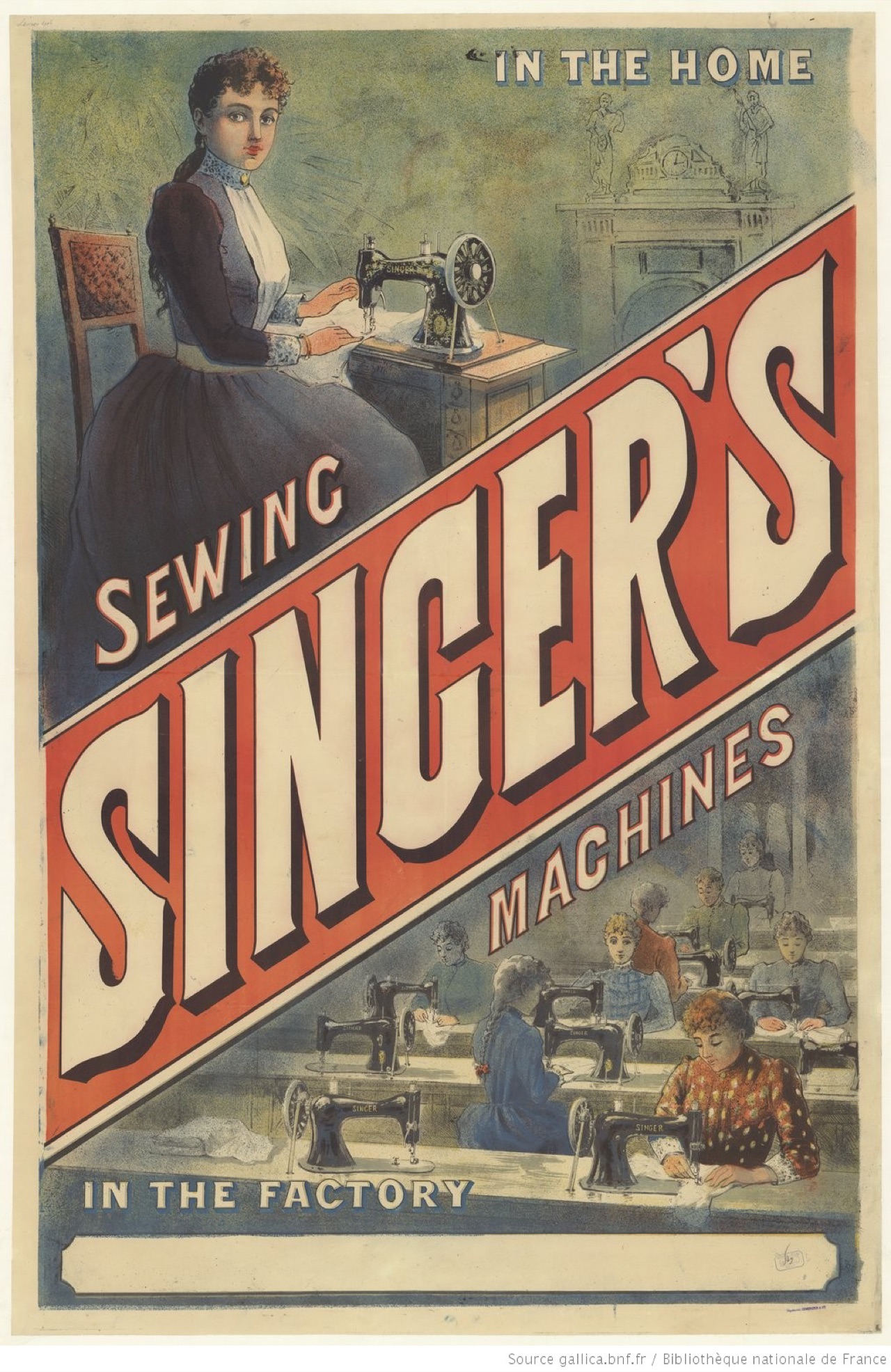
एक नज़र में
चित्र श्रेय 2
- A long rail of identical suits in a showroom: Original art · Il Sartoriale · Il Sartoriale · Il Sartoriale original art
- Singer Sewing machines in the home in the factory: Photograph · Bibliothèque Nationale de France · Wikimedia Commons · Public domain