원단 · Fibre
Merino wool
One breed of sheep, bred for fineness over five centuries, supplying almost all fine suiting.
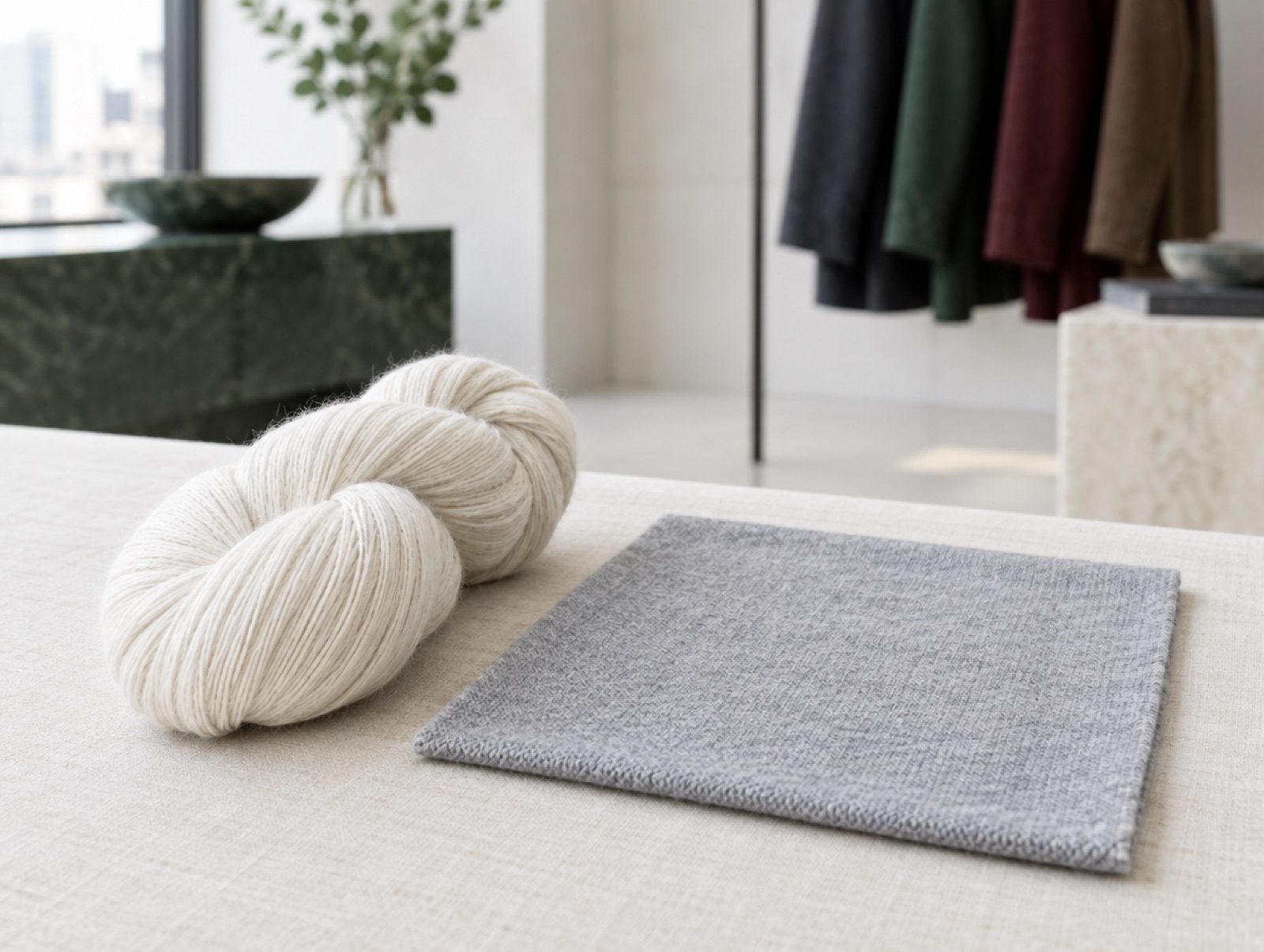
Merino is a sheep breed producing unusually fine, soft, well-crimped wool. It originated in Spain, where exporting the sheep was once punishable by death, and is now farmed mostly in Australia and New Zealand. Practically all worsted suiting is merino.
A guarded monopoly
Spain held an effective monopoly on merino sheep into the eighteenth century and protected it fiercely: exporting the animals was for a long period prohibited on pain of death. When the flocks did leave, through royal gifts and then the Peninsular War, the breed spread quickly to Saxony, France, South Africa and ultimately Australia, which now produces the majority of the world's fine merino.
The reason for all this trouble is a fibre roughly half the diameter of ordinary sheep's wool, with a tight crimp that makes it springy and soft.
Grades
Merino is sold by micron. Ordinary merino suiting sits around 18 to 21 microns. Below about 16.5 the wool is described as superfine, and the very finest lots, under 13 microns, are sold at auction for extraordinary prices and woven into cloth that is soft, expensive and comparatively fragile.
The trade's honest position, rarely stated in marketing, is that around 17 to 18.5 microns is where a suiting cloth is most useful: fine enough to be comfortable and strong enough to be worn.
How wool is actually bought
Fine merino is sold at auction by the bale, graded on mean fibre diameter, staple length, strength, and vegetable matter content. Buyers for the top mills compete for specific clips from specific growers, and the very finest bales (under 13 microns) reach prices that make headlines each year.
Two things follow. Vintage matters: a season's clip varies with weather and feed, so the same grower's wool differs year to year. And traceability at the top of the market is genuinely possible, because the bale is identified, which is why some mills can name the farm.
이미지
라이선스 →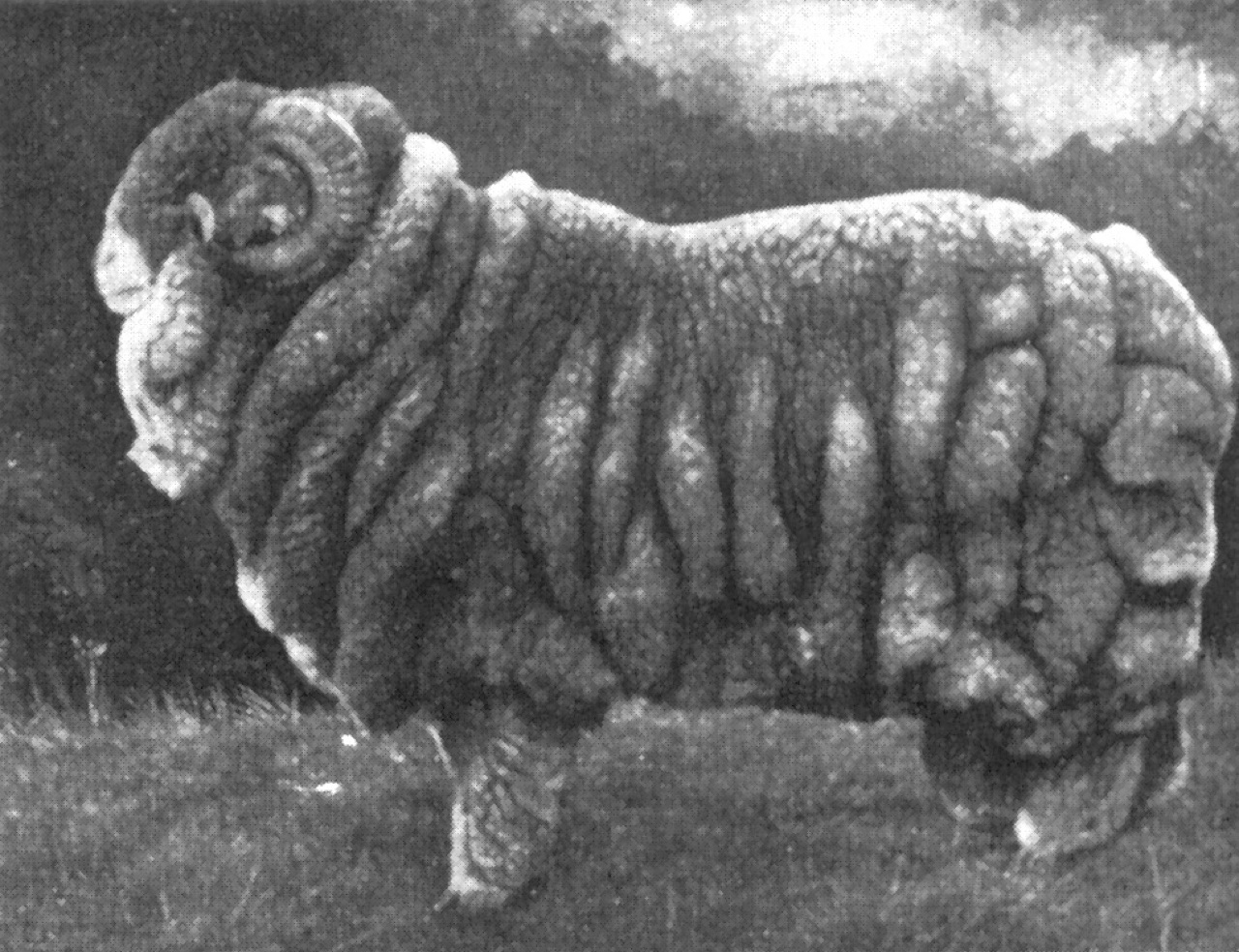
한눈에 보기
함께 작업하는 이들
이 사이트에서 해당 항목과 기록된 연관성을 가진 하우스 및 방직소 Merino wool.
-
 Zegna
브랜드 · Biella · 1910
Zegna
브랜드 · Biella · 1910Zegna began as a wool mill in 1910 and is now one of the world's biggest luxury menswear companies, still weaving cloth and owning Thom Browne.
-
Loro Piana
직물 제조사 · Biella · 1924
Loro Piana began as a Biella wool mill and is now a big luxury clothing house, famous for rare fibres like vicuña and baby cashmere.
-
Vitale Barberis Canonico
직물 제조사 · Biella · 1663
Vitale Barberis Canonico is Italy's largest fine-wool mill, and if you own a mid- or upper-market Italian suit, its cloth may well be in it.
직물 제조사와 상인
모든 방직소 →-
Loro Piana
Biella · 1924
Loro Piana began as a Biella wool mill and is now a big luxury clothing house, famous for rare fibres like vicuña and baby cashmere.
-
Vitale Barberis Canonico
Biella · 1663
Vitale Barberis Canonico is Italy's largest fine-wool mill, and if you own a mid- or upper-market Italian suit, its cloth may well be in it.
용도
사진 크레딧 4
- Fine merino yarn and a square of merino worsted: Original art · Il Sartoriale · Il Sartoriale · Il Sartoriale original art
- Champion Merino ram (1905): Photograph · Unknown author · Wikimedia Commons · Public domain
- Front of the Ermenegildo Zegna Global Store (52039067673): Photograph · Chris Rycroft from Cambridge, Massachusetts, United States · Wikimedia Commons · CC BY 2.0
- A stack of three sweaters: Original art · Il Sartoriale · Il Sartoriale · Il Sartoriale original art