Tecido · Cloth
Super numbers
A cloth's Super number, like Super 150s, measures how fine the wool fibre is, so higher means softer but more fragile, not better.
The Super number on a cloth (Super 110s, Super 150s) refers to the fineness of the wool fibre used. Finer fibre feels softer and is also weaker, more delicate and less able to hold a press. A higher Super number therefore means a more luxurious hand and a less durable suit, which is the opposite of what most buyers assume.
What the number measures
The Super system is defined by the International Wool Textile Organisation and refers to the maximum fibre diameter permitted in the yarn. Each step of ten in the Super number corresponds to a reduction of half a micron in the maximum fibre diameter.
It says nothing about the weave, the finishing, the spinning, the yarn twist, the mill, or how the cloth will behave. Those determine almost everything about how a suit performs.
The scale
| Super number | Maximum fibre diameter | In practice |
|---|---|---|
| Super 100s | 18.5 µm | Robust, holds a press, will take daily wear for years |
| Super 110s | 18.0 µm | The workhorse of good suiting |
| Super 120s | 17.5 µm | Noticeably smoother; still practical |
| Super 130s | 17.0 µm | Fine; beginning to be delicate |
| Super 150s | 16.0 µm | Luxurious hand; will shine and wear at stress points sooner |
| Super 180s + | 14.5 µm and below | Occasion cloth. Beautiful, fragile, expensive |
What to buy instead
For a suit worn weekly, the useful range is Super 100s to 130s in a cloth of 10 to 12 ounces from a mill with a good finishing reputation. It will feel slightly less soft in the shop than a Super 150s and will look better in three years.
Any tailor will tell you this. The reason the market moved the other way is that a number on a label is easy to compare and a finishing routine is not, which is a general truth about how quality gets replaced by specification.
Imagens
Licenciamento →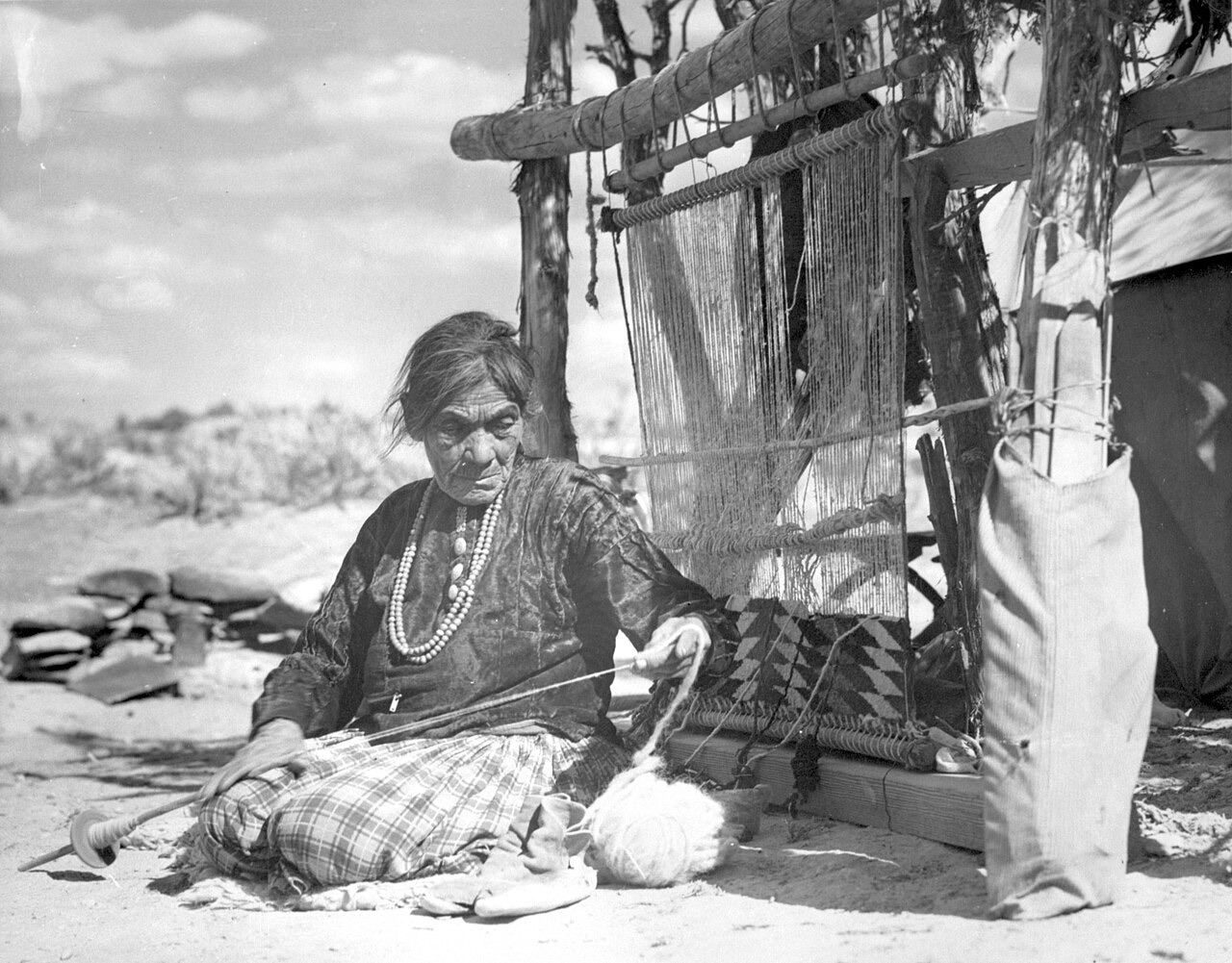
Em síntese
Fontes
- Code of practice for the labelling of the fineness of wool products , International Wool Textile Organisation.
Quando uma cifra é contestada ou a casa não a publicou, a página diz-o em vez de escolher um número.
Créditos fotográficos 4
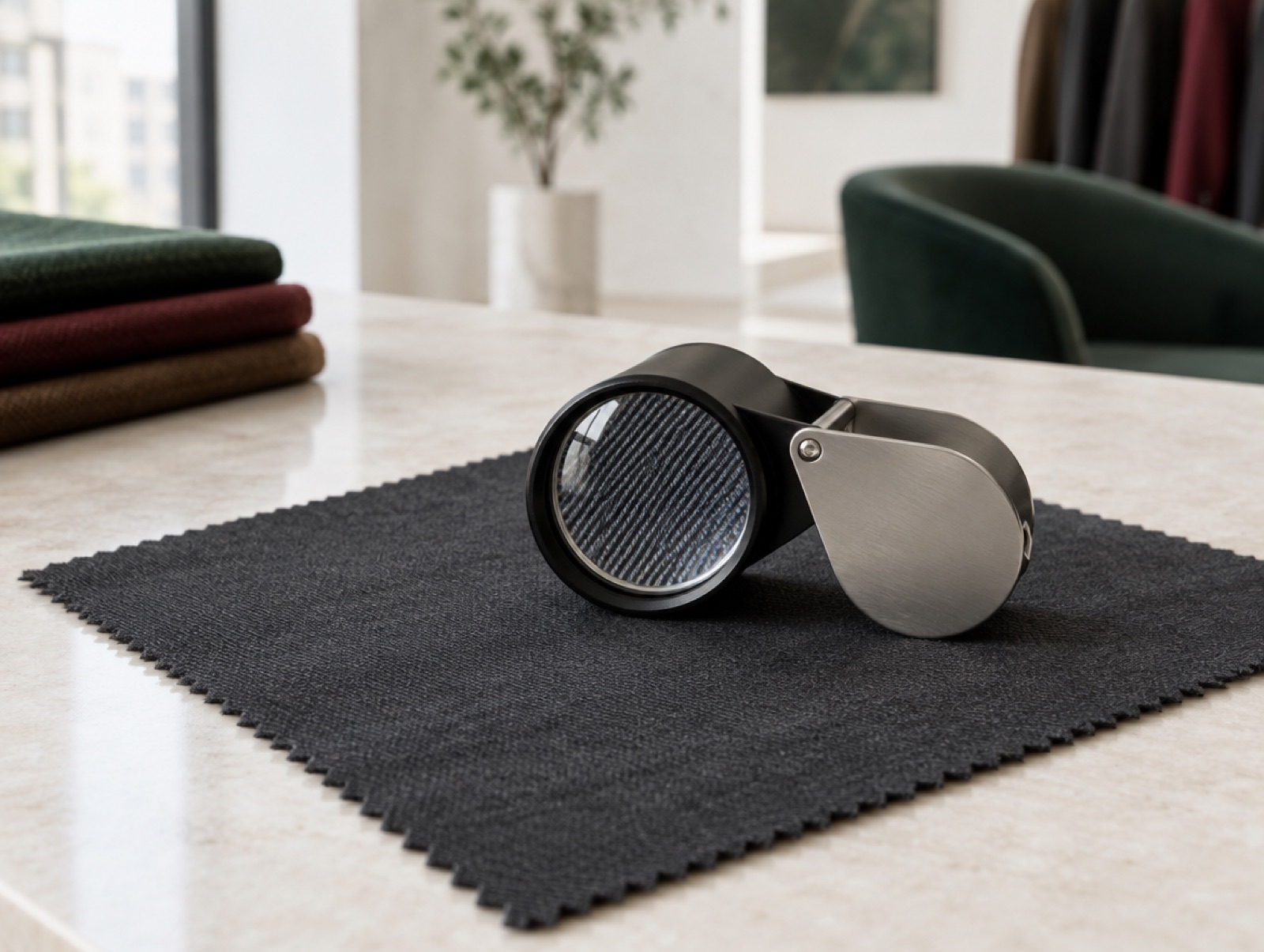
- A loupe on fine charcoal worsted: Original art · Il Sartoriale · Il Sartoriale · Il Sartoriale original art
- Milton Snow, "Navajo weaver spinning wool into yarn; full-length, seated, with a loom behind her, Torreon, New Mexico.": Photograph · Milton Snow · Wikimedia Commons · Public domain
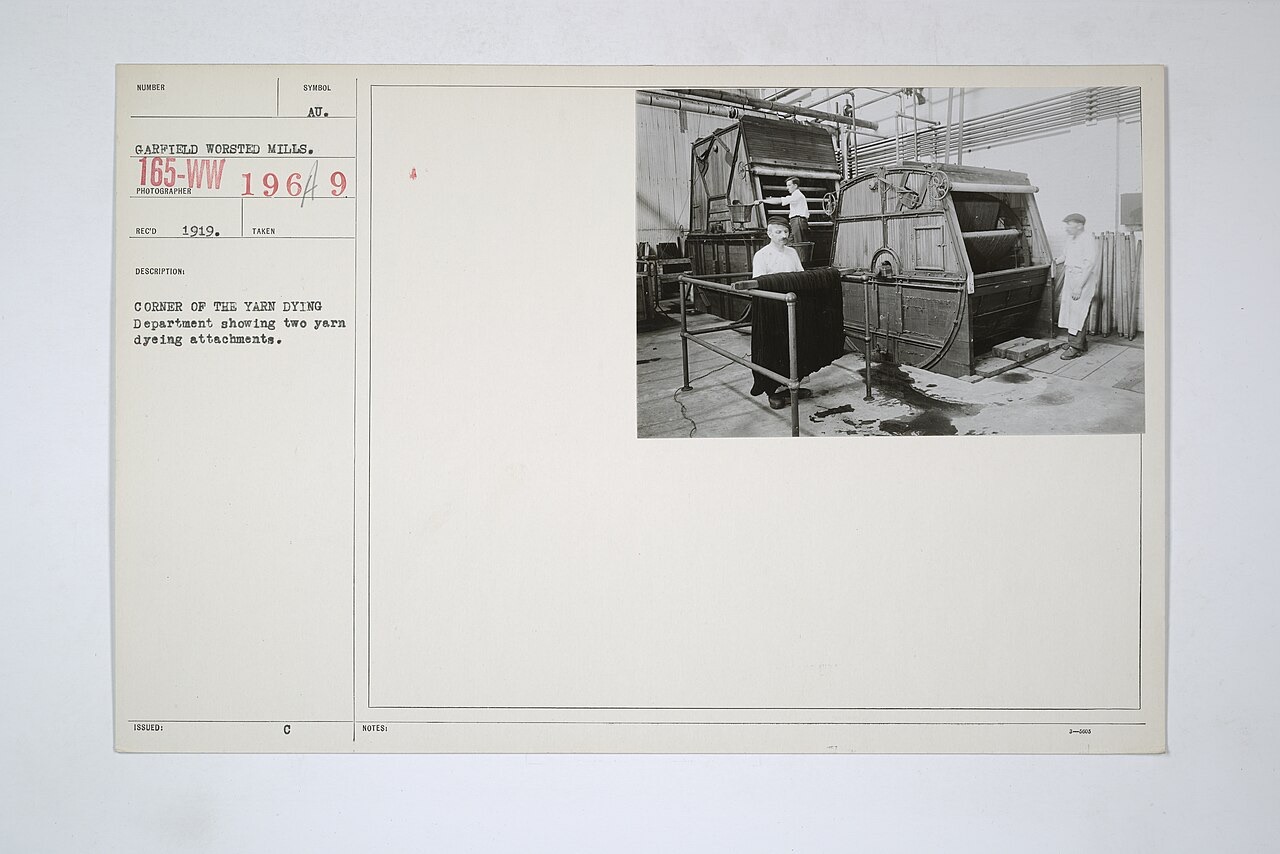
- Industries of War - Cloth - Garfield Worsted Mills - CORNER OF THE YARN DYING Department showing two yarn dyeing attachments: Photograph · Unknown author · Wikimedia Commons · Public domain
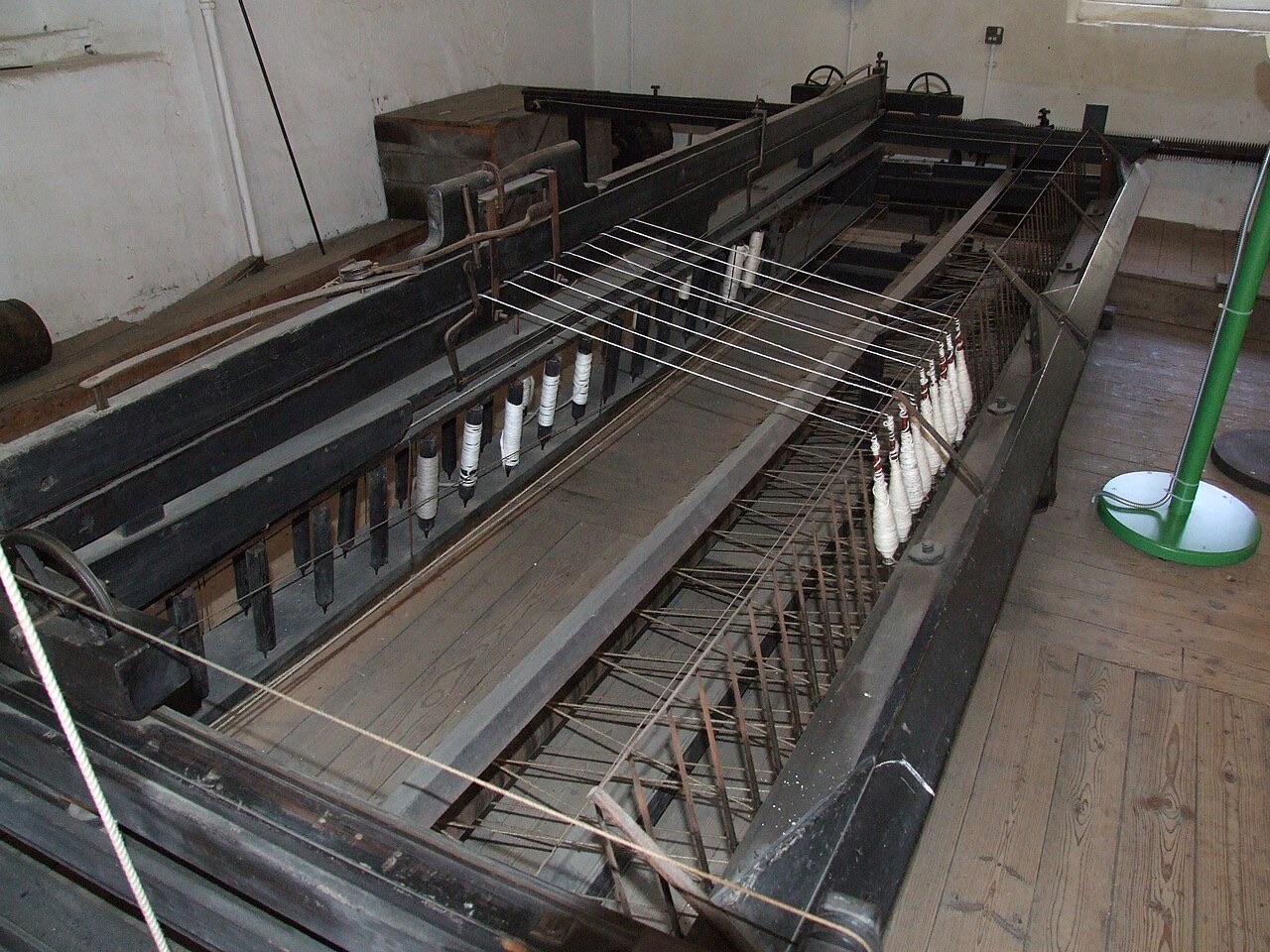
- Wool Spinning Jenny Helmshore 6156: Photograph · Clem Rutter, Rochester, Kent. · Wikimedia Commons · CC BY 3.0