Cloth maker · Mill
Harris Tweed
Harris Tweed is not a company but a legally protected cloth, pure wool dyed and spun in the Outer Hebrides and hand-woven in islanders' homes.
Harris Tweed is not a company but a protected designation. Under the Harris Tweed Act 1993 the cloth must be made from pure virgin wool dyed and spun in the Outer Hebrides and hand-woven by islanders in their own homes. Each length is inspected and stamped with the Orb mark.
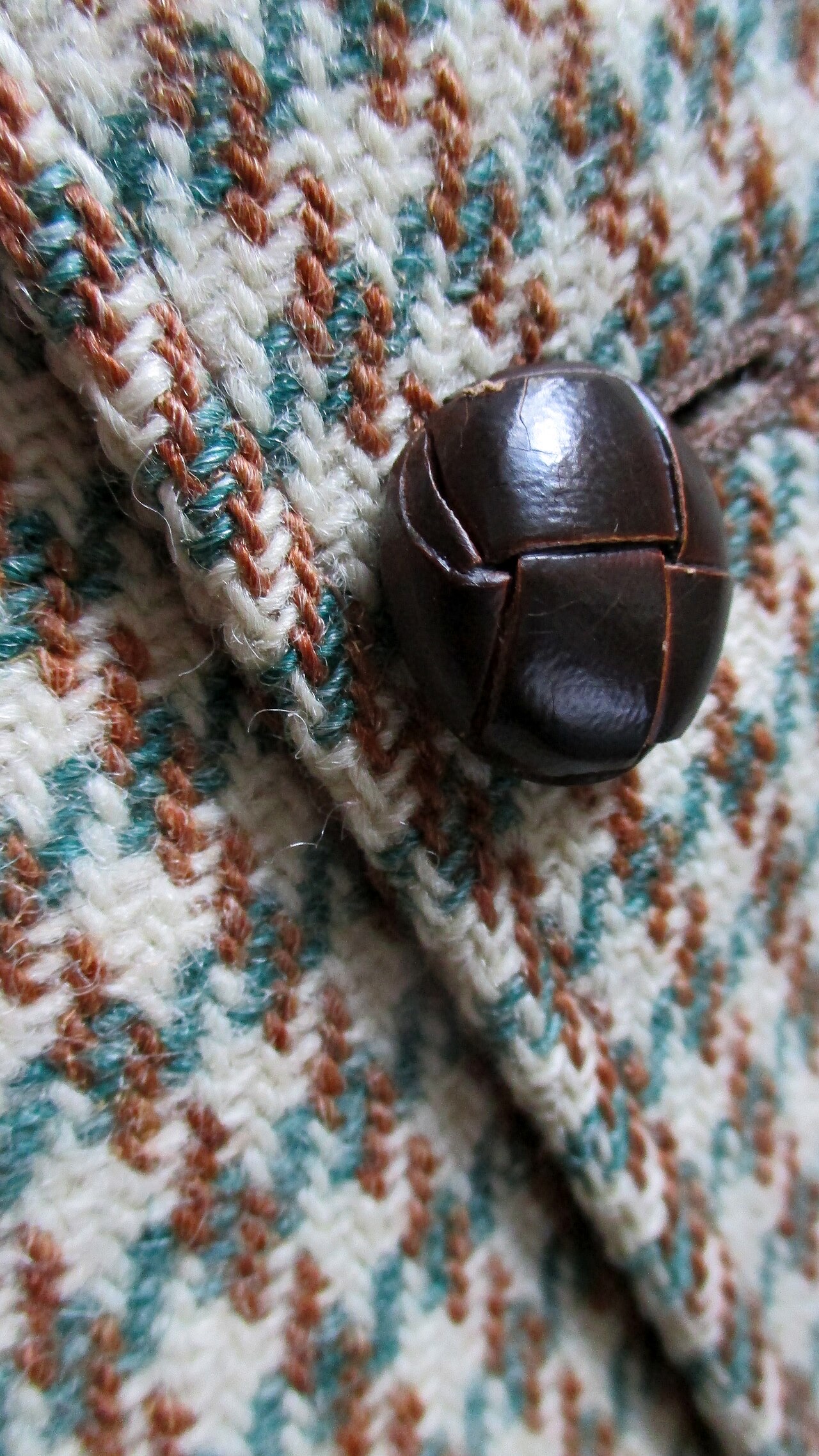
Protection in law
The 1993 Act defines Harris Tweed precisely and gives the Harris Tweed Authority the power to enforce it. Three conditions matter: virgin wool, dyed and spun in the Outer Hebrides, and hand-woven at the weaver's own home. Every finished length is inspected and carries the Orb. This makes the name genuinely informative in a way almost no other textile description is. It also means the cloth is produced under constraints (home weaving on treadle looms) that no ordinary business would accept, which is the point of the legislation.
The cloth itself
Coarse, dense, weather-resistant and heavier than most modern jacketing, with the flecked colour that comes from dyeing fibre before spinning. It softens over years rather than months, and it is the most durable jacketing cloth in ordinary use. It is also unmistakable, which is a limitation: a Harris Tweed jacket is a country jacket and reads as one wherever it is worn.
How it is actually made
Wool is dyed and blended, then spun, at mills in the Outer Hebrides. The warp is prepared and delivered to weavers, who weave the cloth at home on treadle-powered looms: one weaver, one loom, in a shed or an outbuilding. The woven cloth returns to the mill for finishing and inspection.
The Orb is applied only after that inspection. Weavers are self-employed and paid by the metre, which is an arrangement essentially unchanged for a century.
At a glance
Sources
- Harris Tweed Act 1993 , UK Parliament.
- The Orb mark and certification , Harris Tweed Authority.
Where a figure is disputed or a house has not published it, the page says so rather than choosing a number.
Picture credits 1
- Harris Tweed Sakko - Ausschnitt mit Lederknopf - Bild 001: Photograph · Lupus in Saxonia · Wikimedia Commons · CC BY-SA 4.0