Phong cách may · Japan
Japanese bespoke
European method treated as discipline: frequently more orthodox than the tradition it came from.
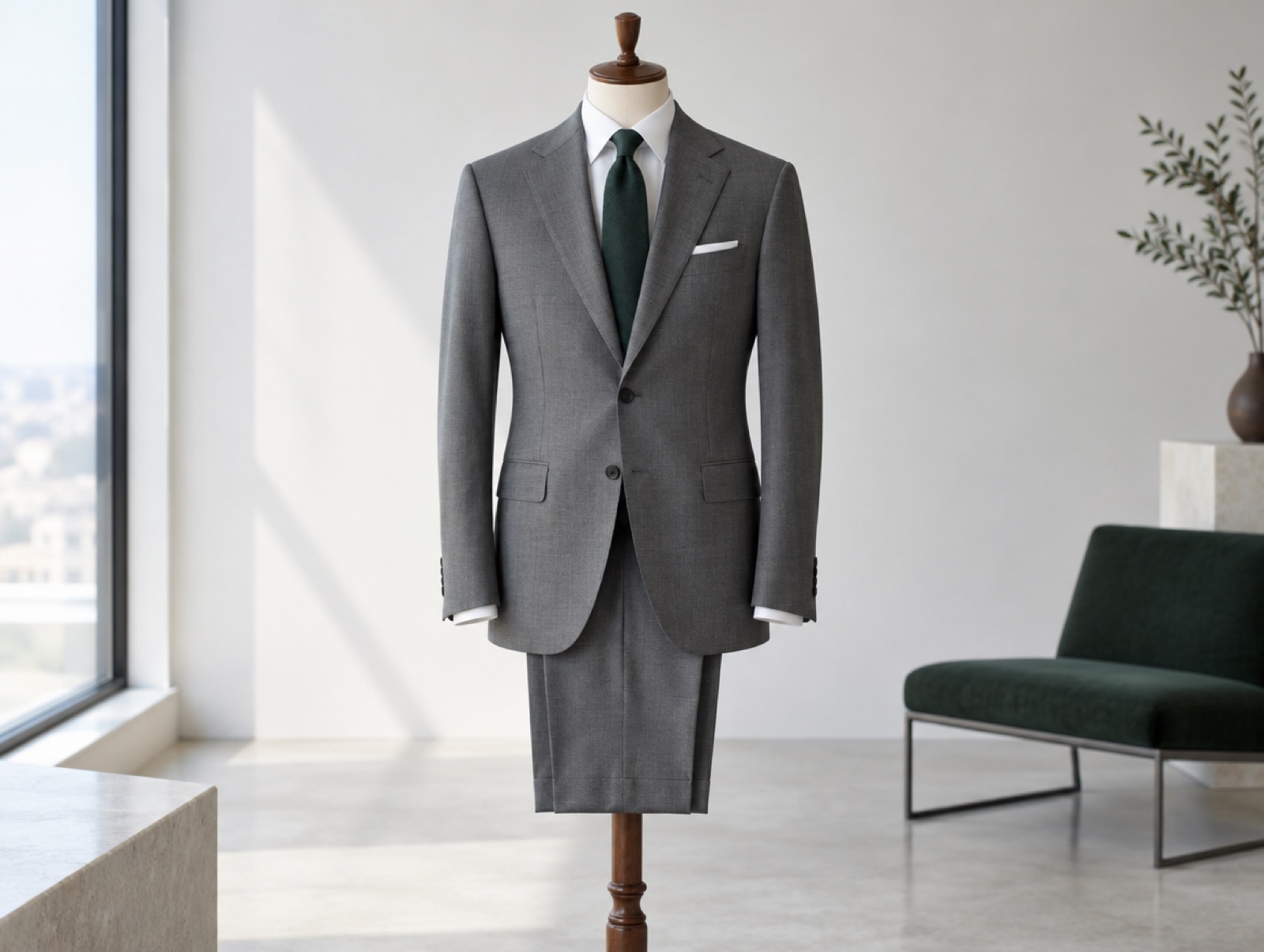
Japanese bespoke is not a distinct cut so much as a distinct relationship to method. Makers train in a European tradition (English, Florentine, Neapolitan, Viennese) and execute it with unusual fidelity and finish. In shoemaking the Japanese schools have become a reference in their own right.
Fidelity as a style
Because there is no inherited Japanese way of cutting a Western coat, Japanese makers learn one deliberately, and tend to keep it. A tailor who trained in Florence will cut a Florentine coat; one who trained in Naples will cut a Neapolitan one. The result is frequently a purer example of the style than the style's own city produces, since European workshops drift with their customers.
Where a Japanese signature does exist, it is in finish: an exactitude in the parts nobody sees, and a restraint in the parts they do.
Shoemaking
The clearest achievement. Japanese bespoke shoemaking barely existed in 1990 and now dominates international competitions. The recognisable house standard is a very close, sculpted waist, extremely fine hand welting, and a finish that is meticulous rather than flamboyant.
What is added
Finish, principally. The construction is whichever European method the maker trained in; what is layered onto it is a standard of execution in the small operations (stitch density, edge finishing, internal work) that the source tradition does not require.
The second addition is documentation. Japanese makers are markedly more forthcoming about method than their European counterparts, which is why so much of what is publicly known about these techniques comes from Japanese sources.
The limits of fidelity
There is a reasonable criticism to record: a tradition executed faithfully is not the same as a tradition developing. European workshops drift with their customers, and that drift is how a style stays alive.
The counter is that fidelity has preserved methods that were being lost at the source, and that a second generation of Japanese makers is now departing from what it learned. Both things appear to be true.
Tóm lược
Các nhà may hoạt động theo truyền thống này
 01
01
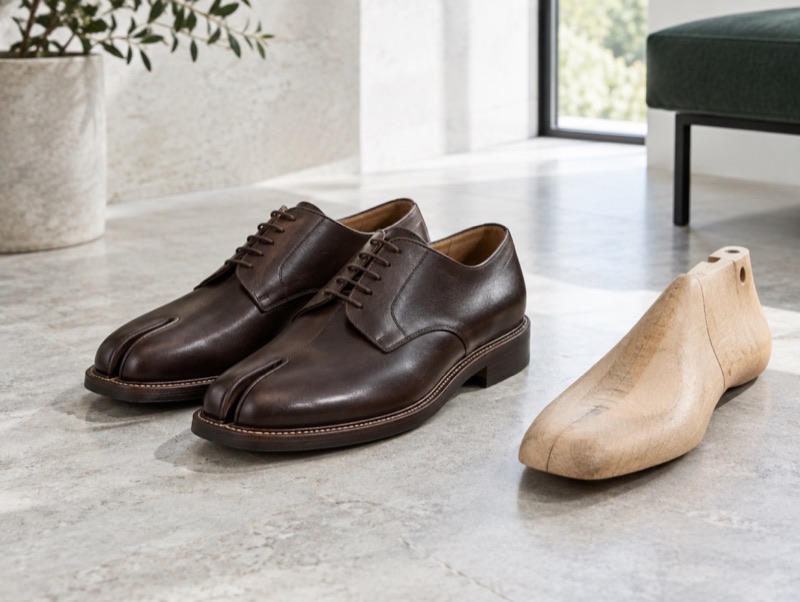
Hiro Yanagimachi
Hiro Yanagimachi is a small Tokyo workshop making custom shoes by hand, known for carefully designed shoe forms that follow the structure of the foot.
 02
02
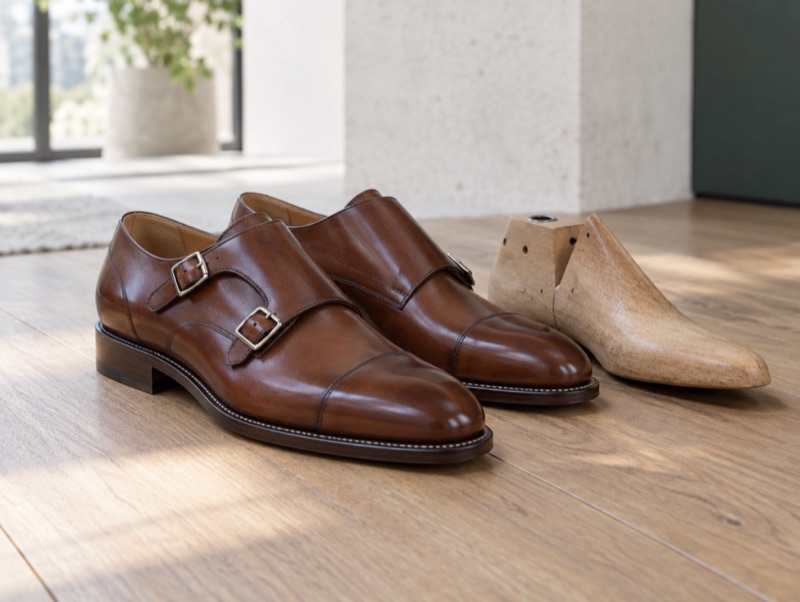
Yohei Fukuda
English method, Japanese execution, and one of the finest bespoke shoes made anywhere today.
 03
03
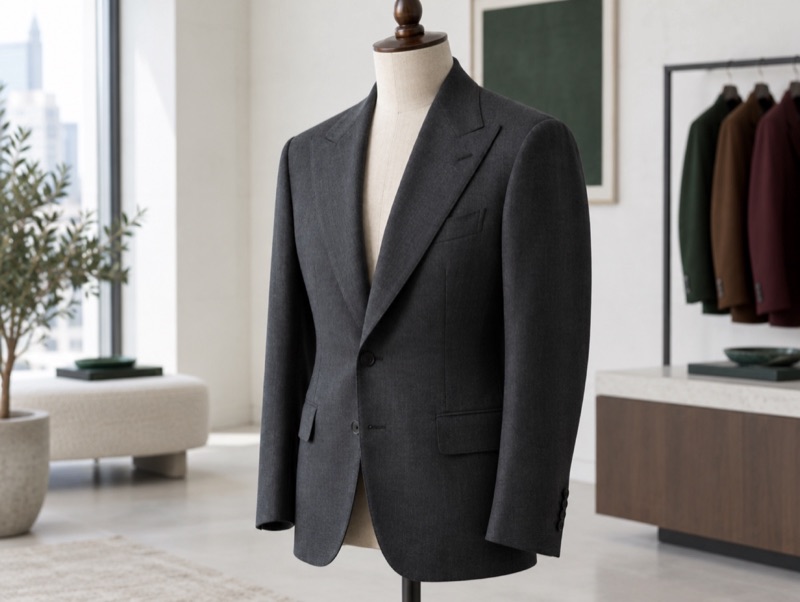
Sartoria Corcos
A Florentine coat cut in Tokyo, by a tailor who learned it in Florence.
Ghi công hình ảnh 4
- A precisely finished grey suit on a stand: Original art · Il Sartoriale · Il Sartoriale · Il Sartoriale original art
- An illustration of a welted shoe of the kind the house makes. Not a photograph of the house's own work.: Original art · Il Sartoriale · Il Sartoriale · Il Sartoriale original art
- An illustration of a welted shoe of the kind the house makes. Not a photograph of the house's own work.: Original art · Il Sartoriale · Il Sartoriale · Il Sartoriale original art
- An illustration of the house's recorded cut: soft shoulder, light canvas chest, florentine: wide lapel, rounded chest. Not a photograph of the house's own work.: Original art · Il Sartoriale · Il Sartoriale · Il Sartoriale original art