Tailoring style · South Korea
Contemporary Korean tailoring
A Neapolitan method re-cut for a different body, by a trade that is barely fifteen years old.
Korean bespoke is young, coherent and largely Italian in method. The characteristic coat is soft and lightly built like a Neapolitan one, but cut closer and shorter for a generally slimmer build, with a narrower shoulder.
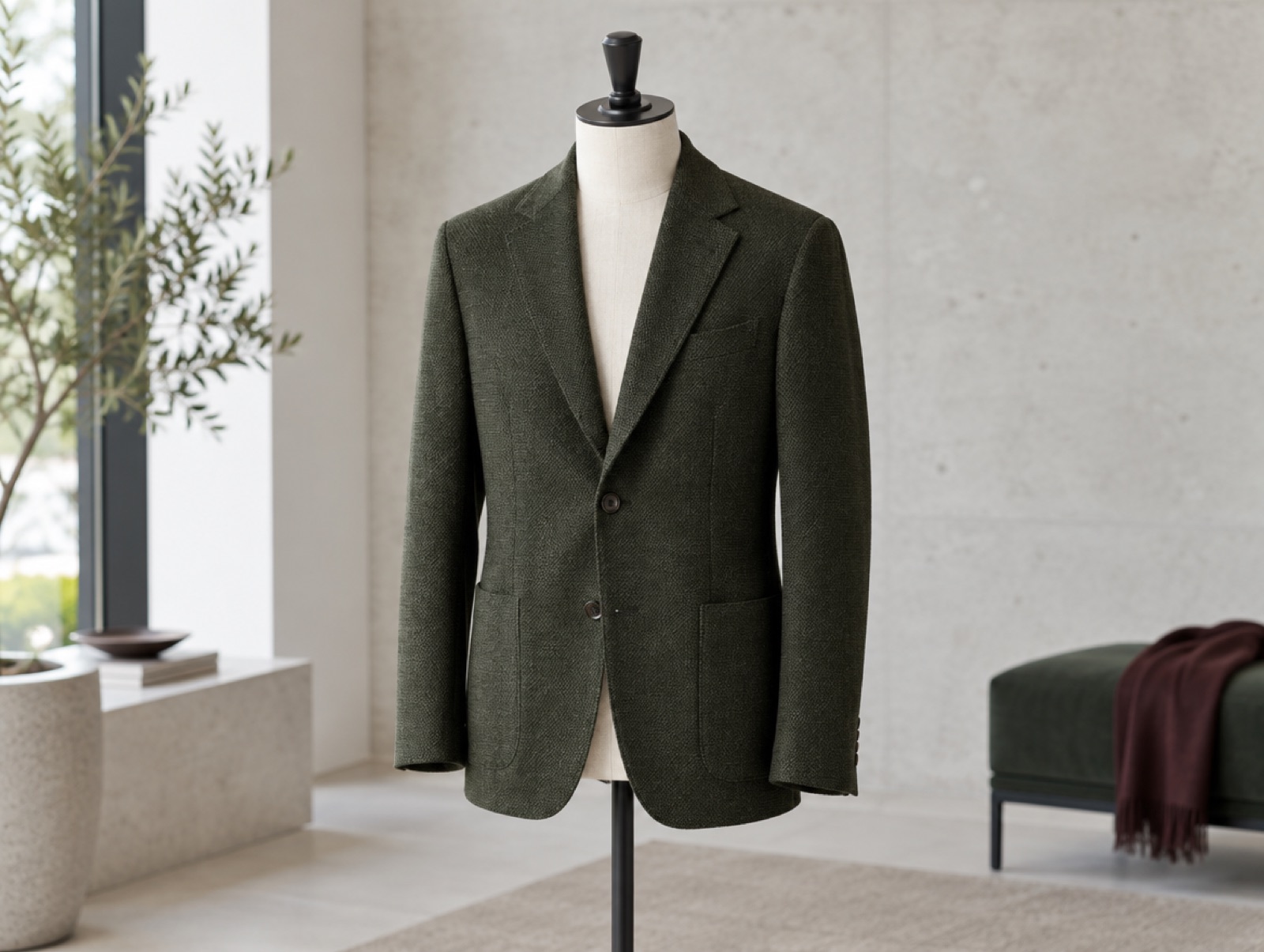
Adapting a pattern
The technical project of the Seoul trade has been taking a method developed for one population and cutting it for another. A Neapolitan block assumes a certain chest depth and shoulder width; applied unchanged to a slimmer, narrower frame it produces a coat that looks borrowed.
The adjustments (narrower shoulder, higher and closer waist, shorter length, reduced lapel width in proportion) are consistent enough across the Seoul workshops that the result reads as a recognisable local style rather than a set of individual solutions.
The technical adaptation
A narrower shoulder, a higher and closer waist, a shorter coat, and a lapel reduced in proportion: the adjustments a Neapolitan block needs to sit correctly on a slimmer, narrower frame.
Construction stays Italian: light or no canvas, unpadded shoulder, high armhole, extensive hand work. It is a pattern problem rather than a construction one, and it is what the Seoul trade has spent fifteen years solving.
How the scene works
Small workshops, largely founded by makers who trained in Italy, with a clientele built substantially through photographs shared internationally and a heavy travel schedule. That visibility is unusual for a tailoring trade and it has consequences: the scene is easier to research from outside than Naples is, and the aesthetic converged faster than it might otherwise have done.
At a glance
Houses working in this tradition
Picture credits 2
- A soft-shouldered jacket on a modern stand: Original art · Il Sartoriale · Il Sartoriale · Il Sartoriale original art
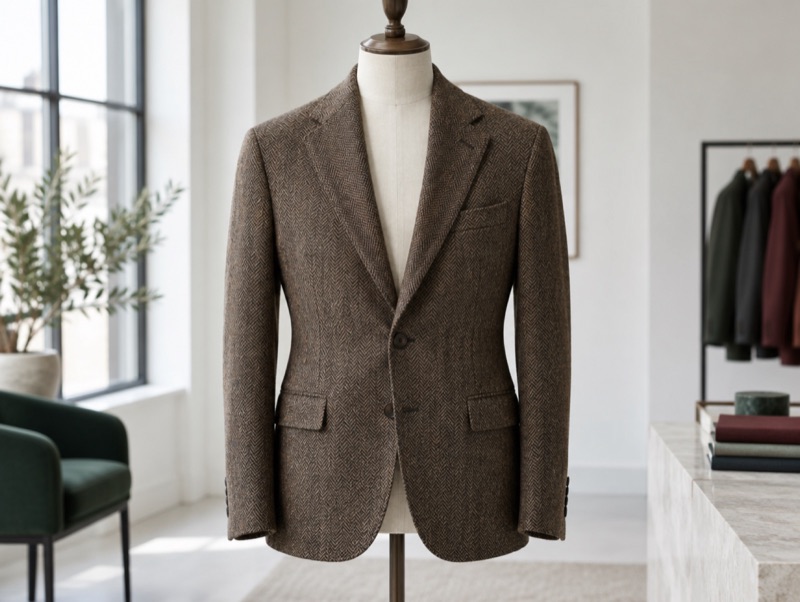
- An illustration of the house's recorded cut: soft shoulder, light canvas chest, soft, close and short. Not a photograph of the house's own work.: Original art · Il Sartoriale · Il Sartoriale · Il Sartoriale original art