Skip to content
Il Sartoriale The World of Fine Menswear
★
Il Sartoriale
Start here Bespoke tailors Shoemakers Shirtmakers Cloth makers & merchants Fabrics & materials
Craft How clothes are made Tailoring styles Craftsmen History
Clothing GarmentsAccessories BrandsPeople
Places CitiesCountries World map
Tools Find a tailor or shoemakerComparisons PricesGlossary LearnNews Ask the ArchiveAI agents ★ SavedFree API
About About usMethodology Editorial policy Sources Image licensing How we assess CorrectionsContact
Settings
Dark mode
Interface language

Guided view
New to this? Every page opens with a plain-language explanation before the detail begins, and technical terms are expanded where they appear.

Expert view
You already know the vocabulary. Straight to the substance, with the introductory explanations hidden. This is the default.

★ Your saved pages
470 entries across tailoring, shoemaking, cloth and craft Reference publication: we sell nothing and rank nobody for payment Every figure carries its source and the date it was checked

Bespoke tailor · Vienna · Founded 1858

Knize

Said k-NEE-tseh

A Viennese house behind an Adolf Loos shopfront, cutting a shoulder nobody else cuts.

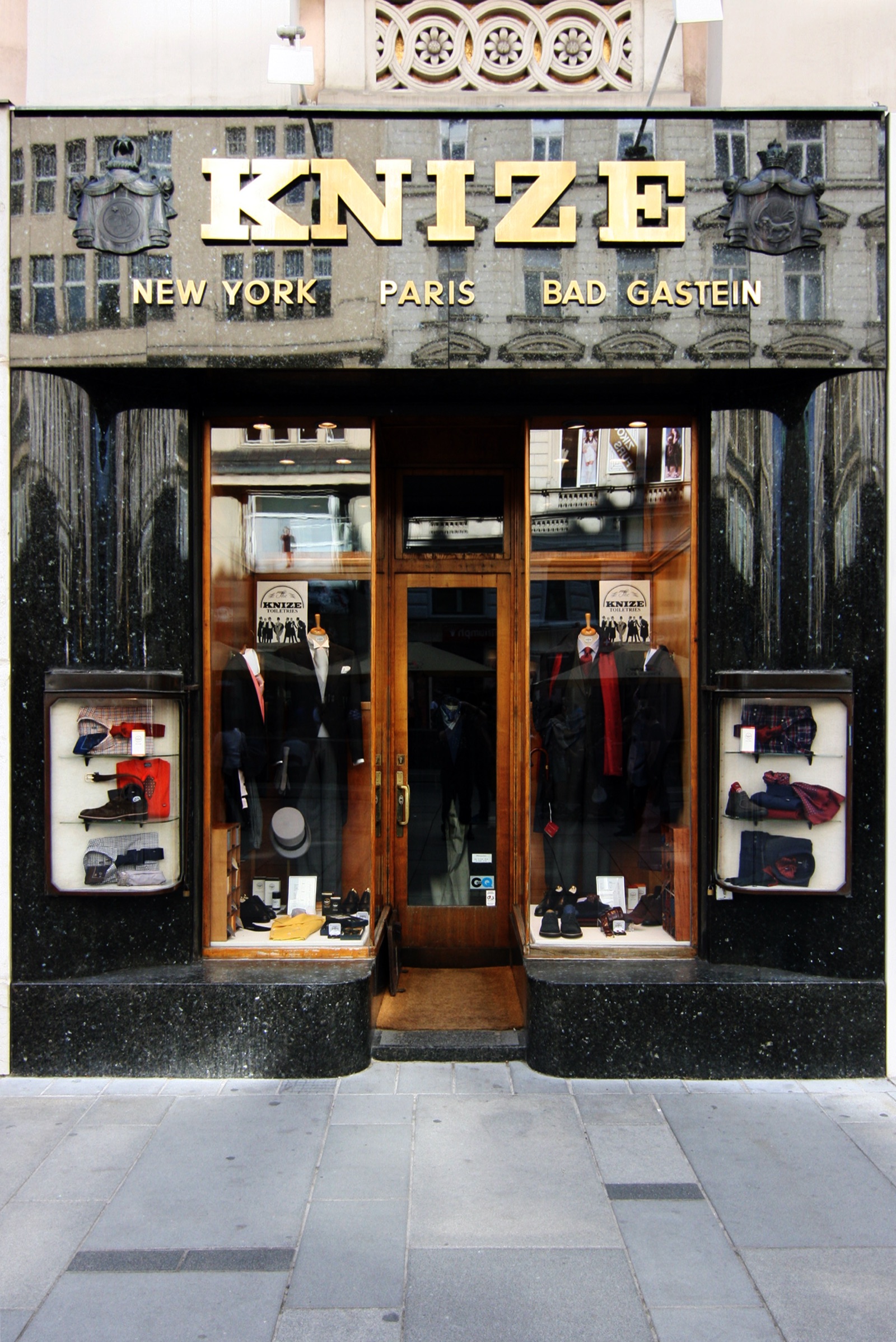
Knize is the best-known surviving Viennese tailoring house. Its Graben shopfront, designed by Adolf Loos in 1913, is a landmark of modern architecture, and the house cuts in the Viennese tradition: a high built shoulder, a very close chest, and hand finishing carried further than most.
BespokeMade-to-measureReady-to-wear
The Knize shop on the Graben, Vienna: the 1913 Adolf Loos shopfront in black Swedish granite with the brass lettering
Shop "Knize" by Adolf Loos
House style High built shoulder, very close chest shoulder: extended
Chest full canvas extensive handwork
Fittings 3–4 16–32 weeks
From $7,000 lowest documented, converted

The shop

Adolf Loos designed the Knize premises on the Graben in 1913, and it is one of the very few tailoring shops that is also a significant work of architecture: a dark, narrow, precisely proportioned interior that has survived largely intact.

The house itself dates from the nineteenth century and served the Habsburg court, which is the origin of its formal and ceremonial practice.

The house cut

A high, defined shoulder built up rather than padded flat, a chest cut very close, a marked waist and a relatively long skirt. Against an English coat it is higher and closer at the shoulder; against a Parisian one it is less rounded and more upright.

Internal finishing is carried to a degree that Viennese tailoring is specifically known for, including work on parts of the garment that will never be seen.

The Viennese coat

High and defined at the shoulder, very close through the chest, with an internal standard of hand work that even other bespoke traditions regard as excessive. It is a distinct school, not a variant of the German or English one, and there are very few workshops left cutting it.

The Loos interior

Adolf Loos's 1913 shop is a small, dark, precisely proportioned interior in mahogany and brass, and it is studied as architecture independently of what is sold in it. Loos wrote about men's clothing as well as buildings, and the connection is not incidental: his argument against ornament and his admiration for English tailoring are the same argument.

For a visitor to Vienna it is worth seeing whether or not a coat is being commissioned.

Natural
no padding · follows the body
Soft
a thin pad · a gentle line
Spalla camicia
sleeve gathered like a shirt
Roped
sleeve head rises in a ridge
Extended
built out past the shoulder
The shoulder, five ways Right shoulder, front-on; the dashed line is the wearer’s own. Spalla camicia is the Neapolitan signature. The roped shoulder is Roman and Parisian in origin, and Cifonelli’s is the best known. The extended shoulder belongs to the sharper end of Savile Row and to the Nutters silhouette. The shoulder is where a house’s cut is most visible and hardest to fake, because it is built inside the coat. Diagram drawn for Il Sartoriale.

The record

Founded
1858
City
Vienna · Graben
Country
Service levels
Bespoke · Made-to-measure · Ready-to-wear
Shoulder
Extended
Chest construction
Full canvas
Silhouette
High built shoulder, very close chest
Handwork
Extensive
Cutting in house
Yes
Sewing in house
Yes
Made in
Vienna
Fittings
3–4
Lead time
16–32 weeks
Ownership
— not stated by the house
Known for
Viennese · Formal Wear
Record confidence
MediumHow much of this record rests on primary sources rather than reporting.As of September 2026
Shopfront
Adolf Loos, 1913, a landmark of modern architecture
Character
High built shoulder, very close chest, exceptional hand finishing

These are not quotations. Prices below are the most recent figures we could attribute to a source, shown in the currency they were published in.

WhatServicePrice TaxObservedBasis
Two-piece bespoke suitAn indicative band, not a quotation. Bespoke entry prices normally exclude tax and cloth beyond the house bunch, and houses raise them without announcement. Bespoke €6,000–10,000 excludes VAT September 2026 Estimated-Range
Il Sartoriale compilation from publicly reported figures
Bespoke prices normally exclude cloth beyond a house bunch, alterations after delivery and shipping. Confirm with the house before commissioning.

Houses often considered alongside it

Grouped because they compete for the same commission or work in a comparable idiom: not a ranking, and not an equivalence.
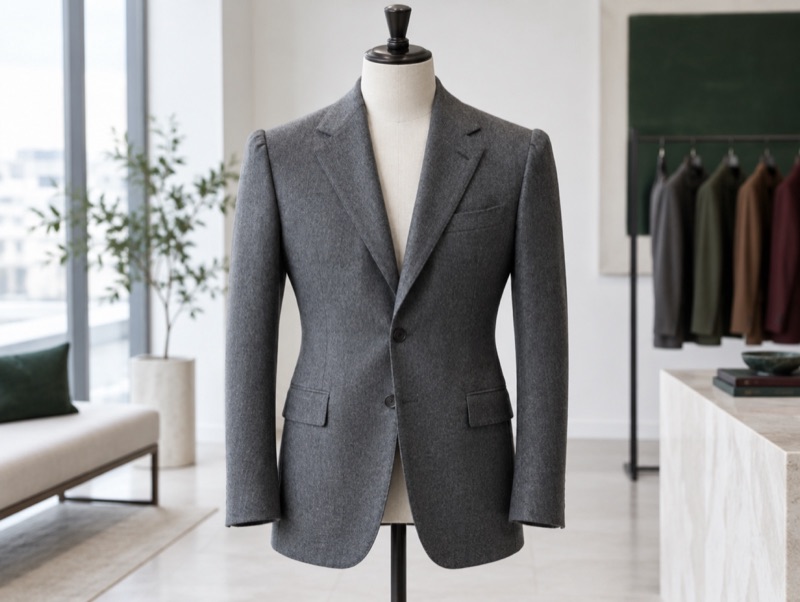
  1. An illustration of the house's recorded cut: roped shoulder, full canvas chest, sculpted shoulder, very clean close chest, high waist. Not a photograph of the house's own work. Cifonelli Paris · 1880

    Cifonelli is a Paris tailoring firm, founded by a Roman family in the 1920s, famous for a padded, rounded shoulder and a very close-fitting chest.

Last reviewed: September 2026 Prices and service details change; this page states the date each figure was observed. Report an error on this page
Picture credits 3
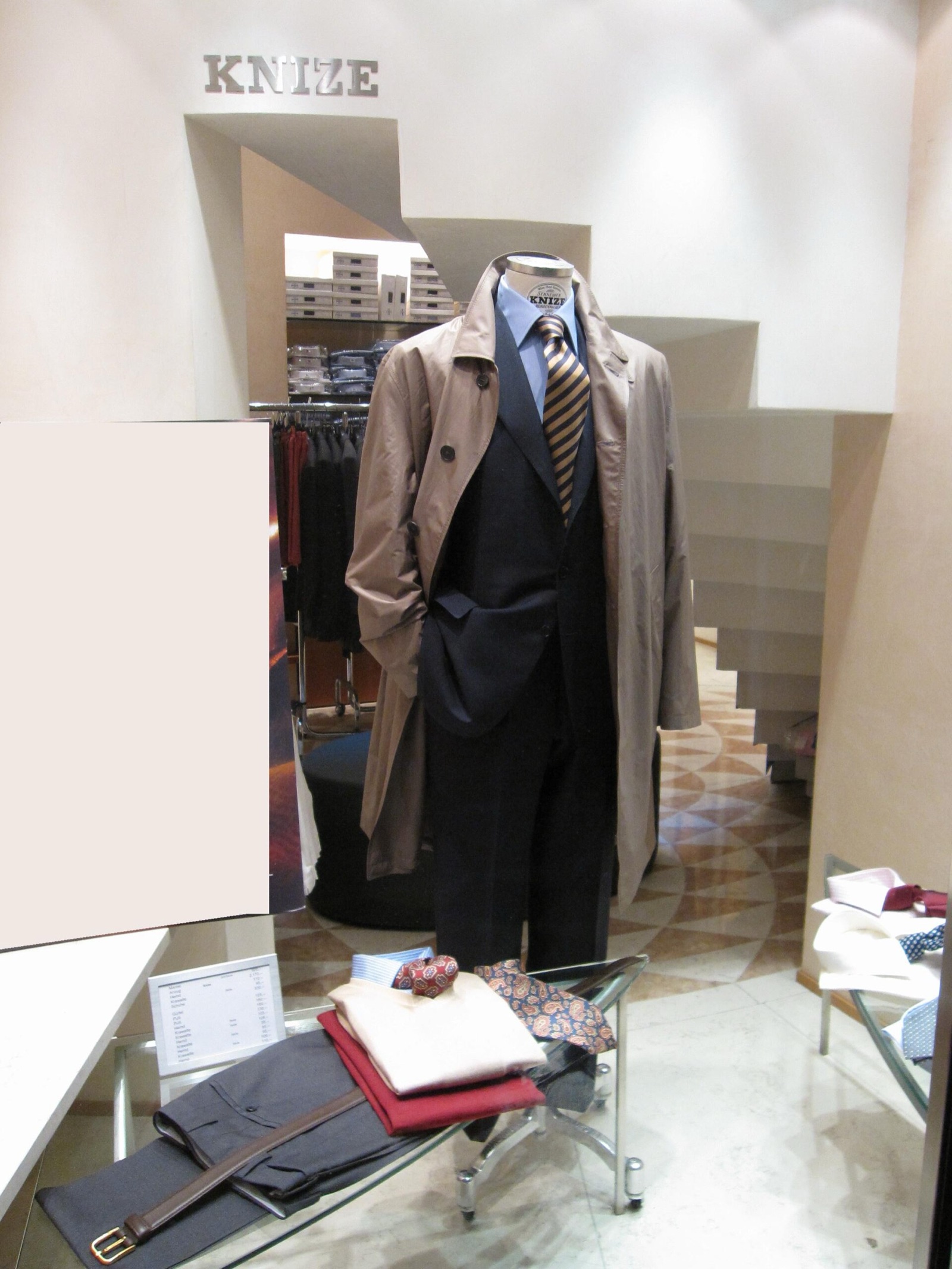
  1. Knize cossa: Photograph · C. Cossa · Wikimedia Commons · CC BY-SA 3.0 at
  2. Knize suit: Photograph · Gryffindor · Wikimedia Commons · CC BY-SA 3.0
  3. An illustration of the house's recorded cut: roped shoulder, full canvas chest, sculpted shoulder, very clean close chest, high waist. Not a photograph of the house's own work.: Original art · Il Sartoriale · Il Sartoriale · Il Sartoriale original art

Image policy