Quốc gia · Europe
Austria
Vienna has its own small school of tailoring, with tall strong shoulders, close-fitting chests and very fine hand sewing, kept alive by a few workshops.
Viennese tailoring is a genuinely separate school: a strong, tall shoulder, a close-cut chest and extremely fine handwork, in a city whose tailoring trade was once among Europe's largest. It survives in a small number of workshops, and its methods have travelled through the shoemakers as much as the tailors.
The Viennese cut
Habsburg Vienna supported an enormous clothing trade, and what remains of it is technically distinctive: a high, built shoulder, a very close chest, and a preference for hand-finishing carried further than almost anywhere. Knize, founded in the nineteenth century and given its famous Adolf Loos shopfront in 1913, is the house most often cited.
The Austrian influence on shoemaking is at least as important. Saint Crispin's, founded in Austria and now making in Romania, and the lineage of makers trained in the Austrian and Hungarian tradition, brought a particular approach to lasting and hand welting into the modern bespoke trade.
Loden and country dress
Austria's other export is a fabric and a wardrobe. Loden, a dense, boiled, felted wool with a hard weather-resistant face, and the traditional cut of Alpine country jackets have been absorbed into international menswear well beyond their origin, usually without attribution.
The shoemaking inheritance
Austria's influence on international shoemaking is arguably larger than its influence on tailoring. The Austrian and Hungarian lasting and welting tradition (hard-lasted, close-waisted, robust) runs through makers now working in Romania, Germany and Japan.
Saint Crispin's is the clearest example: founded in Austria, making in Romania, and producing hand-welted shoes to a method that would be recognisable to a Viennese maker of a century ago.
Hình ảnh
Cấp phép →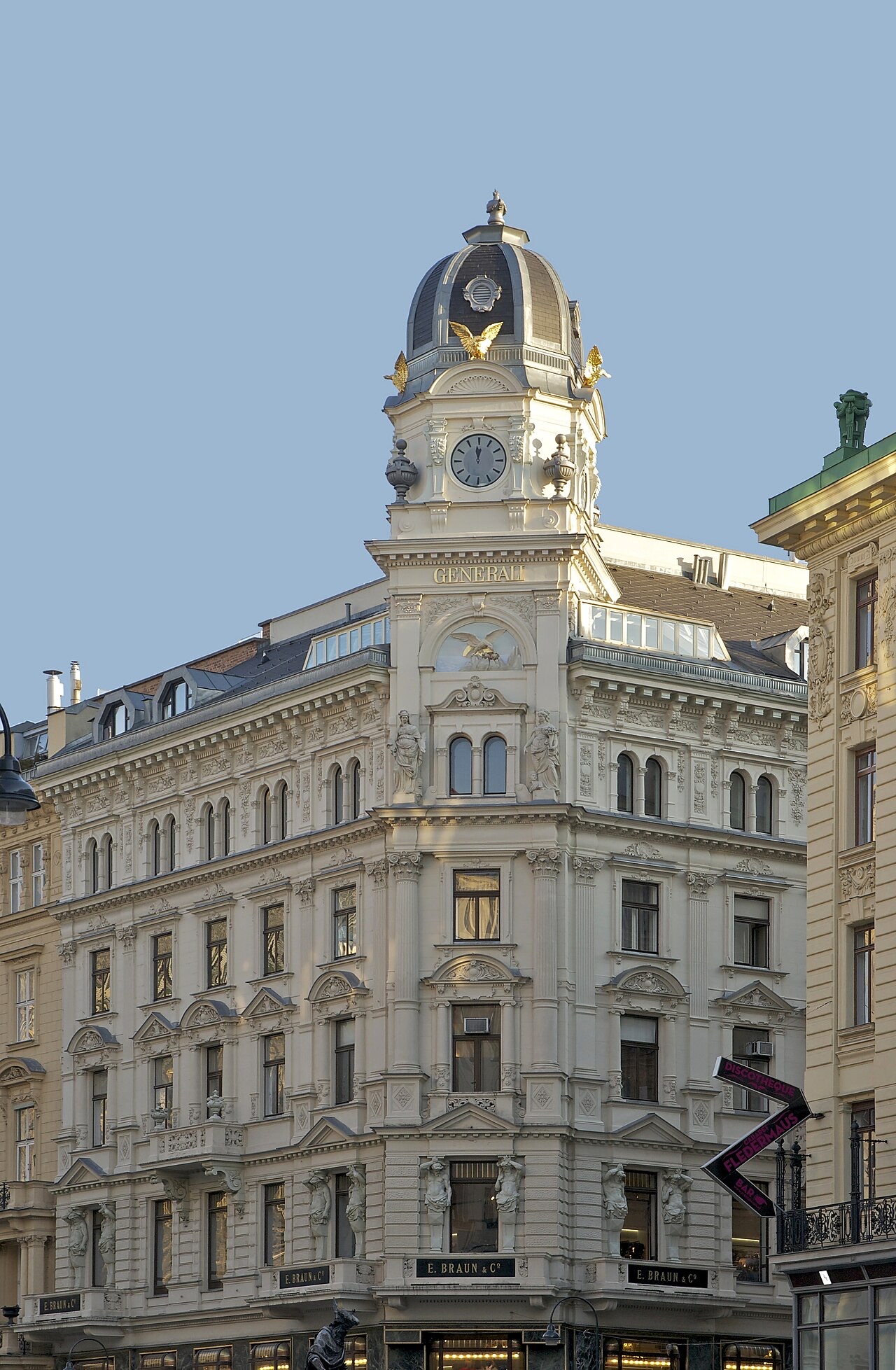
Tóm lược
Các thợ may bespoke trong Austria
Tất cả các thợ may bespoke →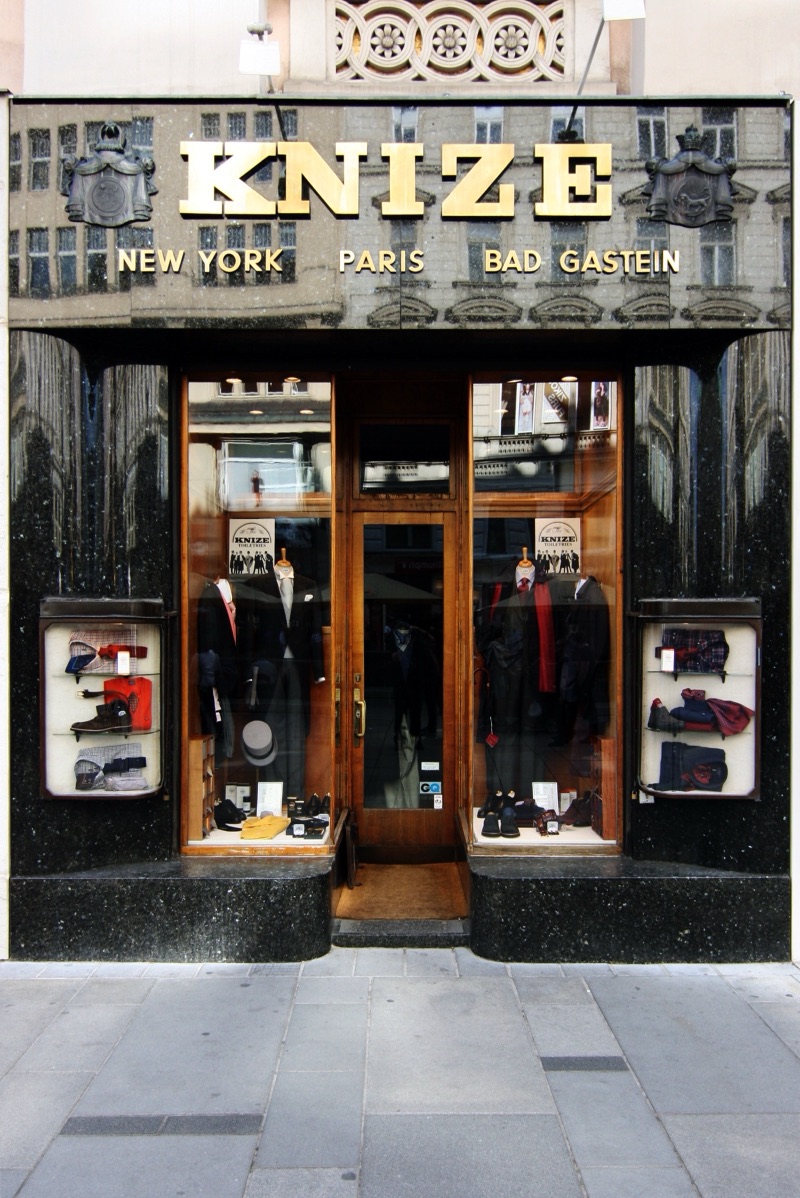
Thợ đóng giày trong Austria
Tất cả thợ đóng giày →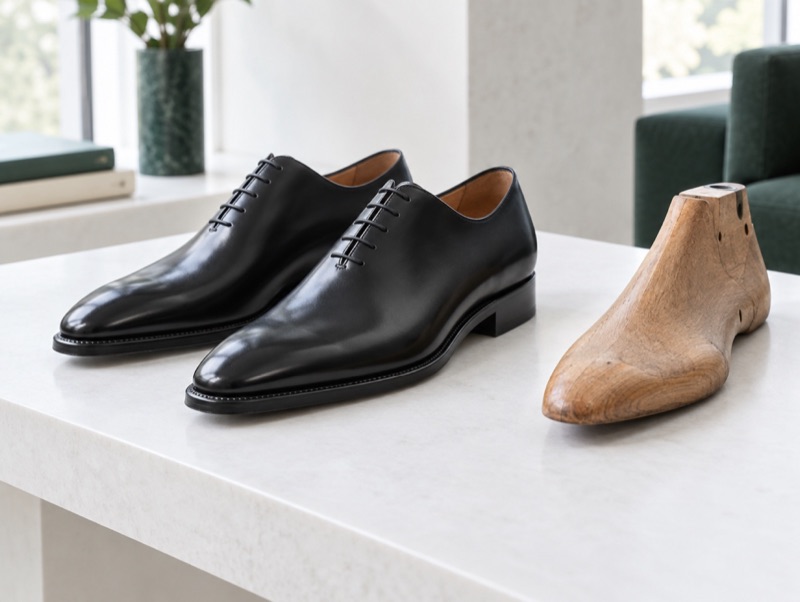
Thành phố
Ghi công hình ảnh 5
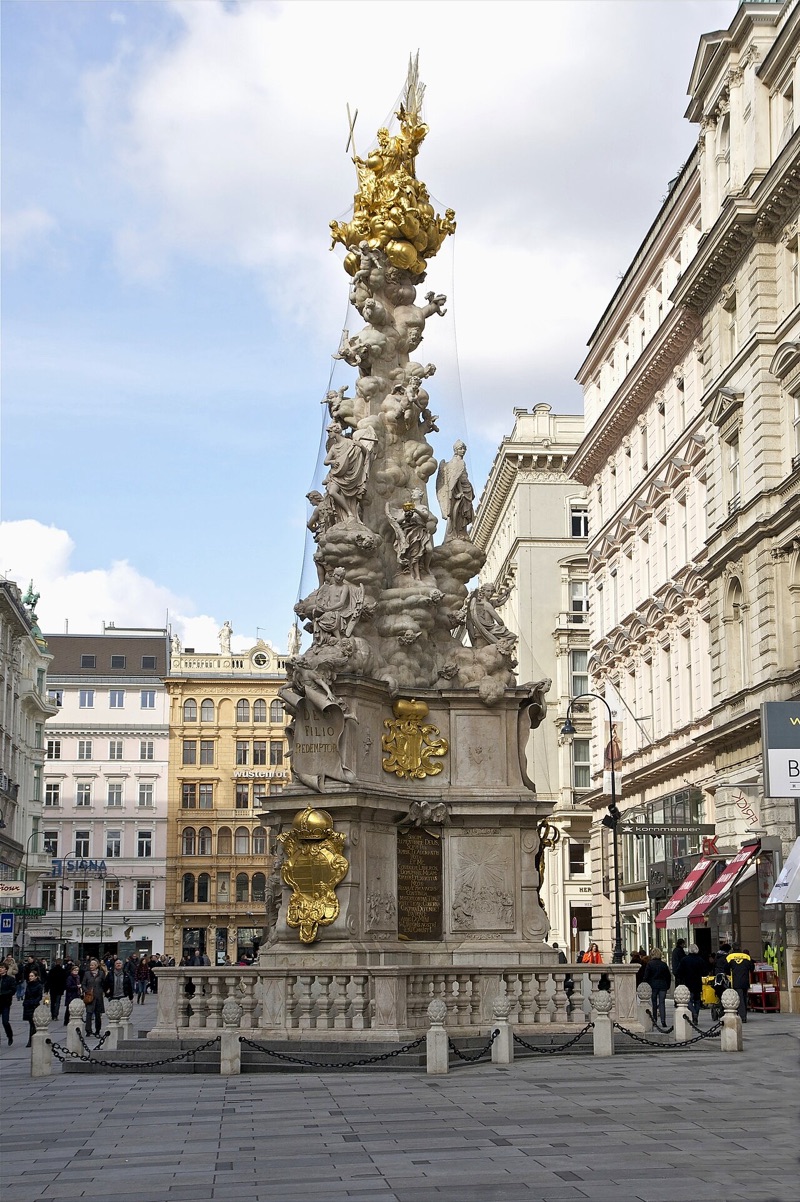
- PestSaüle Graben Vienna top: Photograph · Jebulon · Wikimedia Commons · CC0
- Immeuble building Graben Vienne: Photograph · Jebulon · Wikimedia Commons · CC0
- Knize cossa: Photograph · C. Cossa · Wikimedia Commons · CC BY-SA 3.0 at
- An illustration of a welted shoe of the kind the house makes. Not a photograph of the house's own work.: Original art · Il Sartoriale · Il Sartoriale · Il Sartoriale original art
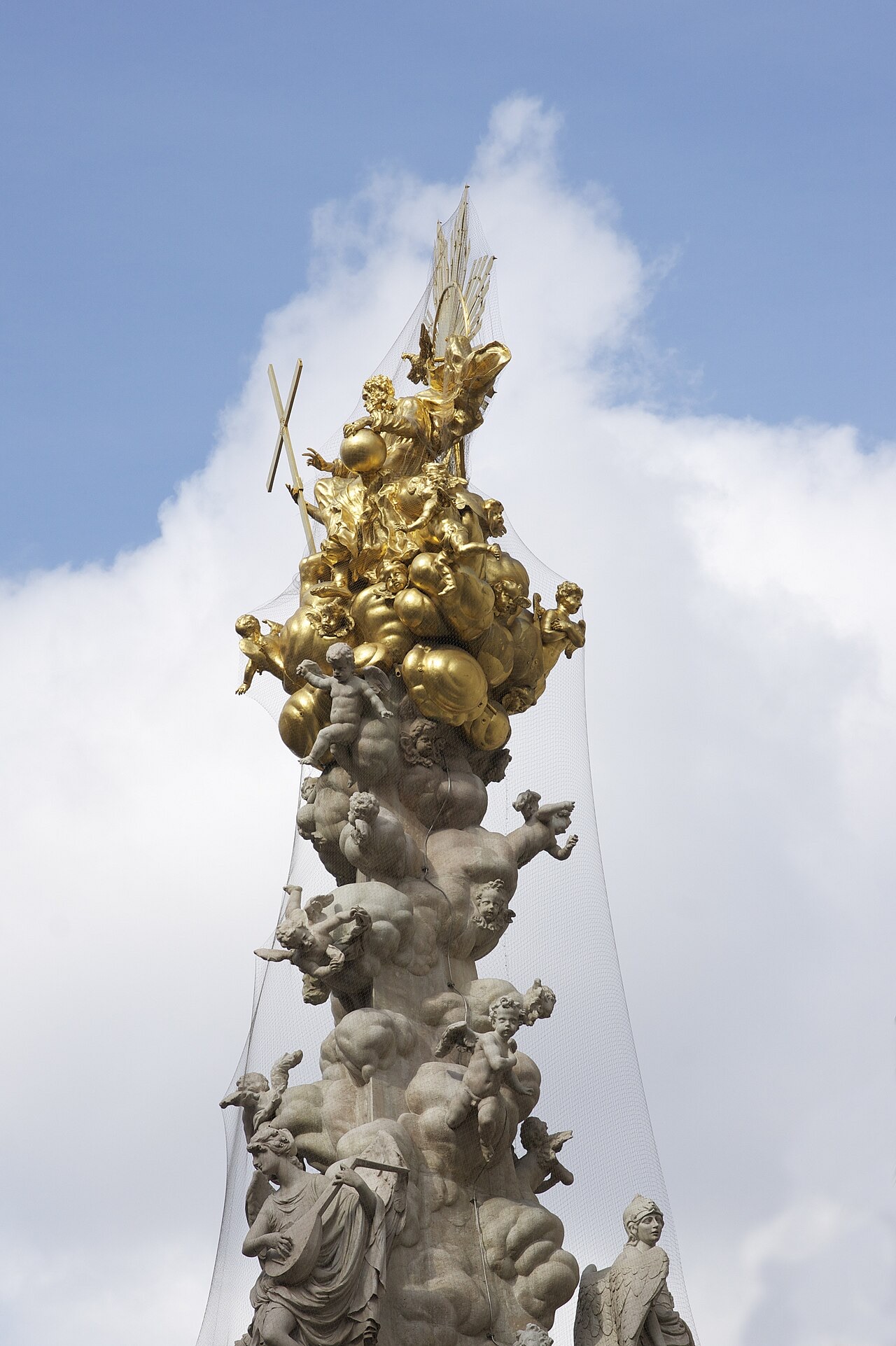
- Plague column pestsaüle Graben Wien Vienna Austria: Photograph · Jebulon · Wikimedia Commons · CC BY-SA 3.0