Country · Europe
Italy
Italy makes a large share of the world's fine menswear, with Naples, Milan, Florence and Rome each cutting jackets their own way.
Italy makes a large share of the world's fine menswear, but there is no single Italian style. Naples cuts a soft, light jacket built for heat. Milan cuts a cleaner, more structured one for business. Florence sits between them, Rome favours a long lean line, and the north also holds most of the mills that supply everyone else.
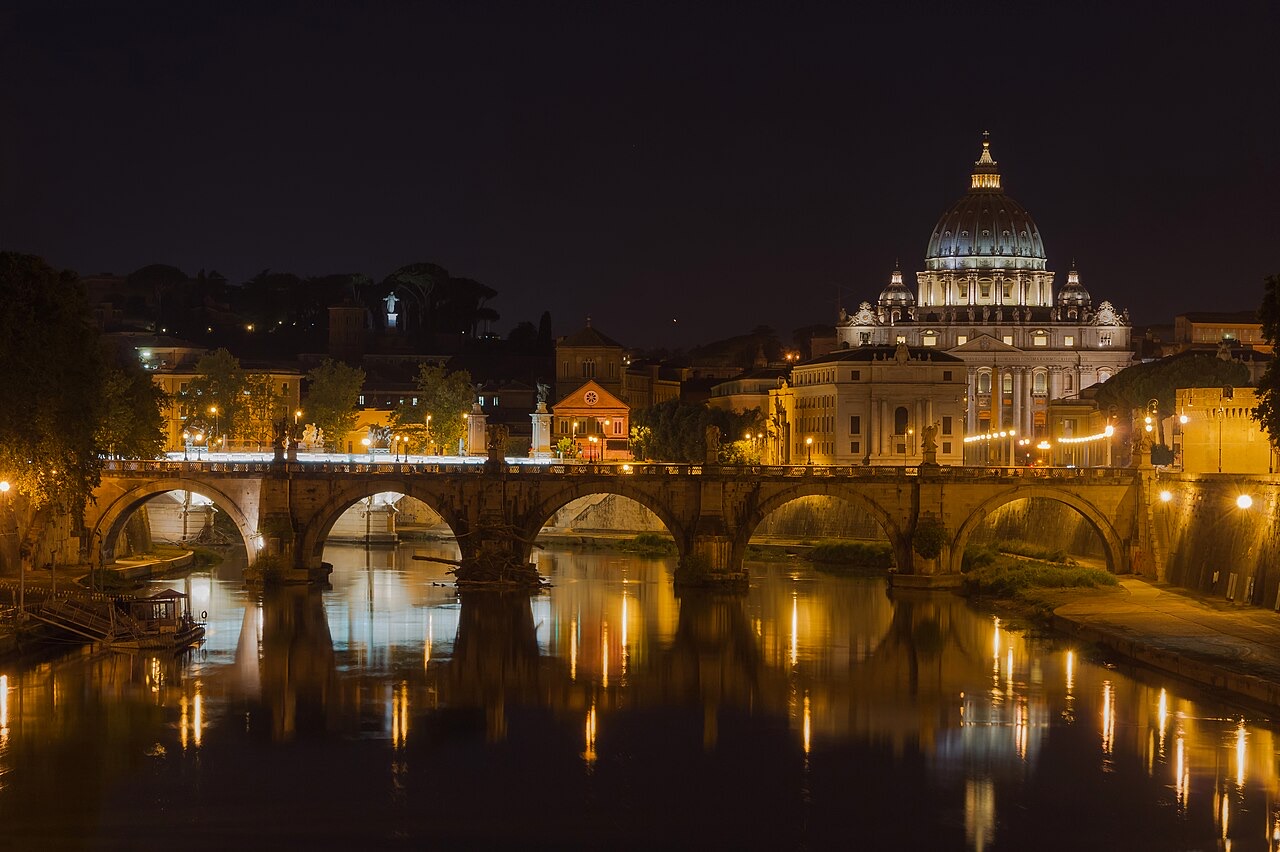
One country, several traditions
Talk about “Italian tailoring” long enough and someone from Naples will correct you. The distinctions are real and older than the modern country: Italy was a collection of states until 1861, and its tailoring workshops grew up serving different courts, climates and customers.
The clearest split runs north to south. Northern Italian tailoring (Milan above all) is structured, clean and aimed at a commercial customer who wants to look substantial in a boardroom. Southern tailoring, and Naples in particular, is soft, light and built around heat: less canvas, less padding, a shoulder that follows the body rather than correcting it. Rome and Florence have their own positions between the two, and each will tell you theirs is the balanced one.
Why the south went soft
The usual explanation is climate, and it is largely right. A Neapolitan summer makes a canvassed, padded, fully lined English jacket close to unwearable, and the local trade responded by removing weight wherever it could be removed without losing shape. The chest canvas thinned. The shoulder pad shrank and in many houses disappeared. Linings were cut back to a half or quarter. The sleeve was set into the body by hand with a small excess of cloth gathered at the head, which allows the arm to move without the shoulder lifting.
The second explanation is commercial. Naples in the twentieth century was not a rich city, and its tailors competed on making a customer look elegant in cloth he could afford, in a garment he would wear in the heat. Softness was a solution to a problem before it was a style.
The industrial half of the story
Italy's importance to menswear is not only artisanal. The Biella district in Piedmont, at the foot of the Alps, holds a concentration of spinners, weavers and finishers that supplies tailors and brands worldwide: Vitale Barberis Canonico, Loro Piana, Carlo Barbera and others within an hour of one another, drawing on the same soft Alpine water that made the district a textile centre centuries ago.
Alongside them sits a manufacturing sector that has no real equivalent elsewhere: firms such as Kiton, Brioni, Isaia and Attolini making large volumes of clothing to a standard of handwork that most countries only manage one garment at a time. That combination (mills, factories and workshops in the same country) is why so much of what is sold as English, French or American tailoring is in fact made in Italy.
What to be sceptical about
“Made in Italy” is a legal designation with a low bar. Under EU origin rules a garment generally takes its origin from where it is made up (sewn), so the cloth and even the cutting can come from elsewhere. The phrase tells you less than the price implies, and it is worth asking specifically where cutting and sewing take place.
The word sartoria is similarly unregulated. It appears on shops that cut every garment by hand for one customer and on shops that take measurements and send them to a factory. Neither is dishonest (made-to-measure is a legitimate product), but the two are not the same thing, and the sign says the same word.
The regional map, roughly
| Tradition | Shoulder | Chest | Character |
|---|---|---|---|
| Neapolitan | Natural or shirt-shoulder, often unpadded | Light or absent canvas, short quarters | Soft, high armhole, built for heat |
| Roman | Lightly built, clean | Structured but not heavy | Long, lean, close through the waist |
| Milanese | Defined, moderately padded | Full canvas, clean chest | Businesslike, precise, less obviously handmade |
| Florentine | Soft to moderate | Full canvas, wide lapel | Rounded, generous, distinct from both neighbours |
At a glance
Bespoke tailors in Italy
All bespoke tailors →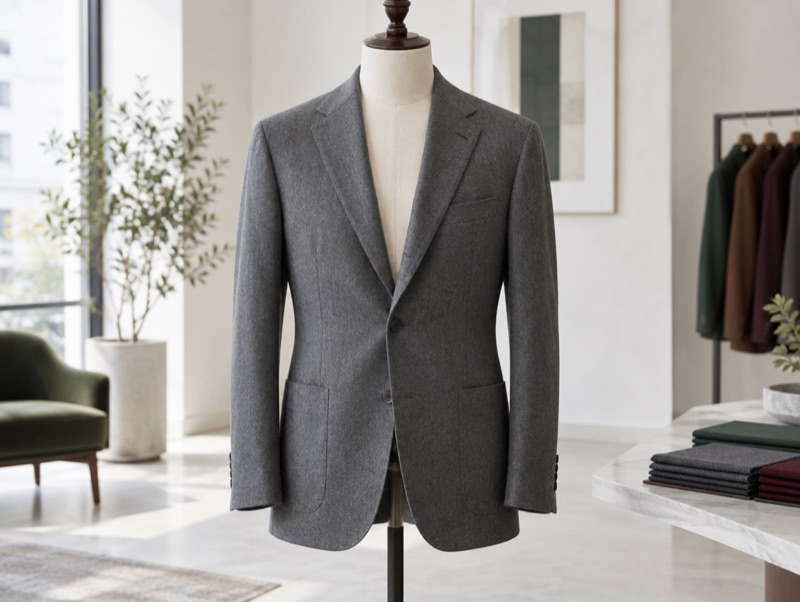 01
Rubinacci
Rubinacci is one of the best-known tailoring houses in Naples, founded in 1932, where the soft Neapolitan jacket without heavy padding is generally said to have been developed.
 02
Cesare Attolini
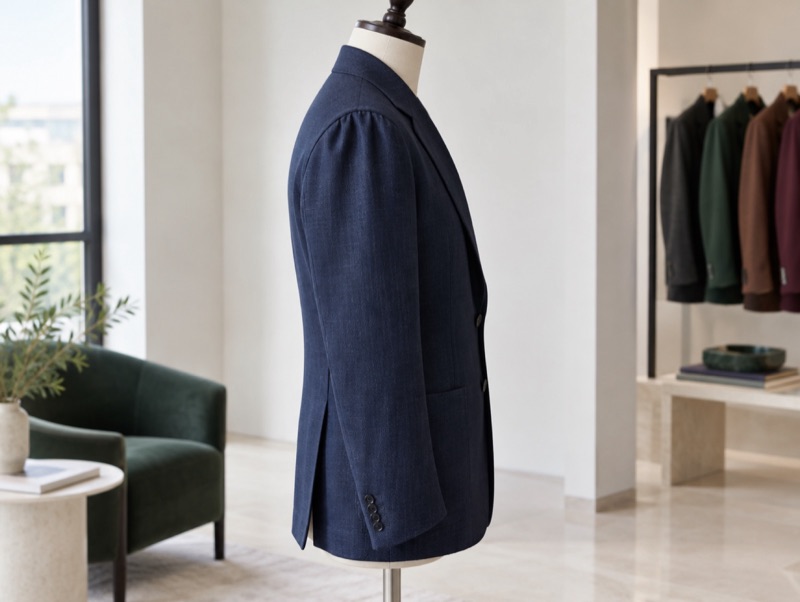
Cesare Attolini is a Neapolitan clothing house run by descendants of the creator of the soft Neapolitan jacket, and it produces in volume while keeping much of the work done by…
 03
Sartoria Dalcuore
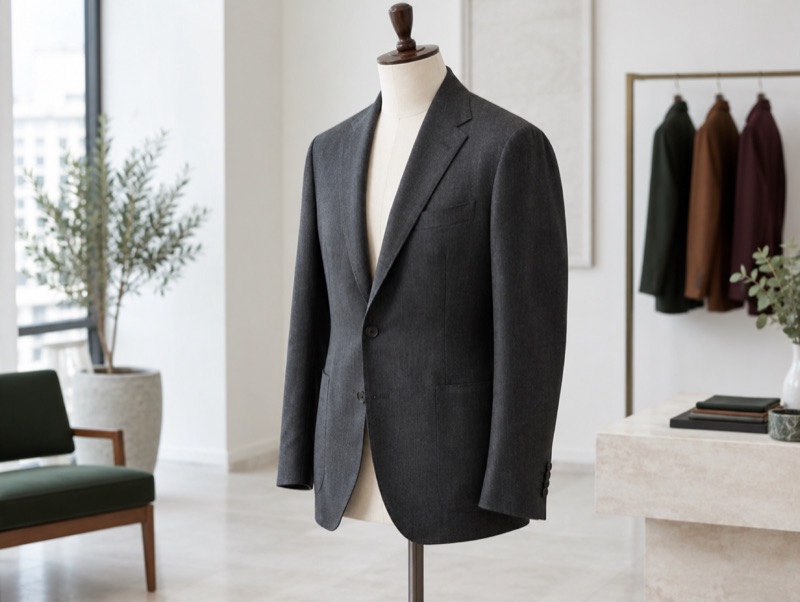
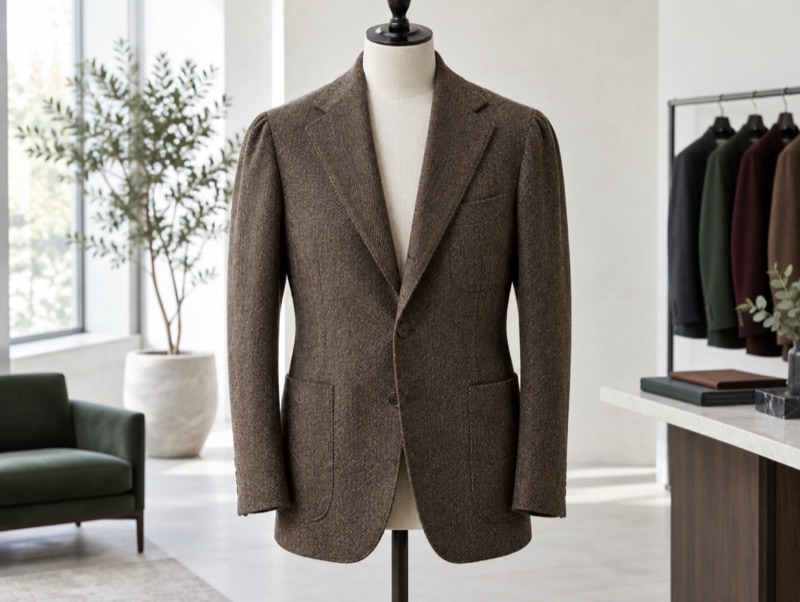
Sartoria Dalcuore is a Naples tailor founded by Luigi Dalcuore, known for soft, well-proportioned jackets and fine handwork, which also makes its own ready-to-wear.
 04
Orazio Luciano
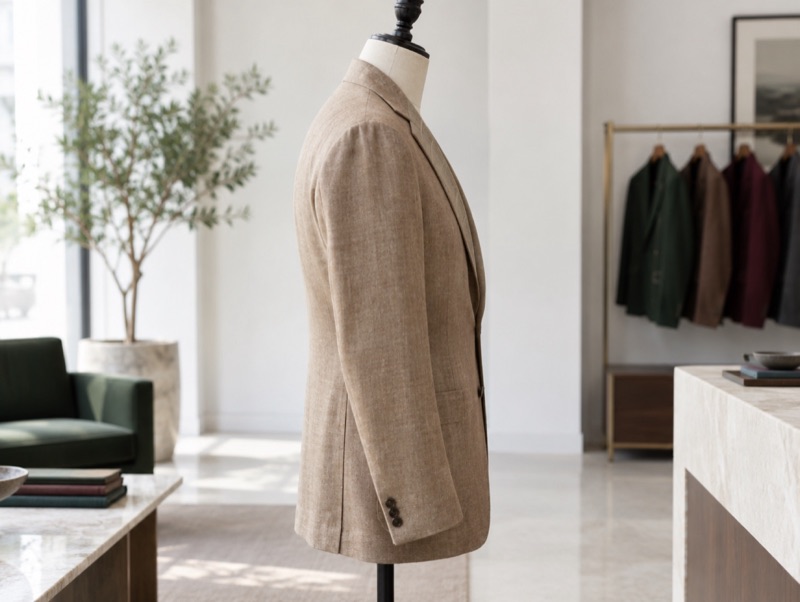
Orazio Luciano is a Neapolitan family workshop making soft, hand-finished jackets and suits, founded in 1992 by a former Kiton cutter, and most people discover it through shops…
 05
Sartoria Solito
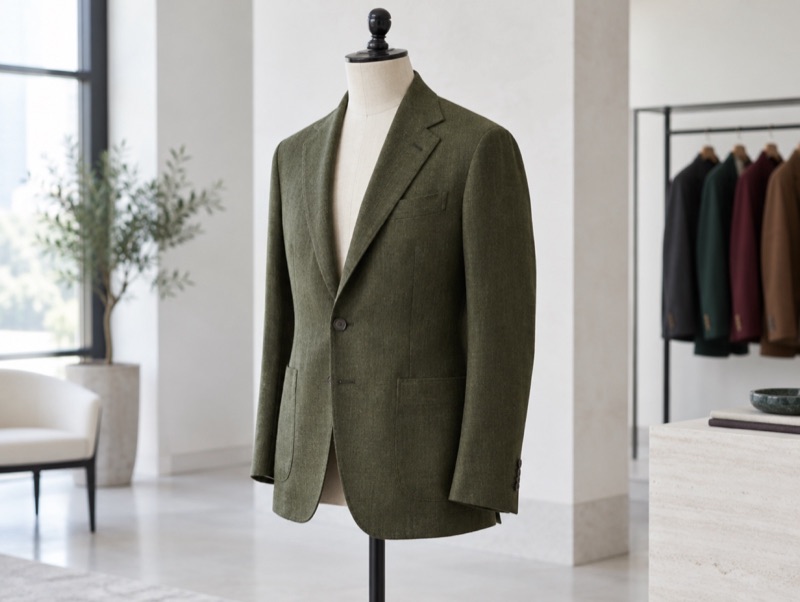
Sartoria Solito is a small family tailor in Naples making very traditional jackets, run by Gennaro Solito and his son Luigi.
 06
Sartoria Panico
Sartoria Panico is a small Naples tailoring workshop run by Antonio Panico, who was master cutter at Rubinacci for more than twenty years and cuts a classic Neapolitan jacket.
-
 Sartoria Formosa
Naples
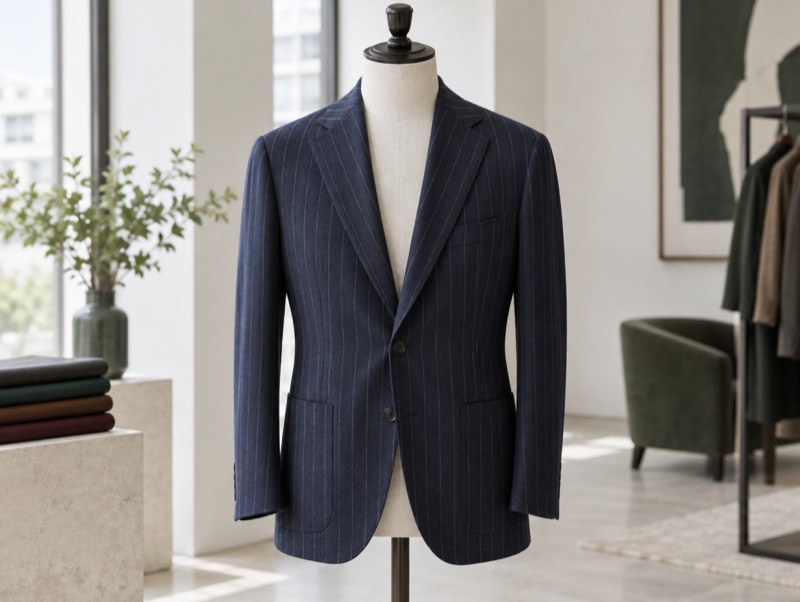
Sartoria Formosa is a Naples tailor founded in 1965 by Mario Formosa, making soft, lightly built jackets to order alongside a ready-to-wear line.
-
 Sartoria Ciardi
Naples
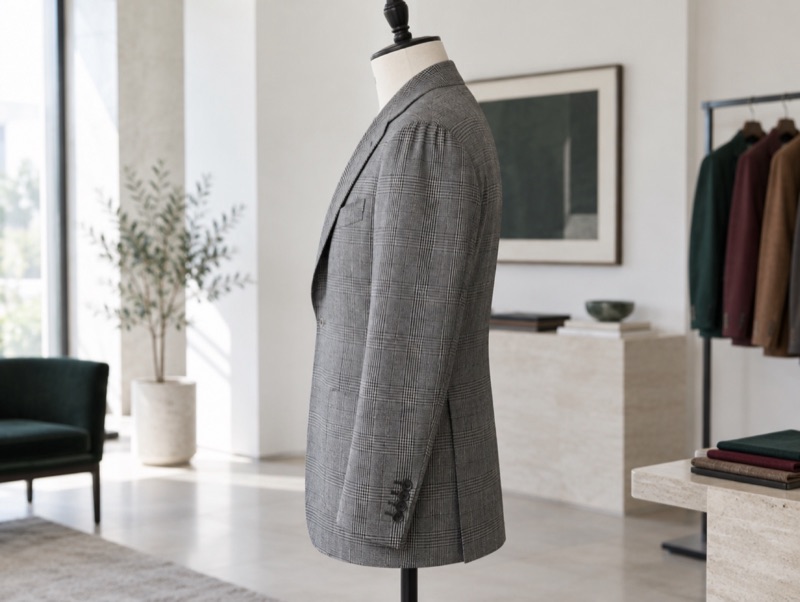
Sartoria Ciardi is a second-generation family tailor in Naples making soft jackets, and it also holds fittings for customers abroad.
-
 A. Caraceni
Milan
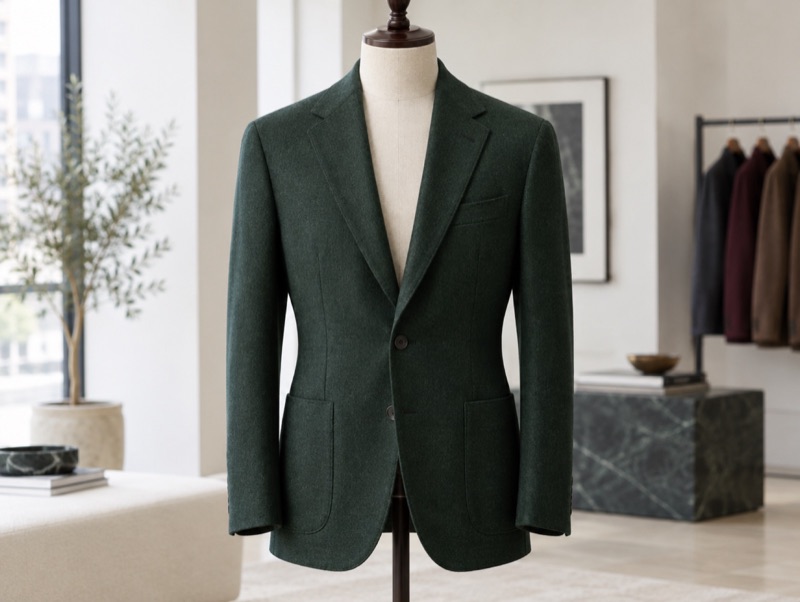
A. Caraceni is a Milan tailoring house, one of several family firms sharing the Caraceni name, making clean, firmly built jackets, founded in 1946 by Augusto Caraceni.
-
Liverano & Liverano
Florence · 1948
The house that made Florentine tailoring internationally legible: wide lapel, round chest, rounded quarters.
-
Ferdinando Caraceni
Milan
Ferdinando Caraceni was a separate Milan tailor making clothes to individual order, founded by Ferdinando and continued by his daughter Nicoletta until its closure was announced…
-
Musella Dembech
Milan
Musella Dembech is a small father-and-son Milan tailor whose jackets combine a high gorge with a soft shoulder.
-
Tommy & Giulio Caraceni
Rome
Tommy & Giulio Caraceni is the separate Rome business carrying the Caraceni name, founded in 1963 and making clothes to individual order in the Roman style.
-
Sartoria Corcos
Florence · 2011
A Florence workshop run by a Japanese tailor who learned his trade in the city.
Shoemakers in Italy
All shoemakers →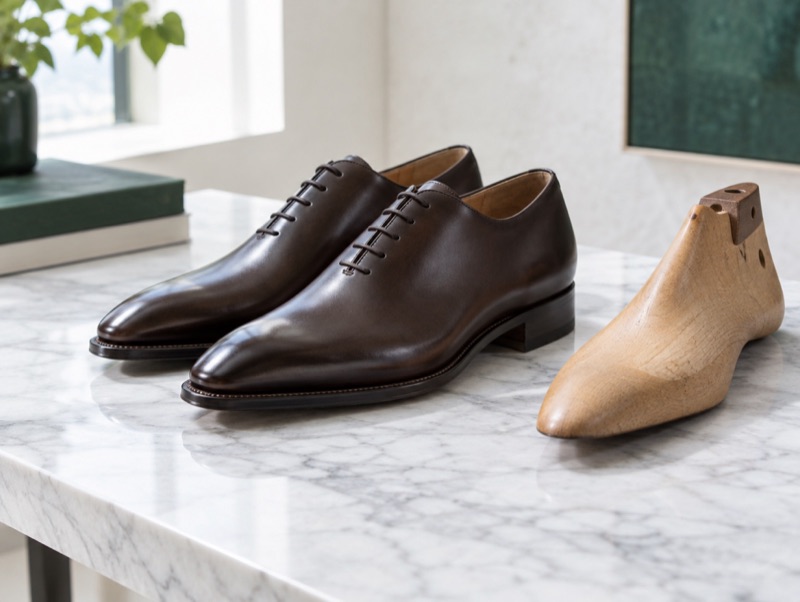 01
Stefano Bemer
Stefano Bemer is a Florence shoemaker known for refined shoes made by hand to each customer's measurements, and it now also runs a shoemaking school.
 02
Antonio Meccariello
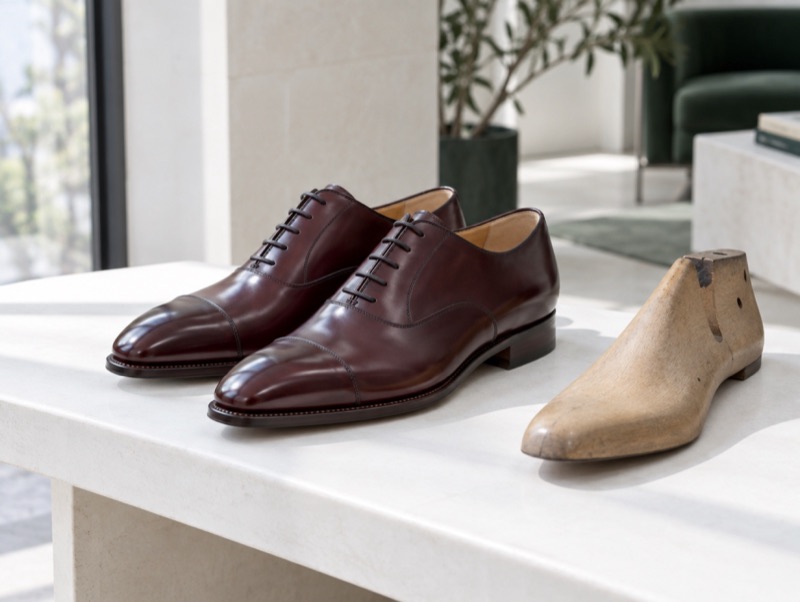
Antonio Meccariello makes custom, made-to-order and ready-made shoes by hand in Campania, southern Italy, and charges far less than comparable makers.
 03
Paolo Scafora
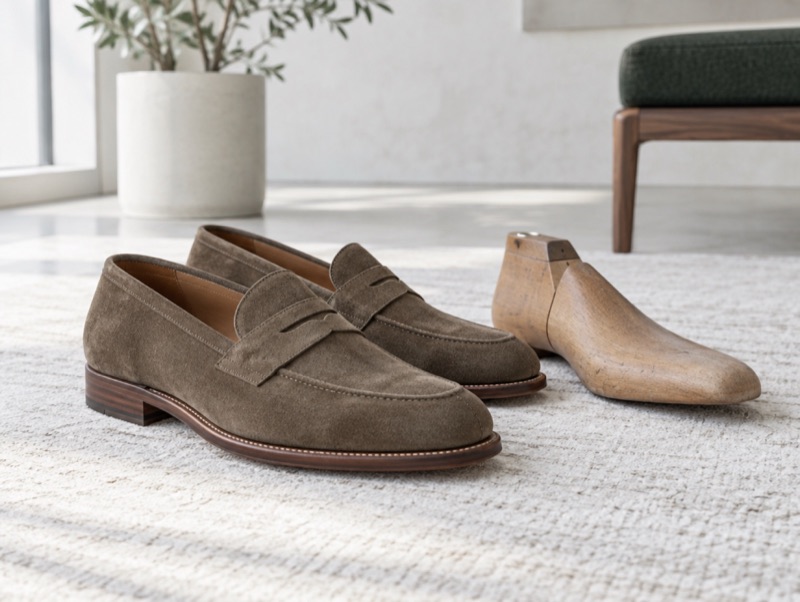
Paolo Scafora is a family shoemaker near Naples, known for hand-applied colour and distinctly Italian proportions.
Shirtmakers in Italy
All shirtmakers →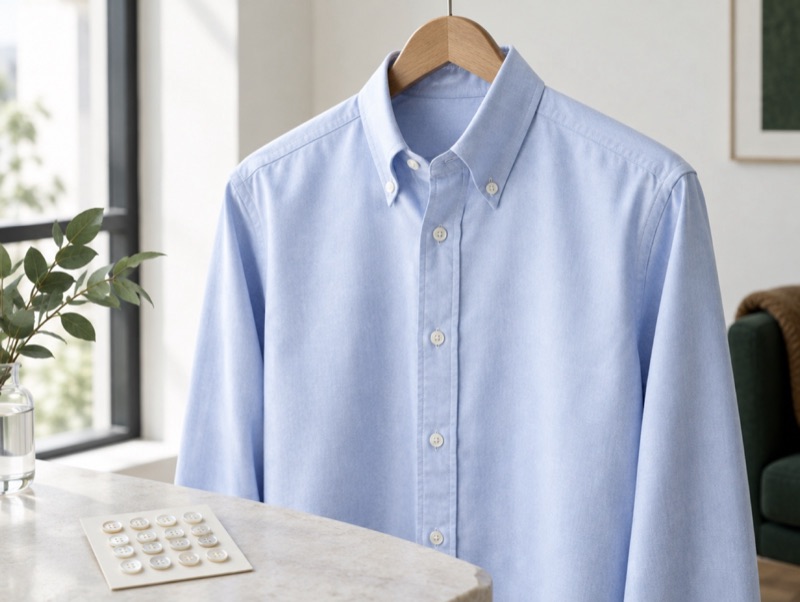 01
Anna Matuozzo
Anna Matuozzo is a Naples shirtmaker, a family business where the founder works with her daughters, whose custom shirts have unusually much hand sewing.
 02
D'Avino
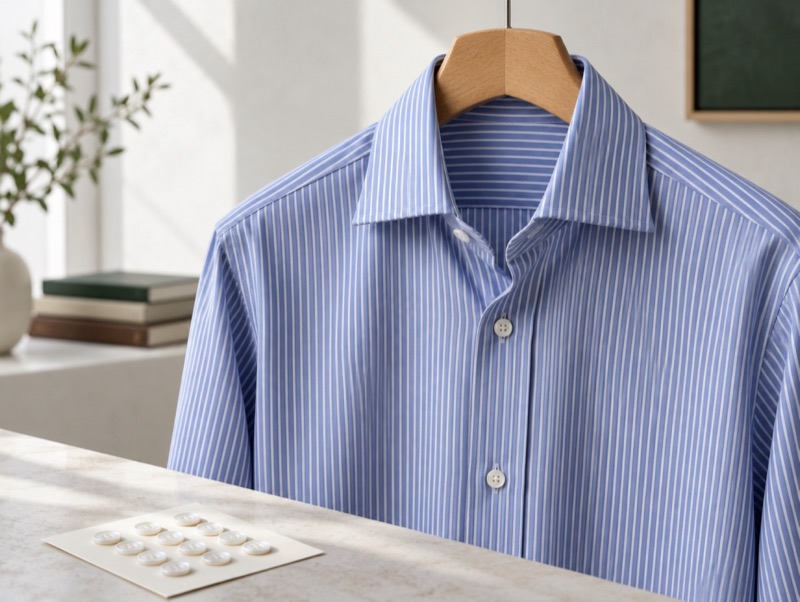
D'Avino is a shirtmaker near Naples making small numbers of custom shirts, known above all for how many steps are sewn by hand.
 03
Siniscalchi
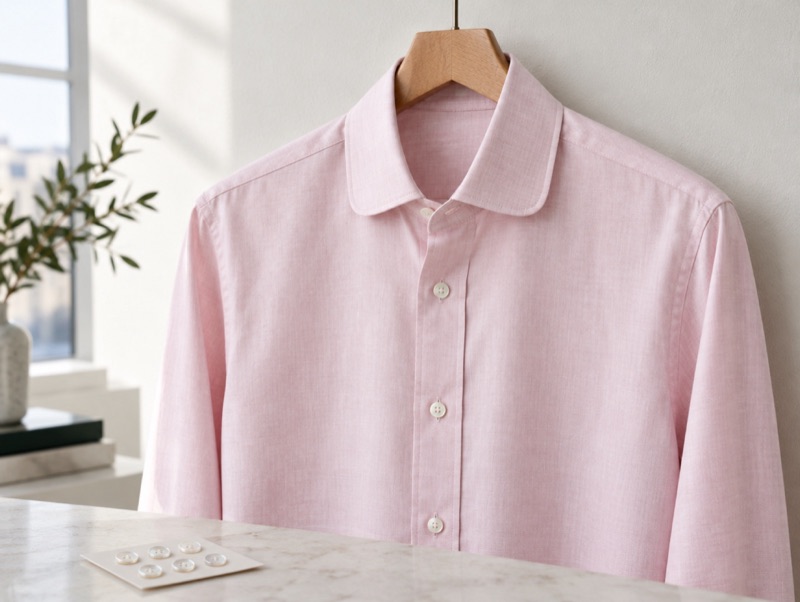
Siniscalchi is a Milan shirtmaker making custom shirts that are cleaner and crisper than Naples shirts, with carefully built collars and a close fit.
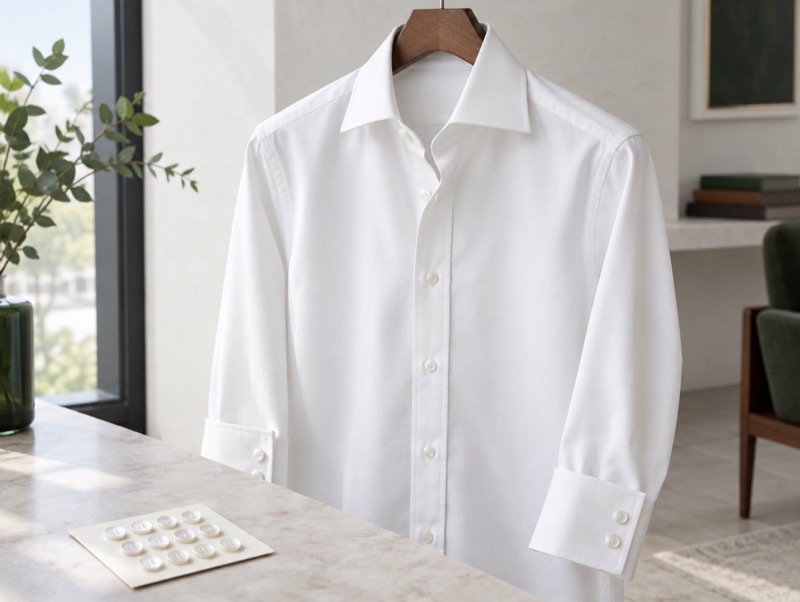 04
G. Inglese
G. Inglese is a family shirtmaker in the small Puglia town of Ginosa, famous worldwide through specialist shops and online for heavily hand-sewn shirts.
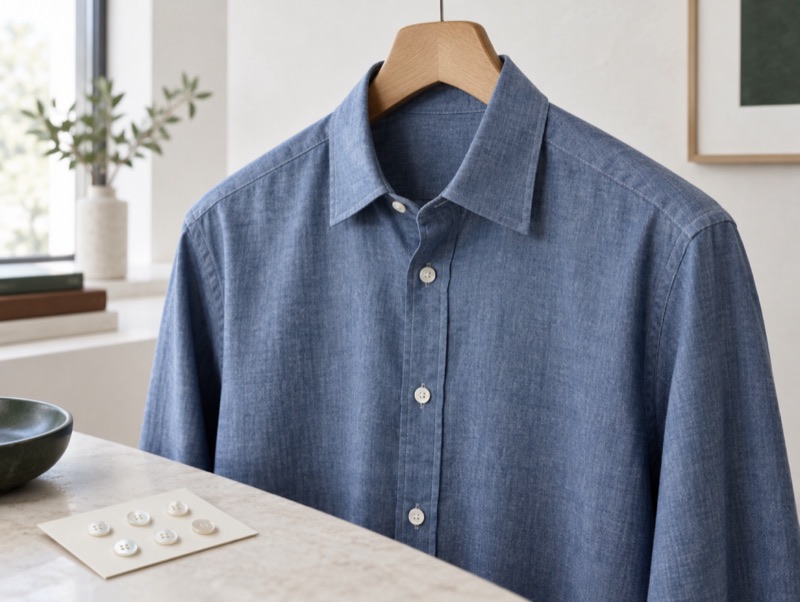 05
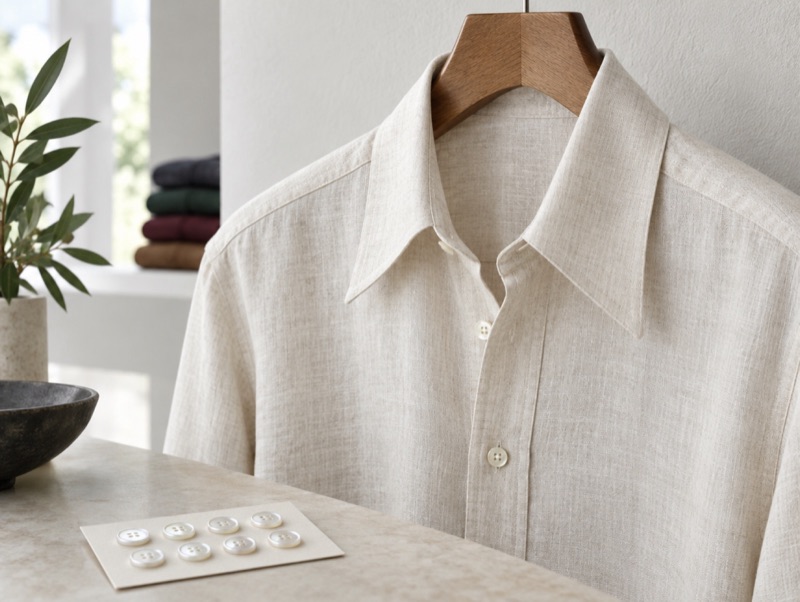
Simone Abbarchi
A Florentine shirtmaker whose prices have made him the entry point to Italian bespoke for a lot of people.
 06
Luca Avitabile
Luca Avitabile is a Naples shirtmaker who cuts each customer their own pattern and attaches collars and sleeves by hand, also meeting clients on visits to London and New York.
Cloth makers and merchants in Italy
All cloth makers & merchants →-
Vitale Barberis Canonico
Biella · 1663
Vitale Barberis Canonico is a large Biella fine-wool mill, and if you own a mid- or upper-market Italian suit, its cloth may well be in it.
-
Loro Piana
Biella · 1924
Loro Piana began as a Biella wool mill and is now a big luxury clothing house, famous for rare fibres like vicuña and baby cashmere.
-
Lanificio Drago
Biella
A Biellese weaver known for fine, light cloths and a very large seasonal range.
-
Carlo Barbera
Biella
Carlo Barbera was a small Biella mill whose fine wool and cashmere-blend cloths won over custom tailors, and Kiton now owns it and uses its cloth.
-
Caccioppoli
Naples
Caccioppoli is a Naples cloth merchant whose light, soft fabrics are standard in Neapolitan tailoring workshops and have spread abroad along with that style.
Brands in Italy
All brands →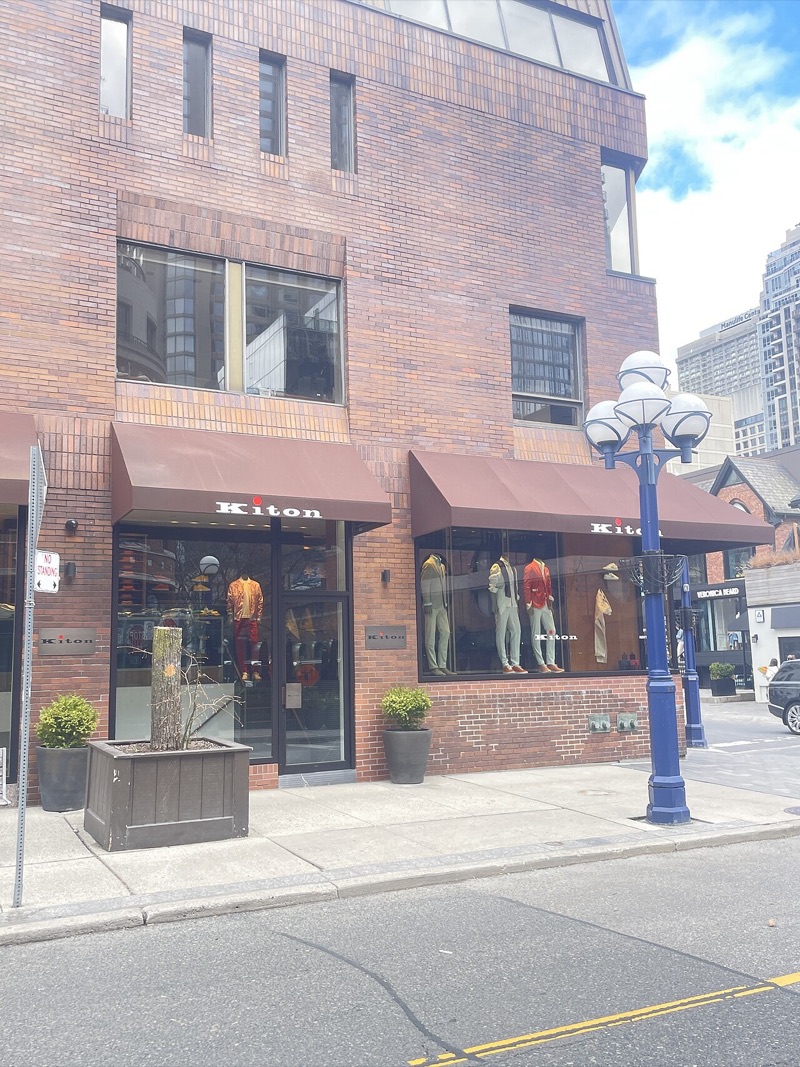 01
Kiton
Ciro Paone's answer to the question of whether Neapolitan handwork could be industrialised without being ruined.
 02
Brioni
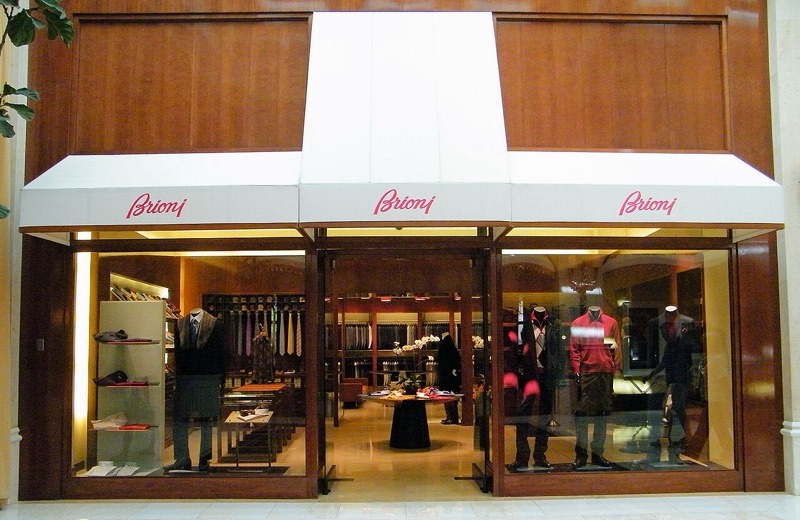
Brioni is a Rome tailoring house founded in 1945, known for staging what is called the first men's fashion show and for clean, firm-shouldered suits.
 03
Zegna
Zegna began as a wool mill in 1910 and is now one of the world's biggest luxury menswear companies, still weaving cloth and owning a majority of Thom Browne.
 04
Loro Piana (clothing)
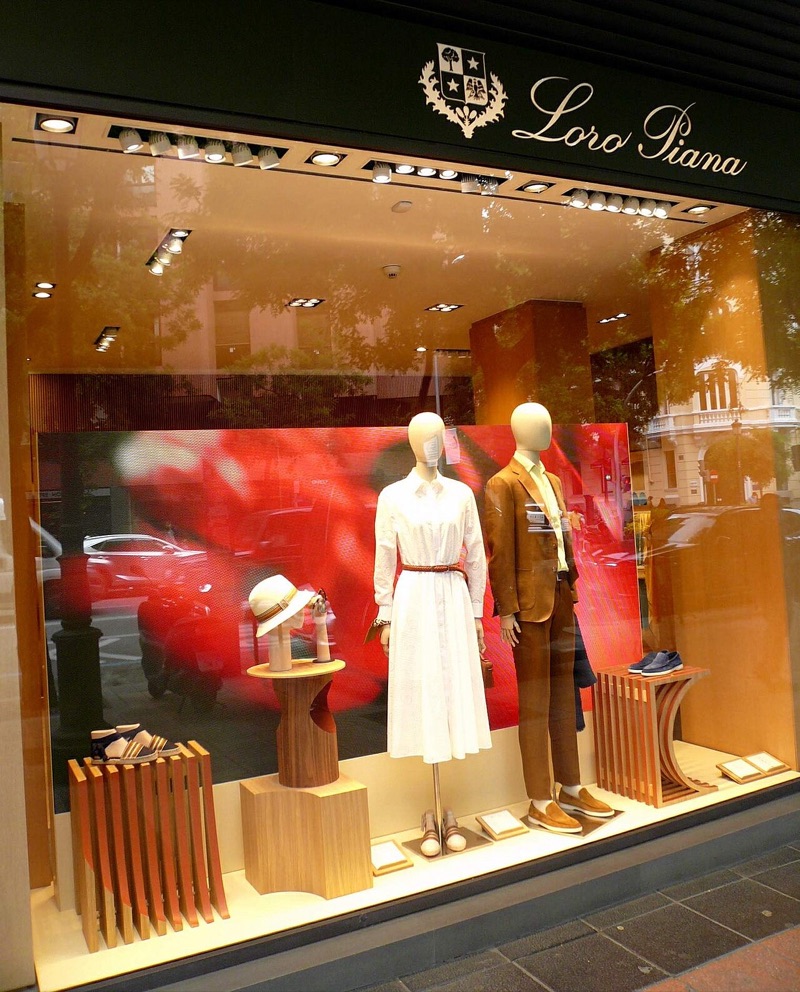
Loro Piana's clothing line sells knitwear, coats and soft tailoring in rare fibres like vicuña and baby cashmere, with no visible logos and very high prices.
 05
Canali
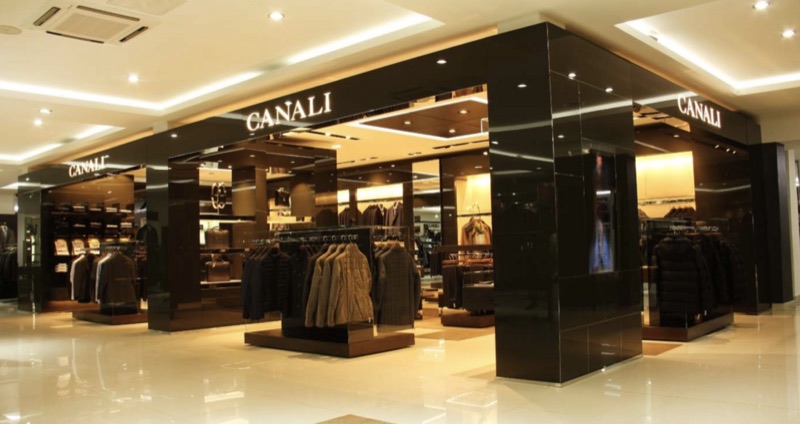
Canali is a family-owned Lombardy tailoring brand, around since 1934, making reliable upper-middle suits that are crisper than Naples ones but softer than English ones.
 06
Prada
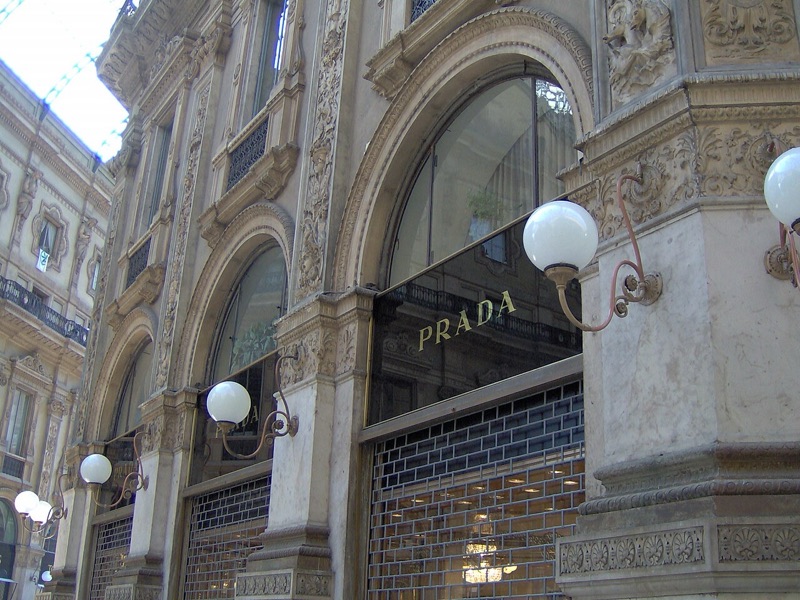
Prada is a Milan fashion group that began as a leather goods house, and it has owned the Northampton shoemaker Church's since 1999.
-
Brunello Cucinelli
1978
Brunello Cucinelli is a cashmere brand based in the Umbrian village of Solomeo, known for soft, muted, expensive clothes and its founder's "humanistic capitalism" philosophy.
-
Isaia
Naples · 1957
Isaia is a Naples tailoring brand making soft, light jackets in bolder cloths and stronger colours than its neighbours, with a red coral lapel pin as its signature.
-
Corneliani
1958
Corneliani is a highly capable Mantua clothing maker, working since 1958, producing clean, moderately padded tailoring under its own name.
-
Stefano Ricci
Florence · 1972
Stefano Ricci is a Florence menswear brand at the very top of the price range, known for ornate pieces in crocodile, heavy silk and gold hardware.
Tailoring styles
All styles →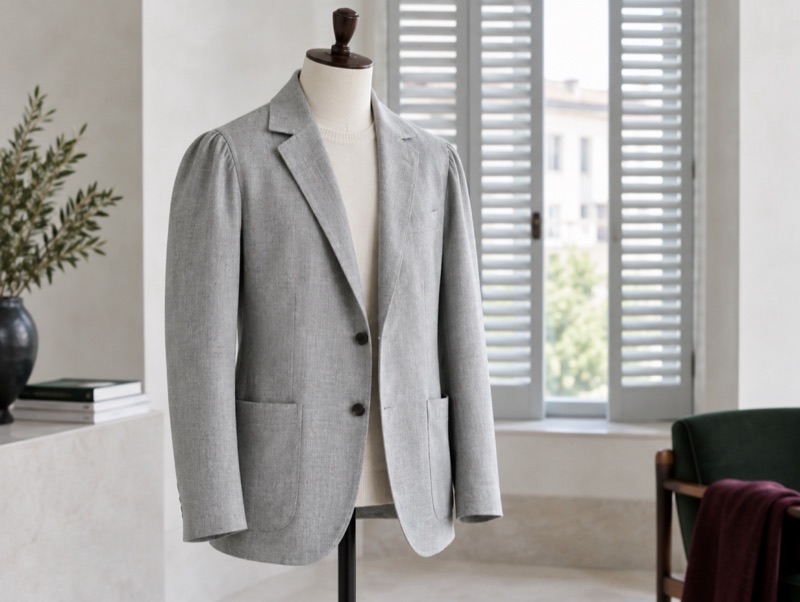 01
Neapolitan tailoring
Neapolitan jackets are as light and soft as possible, with little shoulder padding, gathered sleeves and a high armhole, and are among the world's most widely copied styles.
 02
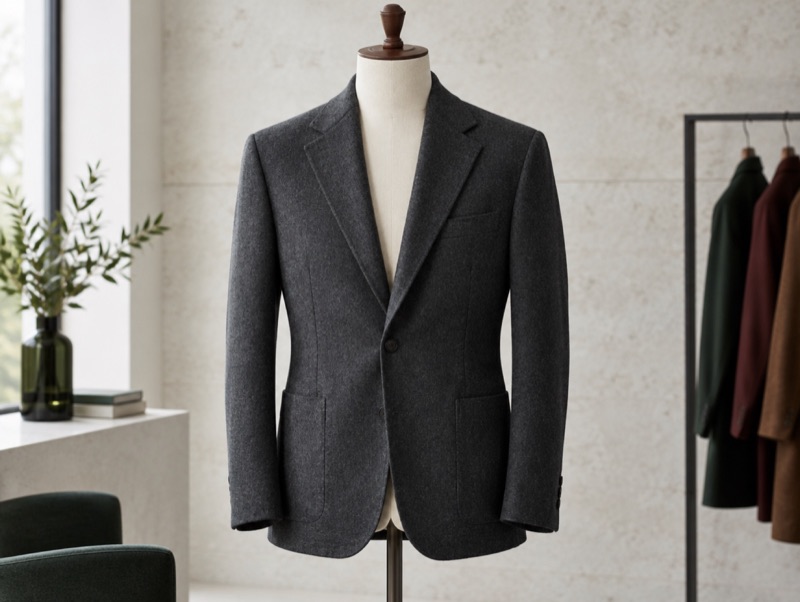
Milanese tailoring
Milanese jackets are the most English of Italian styles, with defined shoulders, a nipped waist, a full inner layer and a clean, understated finish.
 03
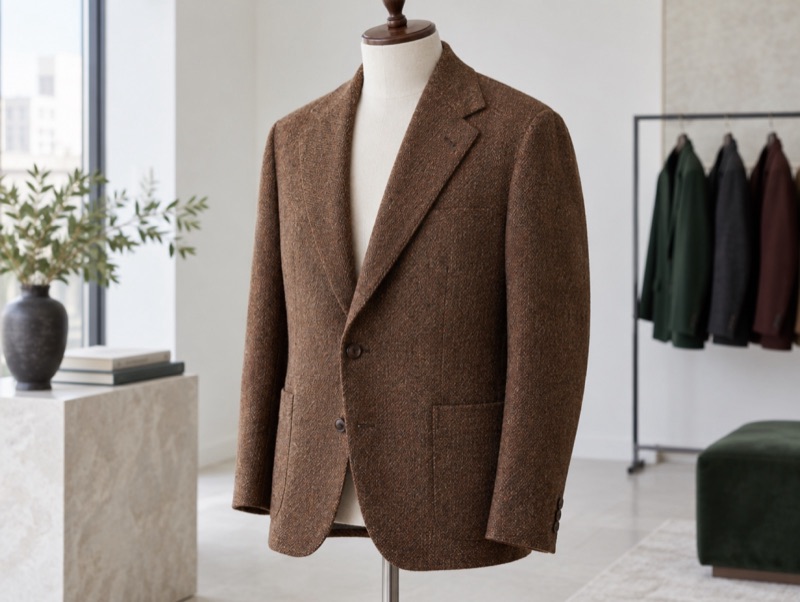
Florentine tailoring
Florentine jackets look rounded, with wide curved lapels, a full chest and soft shoulders.
 04
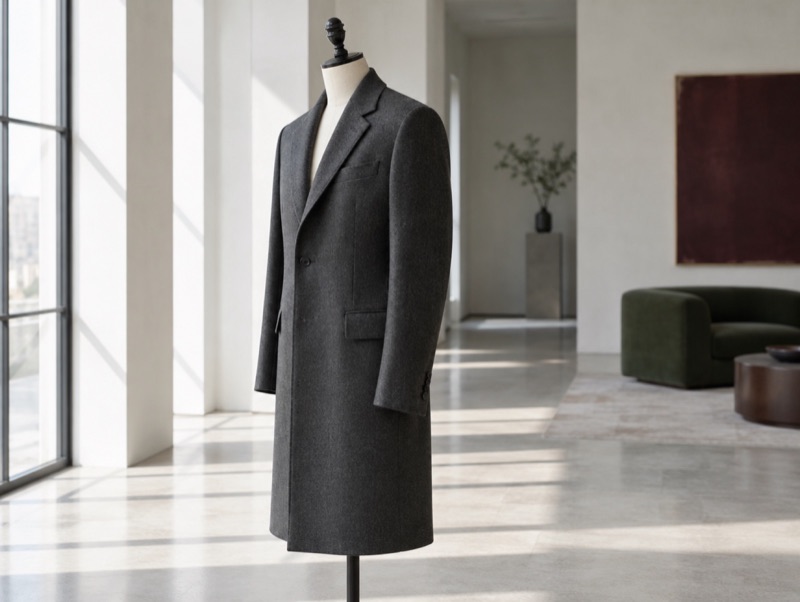
Roman tailoring
A long lean line, lightly built: the middle position, argued for with Roman confidence.
Cities
 01
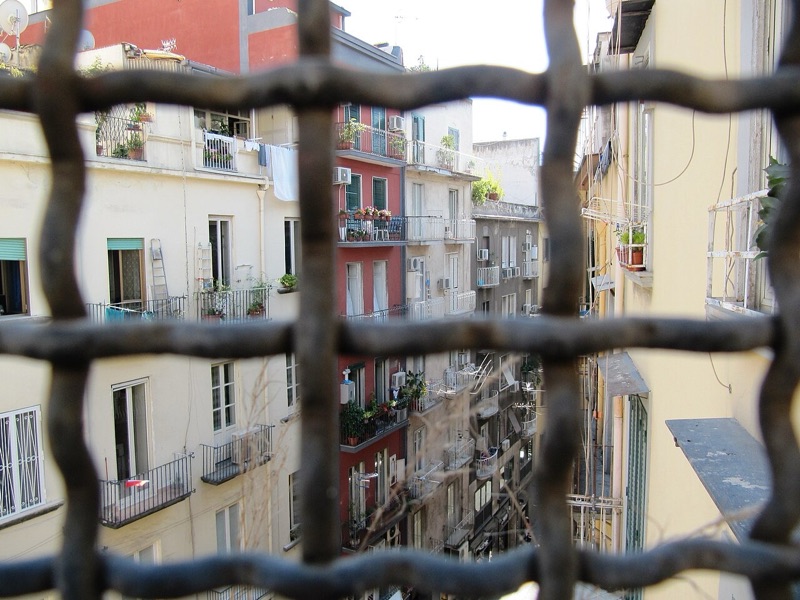
Naples
Naples is known for soft, light jackets with little padding, high armholes and gathered sleeves, made for hot weather.
 02
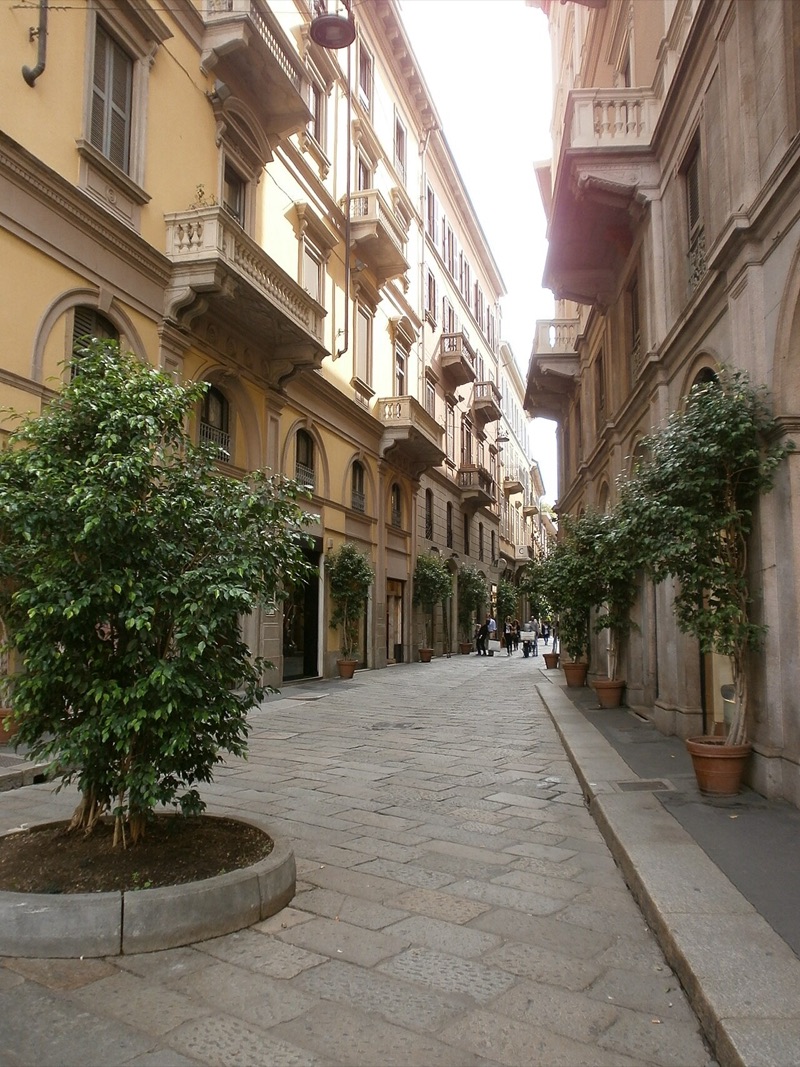
Milan
Where Italian tailoring puts its jacket back on: cleaner, sharper and considerably more businesslike.
 03
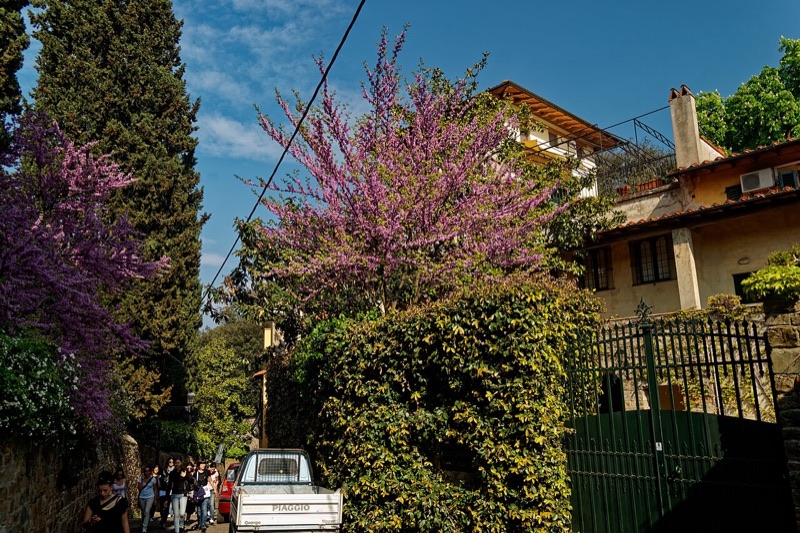
Florence
Florentine tailors make soft, rounded jackets with wide lapels, and the city also hosts Pitti Uomo, the menswear trade's twice-yearly gathering.
 04
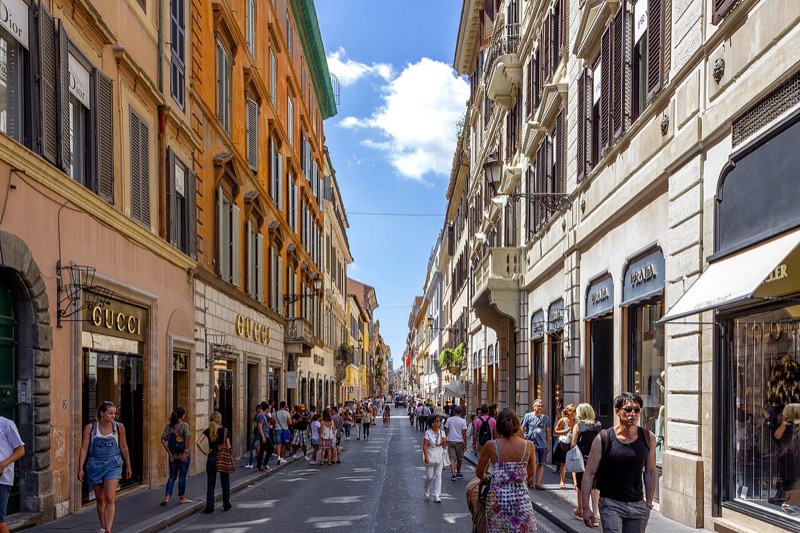
Rome
Roman tailors cut lightly built jackets that sit close to the body, landing between soft Neapolitan and more structured Milanese styles.
 05
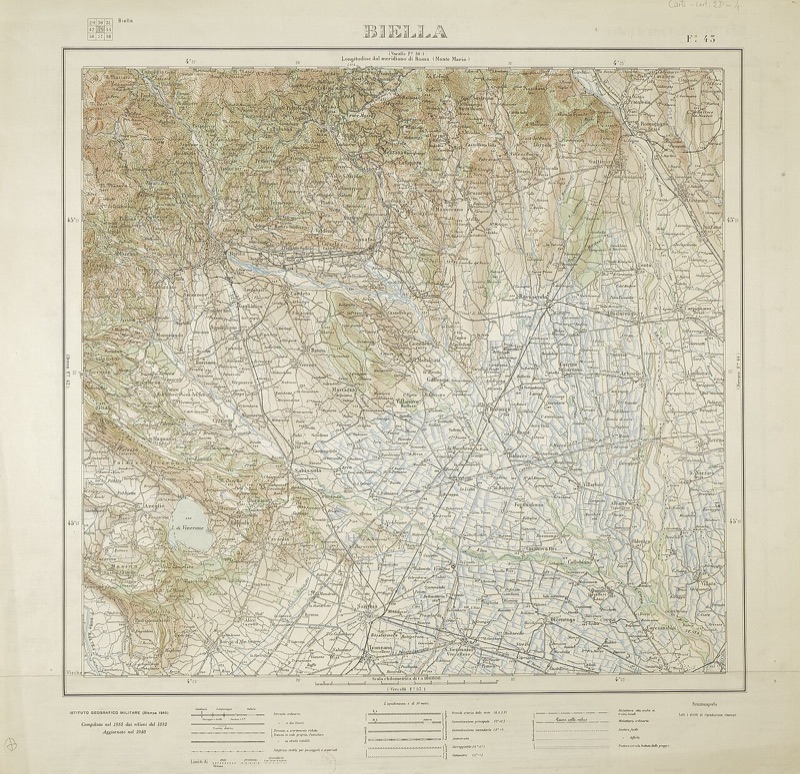
Biella
Biella is where much of the world's fine suit cloth is spun and woven, by mills like Vitale Barberis Canonico and Carlo Barbera.
Sources
- Collection records for Italian tailoring and textiles , The Metropolitan Museum of Art.
- Made in Italy: rules of origin for textile and clothing products , European Commission.
- Introductory Notes to the Table of List Rules , European Commission. Consulted in the November 2026 fact-check.
Where a figure is disputed or a house has not published it, the page says so rather than choosing a number.
Picture credits 34
- Saint Peter's Basilica, Sant'Angelo bridge, by night, Rome, Italy: Photograph · Jebulon · Wikimedia Commons · CC0
- AI-generated illustration of a bespoke tailored jacket: Original art · Il Sartoriale · Il Sartoriale · Il Sartoriale original art
- AI-generated illustration of a bespoke tailored jacket: Original art · Il Sartoriale · Il Sartoriale · Il Sartoriale original art
- AI-generated illustration of a bespoke tailored jacket: Original art · Il Sartoriale · Il Sartoriale · Il Sartoriale original art
- AI-generated illustration of a bespoke tailored jacket: Original art · Il Sartoriale · Il Sartoriale · Il Sartoriale original art
- AI-generated illustration of a bespoke tailored jacket: Original art · Il Sartoriale · Il Sartoriale · Il Sartoriale original art
- AI-generated illustration of a bespoke tailored jacket: Original art · Il Sartoriale · Il Sartoriale · Il Sartoriale original art
- AI-generated illustration of a bespoke tailored jacket: Original art · Il Sartoriale · Il Sartoriale · Il Sartoriale original art
- AI-generated illustration of a bespoke tailored jacket: Original art · Il Sartoriale · Il Sartoriale · Il Sartoriale original art
- AI-generated illustration of a bespoke tailored jacket: Original art · Il Sartoriale · Il Sartoriale · Il Sartoriale original art
- An illustration of a welted shoe of the kind the house makes. Not a photograph of the house's own work.: Original art · Il Sartoriale · Il Sartoriale · Il Sartoriale original art
- An illustration of a welted shoe of the kind the house makes. Not a photograph of the house's own work.: Original art · Il Sartoriale · Il Sartoriale · Il Sartoriale original art
- An illustration of a welted shoe of the kind the house makes. Not a photograph of the house's own work.: Original art · Il Sartoriale · Il Sartoriale · Il Sartoriale original art
- An illustration of a shirt of the kind the house makes. Not a photograph of the house's own work.: Original art · Il Sartoriale · Il Sartoriale · Il Sartoriale original art
- An illustration of a shirt of the kind the house makes. Not a photograph of the house's own work.: Original art · Il Sartoriale · Il Sartoriale · Il Sartoriale original art
- An illustration of a shirt of the kind the house makes. Not a photograph of the house's own work.: Original art · Il Sartoriale · Il Sartoriale · Il Sartoriale original art
- An illustration of a shirt of the kind the house makes. Not a photograph of the house's own work.: Original art · Il Sartoriale · Il Sartoriale · Il Sartoriale original art
- An illustration of a shirt of the kind the house makes. Not a photograph of the house's own work.: Original art · Il Sartoriale · Il Sartoriale · Il Sartoriale original art
- An illustration of a shirt of the kind the house makes. Not a photograph of the house's own work.: Original art · Il Sartoriale · Il Sartoriale · Il Sartoriale original art
- IMG Kiton Toronto: Photograph · Shanmeichen · Wikimedia Commons · CC BY 4.0
- Brioniboutique: Photograph · Coolcaesar · Wikimedia Commons · CC BY-SA 3.0
- Front of the Ermenegildo Zegna Global Store (52039067673): Photograph · Chris Rycroft from Cambridge, Massachusetts, United States · Wikimedia Commons · CC BY 2.0
- Madrid - Loro Piana (Ortega y Gasset 16): Photograph · Zarateman · Wikimedia Commons · CC0
- Canali Khanburgedei Boutique: Photograph · Ikhtamir · Wikimedia Commons · CC BY-SA 4.0
- Prada boutique at the Galleria Vittorio Emanuele II in Milan, Italy: Photograph · (Per Andersson) ( Nrkpan ) · Wikimedia Commons · CC BY-SA 3.0
- A soft Neapolitan-cut jacket on a dummy: Original art · Il Sartoriale · Il Sartoriale · Il Sartoriale original art
- A clean Milanese-cut jacket on a dummy: Original art · Il Sartoriale · Il Sartoriale · Il Sartoriale original art
- A round, wide-lapelled Florentine-cut jacket: Original art · Il Sartoriale · Il Sartoriale · Il Sartoriale original art
- A long lean Roman-cut jacket: Original art · Il Sartoriale · Il Sartoriale · Il Sartoriale original art
- Napoli, Via Chiaia: Photograph · Palickap · Wikimedia Commons · CC BY-SA 4.0
- Via della Spiga - Milano - Quadrilatero della moda: Photograph · Stefano Stabile · Wikimedia Commons · CC BY-SA 3.0
- Firenze - Florence - Via del Forte di San Giorgio - View East: Photograph · Txllxt TxllxT · Wikimedia Commons · CC BY-SA 4.0
- Via dei Condotti: Photograph · Perituss · Wikimedia Commons · CC0
- Biella: Photograph · Istituto Geografico Militare · Wikimedia Commons · Public domain