Aller au contenu
Il Sartoriale Le monde de la haute mode masculine
★
Il Sartoriale
Par ici Tailleurs sur mesure Bottiers Chemisiers Fabricants & marchands de tissu Tissus & matières
Métier Comment les vêtements sont fabriqués Styles de coupe Artisans Histoire
Vêtements VêtementsAccessoires MarquesPersonnes
Lieux VillesPays Carte du monde
Outils Trouver un tailleur ou un bottierComparaisons PrixGlossaire En savoir plusActualités Interroger les archivesAgents IA ★ EnregistréAPI gratuite
À propos À proposMéthodologie Politique éditoriale Sources Licences d'images Comment nous évaluons CorrectionsContact
Paramètres
Mode sombre
Langue de l'interface

Vue guidée
Nouveau ici ? Chaque page s'ouvre sur une explication en langage courant avant que le détail commence, et les termes techniques sont développés là où ils apparaissent.

Avis d'expert
Vous connaissez déjà le vocabulaire. Directement à l'essentiel, les explications introductives étant masquées. Il s'agit du mode par défaut.

★ Vos pages sauvegardées
470 entrées couvrant la taillerie, la cordonnerie, les étoffes et les métiers d'art Publication de référence : nous ne vendons rien et n'accordons aucun classement contre rémunération Chaque chiffre est accompagné de sa source et de la date à laquelle il a été vérifié

Pays · Europe

Belgium

Belgium matters for cloth rather than tailoring, as home to the famous suiting merchant Scabal and one of Europe's oldest linen trades.

Belgium's place in menswear is in cloth rather than cutting. Scabal, the Brussels merchant, is one of the most recognisable names in suiting, and the Flemish linen trade is among the oldest textile industries in Europe.
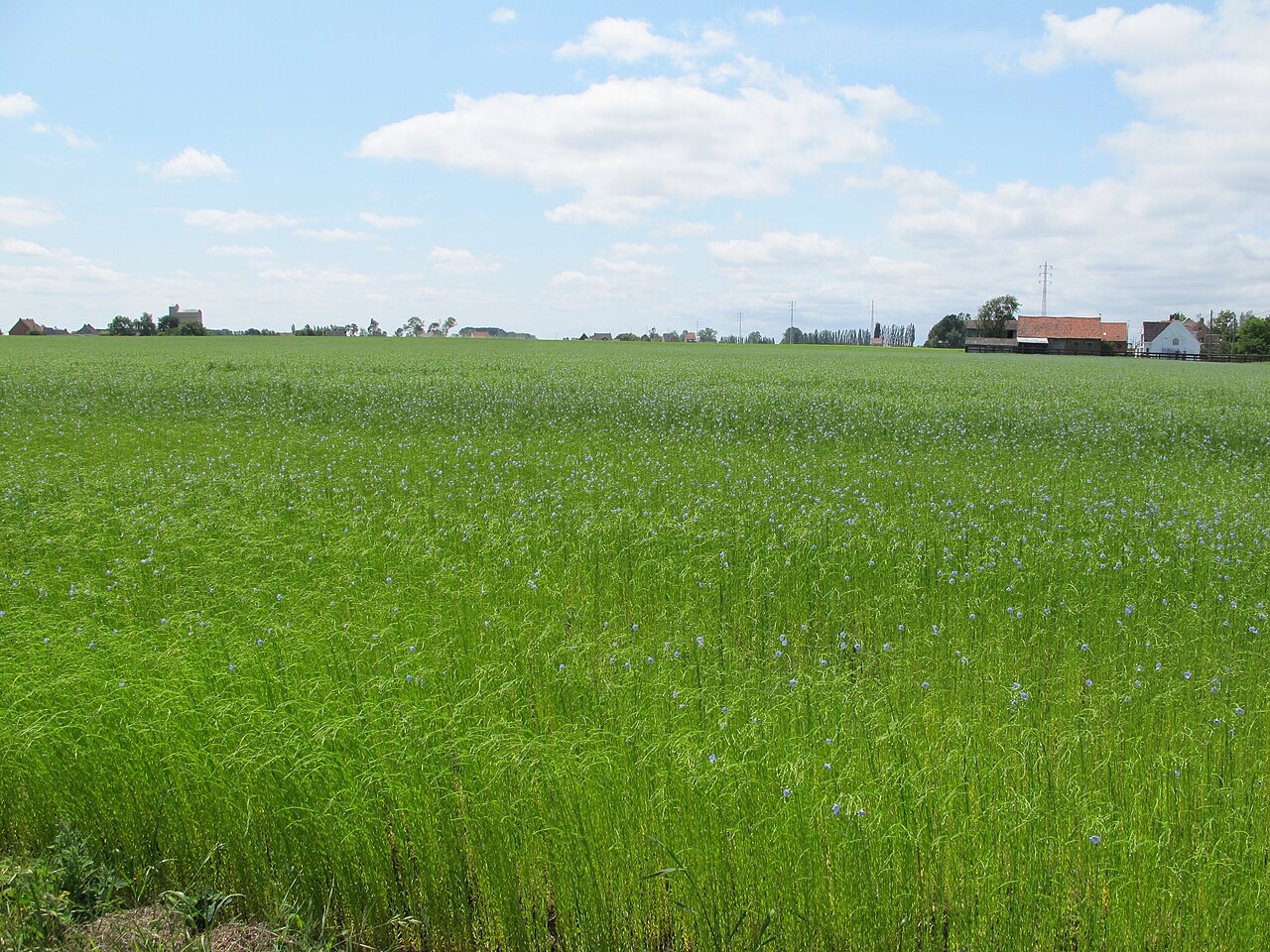
Belgium, a cloth merchant's country with a linen trade older than the tailoring that uses it
Flax field close to Gottem, East Flanders, Belgium

Cloth, not coats

Scabal, founded in Brussels in 1938, built its business selling cloth to tailors worldwide and later added its own clothing. Its bunches are among the most widely stocked in tailors' shops from London to Seoul.

Flanders has grown and worked flax for centuries, and European linen, much of it grown in a coastal strip running from northern France through Belgium into the Netherlands, remains the reference standard for the fibre. The climate, not the machinery, is the reason: flax wants a damp, temperate summer.

Flax and the linen trade

The coastal strip running from northern France through Belgium into the Netherlands grows the best flax in the world, for climatic reasons: the plant wants a damp, temperate summer and gets one. European linen from this region remains the reference standard.

Flanders has worked flax for centuries, and although the spinning and weaving have largely moved elsewhere, the growing and the early processing remain.

Scabal

Founded in Brussels in 1938, the merchant is Belgium's most visible contribution to tailoring: its bunches sit in tailors' shops on every continent, and for a great many customers it is the first cloth book they ever handle.

The company also weaves in Huddersfield and makes its own clothing, occupying both sides of the trade.

En un coup d'œil

Notable for
Cloth merchanting (Scabal); the Flemish linen trade
Principal contribution
Cloth merchanting and the Flemish linen trade
Best-known merchant
Scabal, Brussels, founded 1938
Flax
Grown across the coastal strip from northern France to the Netherlands

Fabricants et marchands de tissu dans Belgium

Tout fabricants & marchands de tissu →
  1. Scabal 1938

    Scabal is a Brussels cloth merchant founded in 1938 whose fabrics are stocked by tailors worldwide, and it weaves some of its own in Huddersfield.

Dernière révision: September 2026 Signaler une erreur sur cette page
Crédits photographiques 1
  1. Flax field, Gottem 2011 a: Photograph · LHOON · Wikimedia Commons · CC BY-SA 2.0

Politique d'images