Land · Europe
Belgium
Belgium matters for cloth rather than tailoring, as home to the famous suiting merchant Scabal and one of Europe's oldest linen trades.
Belgium's place in menswear is in cloth rather than cutting. Scabal, the Brussels merchant, is one of the most recognisable names in suiting, and the Flemish linen trade is among the oldest textile industries in Europe.
Cloth, not coats
Scabal, founded in Brussels in 1938, built its business selling cloth to tailors worldwide and later added its own clothing. Its bunches are among the most widely stocked in tailors' shops from London to Seoul.
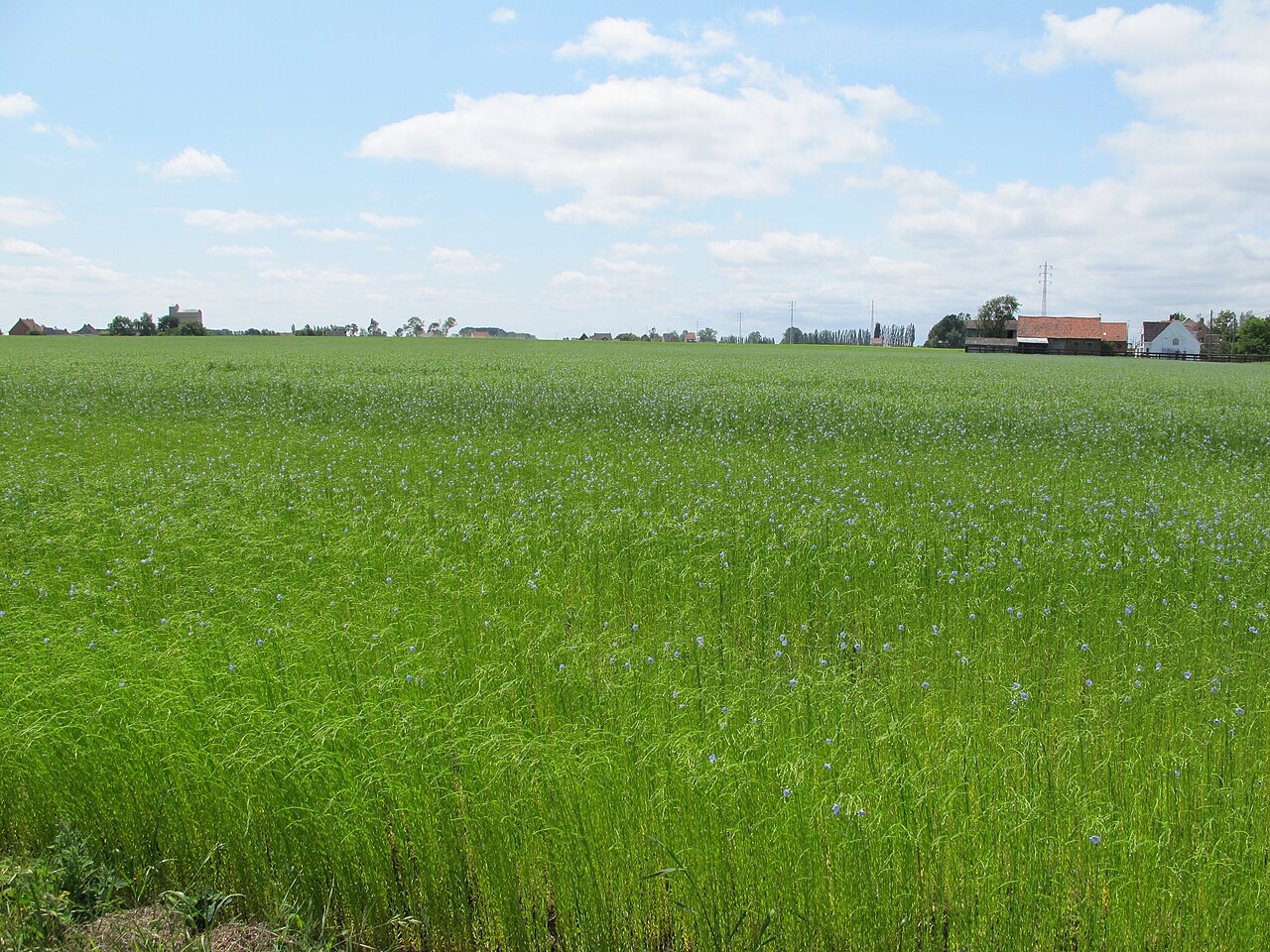
Flanders has grown and worked flax for centuries, and European linen, much of it grown in a coastal strip running from northern France through Belgium into the Netherlands, remains the reference standard for the fibre. The climate, not the machinery, is the reason: flax wants a damp, temperate summer.
Flax and the linen trade
The coastal strip running from northern France through Belgium into the Netherlands grows the best flax in the world, for climatic reasons: the plant wants a damp, temperate summer and gets one. European linen from this region remains the reference standard.
Flanders has worked flax for centuries, and although the spinning and weaving have largely moved elsewhere, the growing and the early processing remain.
Scabal
Founded in Brussels in 1938, the merchant is Belgium's most visible contribution to tailoring: its bunches sit in tailors' shops on every continent, and for a great many customers it is the first cloth book they ever handle.
The company also weaves in Huddersfield and makes its own clothing, occupying both sides of the trade.
In één oogopslag
Stoffenmakers en handelaren in Belgium
Alle stoffenmakers & handelaren →Fotorechten 1
- Flax field, Gottem 2011 a: Photograph · LHOON · Wikimedia Commons · CC BY-SA 2.0