Land · Asia
China
China makes more clothing than anywhere, including for European luxury brands, and Shanghai's skilled Western tailoring tradition from the 1920s survives mainly in Hong Kong.
China's role in menswear is overwhelmingly industrial: it is the largest garment manufacturer in the world, including for European luxury brands that do not advertise the fact. Separately, and much older, is the Shanghainese tailoring tradition, which produced skilled Western tailoring from the 1920s and survives principally through Hong Kong.
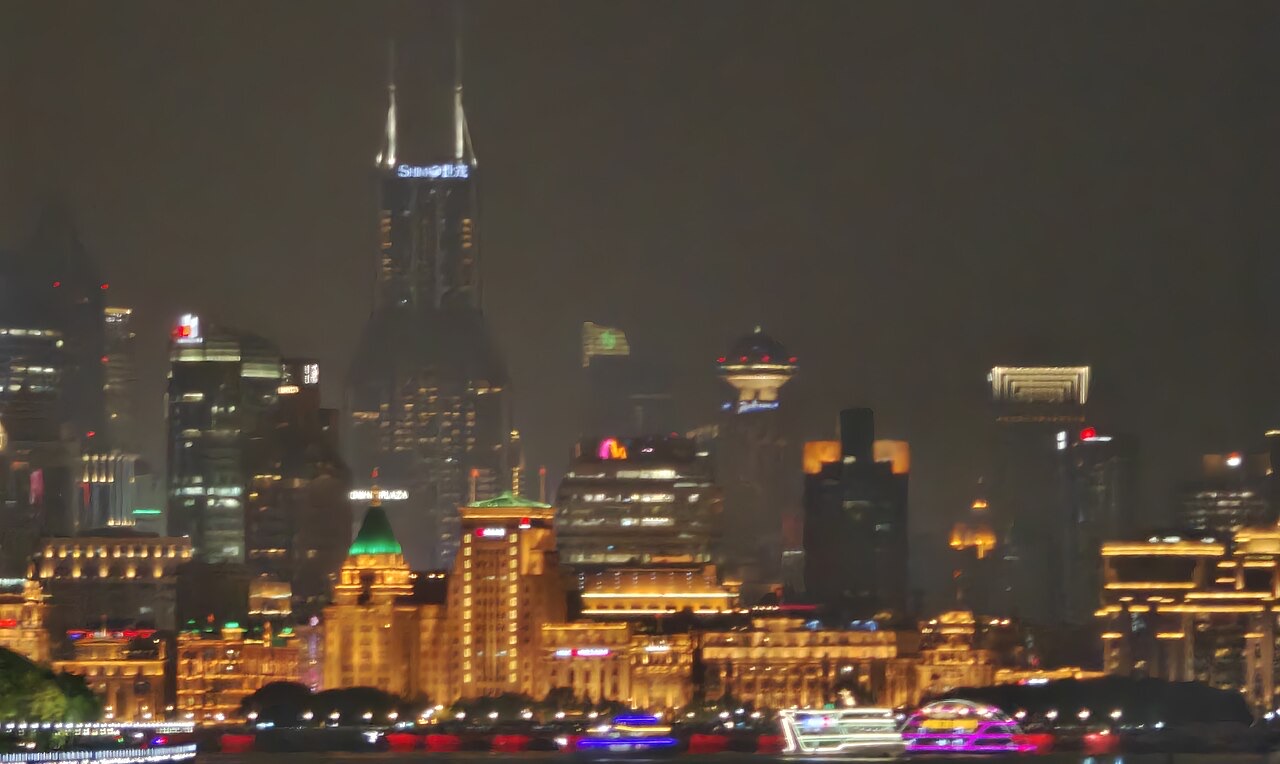
The Shanghainese trade
Shanghai's foreign concessions created demand for Western clothing, and by the 1930s the city had a large, skilled tailoring trade: structured, English-influenced, hand-made. Much of it relocated to Hong Kong after 1949, and the best Hong Kong tailoring descends directly from it in an unbroken line of apprenticeship.
There is a revival on the mainland, mostly in Shanghai and Beijing, drawing on the same lineage and on training in Italy. It is young and uneven, as new scenes are.
Manufacturing, and what brands will not say
China makes a very large share of the world's tailored clothing, including garments sold under European names. Some of that production is poor and some is extremely good; the country-of-origin label tells you almost nothing about which.
The reticence is the problem rather than the manufacturing. A brand that will not say where a garment is made is asking you to pay for an implication it declines to state, and that is worth noticing whichever country is involved.
The Shanghai trade, in detail
Shanghai's foreign concessions created a market for Western clothing, and by the 1930s the city had a large trade with its own apprenticeship system and a recognisable style: structured, English-influenced, made largely by hand. Much of it relocated to Hong Kong after 1949.
The best Hong Kong tailoring descends from that lineage in an unbroken line, which is why the city has genuine bespoke alongside its more visible fast trade.
In één oogopslag
Hemdmakers in China
Alle hemdmakers →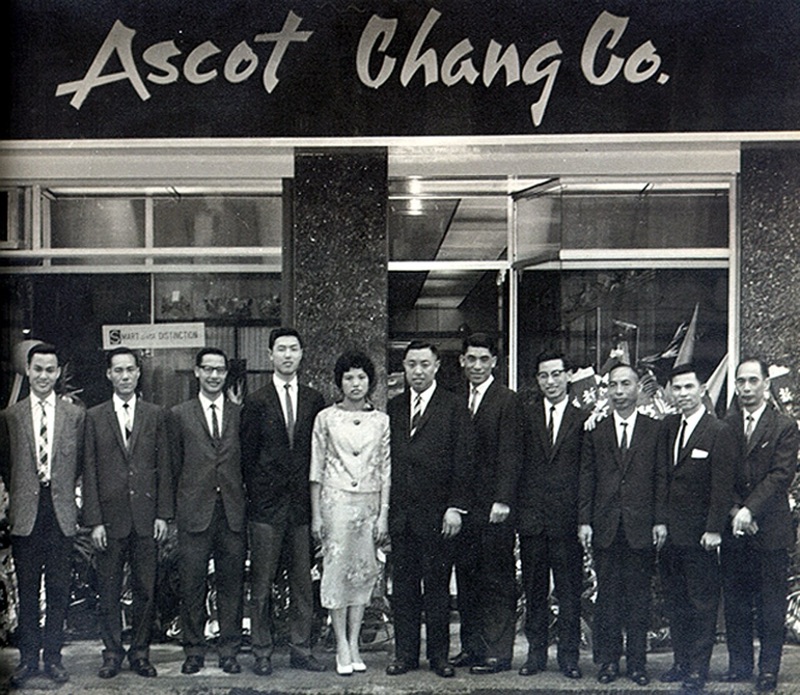
Steden
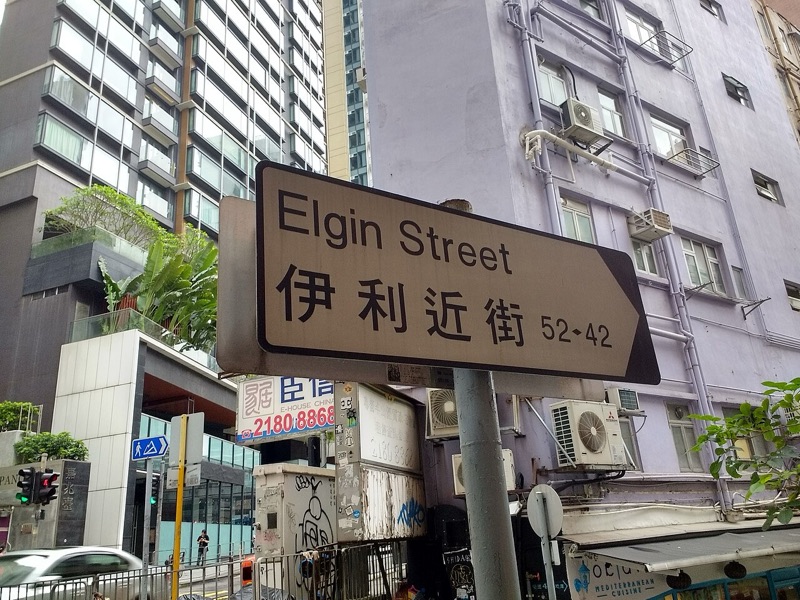
Fotorechten 3
- Shanghai Bund at night 20260417 (2): Photograph · DvTor8303 · Wikimedia Commons · CC0
- KIMBERLY RD STORE EXPANSION 1961: Photograph · Shortmiracle · Wikimedia Commons · CC BY-SA 4.0
- Elgin Street, Hong Kong 3: Photograph · Mx. Granger · Wikimedia Commons · CC0