Prenda · Tailoring
The suit
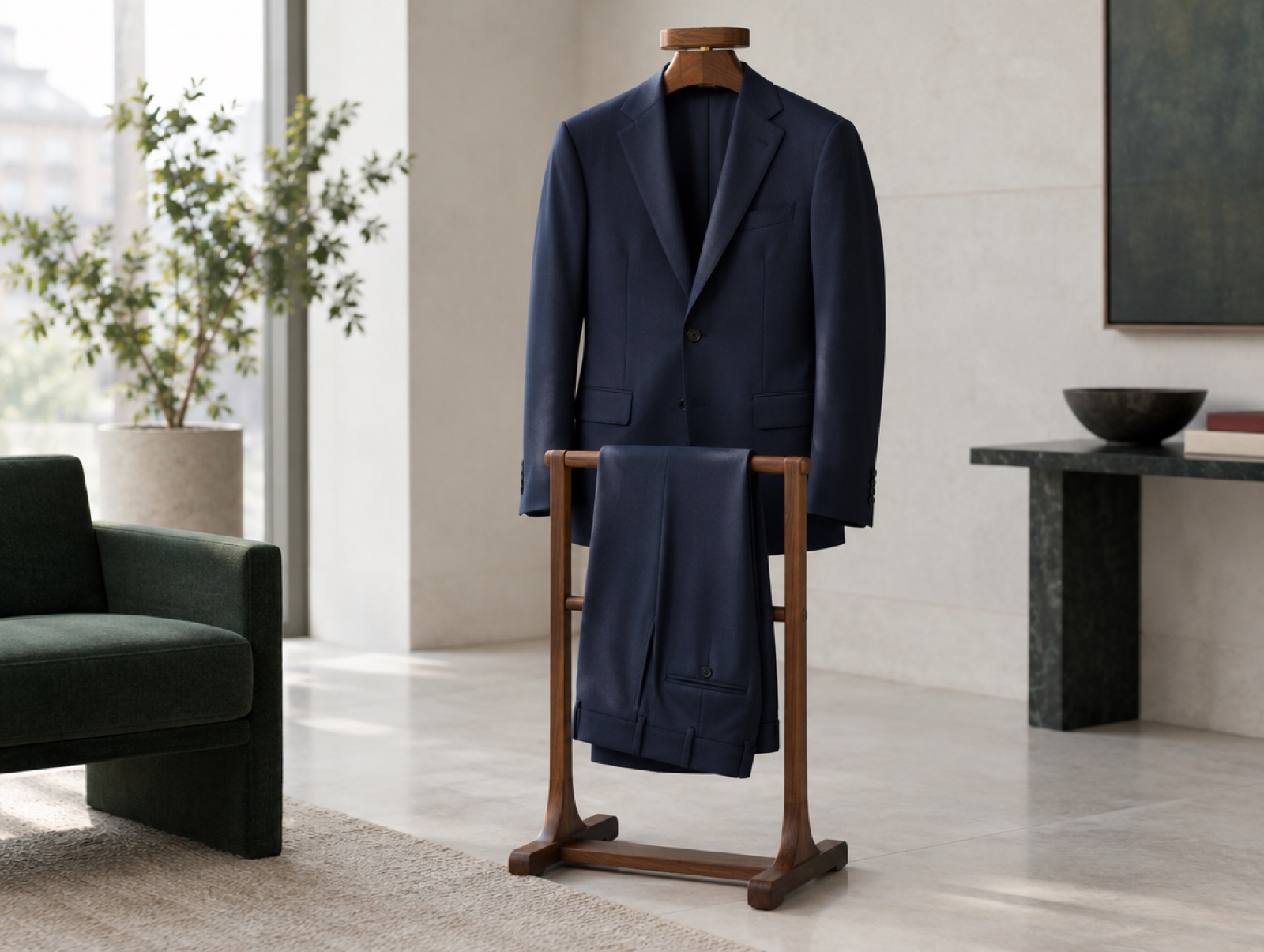
A suit is simply a jacket and trousers, sometimes with a waistcoat, made from the same cloth at once so they match exactly.
A suit is a jacket and trousers, sometimes with a waistcoat, made from the same cloth at the same time, so the colour and weave match exactly. That is the whole definition. Everything else, from how many buttons to how the lapel is cut, is a matter of convention and fashion.
Why the same cloth matters
Cloth varies between production runs. A jacket and trousers cut from the same piece will match; ones cut from different pieces of nominally identical cloth may not, and the mismatch is visible in daylight. This is why a suit is bought as a suit and why replacing the trousers of a worn suit rarely works.
It is also why an odd jacket and odd trousers, deliberately different, look intentional in a way a near-match does not.
How it should fit
- Shoulder. The seam should end where your shoulder ends. This is the one thing that cannot be altered, and everything else follows from getting it right.
- Collar. The jacket collar should sit against your shirt collar with no gap, standing still and moving.
- Chest. With one button done up you should be able to slide a flat hand inside comfortably and no more.
- Sleeve. Ending at the wrist bone, showing roughly a centimetre of shirt cuff. Both sleeves may need to differ; most people's arms do.
- Length. Long enough to cover the seat. Fashion moves this more than anything else on the coat.
- Trouser waist. At the natural waist if the trousers are cut for it, held there without a belt straining. A trouser that needs pulling up is cut for a lower rise than you are wearing it at.
- Trouser break. A matter of taste, from no break at all to a full one, but consistent with the trouser's width. A wide trouser with no break looks unfinished; a narrow one with a full break bunches.
Where it came from
The suit descends from the lounge suit of the mid-nineteenth century, which was informal wear: the comfortable alternative to a frock coat or morning coat. It became business dress as the older formal hierarchy collapsed, and it has been quietly informalising ever since. The garment now considered the most formal thing a man owns began as the casual option.
Its structure descends from military and riding dress: the vents at the back exist so the skirt does not bunch in a saddle, and the buttons at the cuff have no function at all beyond the memory of one.
What to look at
- The chest: pinch the front panel below the buttonhole and feel for a loose layer between cloth and lining.
- The lapel: a soft roll rather than a pressed crease means a shaped canvas underneath.
- Pattern matching across the pockets and the centre back seam.
- The buttonholes: irregular stitch length means hand-worked.
- Inside the trouser waistband: a hanging curtain and a split back seam mean the trousers were built to be altered.
- 1
Hombrotermina donde termina la suya; no puede modificarse
- 2
Cuellocontra el cuello de la camisa, de pie y en movimiento
- 3
Pechoentra una mano plana; no un puño cerrado
- 4
Mangahasta el hueso de la muñeca, un centímetro de puño visible
- 5
Largocubre el asiento
- 6
Tallecontenido, pero sin que el delantero tire
Imágenes
Licencias →
De un vistazo
Fabricantes asociados
 01
Sastre a medida
01
Sastre a medida Anderson & Sheppard
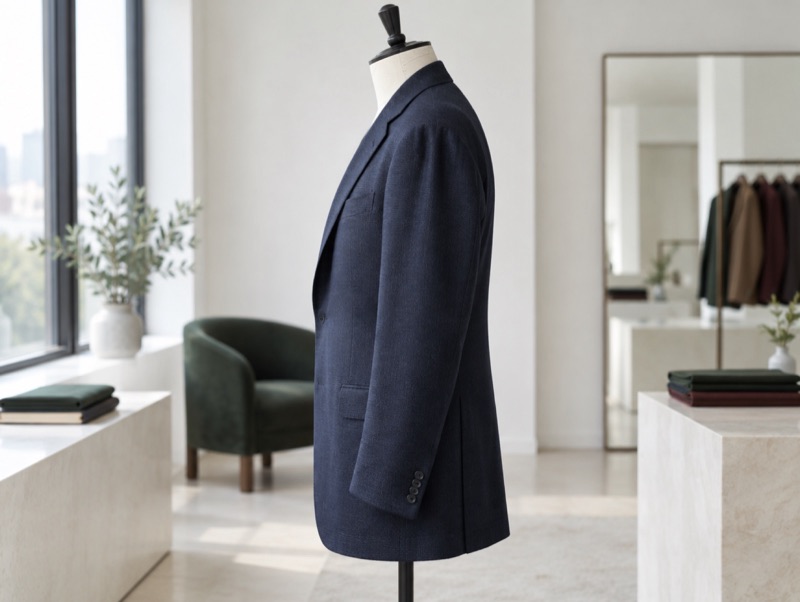
Anderson & Sheppard, the softest Savile Row tailor, cuts jackets with extra cloth across the chest so they hang softly and move with you.
 02
Marca
02
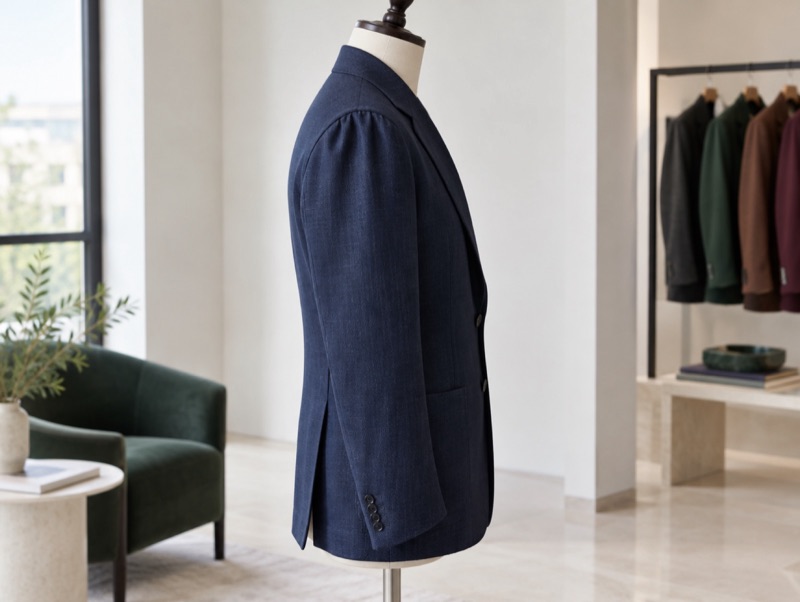
Marca Brioni
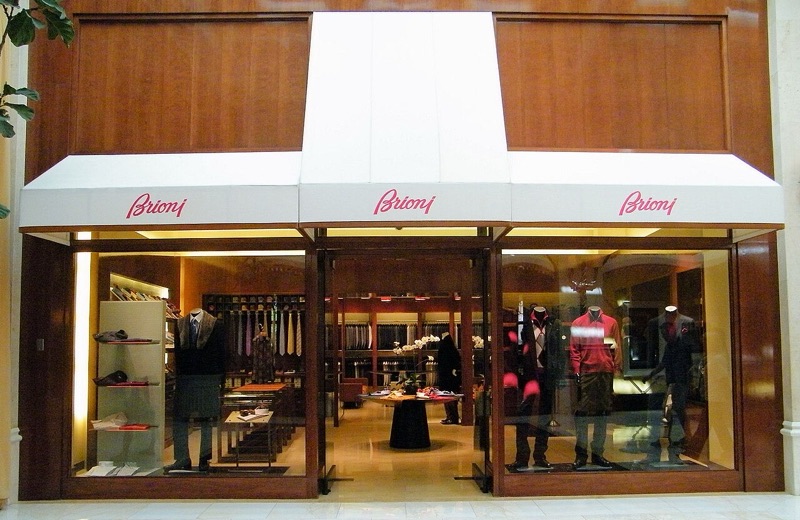
Brioni is a Rome tailoring house founded in 1945, known for staging what is called the first men's fashion show and for clean, firm-shouldered suits.
 03
Sastre a medida
03
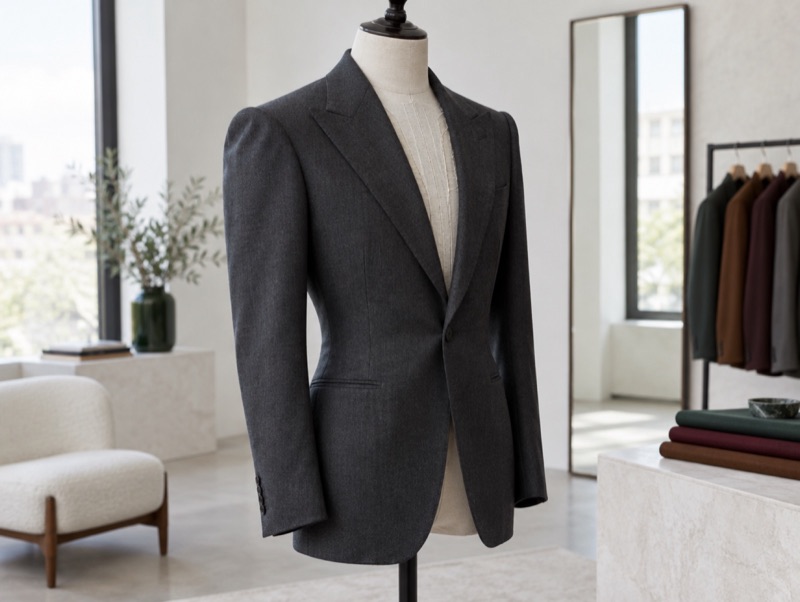
Sastre a medida Cesare Attolini
Cesare Attolini is a Neapolitan clothing house run by descendants of the creator of the soft Neapolitan jacket, and it produces in volume while keeping much of the work done by…
 04
Sastre a medida
04
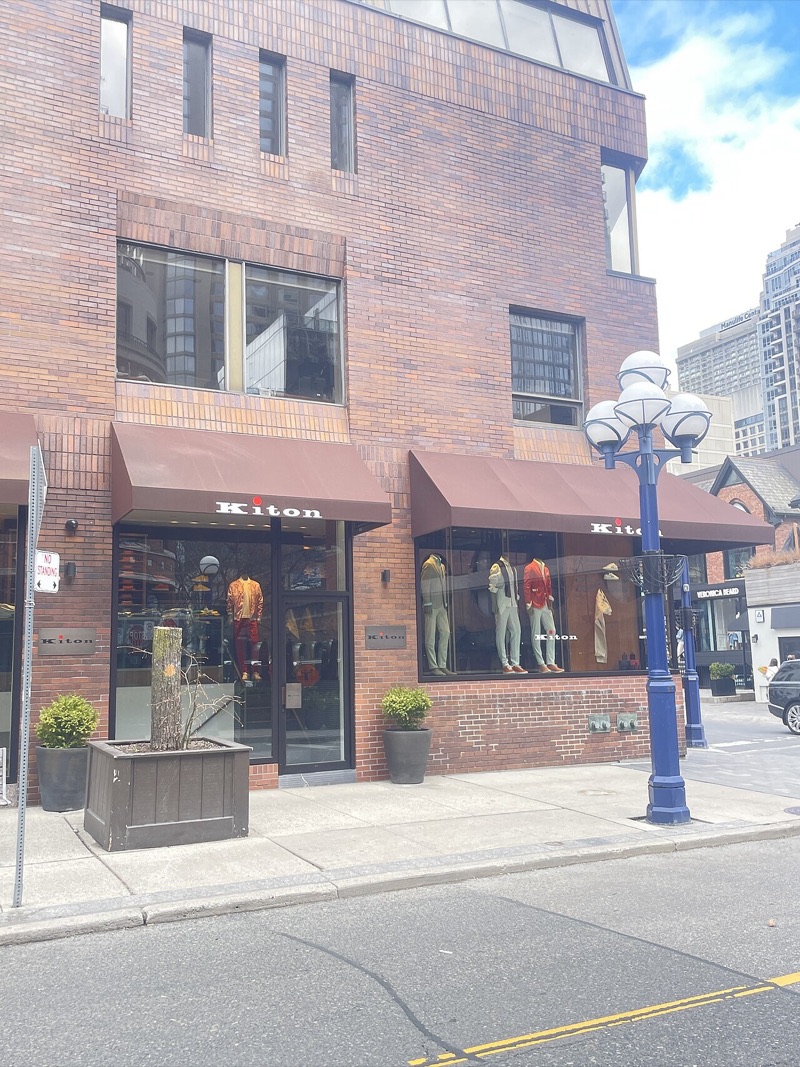
Sastre a medida Huntsman
Huntsman, Savile Row's sharpest tailor, makes lean jackets with strong shoulders, a high nipped waist and usually one button, rooted in riding clothes.
 05
Marca
05
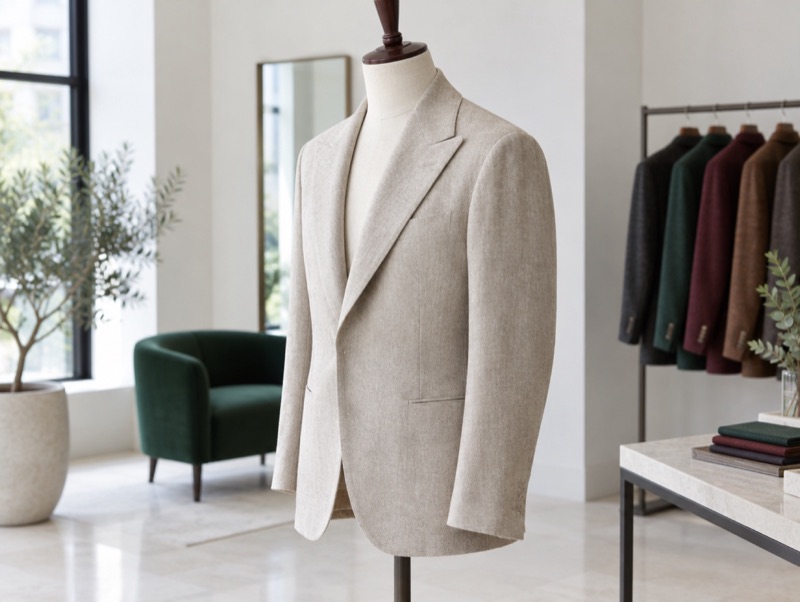
Marca Kiton
Ciro Paone's answer to the question of whether Neapolitan handwork could be industrialised without being ruined.
 06
Sastre a medida
06
Sastre a medida Liverano & Liverano
The house that made Florentine tailoring internationally legible: wide lapel, round chest, no dart.
-
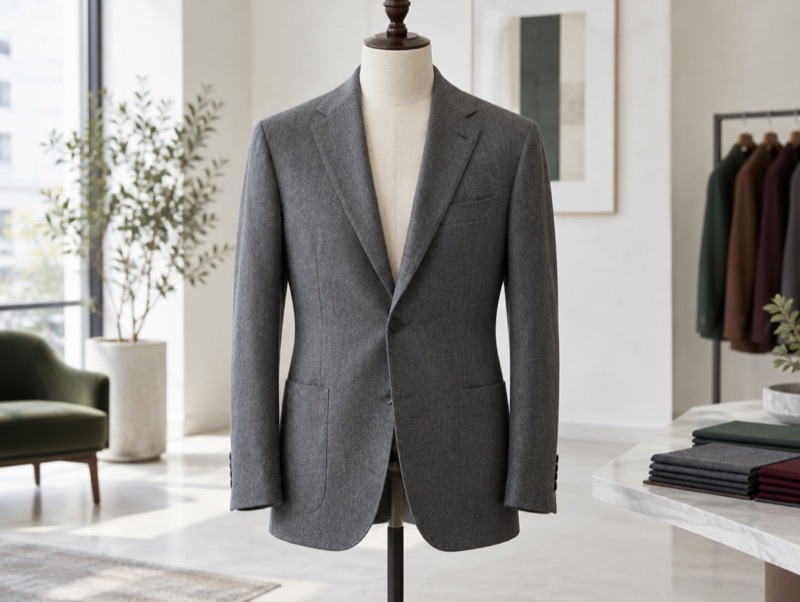 Rubinacci
Sastre a medida · Naples · 1932
Rubinacci
Sastre a medida · Naples · 1932Rubinacci is the oldest and best-known tailoring house in Naples, founded in 1932, where the soft Neapolitan jacket without heavy padding was first created.
-
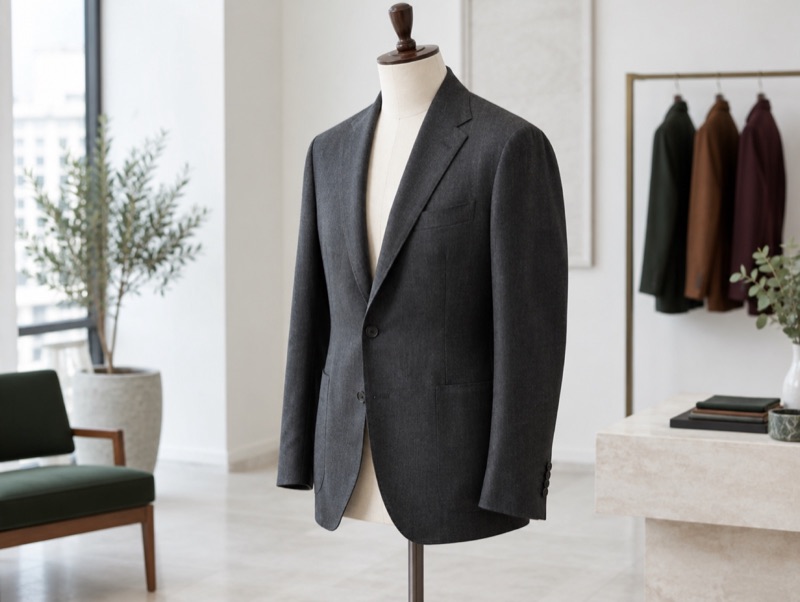 Sartoria Dalcuore
Sastre a medida · Naples
Sartoria Dalcuore
Sastre a medida · NaplesSartoria Dalcuore is a small Naples tailor known for soft, well-proportioned jackets and fine handwork, and other tailors rate it more highly than its modest fame suggests.
Cómo se confecciona
Todas las técnicas →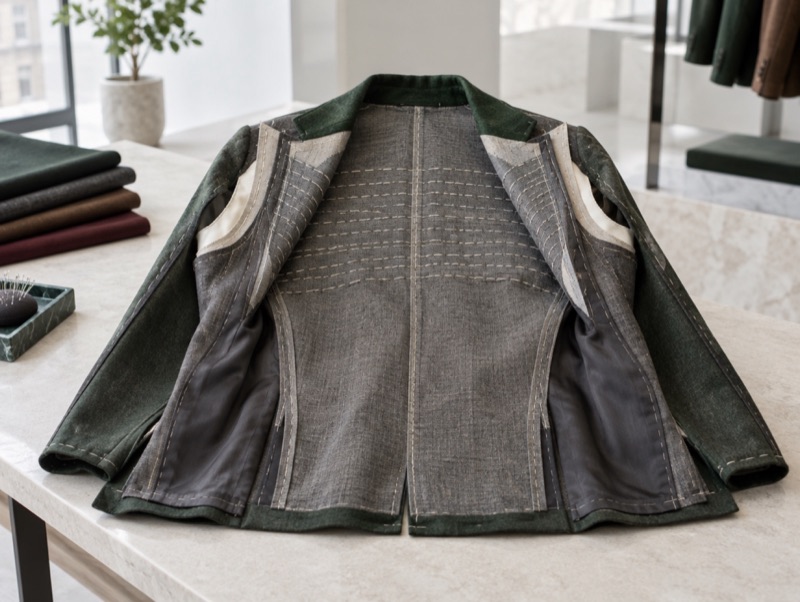 01
01
Full canvas construction
A hand-shaped skeleton of horsehair and wool, sewn (never glued) between cloth and lining.
 02
02
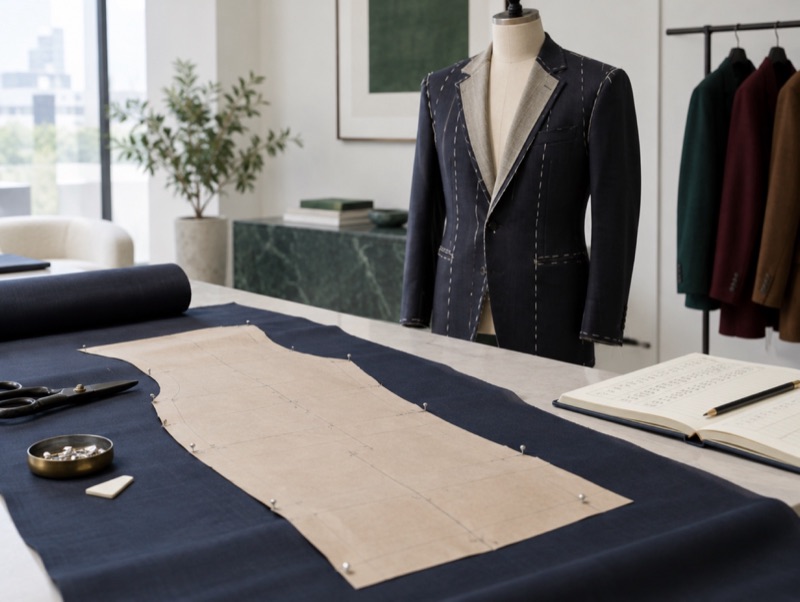
How a bespoke commission works
A bespoke commission takes four to six months of measuring, a pattern made just for you, and repeated fittings, which are what you are paying for.
 03
03
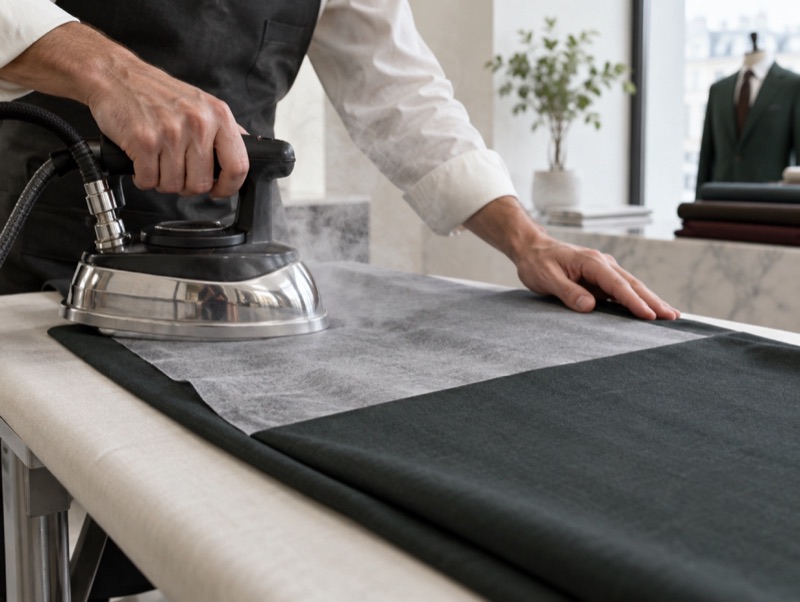
Fused construction
An interlining bonded to the cloth with heat and adhesive. Fast, cheap, and the reason most suits feel like boards.
 04
04
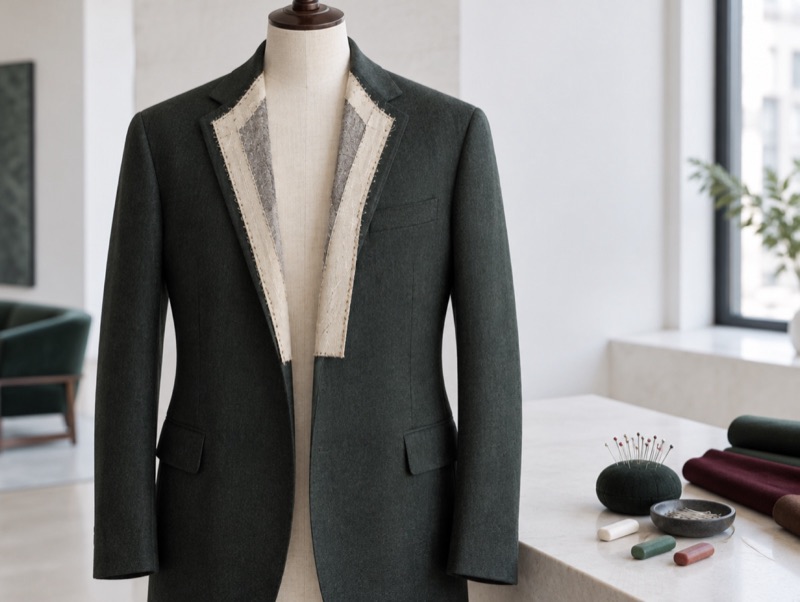
Half canvas construction
Canvas through the chest and lapel, fusible below: the compromise most good ready-to-wear makes.
 05
05
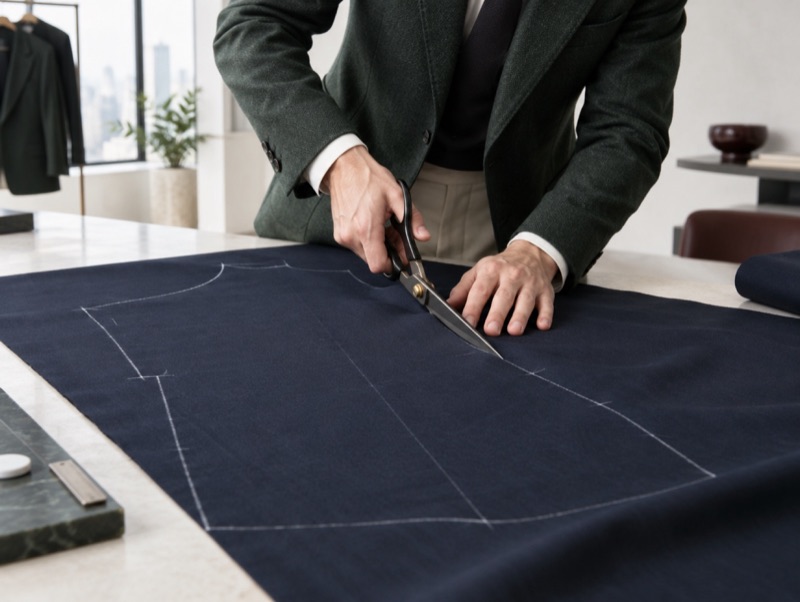
Hand cutting
One person, one pair of shears, one layer of cloth at a time.
 06
06
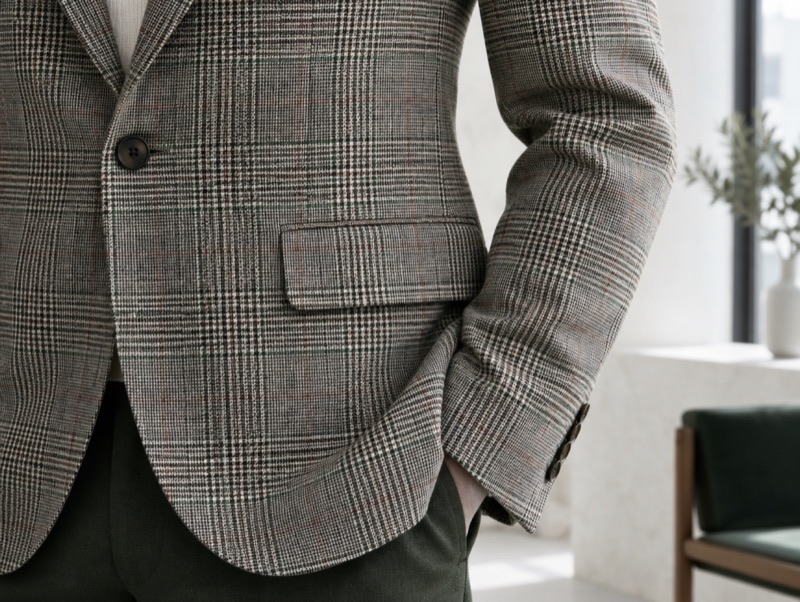
Pattern matching
Pattern matching means lining up stripes or checks across seams and pockets so the design looks unbroken, a quick sign of careful making.
-
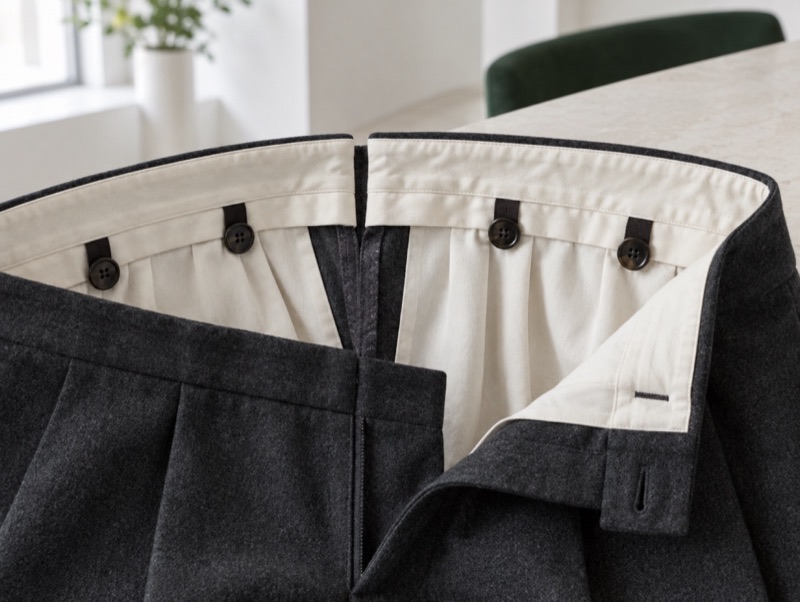 Trouser waistband construction
The least glamorous part of a suit, and the part that decides whether the trousers sit where you put them.
-
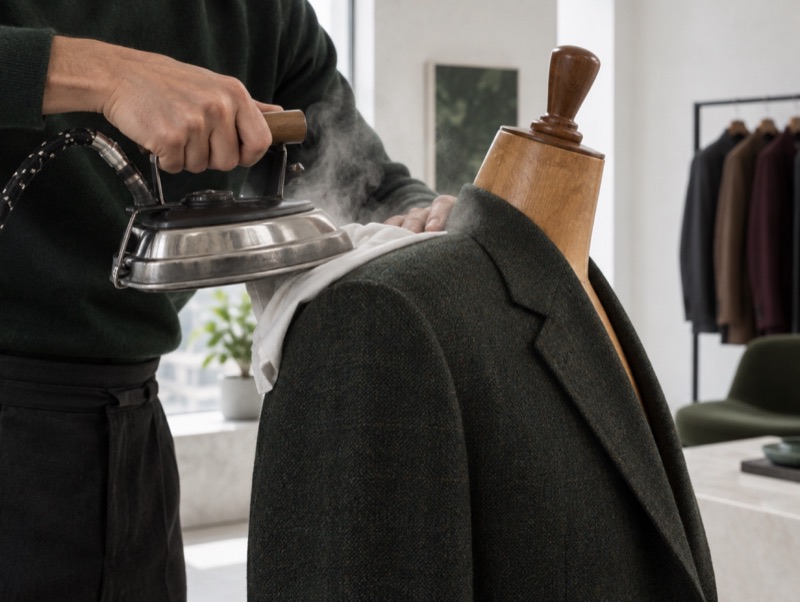 Ironwork
Ironwork is a tailor using heat, moisture and pressure to shrink and stretch wool into body-shaped curves, like a rounded shoulder, before sewing it.
-
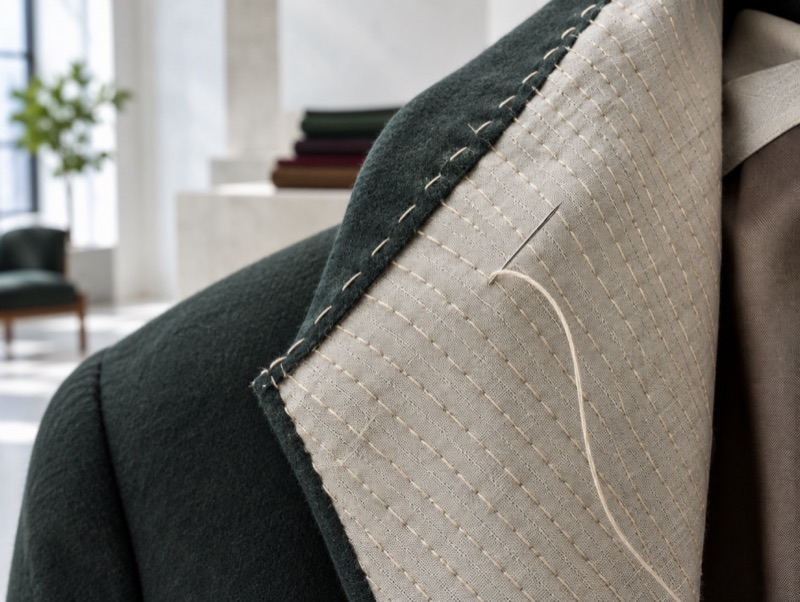 Pad stitching
Thousands of small diagonal stitches that curl flat cloth into a permanent three-dimensional shape.
-
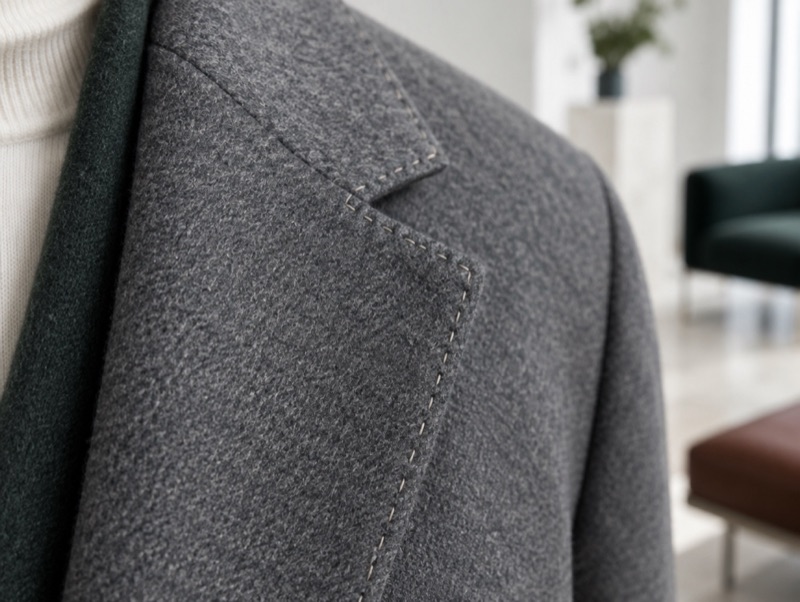 Pick stitching
The small visible stitches along a lapel edge: sometimes a hand finish, more often a machine imitating one.
-
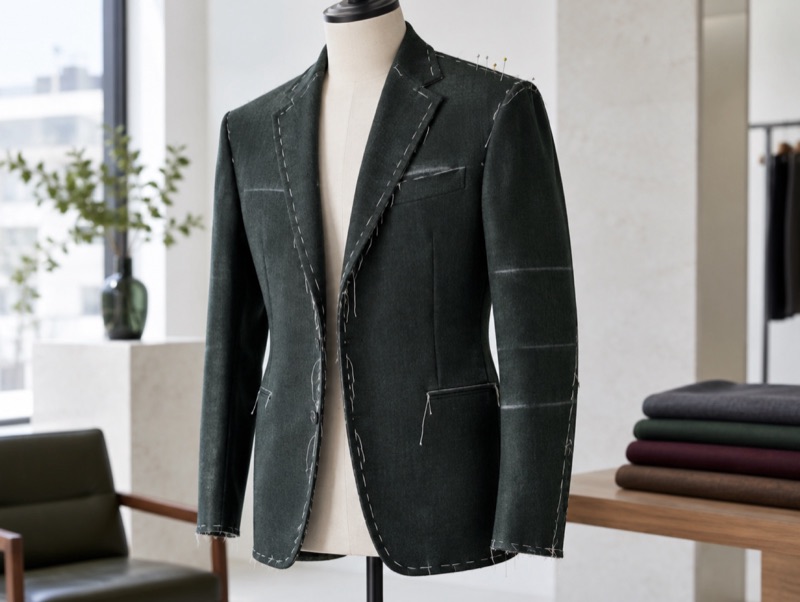 The basted fitting
A garment loosely tacked together, tried on, marked in chalk, and then taken apart again.
-
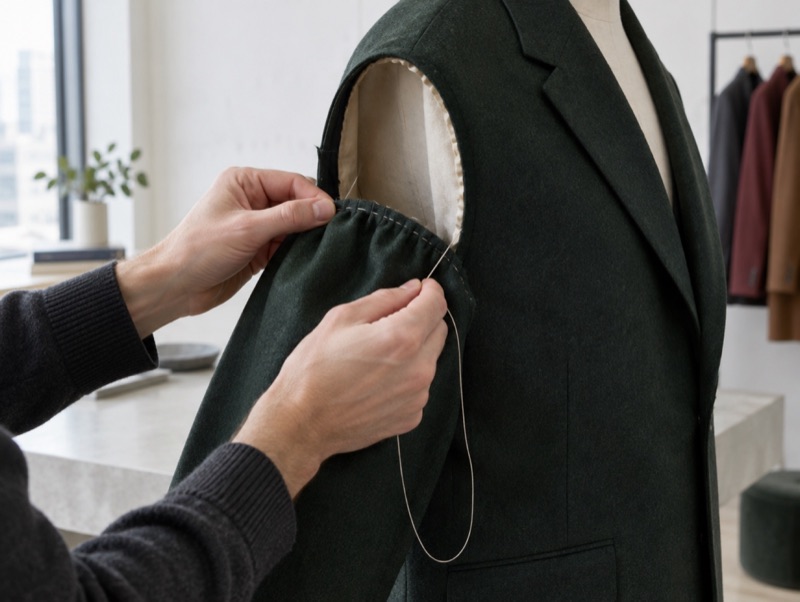 The hand-set sleeve
The one seam that most rewards a person doing it, because it is the one seam that has to be eased.
-
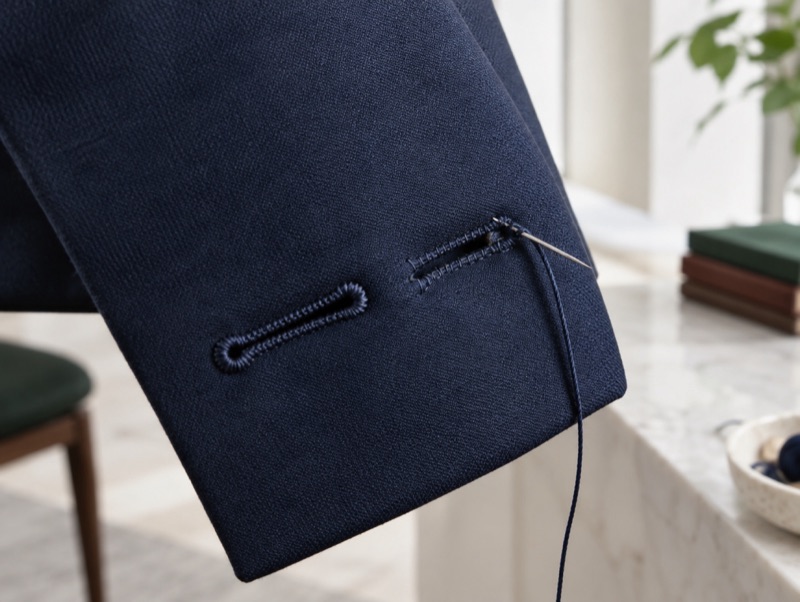 The hand-worked buttonhole
Twenty minutes of silk and gimp for a hole that a machine can cut in fifteen seconds.
-
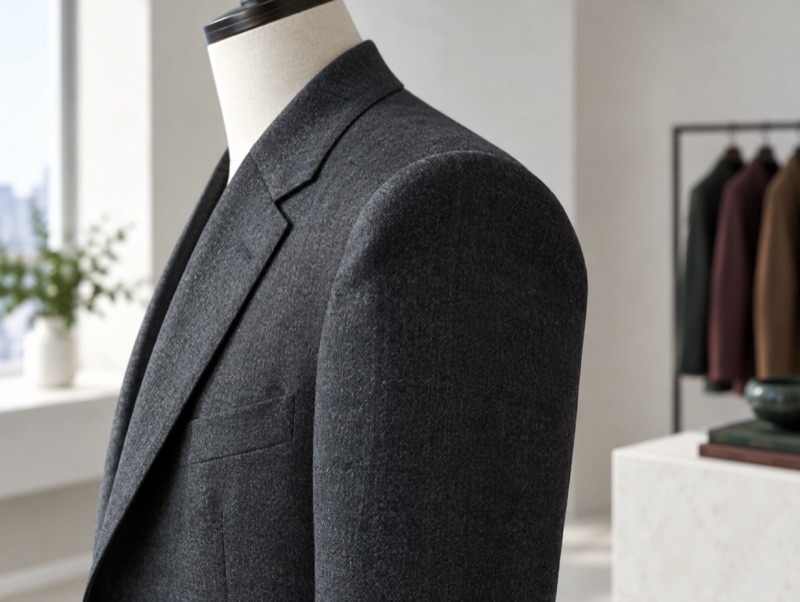 The roped shoulder
The sleeve head lifted slightly proud of the shoulder line: the opposite decision to the Neapolitan one.
Créditos fotográficos 24
- A navy suit on a valet stand: Original art · Il Sartoriale · Il Sartoriale · Il Sartoriale original art
- HK Central night Hollywood Road Bonham Strand upstairs workshop May 2016 DSC: Photograph · Hwoofuangmei · Wikimedia Commons · CC BY-SA 4.0
- An illustration of the house's recorded cut: natural shoulder, full canvas chest, drape: soft, full chest, long skirt. Not a photograph of the house's own work.: Original art · Il Sartoriale · Il Sartoriale · Il Sartoriale original art
- Brioniboutique: Photograph · Coolcaesar · Wikimedia Commons · CC BY-SA 3.0
- An illustration of the house's recorded cut: shirt shoulder, light canvas chest, soft neapolitan, high armhole. Not a photograph of the house's own work.: Original art · Il Sartoriale · Il Sartoriale · Il Sartoriale original art
- An illustration of the house's recorded cut: roped shoulder, full canvas chest, lean, high-waisted, single button. Not a photograph of the house's own work.: Original art · Il Sartoriale · Il Sartoriale · Il Sartoriale original art
- IMG Kiton Toronto: Photograph · Shanmeichen · Wikimedia Commons · CC BY 4.0
- An illustration of the house's recorded cut: soft shoulder, light canvas chest, rounded, wide lapel, dartless front. Not a photograph of the house's own work.: Original art · Il Sartoriale · Il Sartoriale · Il Sartoriale original art
- An illustration of the house's recorded cut: natural shoulder, light canvas chest, soft, short, open quarters. Not a photograph of the house's own work.: Original art · Il Sartoriale · Il Sartoriale · Il Sartoriale original art
- An illustration of the house's recorded cut: natural shoulder, light canvas chest, soft neapolitan, restrained. Not a photograph of the house's own work.: Original art · Il Sartoriale · Il Sartoriale · Il Sartoriale original art
- A jacket front showing its full canvas: Original art · Il Sartoriale · Il Sartoriale · Il Sartoriale original art
- A cutting room with pattern, basted jacket and ledger: Original art · Il Sartoriale · Il Sartoriale · Il Sartoriale original art
- Fusible interlining pressed onto cloth: Original art · Il Sartoriale · Il Sartoriale · Il Sartoriale original art
- A jacket front showing a half canvas: Original art · Il Sartoriale · Il Sartoriale · Il Sartoriale original art
- Shears cutting chalk-marked cloth: Original art · Il Sartoriale · Il Sartoriale · Il Sartoriale original art
- A check matched across a pocket flap: Original art · Il Sartoriale · Il Sartoriale · Il Sartoriale original art
- The inside of a bespoke trouser waistband: Original art · Il Sartoriale · Il Sartoriale · Il Sartoriale original art
- A tailor's iron shaping a shoulder over a ham: Original art · Il Sartoriale · Il Sartoriale · Il Sartoriale original art
- Rows of pad stitches on a lapel canvas: Original art · Il Sartoriale · Il Sartoriale · Il Sartoriale original art
- Pick stitches along a lapel edge: Original art · Il Sartoriale · Il Sartoriale · Il Sartoriale original art
- A basted jacket marked in chalk: Original art · Il Sartoriale · Il Sartoriale · Il Sartoriale original art
- A sleeve being set into an armhole by hand: Original art · Il Sartoriale · Il Sartoriale · Il Sartoriale original art
- A hand-worked silk buttonhole: Original art · Il Sartoriale · Il Sartoriale · Il Sartoriale original art
- A roped shoulder with a raised sleeve head: Original art · Il Sartoriale · Il Sartoriale · Il Sartoriale original art