Guide · Guides
What “Made in Italy” actually means
A Made in Italy label only means the last major manufacturing step happened there, so the garment may have been cut and mostly sewn elsewhere.
Country-of-origin marking records where a product last underwent substantial transformation. A garment can be cut and largely assembled elsewhere and still be marked Made in Italy if the final substantial operations happen there. The same logic applies to every other country of origin.
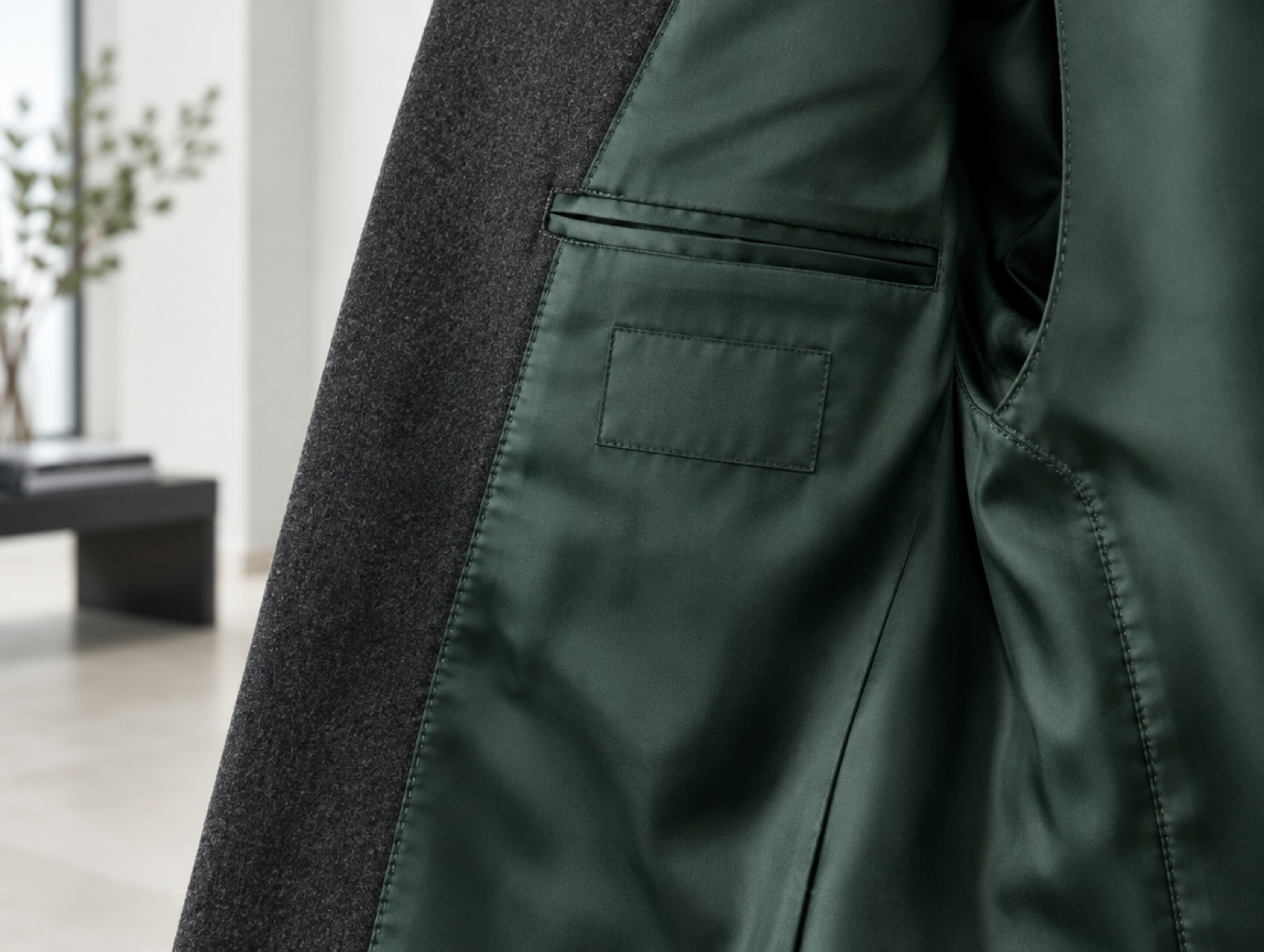
What the rule is
Origin marking in the EU and elsewhere turns on where a product last underwent a substantial transformation : a real manufacturing step that changes what the product is. For clothing this is generally taken to mean the making-up, but the boundaries are argued about and the practice varies.
The consequence is that Made in Italy covers everything from a garment cut, canvassed and hand-finished in a Neapolitan workshop to one substantially assembled abroad and finished in Italy. Both are lawful; they are not the same object.
Better questions
- Where is the cloth cut, and where is it sewn? These are frequently different places.
- Is the chest canvassed, and is the canvas stitched or fused?
- Is this made in your own factory or bought in?
- Who is the manufacturer? Some brands will name it; the answer is informative either way.
The honest position
A Portuguese-made shirt from a good factory is a better object than an Italian-made one from a poor factory. Country of manufacture is a much weaker signal of quality than almost any buyer assumes, and the specification and the factory are what matter.
What is objectionable is not offshore manufacturing. It is a brand asking a customer to pay for an implication it declines to state. A house that says plainly where and how a garment is made, including when the answer is unglamorous, is behaving better than one that says nothing.
At a glance
Picture credits 1
- A jacket lining with hand-felled seams: Original art · Il Sartoriale · Il Sartoriale · Il Sartoriale original art