ابدأ من هنا · Start Here
Understanding fabric
Fabric is described by its fibre, weight, weave and fin
A cloth is described by what it is made of, how heavy it is, how it is woven and how it was finished. Those four decide how it drapes, how warm it is, how it creases and how long it lasts. The Super number that dominates marketing measures only fibre fineness, and finer is not stronger.
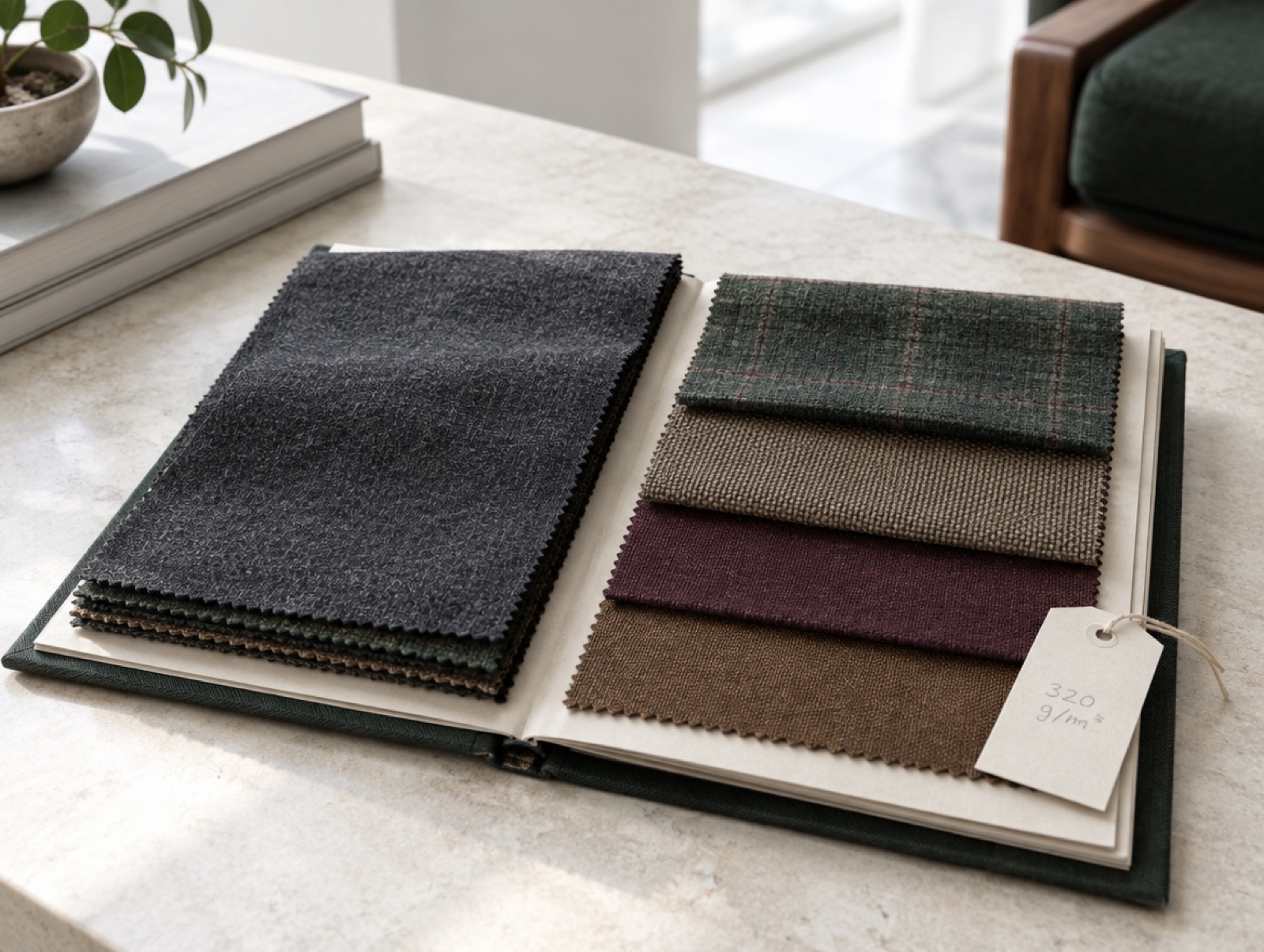
The four things that matter
- Fibre. Wool for almost everything, because it is springy, insulating, crease-resistant and, crucially, can be shaped permanently with an iron. Linen for heat, cotton for shirts, cashmere for warmth and softness, mohair for crispness.
- Weight. Ounces per yard or grams per metre. Around 9–10 oz is the modern default, 11–12 oz drapes better and tailors better, 13 oz and up is winter cloth. Weights have fallen a third since the 1950s because buildings are heated.
- Weave. Plain is firm, matte and porous; twill drapes and resists creasing; the openness of the weave decides how much air moves through it, which matters more than weight in heat.
- Finish. What happens after the loom (milling, raising, cropping) and the least documented and most consequential variable. It is why two identically specified cloths can feel nothing alike.
Super numbers
A Super number measures the maximum fibre diameter in the yarn and nothing else. Each ten Super steps is half a micron finer. Super 100s is 18.5 microns, Super 150s is 16.0.
Finer fibre feels softer against the skin. It is also weaker, holds a press less well, and wears through sooner. So a higher Super number means a more luxurious hand and a less durable suit: the opposite of what the market assumes, and every tailor will tell you so if asked.
For a suit worn weekly, Super 100s to 130s in a 10–12 ounce cloth is the useful range.
What to choose
For a first serious suit: a mid-grey or navy worsted, 11 ounces, Super 110s or 120s, in a plain weave or a birdseye. It will be wearable ten months a year, it will not date, and it will tolerate being worn.
For summer: high-twist open-weave worsted, fresco or similar, at 10 to 12 ounces. It will feel wiry in the bunch and cool on the body, and it is the single most useful thing to know about hot-weather cloth.
For a jacket: something with texture. Hopsack, flannel, tweed, linen. A smooth worsted makes a suit jacket and does not make a sport coat.
Why this framework is worth learning
Once you hold these apart, most cloth marketing becomes legible. 'Super 150s' is a statement about fibre fineness only, and says nothing about the twist that will actually determine whether your trousers crease. 'Flannel' is a finish, not a fibre. 'Tweed' is a category of finish and weave, not a place.
The practical benefit is that you can ask a tailor a question they can answer, and can tell the difference between a bunch that suits your climate and one that merely feels nice in the shop.
الصور
الترخيص →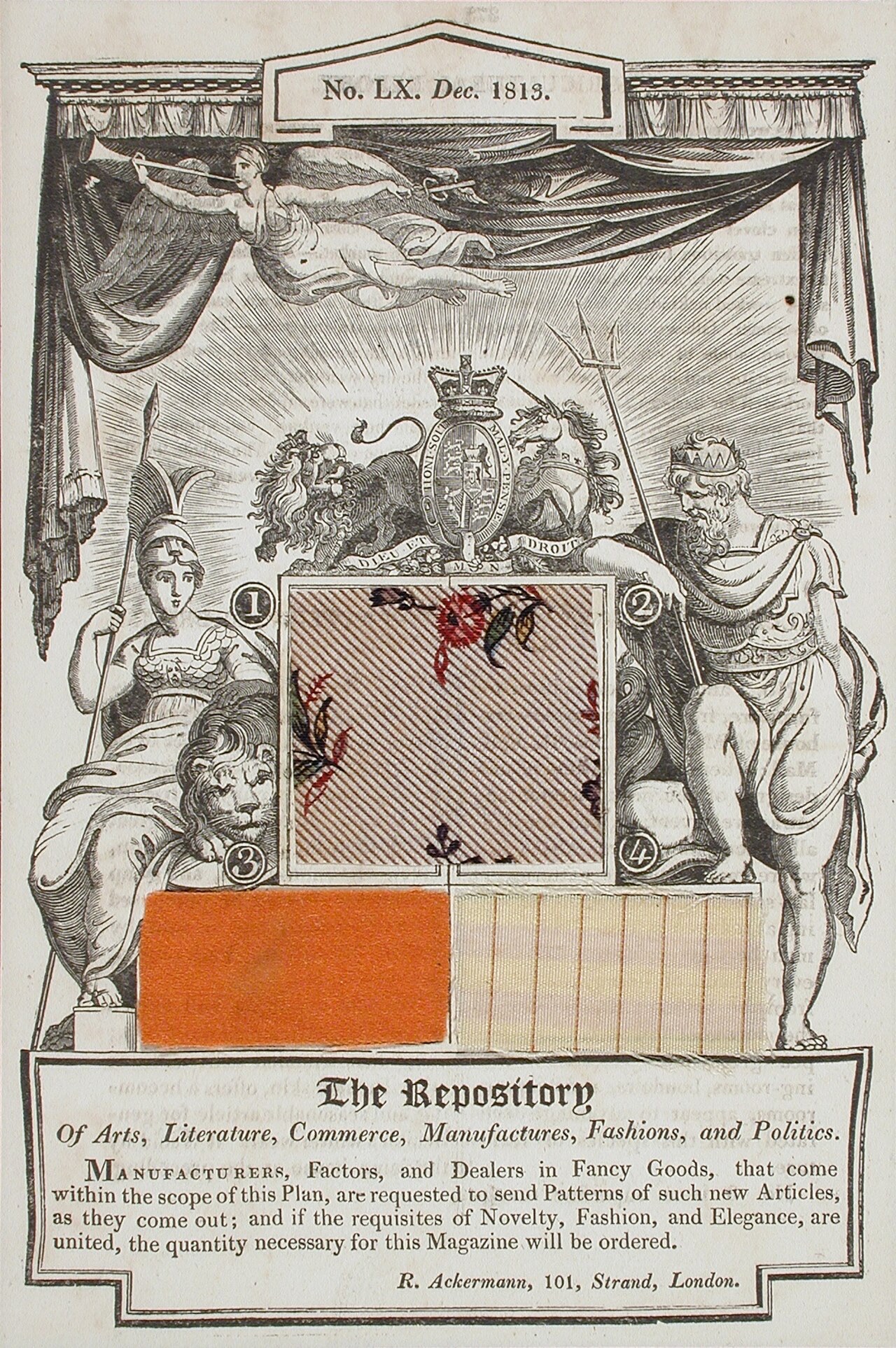
في لمحة
حقوق الصور 2
- An open cloth bunch book: Original art · Il Sartoriale · Il Sartoriale · Il Sartoriale original art
- The Repository of Arts, Literature, Commerce, Manufactures, Fashion, and Politics: No. LX: Engraving · Rudolph Ackermann (England, London, 1764-1834) · Wikimedia Commons · Public domain