9 entradas
Empiece aquí
Nueve páginas breves, en orden. Parten de que no se sabe nada y terminan con el lector en condiciones de entrar en cualquier sastrería seria y entender lo que le están mostrando.
- Why expensive clothes cost moreA £4,000 suit costs more than a £200 one mostly because of hours of skilled handwork and fittings, more than the cloth, though brand plays a part.
- Bespoke, made-to-measure and ready-to-wearReady-to-wear comes in standard sizes, made-to-measure adjusts a standard pattern, and bespoke draws a new pattern just for you, refined through fittings.
- How a great suit is actually madeA good tailored jacket has a horsehair and wool inner layer shaped with hand stitching, cloth shaped with an iron, and repeated fittings on the body.
- How a suit should fitWhen buying a suit, get the shoulders right first because they cannot be altered, while the collar, chest, sleeves, length and waist can be adjusted.
- Understanding fabricFabric is described by its fibre, weight, weave and fin
- What full canvas meansThere is a hand-shaped skeleton inside a good jacket. You can feel it in ten seconds.
- Choosing your first serious suitNavy or mid-grey, plain, eleven ounces, half canvas at least, and spend the difference on alterations.
- Understanding shoesA shoe's construction decides whether it can be resoled, which is what makes an expensive pair an investment rather than an extravagance.
- Caring for fine clothingWool mostly cleans itself with airing and brushing, so rest, brushing and good hangers keep clothes going longer than dry cleaning, which strips the fibre's oils.
Créditos fotográficos 6
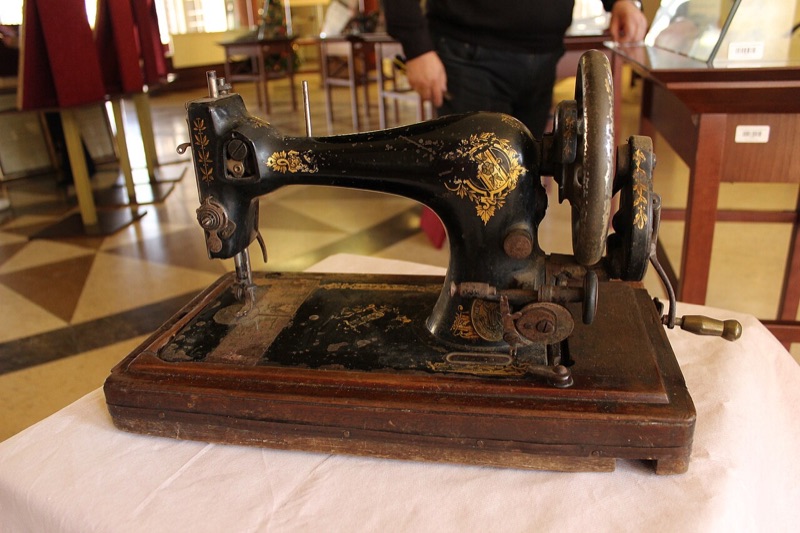
- Hand sewing machine - Macedonian tailoring craft: Photograph · Orce Wiki · Wikimedia Commons · CC BY-SA 4.0
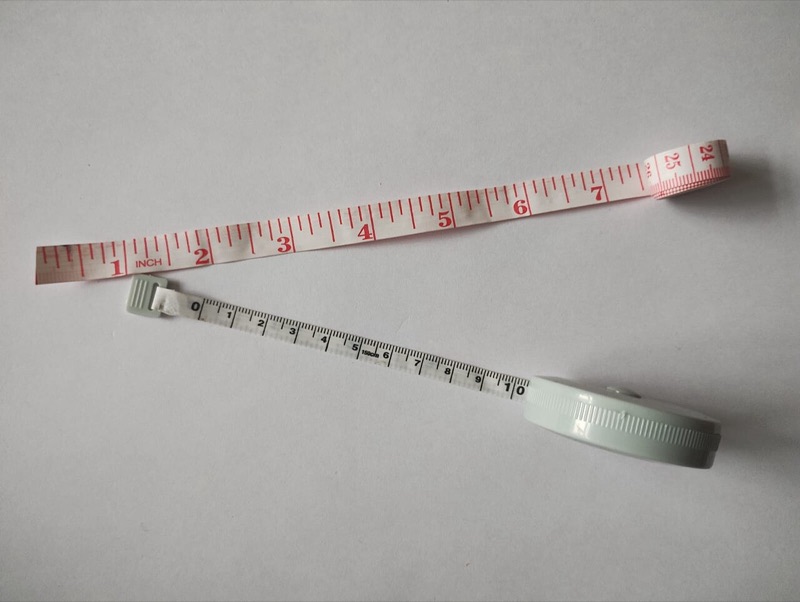
- Tailor's measuring tapes: Photograph · Muszkietqa · Wikimedia Commons · CC BY 4.0
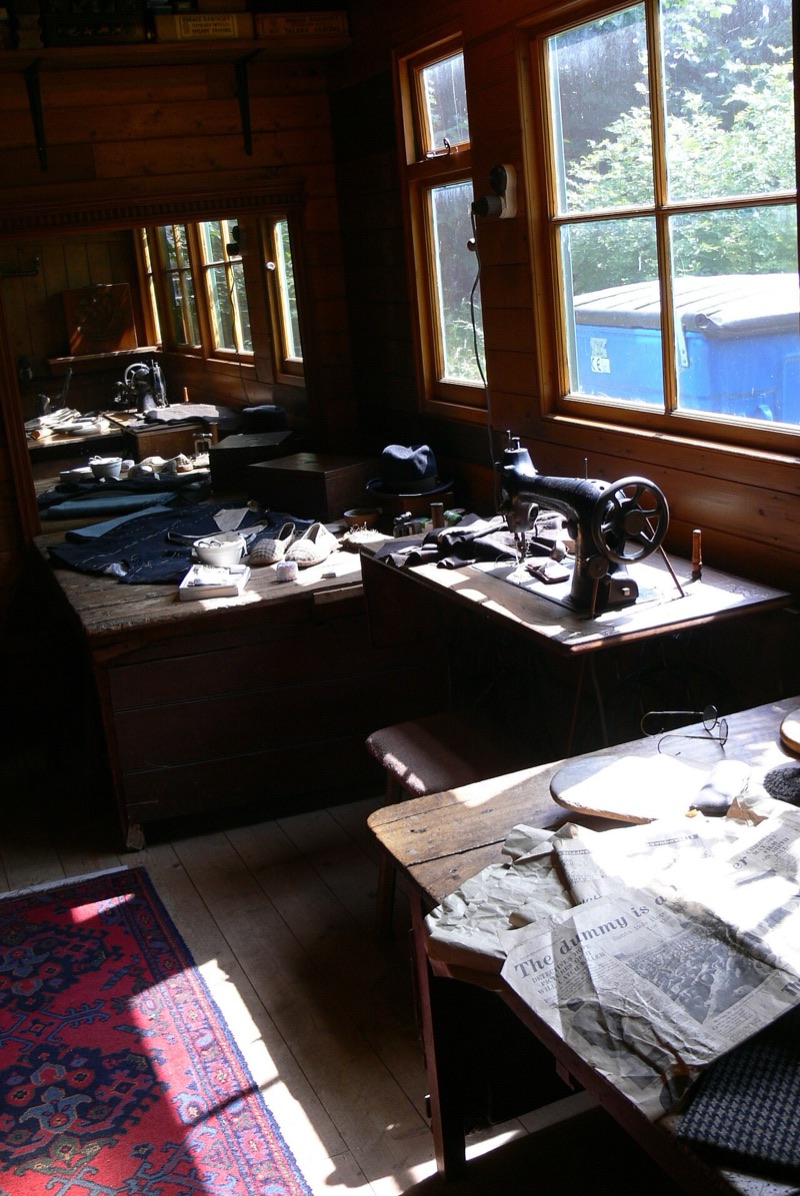
- Tailor´s shop - Werkstatt 1: Photograph · Wolfgang Sauber · Wikimedia Commons · CC BY-SA 3.0
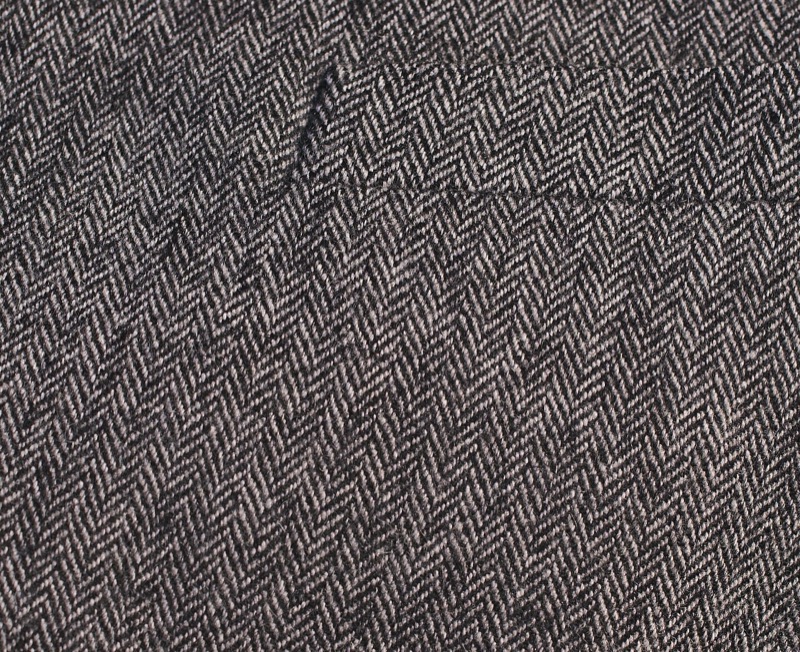
- HerringbonePatternCloth: Photograph · Thermos · Wikimedia Commons · CC BY-SA 2.5
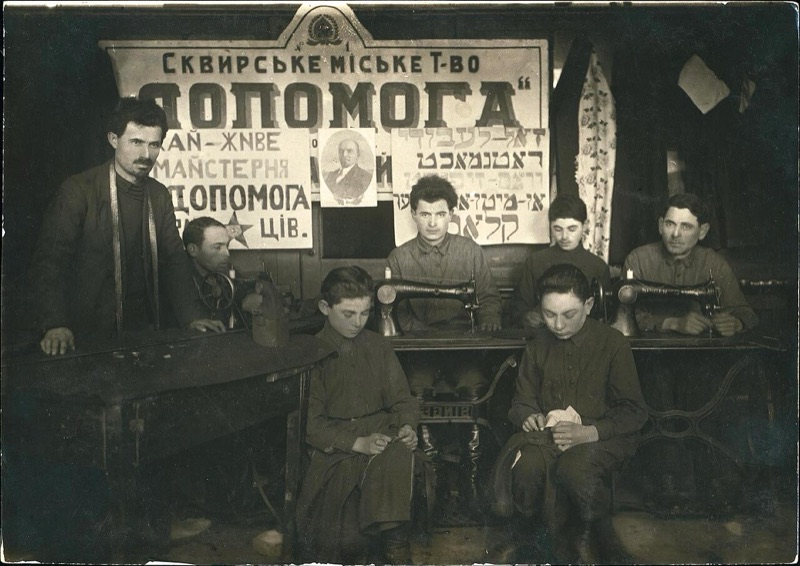
- Tailoring workshop in Skvyra: Photograph · Unknown author · Wikimedia Commons · Public domain
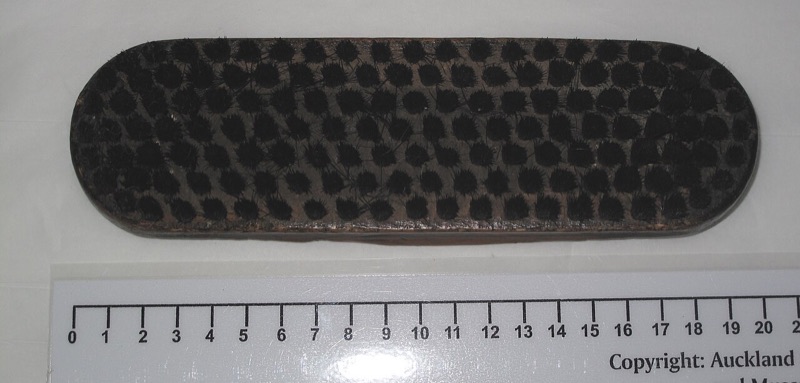
- Brush, clothes: Photograph · API data Catalogue record Photo · Wikimedia Commons · CC BY 4.0