Tailoring style · United Kingdom
Savile Row
Savile Row jackets are shaped by hand around a horsehair and wool inner layer, giving defined shoulders, a nipped waist and an upright look for decades.
The English style builds a jacket around a hand-shaped canvas of horsehair and wool. The shoulder is defined, the chest is full and clean, the waist is suppressed and the skirt is long. It makes a man look upright and substantial, a two-piece suit takes some fifty hours of hand labour, and it lasts for decades.
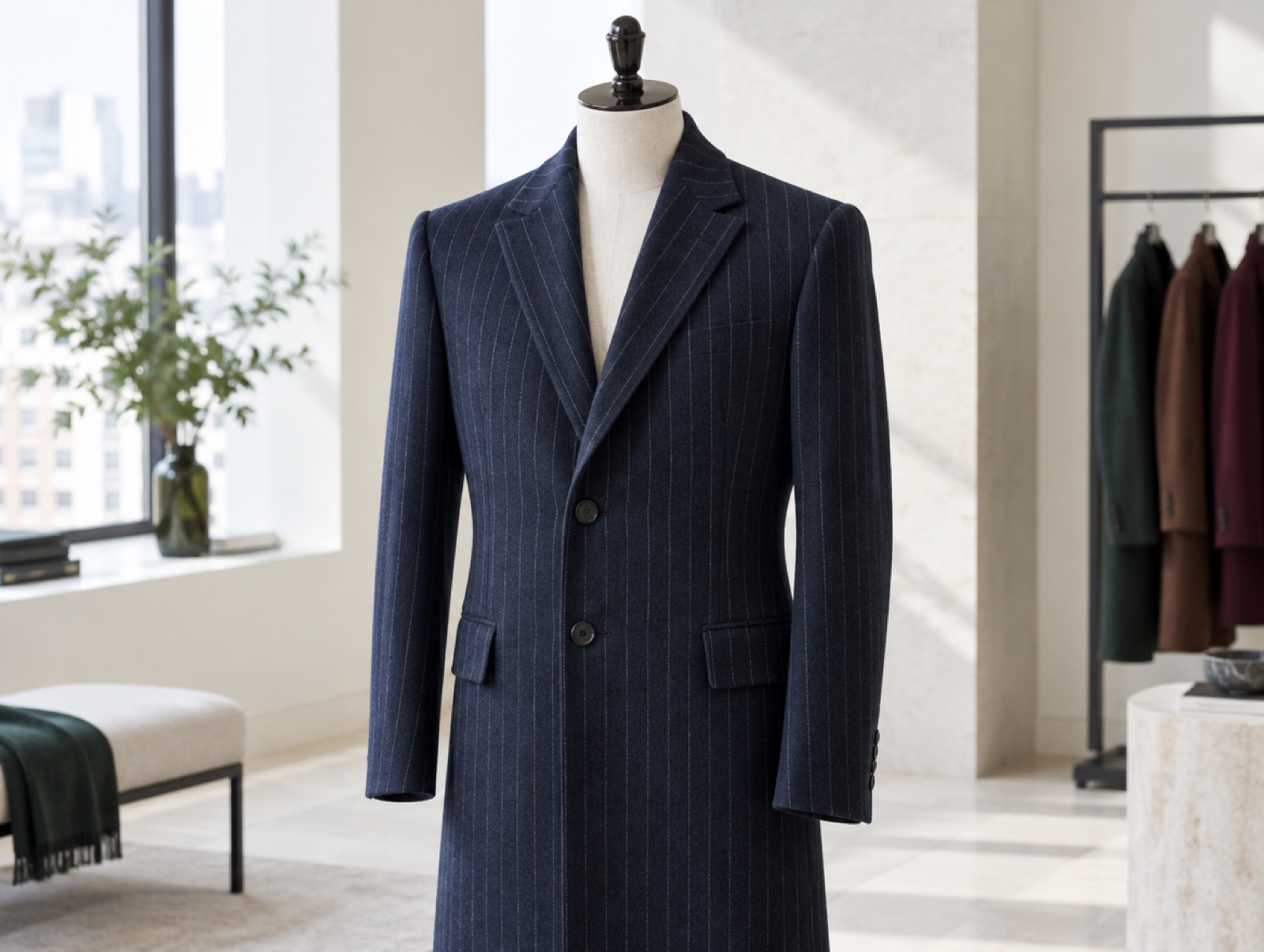
Structure as the method
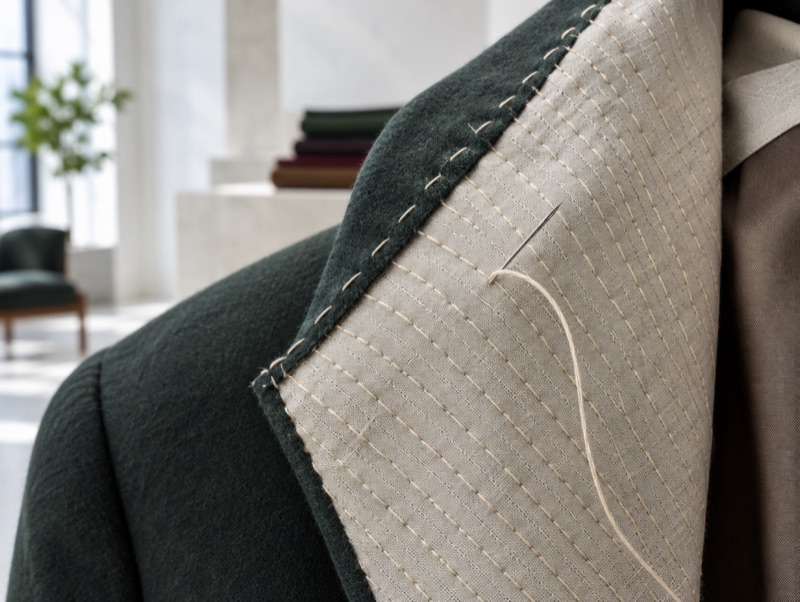
Between the cloth and the lining of an English coat sits a canvas (horsehair, wool and linen) that has been shaped by hand. Rows of pad stitching curl the canvas into a permanent chest and roll the lapel. Nothing is glued. The result is a garment with an internal skeleton, which is why an English coat can impose a shape rather than merely follow one, and why it survives being worn, pressed and altered for thirty years.
Everything else follows. The shoulder is defined because a structure exists to define it. Cloth is heavier because heavier cloth takes and holds a press. The skirt is longer and the waist marked, because the whole silhouette is designed to be seen standing up in a room.
Drape and its opposite
The Row is not one style. The most consequential division runs between drape and clean-cut.
The drape cut, associated with Frederick Scholte, who tailored for the Duke of Windsor, and carried on by Anderson & Sheppard, leaves a little extra cloth over the chest and shoulder blades, so the coat hangs with a soft vertical fullness and moves with the wearer. It flatters a thin man by suggesting a larger chest, and it is comfortable in a way structured tailoring often is not.
The clean cut (Huntsman is the standard example) does the opposite: close to the body, lean through the chest, waist high and marked, frequently a single button. It reads as sharp and slightly severe, and it is less forgiving of a figure that is not already good.
How the work is divided
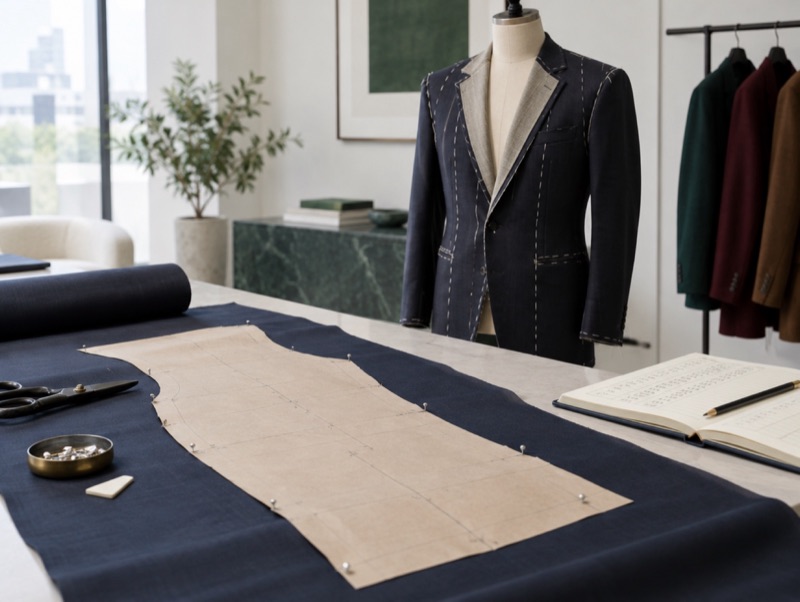
A London house separates cutting from making. The cutter measures the customer, drafts a paper pattern for him alone, cuts the cloth, and runs the fittings; the coat then goes to a coatmaker, the trousers to a trouser maker, the waistcoat to another specialist. Traditionally these makers are paid by the piece and work off-premises, often at home.
This is why the cutter's name matters more than the house's, why houses are so protective of their cutters, and why the trade's crisis is a shortage of makers rather than of customers. It is also why fittings are the product: a bespoke garment is not defined by handwork alone but by the fact that it is made, looked at on the body, taken apart and made again.
Images
Licensing →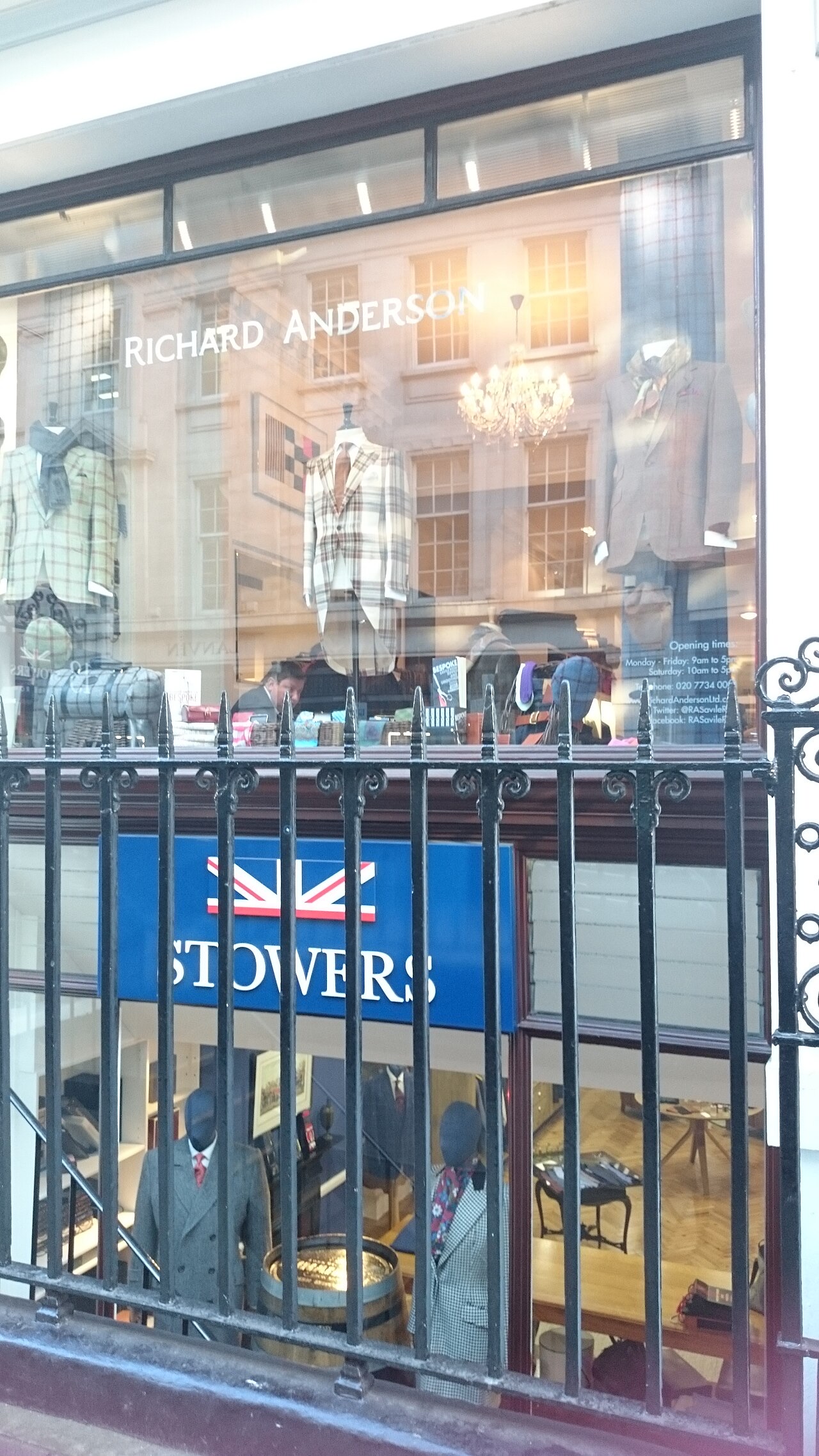
At a glance
Houses working in this tradition
 01
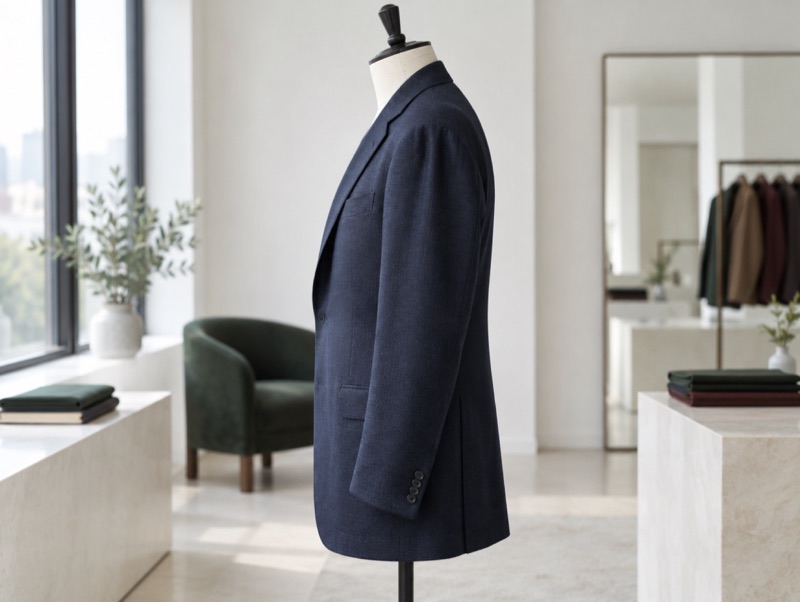
Anderson & Sheppard
Anderson & Sheppard, the softest Savile Row tailor, cuts jackets with extra cloth across the chest so they hang softly and move with you.
 02
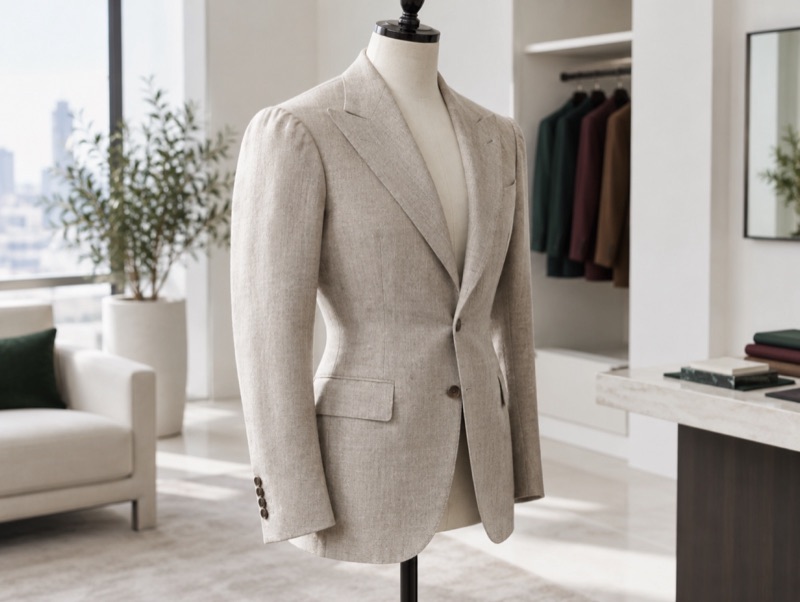
Chittleborough & Morgan
The other inheritors of Nutters, cutting a coat with more shape than almost anyone.
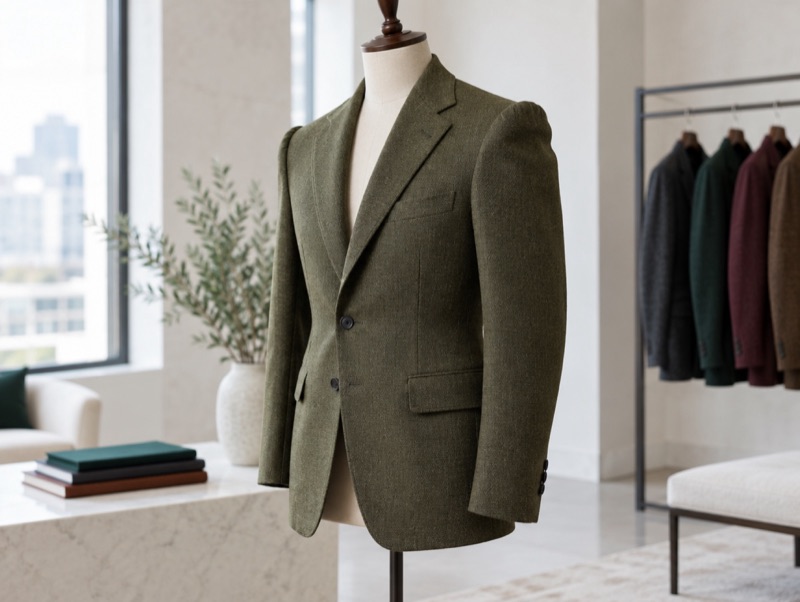 03
Dege & Skinner
Dege & Skinner is a family-owned Savile Row tailor known for military and ceremonial uniforms, and rare in making custom shirts in the same building.
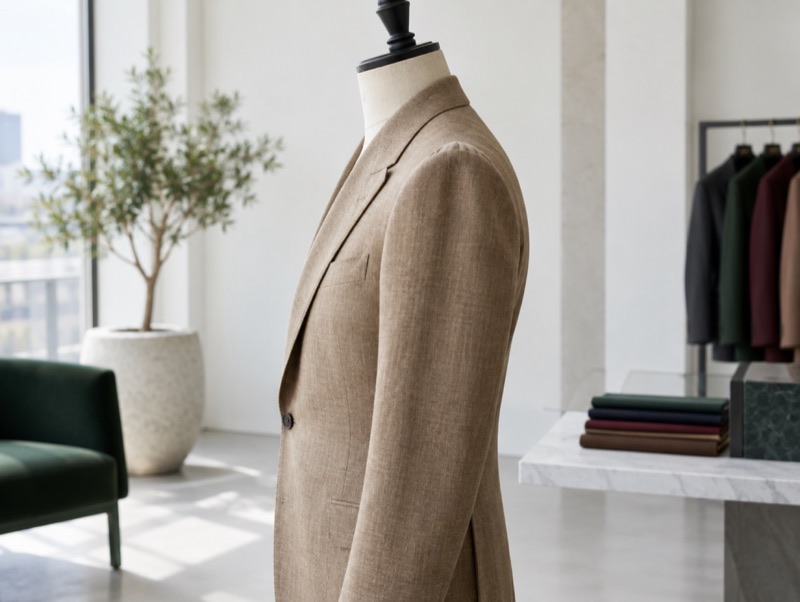 04
Gieves & Hawkes
Gieves & Hawkes, at 1 Savile Row, is a tailor born from two old military firms, known for uniforms, royal warrants and firmly built English jackets.
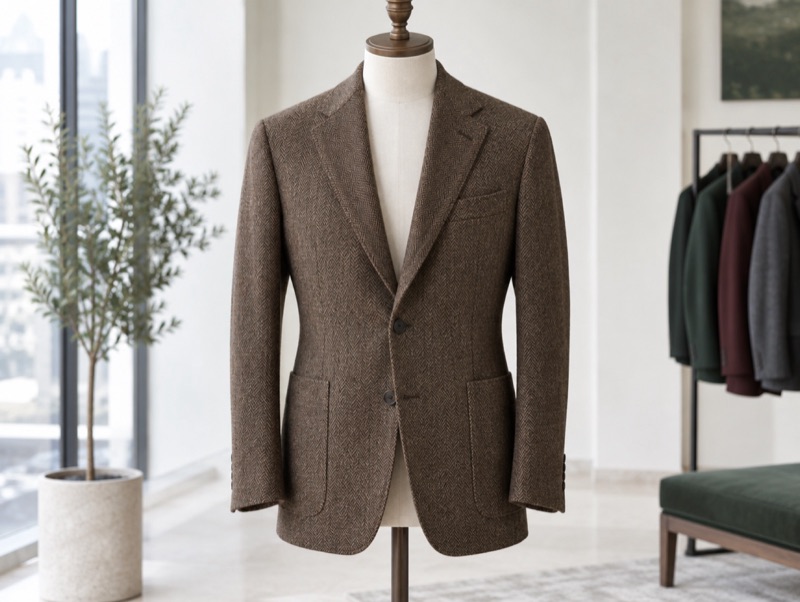 05
Henry Poole & Co
Henry Poole & Co is one of Savile Row's oldest tailors and made the Prince of Wales's 1865 evening jacket that led to the dinner jacket and tuxedo.
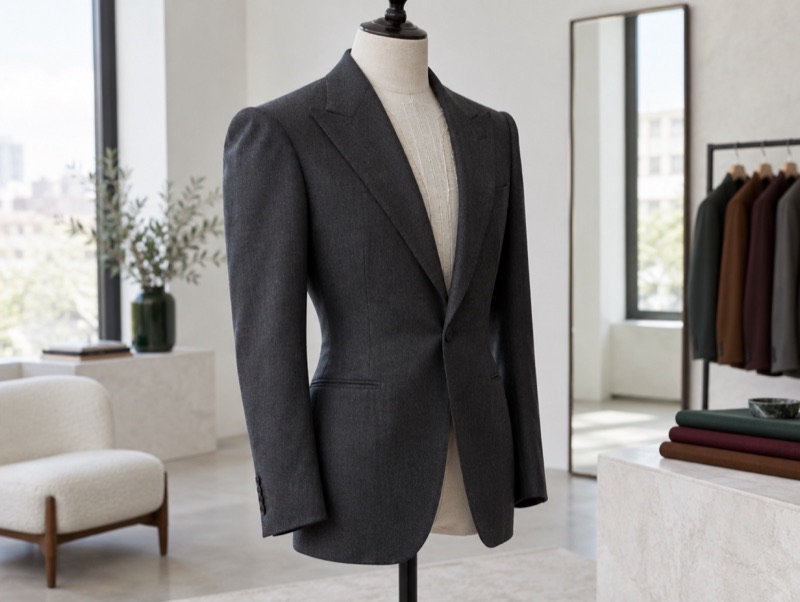 06
Huntsman
Huntsman, Savile Row's sharpest tailor, makes lean jackets with strong shoulders, a high nipped waist and usually one button, rooted in riding clothes.
-
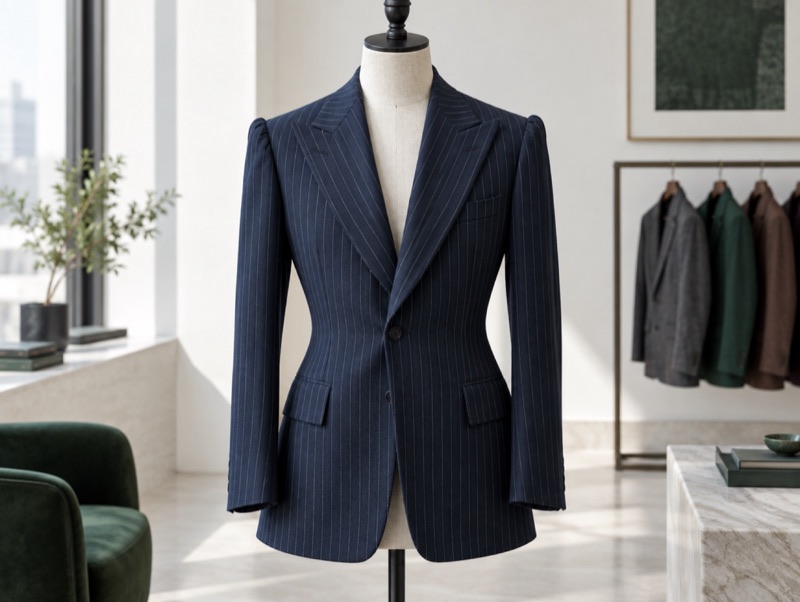 Edward Sexton
London
Edward Sexton is the house of the tailor who shook up Savile Row in 1969, still making bold jackets with huge lapels, strong shoulders, nipped waists.
-
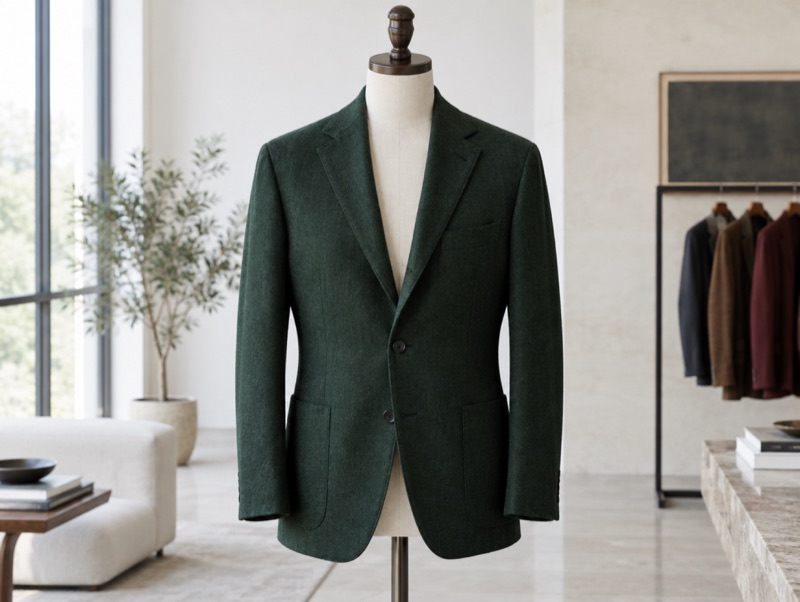 Steven Hitchcock
London
The drape cut, carried on outside Anderson & Sheppard by a tailor who grew up in it.
-
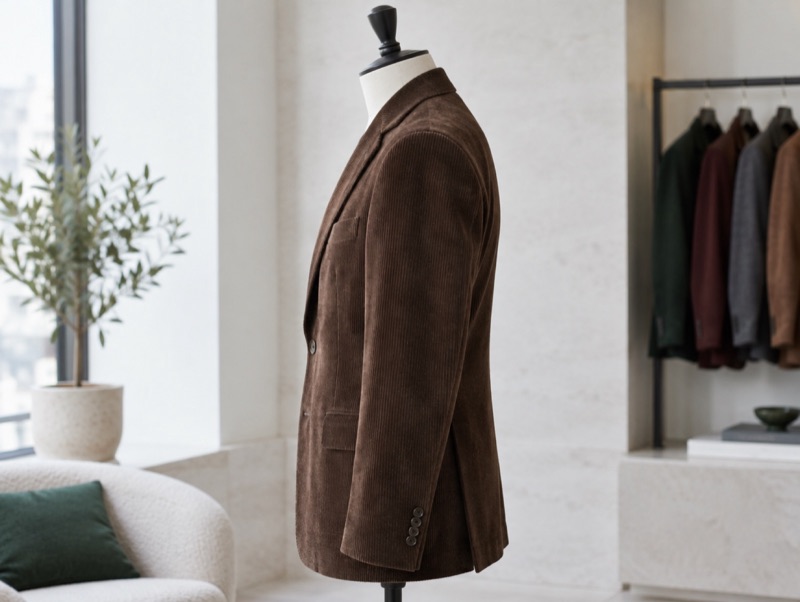 Thom Sweeney
London
A younger London house cutting a softer, more Italian-inflected English coat.
-
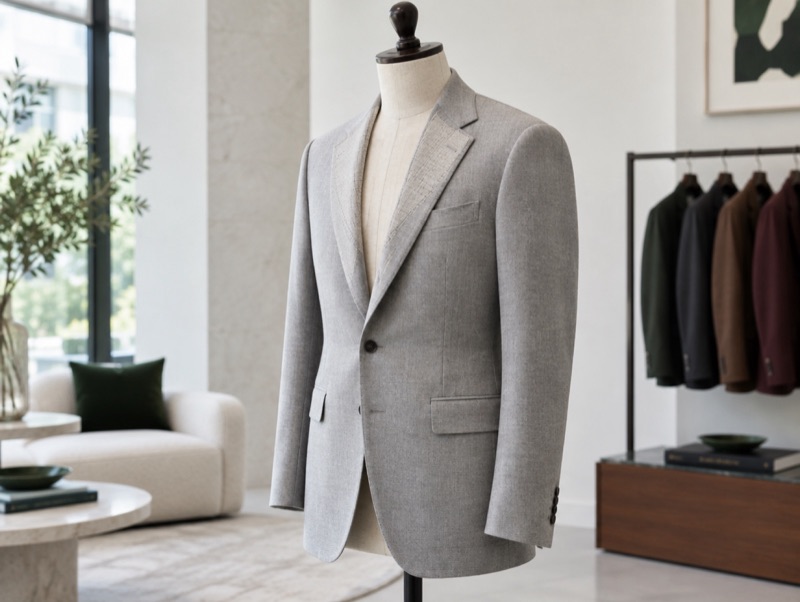 Whitcomb & Shaftesbury
London
A London house that says plainly that some of its making happens in India.
-
Richard Anderson
London · 2001
Huntsman's former head cutter and managing director, who opened their own door on the Row in 2001.
How it is made
All techniques →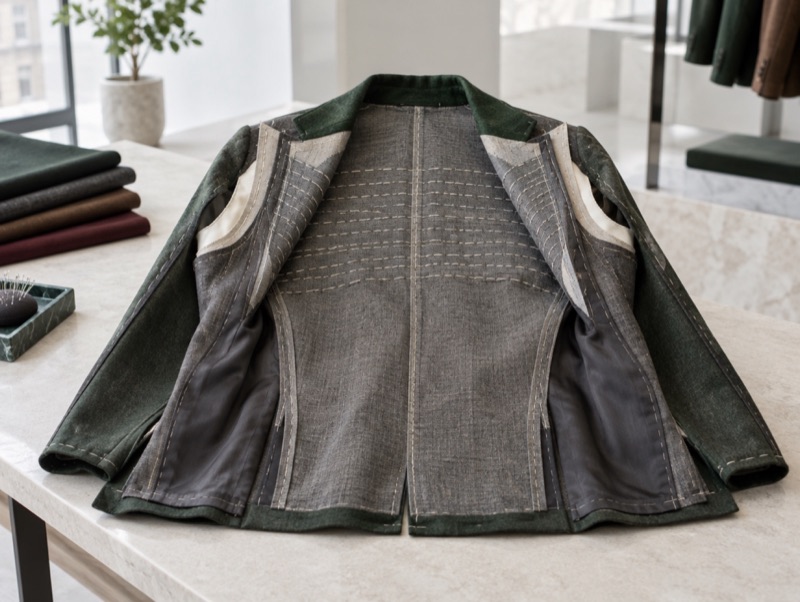 01
Full canvas construction
A hand-shaped skeleton of horsehair and wool, sewn (never glued) between cloth and lining.
 02
Pad stitching
Rows of small diagonal stitches that curl flat cloth into a permanent three-dimensional shape.
 03
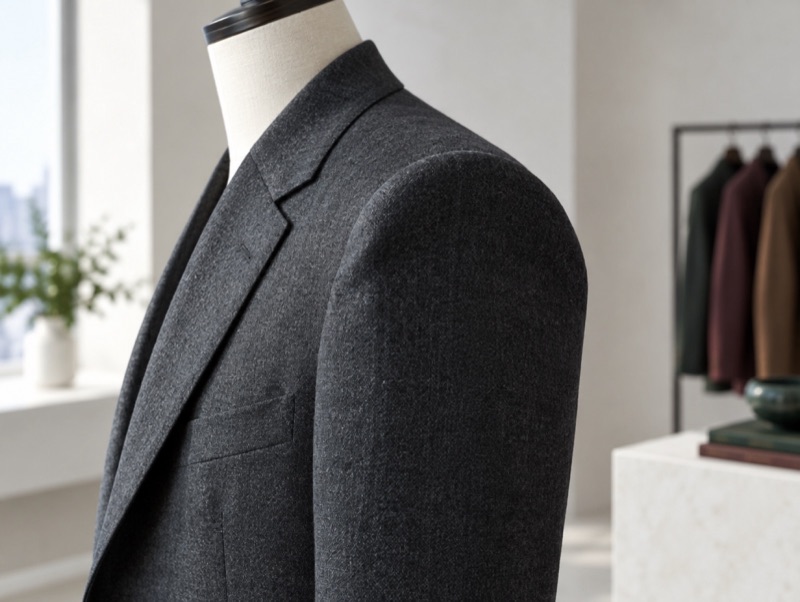
The roped shoulder
The sleeve head lifted slightly proud of the shoulder line: the opposite decision to the Neapolitan one.
 04
How a bespoke commission works
A bespoke commission takes months of measuring, a pattern made just for you, and repeated fittings, which are what you are paying for.
Sources
- Savile Row Bespoke Association standards , Savile Row Bespoke Association.
- About Us - Savile Row Bespoke , savilerowbespoke.com. Consulted in the November 2026 fact-check.
- Membership Requirements - Savile Row Bespoke , savilerowbespoke.com. Consulted in the November 2026 fact-check.
Where a figure is disputed or a house has not published it, the page says so rather than choosing a number.
Picture credits 16
- A structured English-cut coat on a dummy: Original art · Il Sartoriale · Il Sartoriale · Il Sartoriale original art
- Richard Anderson 2017: Photograph · Toxophilus · Wikimedia Commons · CC BY-SA 4.0
- AI-generated illustration of a bespoke tailored jacket: Original art · Il Sartoriale · Il Sartoriale · Il Sartoriale original art
- AI-generated illustration of a bespoke tailored jacket: Original art · Il Sartoriale · Il Sartoriale · Il Sartoriale original art
- AI-generated illustration of a bespoke tailored jacket: Original art · Il Sartoriale · Il Sartoriale · Il Sartoriale original art
- AI-generated illustration of a bespoke tailored jacket: Original art · Il Sartoriale · Il Sartoriale · Il Sartoriale original art
- AI-generated illustration of a bespoke tailored jacket: Original art · Il Sartoriale · Il Sartoriale · Il Sartoriale original art
- AI-generated illustration of a bespoke tailored jacket: Original art · Il Sartoriale · Il Sartoriale · Il Sartoriale original art
- AI-generated illustration of a bespoke tailored jacket: Original art · Il Sartoriale · Il Sartoriale · Il Sartoriale original art
- AI-generated illustration of a bespoke tailored jacket: Original art · Il Sartoriale · Il Sartoriale · Il Sartoriale original art
- AI-generated illustration of a bespoke tailored jacket: Original art · Il Sartoriale · Il Sartoriale · Il Sartoriale original art
- AI-generated illustration of a bespoke tailored jacket: Original art · Il Sartoriale · Il Sartoriale · Il Sartoriale original art
- A jacket front showing its full canvas: Original art · Il Sartoriale · Il Sartoriale · Il Sartoriale original art
- Rows of pad stitches on a lapel canvas: Original art · Il Sartoriale · Il Sartoriale · Il Sartoriale original art
- A roped shoulder with a raised sleeve head: Original art · Il Sartoriale · Il Sartoriale · Il Sartoriale original art
- A cutting room with pattern, basted jacket and ledger: Original art · Il Sartoriale · Il Sartoriale · Il Sartoriale original art