Craftsman · Artisans
Edward Sexton
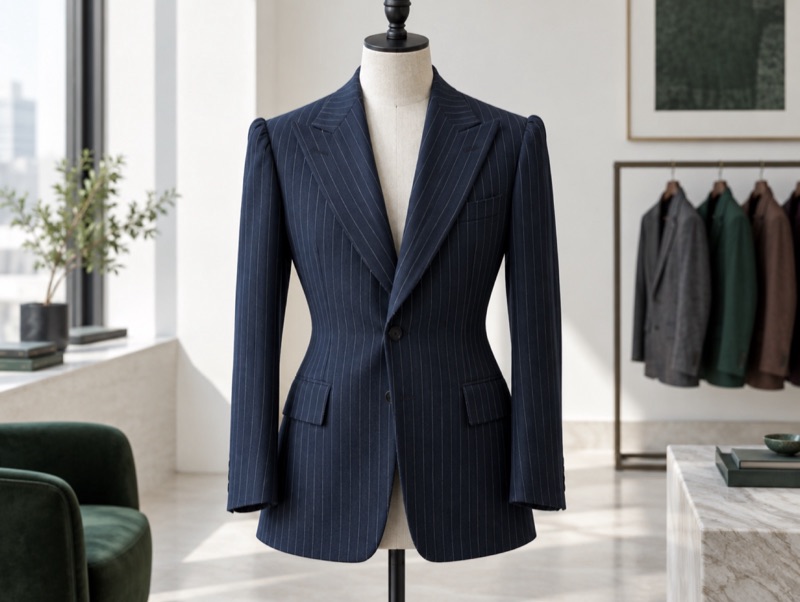
Edward Sexton was a London tailor, first at Nutters of Savile Row, whose jackets had huge pointed lapels, high strong shoulders and a tightly pulled-in waist.
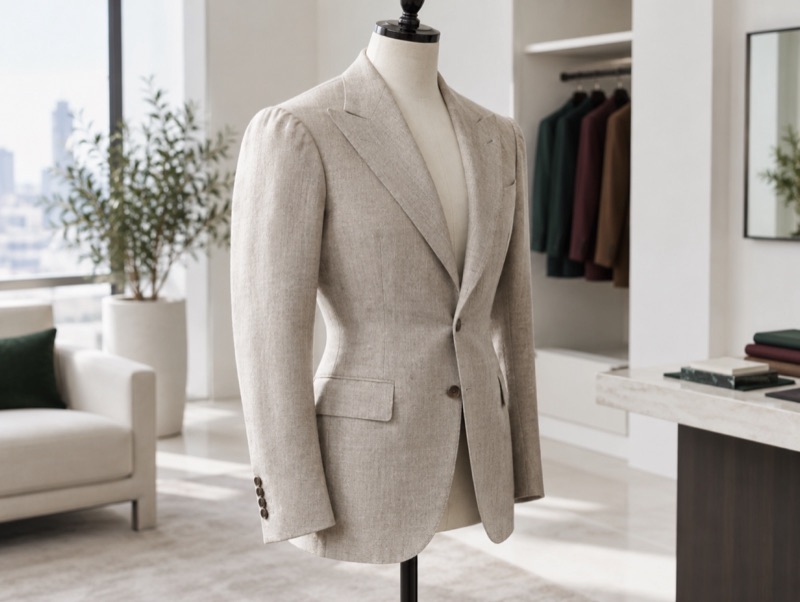
Sexton cut for Nutters of Savile Row from 1969 and then under his own name for decades. The shape he developed (a very wide peaked lapel, a high strongly built shoulder, a sharply suppressed waist and a flared skirt) used entirely traditional construction to make something that looked nothing like traditional Savile Row.
Traditional method, contemporary result
The construction under a Sexton coat is orthodox English tailoring: a hand-padded canvas, a built shoulder, hand-set sleeves. What changed was proportion, and proportion is where a house style actually lives.
It demonstrated something the Row needed demonstrating in 1969: that bespoke tailoring was a method rather than a period style, and could serve any aesthetic a cutter chose.
Transmission
The house that carries his name continues the silhouette, and Chittleborough & Morgan, founded by two other Nutters alumni, cuts a related shape in a different direction.
Two of the most distinctive houses on Savile Row therefore descend from a shop that operated for a handful of years, which says something about how much a single cutting room can matter.
Cutting for a different customer
Nutters dressed musicians, actors and their circle at a moment when Savile Row's clientele was ageing and its shopfronts were discreet to the point of invisibility. Putting a window display in was, in that context, a deliberate provocation.
The commercial argument turned out to be right, and several of the street's later revivals (new houses founded by departing cutters, ready-to-wear lines, a public profile) follow from what Nutters demonstrated.
The cutter, as distinct from the house
Savile Row's public names are firms; its actual continuity is cutters. Sexton is the clearest illustration: the silhouette followed the man through more than one business, and customers followed the silhouette.
For anyone commissioning, the practical lesson is to establish who will cut the pattern before caring which door it is behind.
At a glance
Houses working in this tradition
Picture credits 3
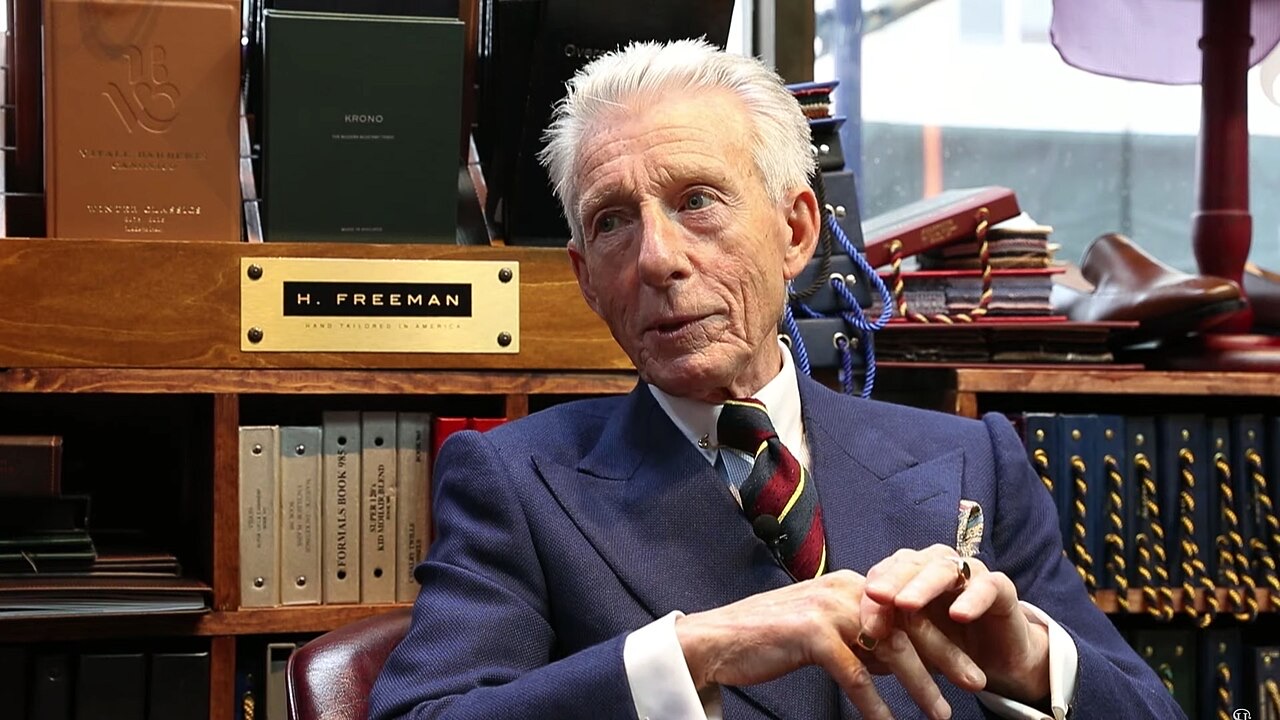
- Edward Sexton, interview, seated indoors (October 2016): Photograph · He Spoke Style · Wikimedia Commons · CC BY 3.0
- An illustration of the house's recorded cut: roped shoulder, full canvas chest, wide peaked lapel, nipped waist, flared skirt. Not a photograph of the house's own work.: Original art · Il Sartoriale · Il Sartoriale · Il Sartoriale original art
- An illustration of the house's recorded cut: roped shoulder, full canvas chest, strongly shaped, high waist, distinctive lapel. Not a photograph of the house's own work.: Original art · Il Sartoriale · Il Sartoriale · Il Sartoriale original art