Technique · Shoemaking
Norwegian construction
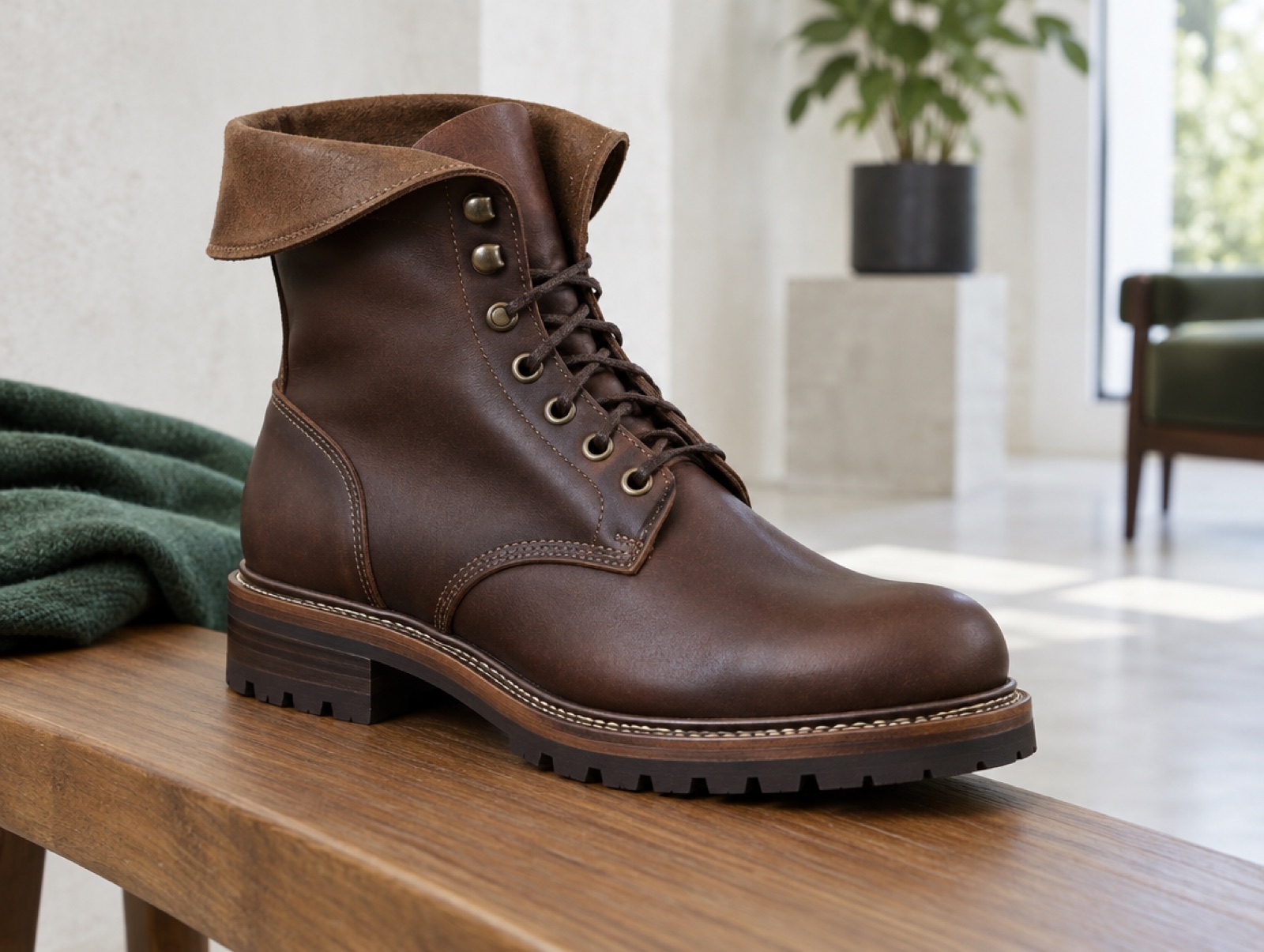
Norwegian construction turns the shoe's leather outward and stitches it twice, leaving two visible rows of stitching that make a strong, very water-resistant shoe.
In Norwegian construction the upper is turned outward at the feather edge and stitched through both vertically and horizontally, producing two visible rows of stitching around the shoe. It is highly water-resistant, very strong, and among the most difficult constructions to execute well.
Why the upper turns out
Turning the upper outward and stitching it to the welt from above closes the joint between upper and sole much more completely than a conventional welt. Alpine and hunting boots were built this way for exactly that reason.
The Italian tradition, norvegese, took the construction into dress shoes, where the double row of hand stitching around the perimeter is entirely visible and is meant to be. Some houses go further still, adding a decorative braided or twisted stitch.
When it makes sense
For a genuinely weatherproof shoe or boot, the double seal at the joint is real engineering and works. For a city dress shoe it is decoration: heavy, bulky at the waist, and conspicuous. Both uses are legitimate. Confusing the two produces a very expensive shoe that is wrong for everything it will actually be worn to.
Why it is difficult
Turning the upper outward and stitching through it twice means every error is on the outside of the shoe, in a line running the whole way round. There is nowhere to hide an uneven stitch, and the leather has to be worked wet and lasted hard to take the turn cleanly. That is why the construction is used as a demonstration piece by Italian makers, and why a badly executed norvegese looks considerably worse than a badly executed Goodyear welt.
En un coup d'œil
Qui travaille avec
Maisons et fabricants présents sur ce site avec un lien documenté avec Norwegian construction.
 01
Technique
01
Technique Goodyear welting
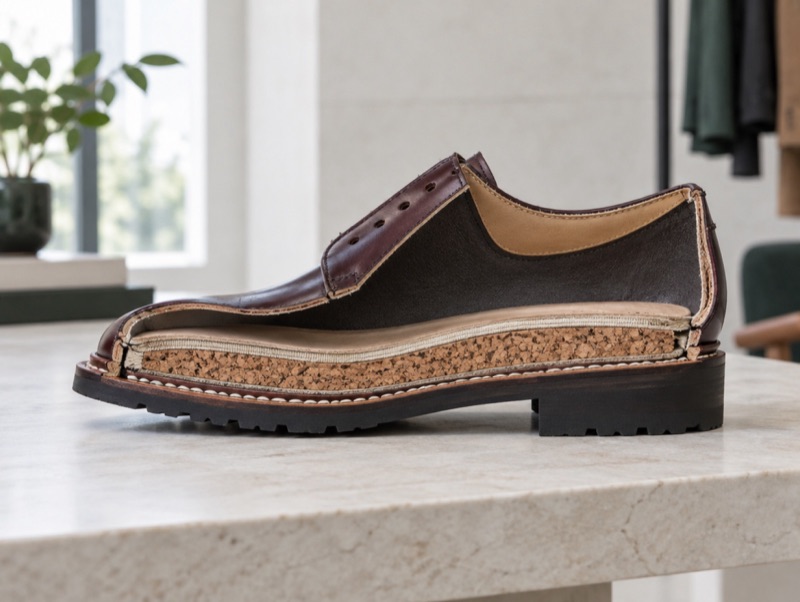
Goodyear welting is the durable machine-stitched construction used on good English and American shoes, letting a worn sole be replaced without touching the top.
 02
Technique
02
Technique Hand welting
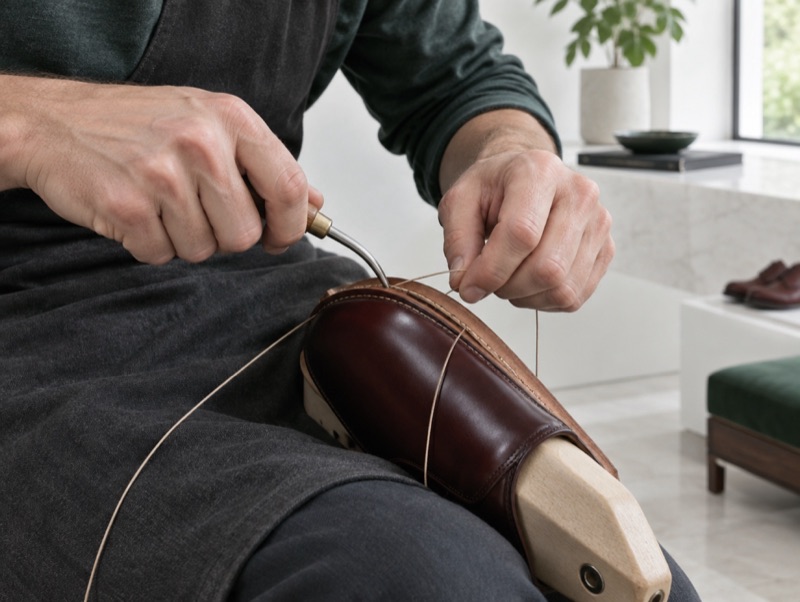
The shoemaking equivalent of a hand-padded canvas: slow, invisible, and the basis of everything above it.
 03
Vêtement
03
Vêtement Boots
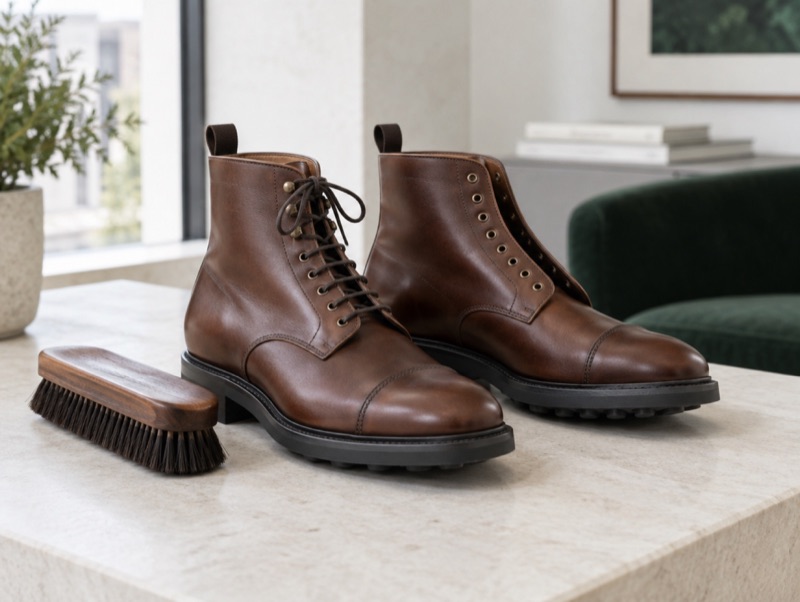
A boot is any shoe that covers the ankle, with classic menswear styles including the elastic-sided Chelsea, the unlined chukka and the heavy country boot.
 04
Tissu
04
Tissu Leather
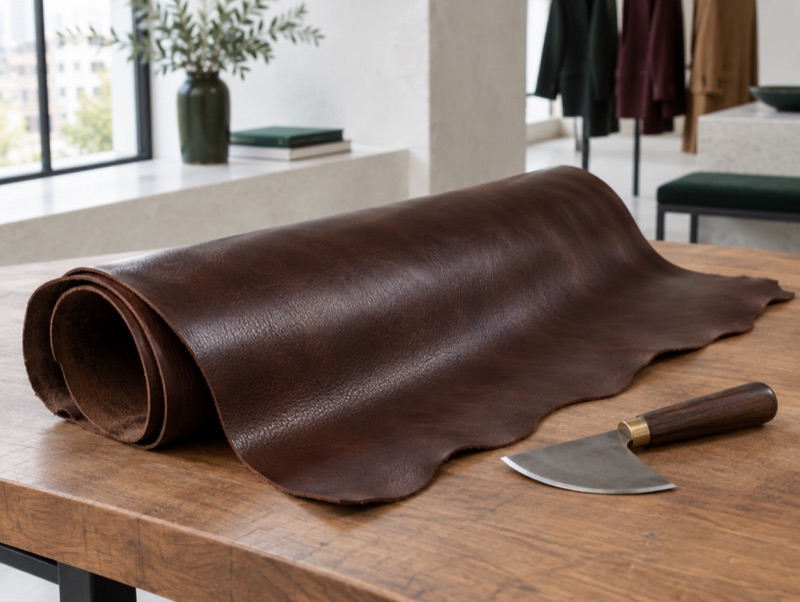
Leather is treated animal hide, and how good it is depends on the animal, the layer of skin used and how it was tanned.
Crédits photographiques 5
- A boot with a double-stitched storm welt: Original art · Il Sartoriale · Il Sartoriale · Il Sartoriale original art
- A welted shoe cut in cross-section: Original art · Il Sartoriale · Il Sartoriale · Il Sartoriale original art
- Hand-stitching a welt to an insole: Original art · Il Sartoriale · Il Sartoriale · Il Sartoriale original art
- Brown leather ankle boots: Original art · Il Sartoriale · Il Sartoriale · Il Sartoriale original art
- A rolled calf hide on a tanner's bench: Original art · Il Sartoriale · Il Sartoriale · Il Sartoriale original art