Technique · Shoemaking
The last
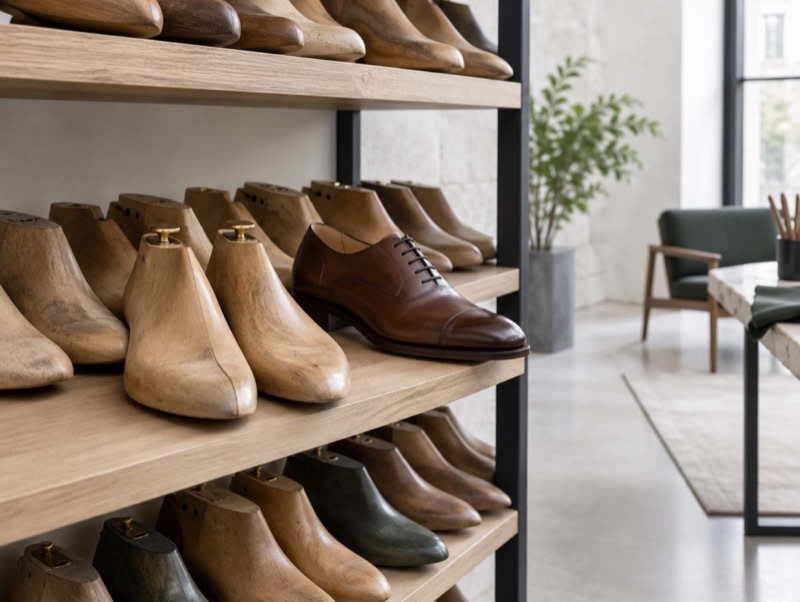
A last is the designed wooden foot form a shoe is built around, and it sets how the shoe fits and looks.
A last is the form a shoe is built around. It is not a model of the foot; it is a designed object that accounts for how a foot changes under load, where a shoe must grip and where it must release. Ready-to-wear lasts define a maker's fit and house look; a bespoke last is carved for one person.
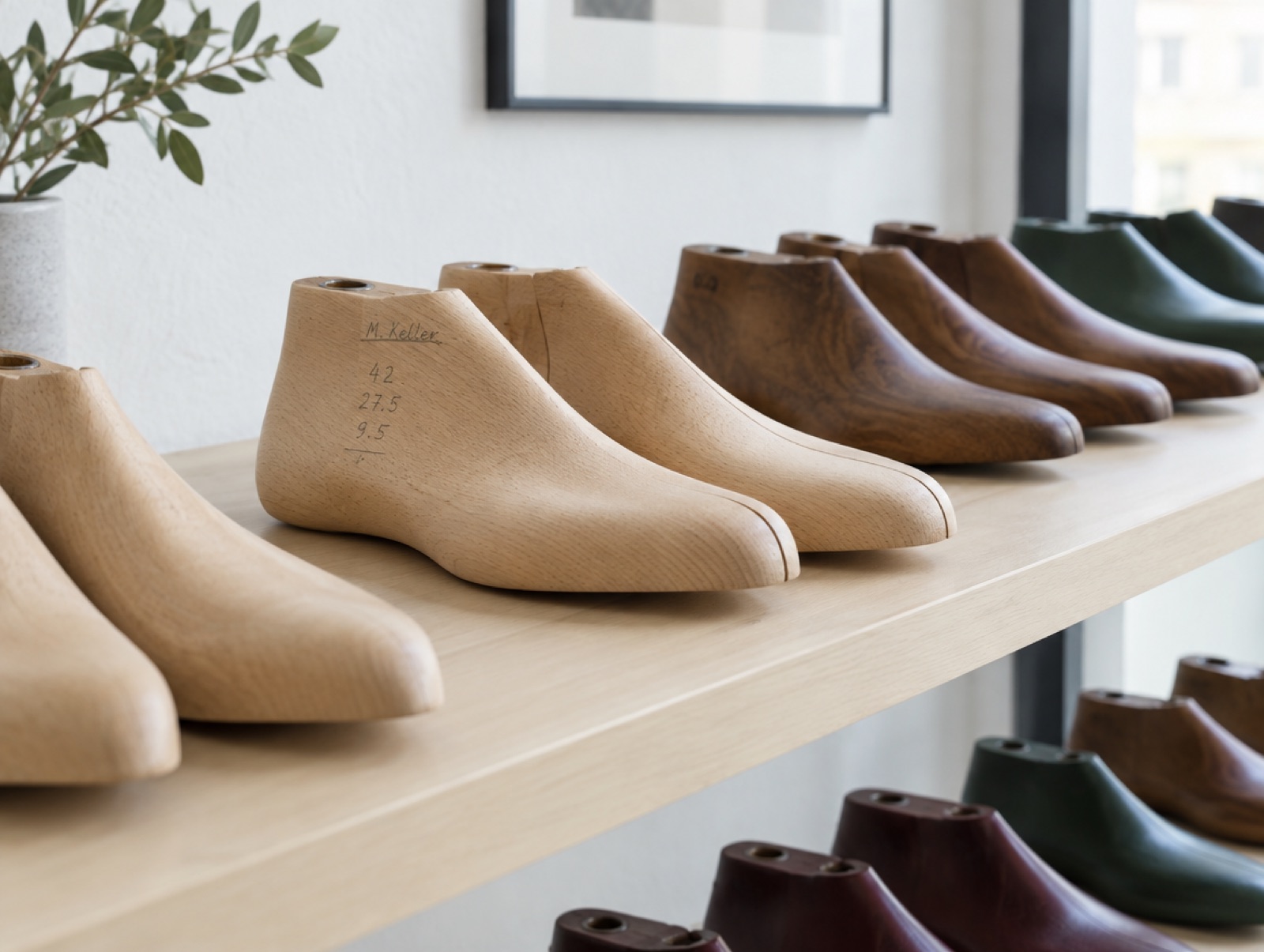
Not a copy of a foot
A foot lengthens and spreads under weight, flexes at the joint, and needs to be held at the heel and instep while having room at the toes. A last that simply replicated a static foot would produce a shoe that slipped at the heel and crushed the toes in walking.
So a last is a deliberate distortion: tight where the shoe must hold, generous where the foot moves, with a toe shape that is a design decision rather than an anatomical one. Two lasts can fit the same foot equally well and look completely different.
Reading a maker by its lasts
Ready-to-wear shoemakers are largely defined by their lasts, and the good ones name and number them. A last number tells you the shape, the fit through the instep, the toe, and often the intended sizing behaviour, which is why experienced buyers talk about lasts rather than models.
It also means fit is house-specific in a way size alone cannot capture. The same nominal size in two lasts from the same maker can fit very differently.
Bespoke lasts
Made for one customer from measurements, tracings and observation of both feet, which differ. Traditionally carved in hornbeam or maple; increasingly roughed out by machine and finished by hand. The maker keeps it, adjusts it after the trial shoe, and uses it for every subsequent pair.
A well-made bespoke last is the reason bespoke shoes are worth their price to people with difficult feet, and the reason they are a poor value proposition for someone whose feet fit a ready-to-wear last well.
Sizing across makers
There is no international standard that makes a size comparable between makers, and English, American, French and Japanese sizing all differ in both scale and fit assumption. A UK 8 in one maker's last can be a different shoe from a UK 8 in another's.
The workable approach is to learn your size in each maker's principal lasts and to treat published conversions as an approximation. Any good retailer will have this information; any good maker will publish it.
At a glance
Who works with it
Houses and mills on this site with a documented connection to The last.
 01
Shoemaker
01
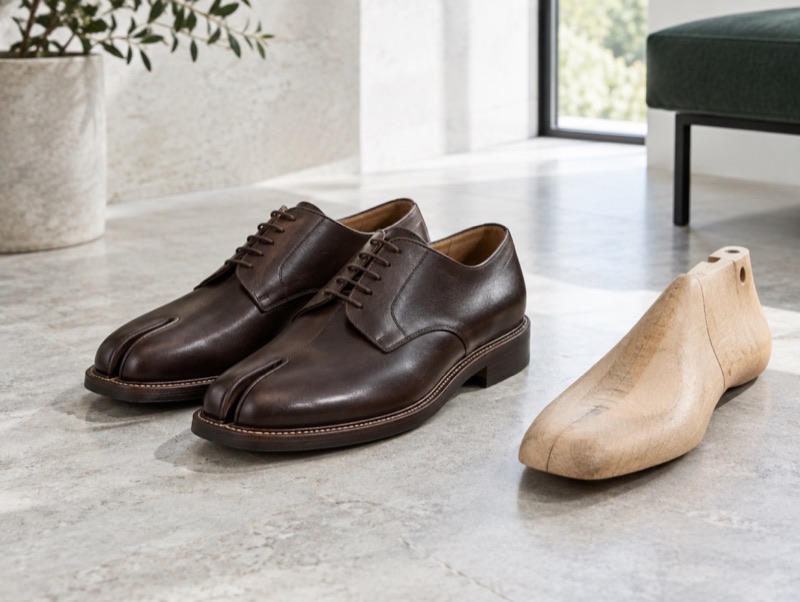
Shoemaker Hiro Yanagimachi
Hiro Yanagimachi is a small Tokyo workshop making custom shoes by hand, known for carefully designed shoe forms that follow the structure of the foot.
 02
Technique
02
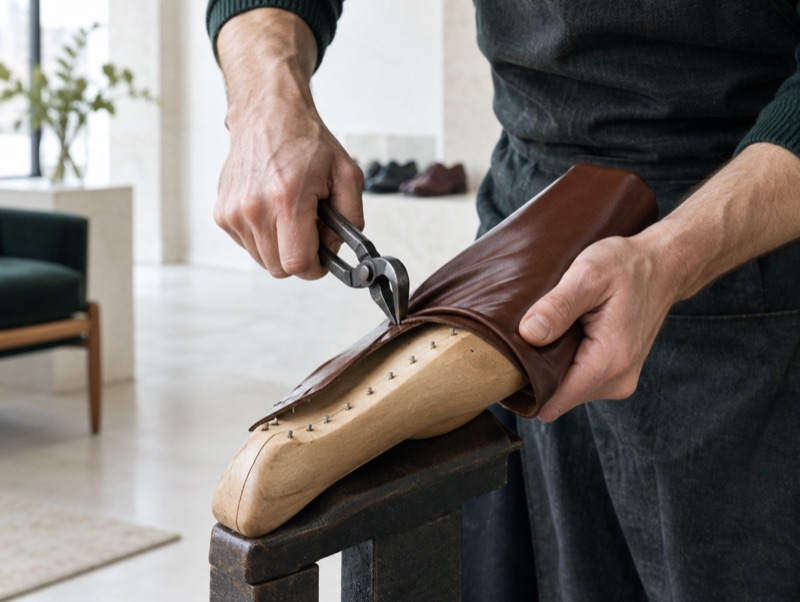
Technique Hand lasting
Hand lasting is pulling wet leather over a wooden foot form with pincers, varying the tension by area for a closer, cleaner shape than machines give.
 03
Start here
03
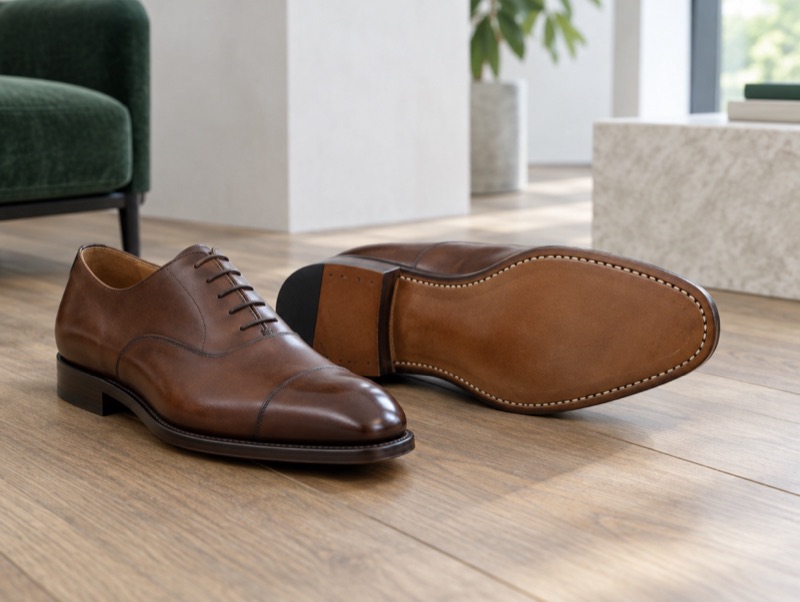
Start here Understanding shoes
A shoe's construction decides whether it can be resoled, which is what makes an expensive pair an investment rather than an extravagance.
 04
Guide
04
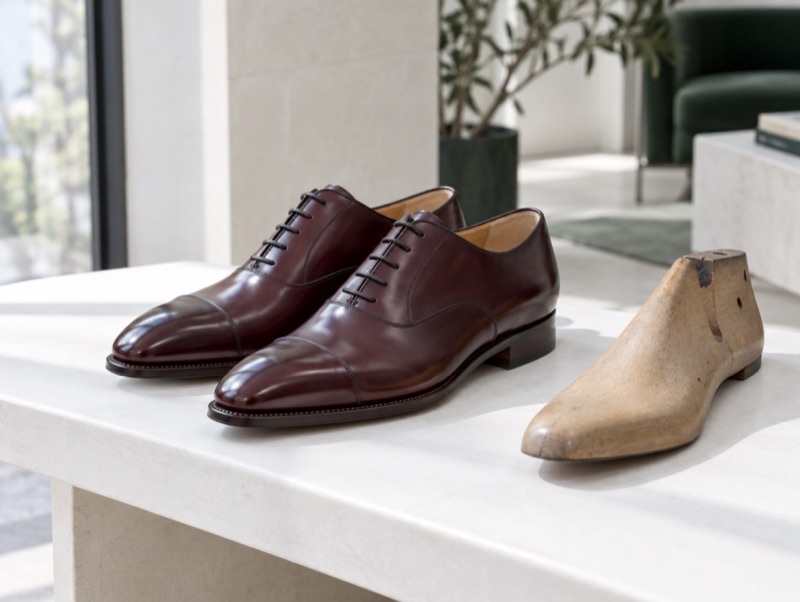
Guide Where to have shoes made
Bespoke shoes, bought for fit rather than finish, are still made in London, Tokyo, Florence and Vienna, and a first pair takes up to a year.
 05
Shoemaker
05
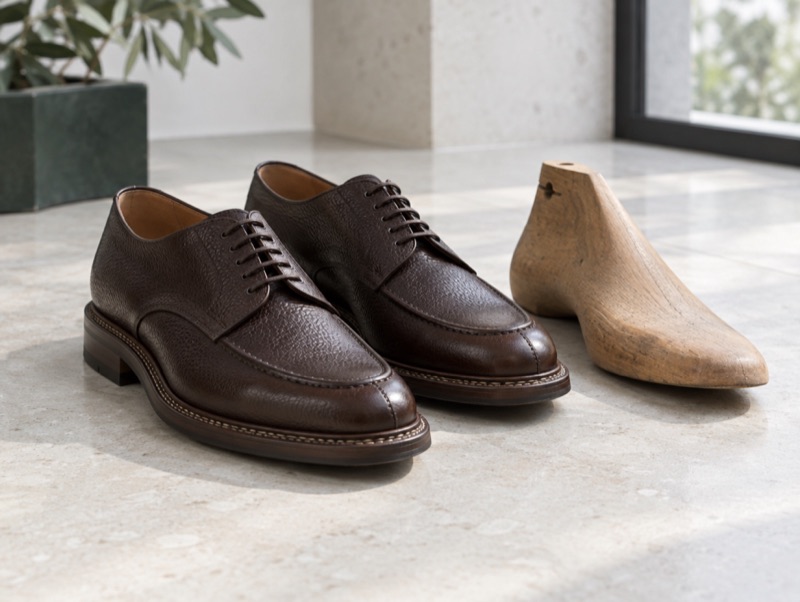
Shoemaker Antonio Meccariello
Antonio Meccariello makes custom and made-to-order shoes by hand in Benevento, carving his own shoe forms, and charges far less than comparable makers.
 06
Shoemaker
06
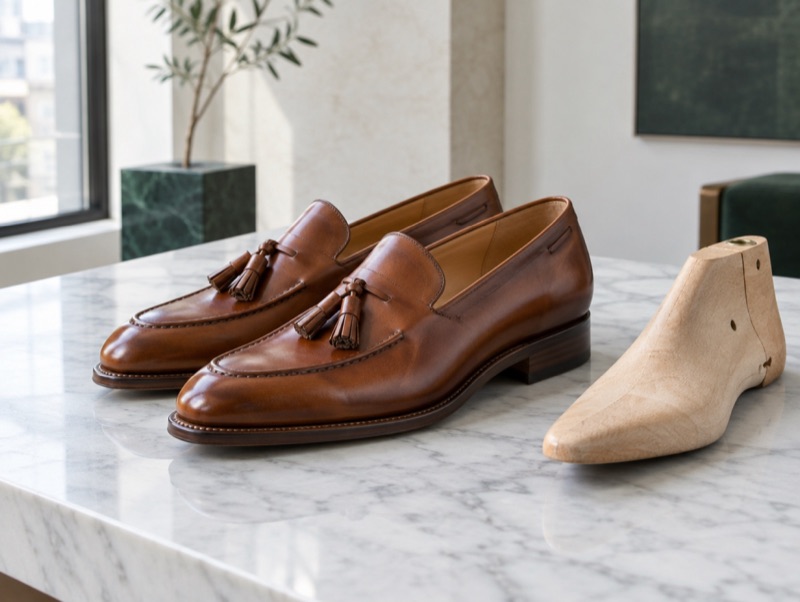
Shoemaker George Cleverley
George Cleverley is a London shoemaker in the Royal Arcade, making custom and off-the-shelf shoes known for a long, slightly squared-off toe.
-
 László Vass
Shoemaker
László Vass
ShoemakerThe Budapest workshop that kept the Hungarian shoemaking tradition intact through everything.
-
Last
Glossary term
The wooden or plastic form a shoe is built around. Not a copy of a foot: a designed object accounting for how a foot behaves under load. See the full article for what that means…
-
George Cleverley
Craftsman · London
Sixty years in the London shoe trade before he opened under his own name, and one last shape that outlived him.
-
Last fee
Glossary term
The separate charge for carving a customer's last, payable on a first bespoke commission and not on subsequent pairs. It is why a first pair costs so much more than the second.
-
Last room
Glossary term
The room where a bespoke shoemaker stores customers' lasts. A long-established house holds thousands of them, including the lasts of clients long dead, and they are the most…
-
Try-on
Glossary term
A trial garment (a shoe, a shirt, sometimes a jacket) made to test the pattern before the real one is cut. Standard in bespoke shoemaking, where it is the only way to correct a…
Picture credits 8
- Hand-shaped wooden lasts on a shelf: Original art · Il Sartoriale · Il Sartoriale · Il Sartoriale original art
- An illustration of a welted shoe of the kind the house makes. Not a photograph of the house's own work.: Original art · Il Sartoriale · Il Sartoriale · Il Sartoriale original art
- Leather pulled over a last with pincers: Original art · Il Sartoriale · Il Sartoriale · Il Sartoriale original art
- An oxford turned to show its welted sole: Original art · Il Sartoriale · Il Sartoriale · Il Sartoriale original art
- Shelves of lasts with a finished shoe: Original art · Il Sartoriale · Il Sartoriale · Il Sartoriale original art
- An illustration of a welted shoe of the kind the house makes. Not a photograph of the house's own work.: Original art · Il Sartoriale · Il Sartoriale · Il Sartoriale original art
- An illustration of a welted shoe of the kind the house makes. Not a photograph of the house's own work.: Original art · Il Sartoriale · Il Sartoriale · Il Sartoriale original art
- An illustration of a welted shoe of the kind the house makes. Not a photograph of the house's own work.: Original art · Il Sartoriale · Il Sartoriale · Il Sartoriale original art