Pays · Europe
Portugal
Portugal is a major European clothing manufacturer, especially of knitwear and shirts, and quietly makes much of what is sold as Italian or British.
Portugal has become one of Europe's most important garment manufacturing countries, particularly for knitwear and shirts. Much of what is sold as Italian or British is made there, generally to a good standard and generally without being advertised.
The manufacturing shift
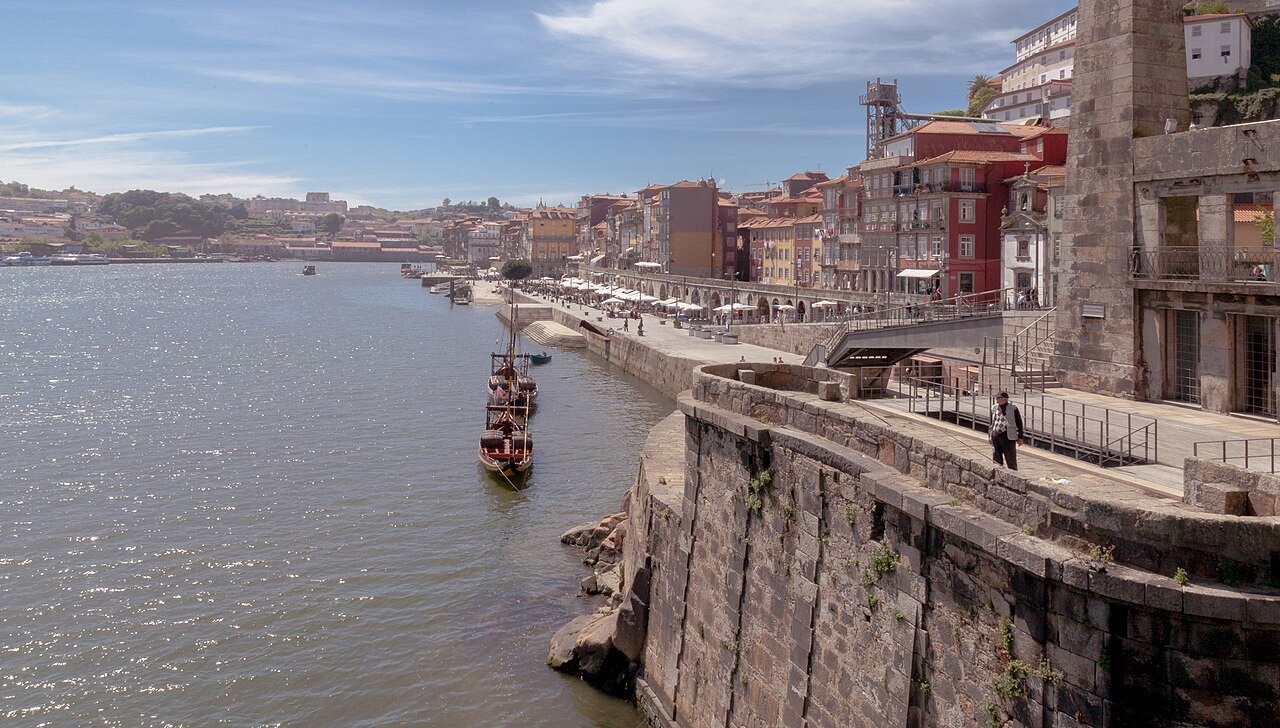
As costs rose in Italy and disappeared in Britain, a large share of European garment production moved to Portugal: the north around Porto and Guimarães in particular. Knitwear, jersey and shirting are the strengths, and the standard is high enough that brands charging Italian prices use Portuguese factories without their customers noticing.
The honest position is that this is fine. A Portuguese-made shirt from a good factory is a better object than an Italian-made one from a poor factory, and country of manufacture is a weaker signal of quality than almost any buyer assumes. What matters is the specification and the factory, which is exactly what brands are least willing to disclose.
What is made there
Knitwear, jersey, shirting and increasingly tailored clothing, concentrated in the north around Porto, Guimarães and Barcelos. The factories are modern, the standard is high, and a considerable share of European brands' production has moved there over thirty years.
Portugal is also one of the last European producers of certain traditional items at scale, including high-quality knitwear in fine yarns.
The disclosure problem
A great deal of clothing sold as Italian or British is made in Portugal, generally well and generally without being advertised. That reticence is the issue rather than the manufacturing.
A brand that will not say where a garment is made is asking the customer to pay for an implication it declines to state. That is worth noticing whichever country turns out to be involved.
Images
Licences →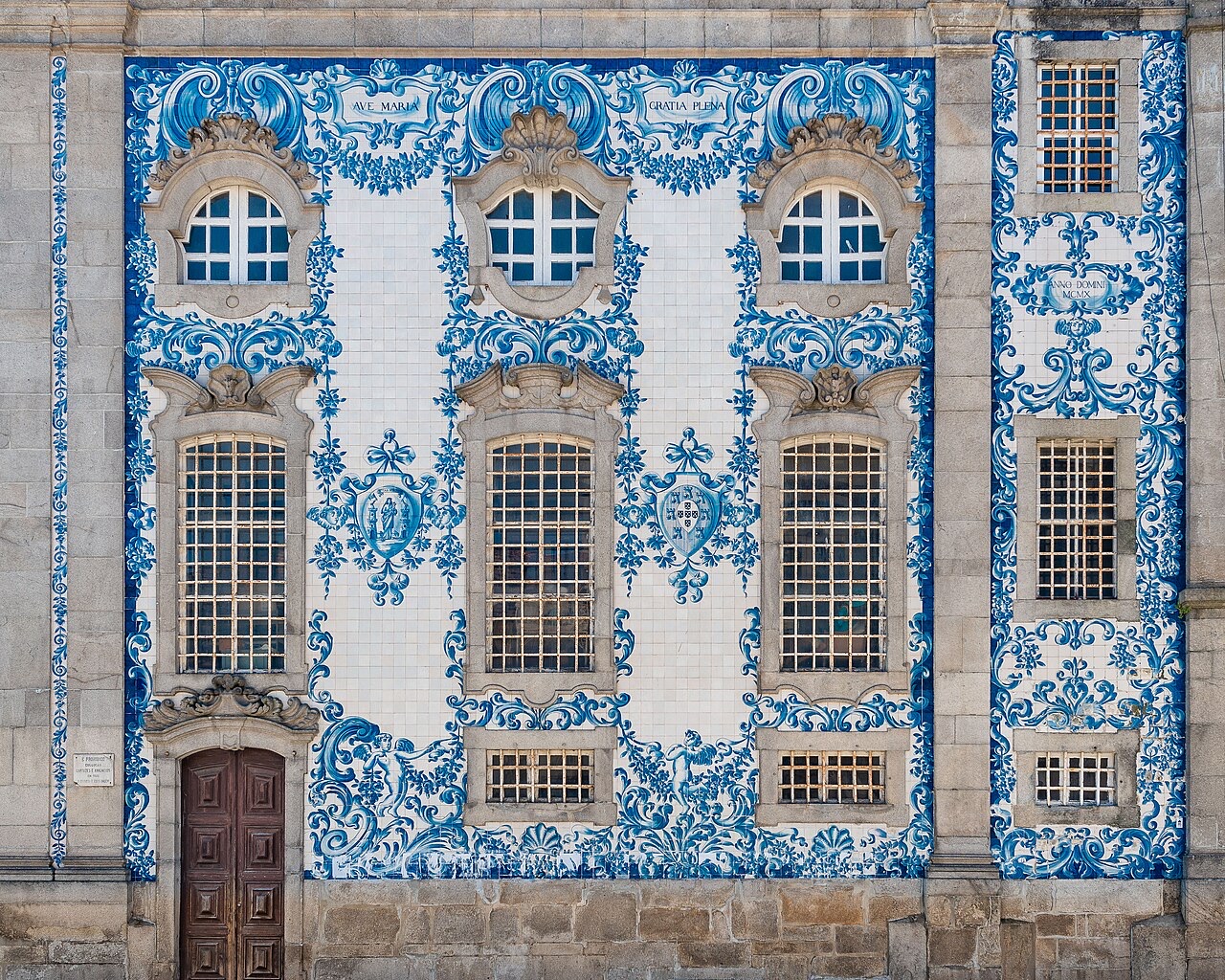
En un coup d'œil
Crédits photographiques 2
- Cais da Ribeira, Oporto, Portugal, 2012-05-09, DD 13: Photograph · Diego Delso · Wikimedia Commons · CC BY-SA 3.0
- Igreja do Carmo (Porto) 2: Photograph · T meltzer · Wikimedia Commons · CC BY-SA 4.0