Historical figure · People
Fred Astaire
A dancer's requirements applied to tailoring, and one of the few men whose clothes had to actually work.
Astaire's clothing had a functional constraint almost nobody else's did: it had to allow extreme movement and look immaculate while doing it. The result was soft English tailoring, a high trouser rise held by a belt or a scarf rather than braces, and a general preference for ease over structure.
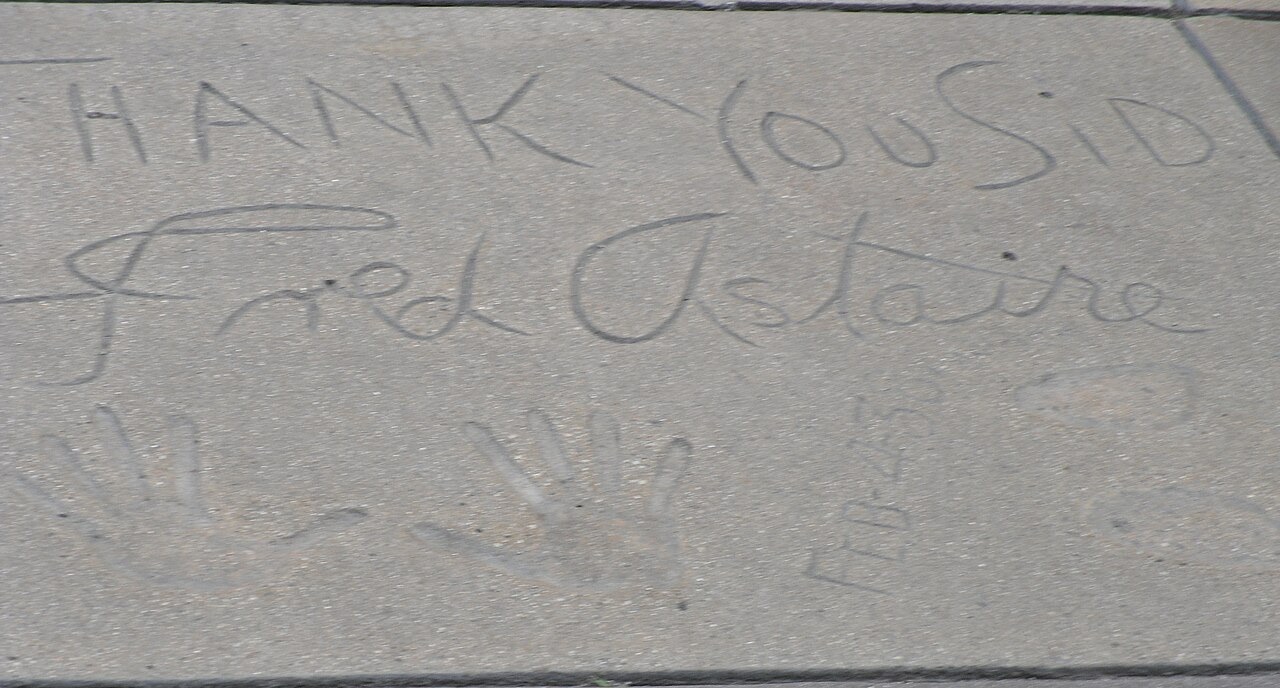
Clothes that had to move
A jacket that binds when the arm is raised is a minor annoyance for most people and a professional problem for a dancer. Astaire's tailoring, much of it from Anderson & Sheppard, used the drape cut precisely because it moves with the body.
The high armhole matters here for the same reason it matters in Naples: a small armhole lets the arm move without dragging the coat. It is the single most under-appreciated element of a well-cut jacket.
The details
He wore trousers at the natural waist, frequently held with a silk scarf used as a belt, an affectation that worked because the rise was right. He favoured soft collars, and shoes he could dance in. The lesson generalises: constraints produce better clothing decisions than taste does, and most people have no constraint at all.
The wider point about constraints
Astaire dressed for a job that punished bad clothing immediately: a jacket that bound was visible on film within seconds. That constraint produced better decisions than taste alone would have.
Most people have no equivalent constraint, which is why so much clothing is chosen for how it looks standing still in a mirror rather than for how it behaves over a day. Sitting down in a jacket before buying it is the cheapest available version of Astaire's discipline.
At a glance
Picture credits 1
- Fred Astaire graumans: Photograph · NativeForeigner · Wikimedia Commons · Public domain