Historische Person · People
Giorgio Armani
Took the structure out of the jacket in 1975 and changed what a suit could be.
Armani's deconstructed jacket (canvas removed, shoulder unpadded, cloth softened, proportions loosened) was the most consequential change to men's tailoring in the second half of the twentieth century. It made softness an international aesthetic rather than a Neapolitan solution to heat.
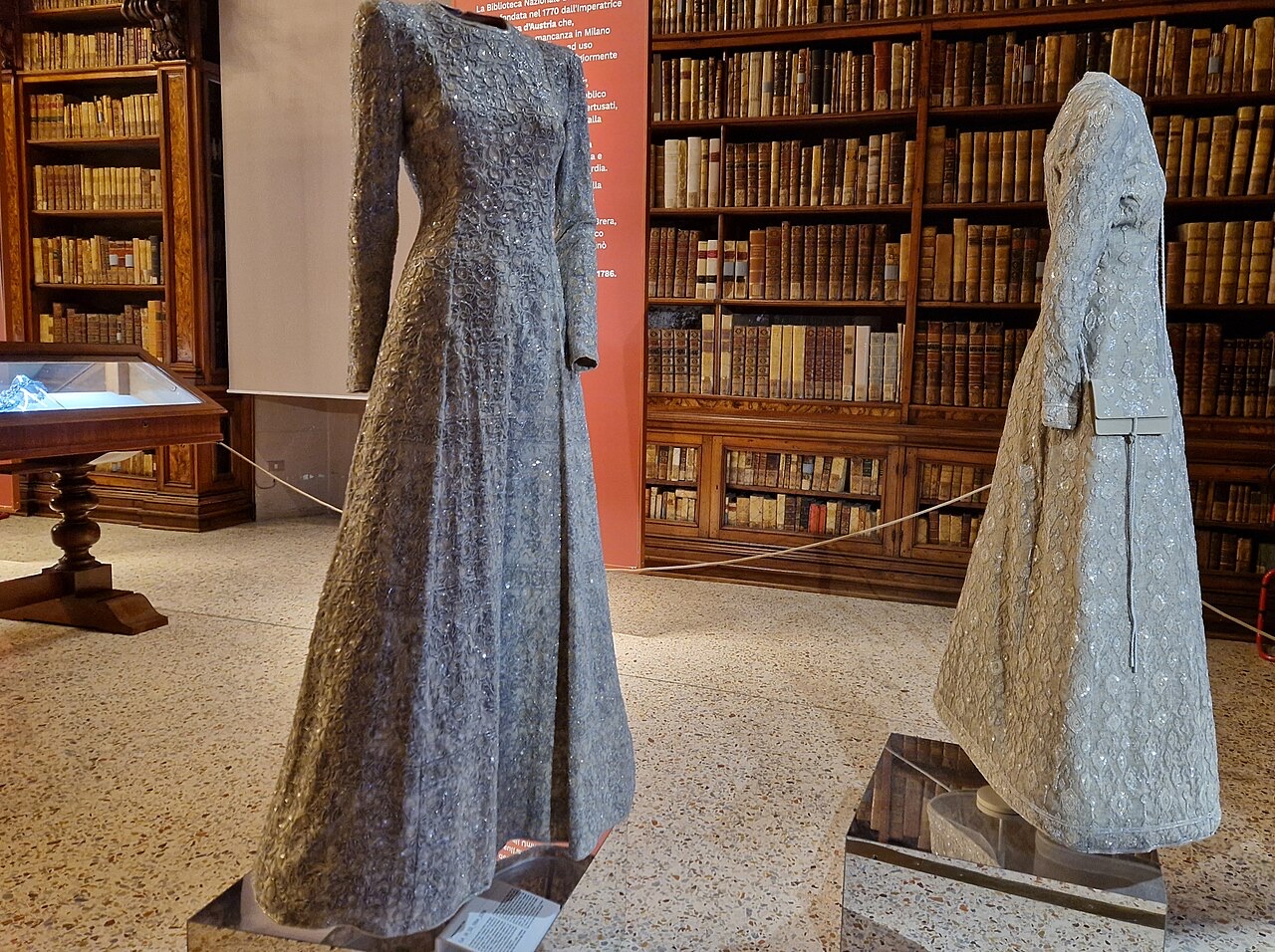
The deconstruction
Armani's jackets from the mid-1970s removed the internal structure that had defined tailoring for a century: the shoulder pad shrank or vanished, the canvas thinned, the lining came out, the cloth got softer and the proportions loosened. The jacket became something closer to a cardigan with lapels.
It arrived at exactly the right moment, a generation entering professional life that did not want to look like its fathers, and it spread globally within a decade.
How it relates to Naples
Naples had been doing something technically similar since the 1930s, for entirely different reasons: heat, and cost. Armani's version was a design decision aimed at an international market rather than a local solution to a local problem.
The two converged in effect and remain different in origin, and it is worth keeping them distinct. Armani made softness fashionable; Naples made it work.
The cost
The 1980s and 1990s produced an enormous quantity of soft tailoring in which the structure had been removed and nothing replaced it: jackets that hung off the wearer rather than being cut to fit softly. That is the failure mode of the whole idea, and it is why an unstructured jacket is harder to make well than a structured one rather than easier.
The timing
The deconstructed jacket arrived alongside a generation entering professional life in the 1970s and 1980s that wanted the authority of a suit without the formality of its fathers'. Nothing else on offer did that. It is a good illustration of how menswear actually changes: not when a designer has an idea, but when an idea meets a group of people looking for exactly it.
Auf einen Blick
Bildnachweise 1
- Pinacoteca di Brera, Milan, Armani gowns in library: Photograph · Gerda Arendt · Wikimedia Commons · CC0