Tailoring style · Italy
Roman tailoring
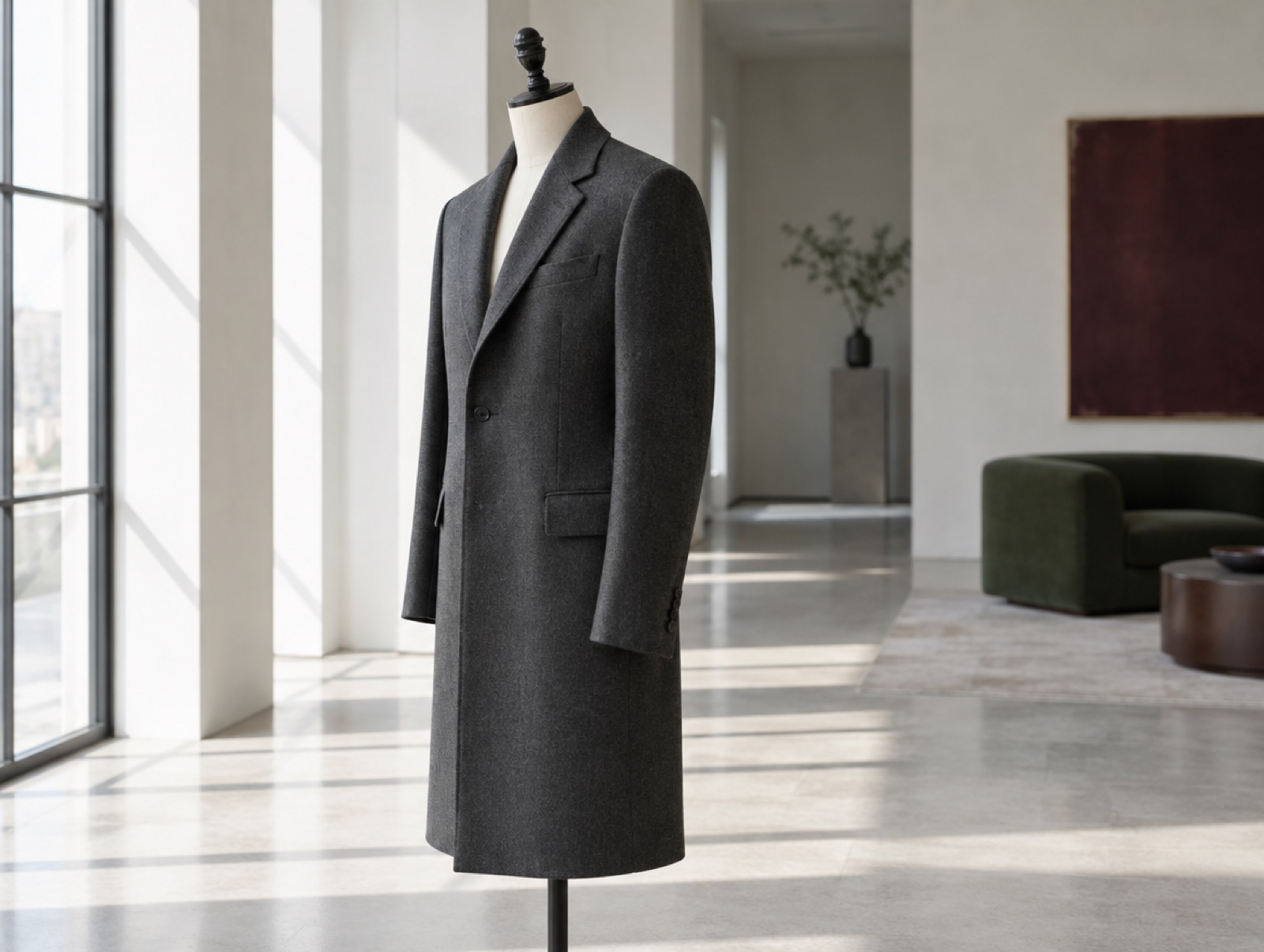
A long lean line, lightly built: the middle position, argued for with Roman confidence.
Roman tailoring sits between Neapolitan softness and Milanese structure. The coat is cut long and close, the shoulder is built but not heavy, and the effect is elongating rather than either relaxed or severe.
Proportion over construction
What distinguishes Rome is less what goes inside the coat than the proportions of the outside: length, the position of the button, the height of the waist, the closeness through the hip. The line is long, and the silhouette is deliberately elongating.
The Roman trade also produced tailors who left. The Cifonelli family came from Rome before establishing in Paris, and the sculpted Parisian shoulder has a Roman ancestor.
The construction
A full canvas built lightly, a shoulder defined but not heavy, a moderately high armhole and a waist cut close. It is commonly described as sitting between Milan and Naples.
What identifies it is length and line rather than any internal feature: a longer coat, a marked waist, a close hip, and proportions cut to elongate.
The formal inheritance
Rome has a long tradition of ceremonial tailoring (clerical dress, morning dress, court and diplomatic clothing), and the discipline of that work runs through the city's civilian cutting.
It shows in the seriousness of the proportions. A Roman coat is not designed to look relaxed, and it does not.
At a glance
Houses working in this tradition
-
 Brioni
Rome · 1945
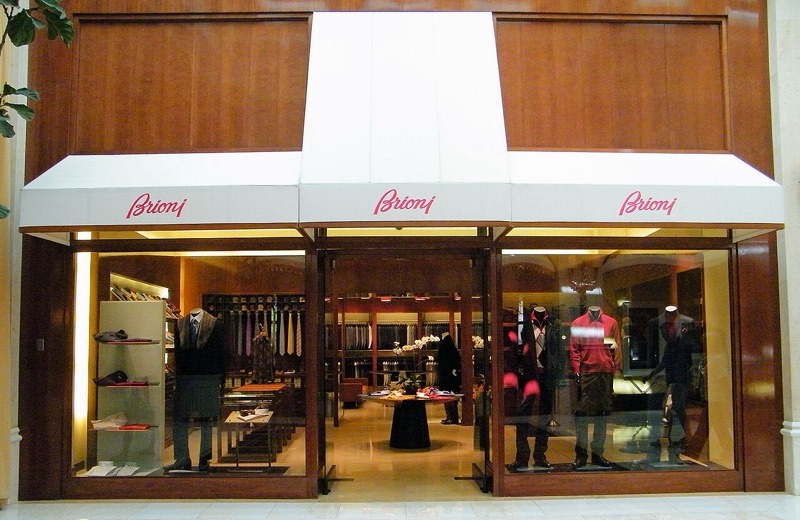
Brioni is a Rome tailoring house founded in 1945, known for staging what is called the first men's fashion show and for clean, firm-shouldered suits.
-
Tommy & Giulio Caraceni
Rome
Tommy & Giulio Caraceni is the separate Rome business carrying the Caraceni name, founded in 1963 and making clothes to individual order in the Roman style.
Picture credits 2
- A long lean Roman-cut jacket: Original art · Il Sartoriale · Il Sartoriale · Il Sartoriale original art
- Brioniboutique: Photograph · Coolcaesar · Wikimedia Commons · CC BY-SA 3.0