Estilo de alfaiataria · Italy
Roman tailoring
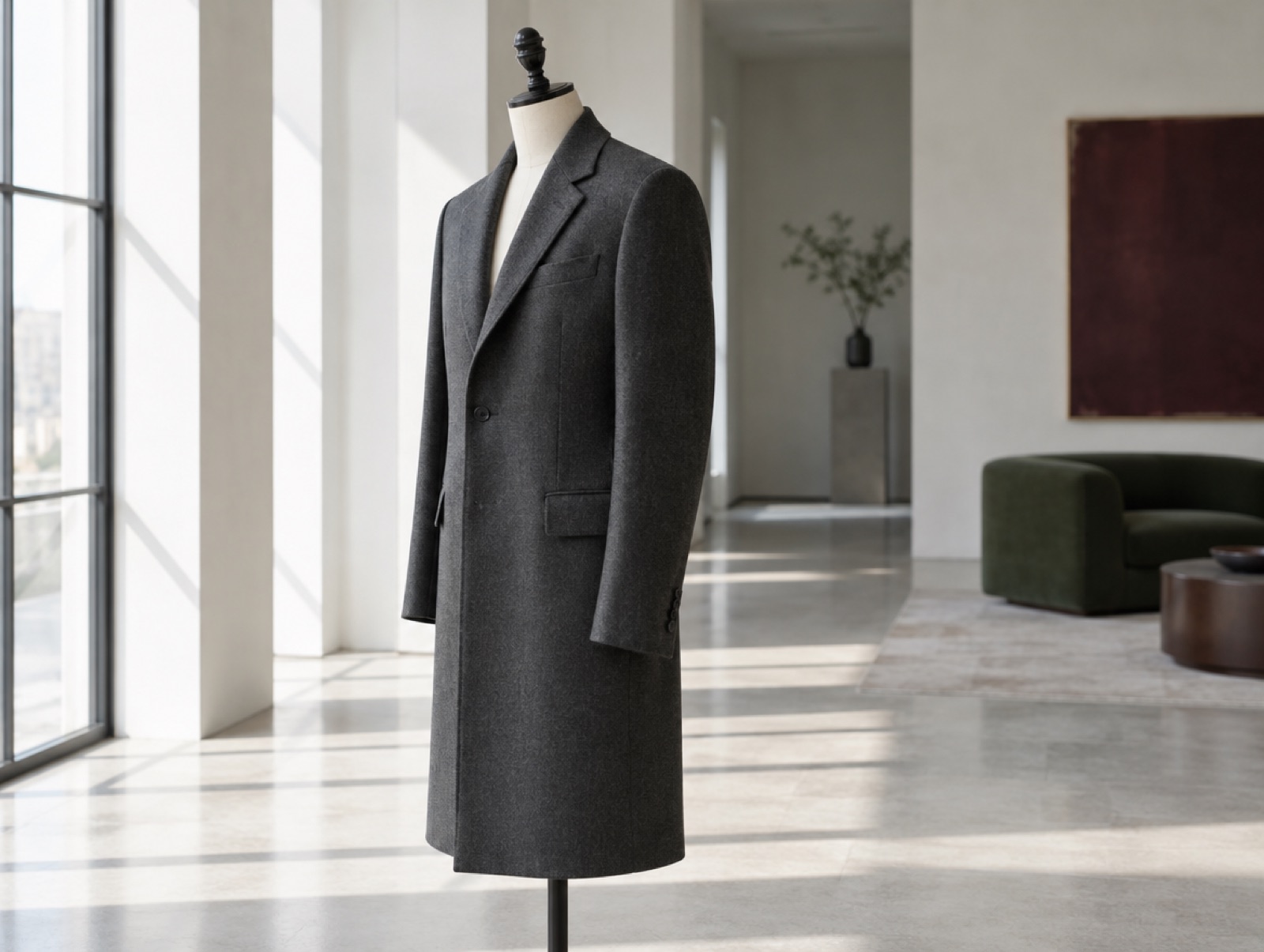
A long lean line, lightly built: the middle position, argued for with Roman confidence.
Roman tailoring sits between Neapolitan softness and Milanese structure. The coat is cut long and close, the shoulder is built but not heavy, and the effect is elongating rather than either relaxed or severe.
Proportion over construction
What distinguishes Rome is less what goes inside the coat than the proportions of the outside: length, the position of the button, the height of the waist, the closeness through the hip. The line is long, and the silhouette is deliberately elongating.
The Roman trade also produced tailors who left. The Cifonelli family came from Rome before establishing in Paris, and the sculpted Parisian shoulder has a Roman ancestor.
The construction
A full canvas built lightly, a shoulder defined but not heavy, a moderately high armhole and a waist cut close. It sits between Milan and Naples in every technical respect, which is exactly how Roman tailors describe it.
What identifies it is length and line rather than any internal feature: a longer coat, a marked waist, a close hip, and proportions cut to elongate.
The formal inheritance
Rome supports more ceremonial tailoring than anywhere else in Italy (clerical dress, morning dress, court and diplomatic clothing), and the discipline of that work runs through the city's civilian cutting.
It shows in the seriousness of the proportions. A Roman coat is not designed to look relaxed, and it does not.
Em síntese
Casas que trabalham nesta tradição
-
 Tommy & Giulio Caraceni
Rome
Tommy & Giulio Caraceni
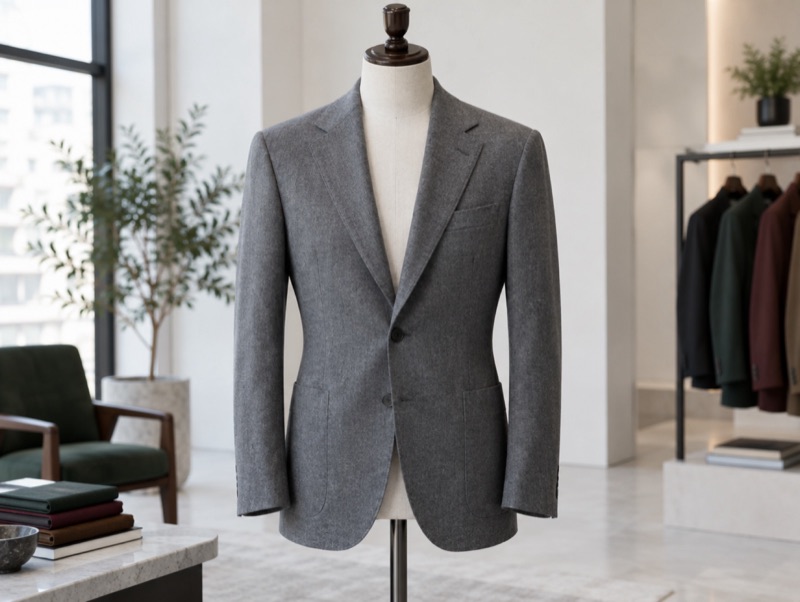
RomeTommy & Giulio Caraceni is the separate Rome business carrying the Caraceni name, making long, close-fitting jackets with only light padding and stiffening.
-
 Brioni
Rome · 1945
Brioni
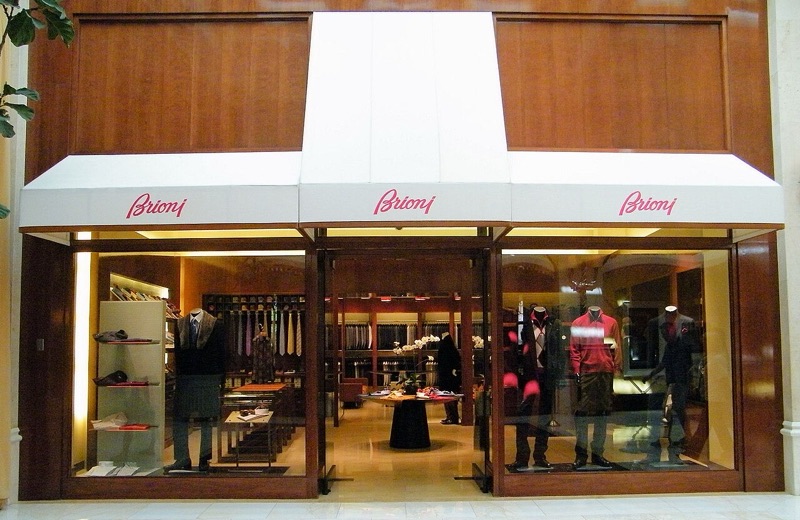
Rome · 1945Brioni is a Rome tailoring house founded in 1945, known for staging what is called the first men's fashion show and for clean, firm-shouldered suits.
Créditos fotográficos 3
- A long lean Roman-cut jacket: Original art · Il Sartoriale · Il Sartoriale · Il Sartoriale original art
- An illustration of the house's recorded cut: soft shoulder, full canvas chest, long roman line. Not a photograph of the house's own work.: Original art · Il Sartoriale · Il Sartoriale · Il Sartoriale original art
- Brioniboutique: Photograph · Coolcaesar · Wikimedia Commons · CC BY-SA 3.0