Technique · Shoemaking
Hand welting
The shoemaking equivalent of a hand-padded canvas: slow, invisible, and the basis of everything above it.
In hand welting the maker cuts a holdfast, a raised ridge, from the insole itself, then stitches the upper, the lining and the welt to that ridge by hand with a curved awl and waxed thread. It is the strongest and most repairable shoe construction, and it is what bespoke shoes are built on.
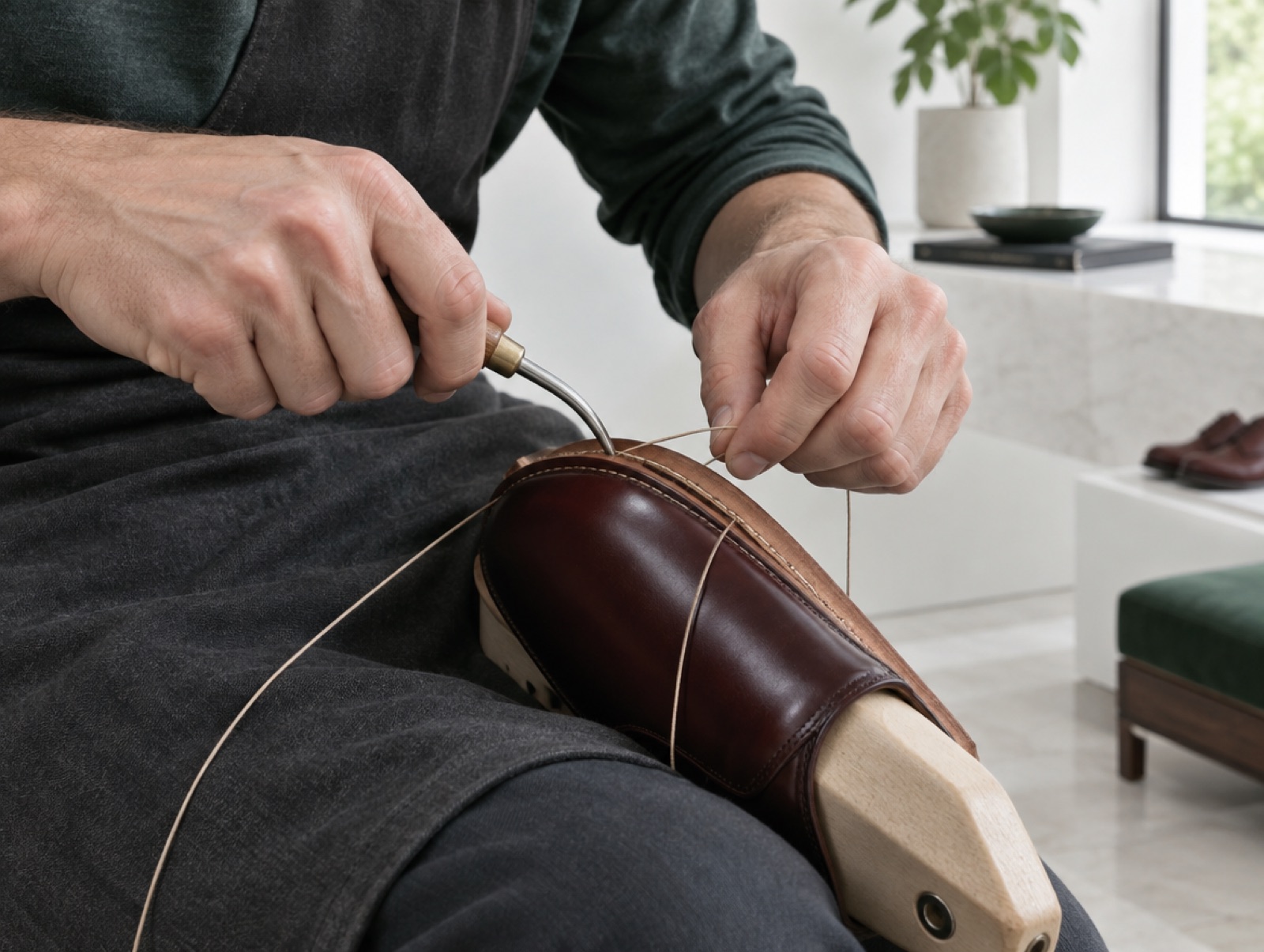
The holdfast
A hand-welted shoe begins with a thick leather insole. The maker cuts a channel into it and carves up a vertical ridge, the holdfast, from the leather itself, so it is part of the insole rather than attached to it. The welt is then sewn to that ridge, through the upper and lining, with an awl and two needles.
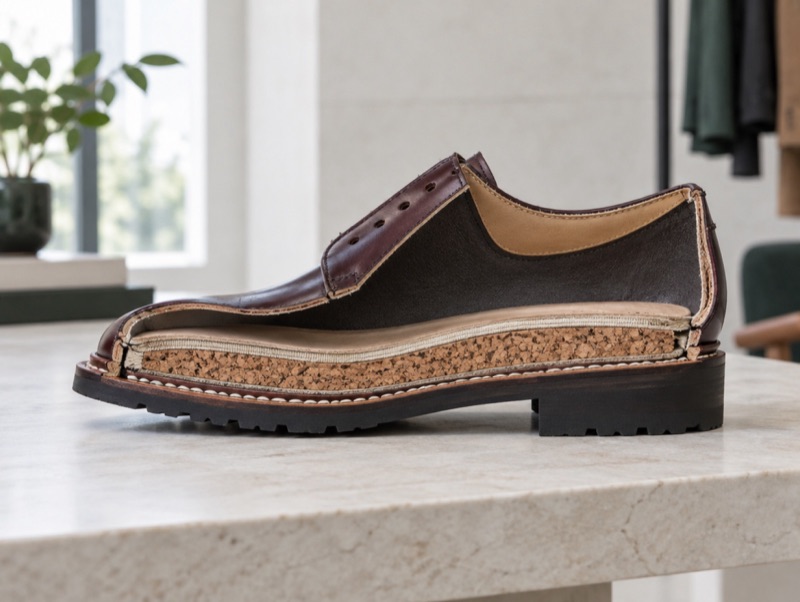
The Goodyear machine does the same job differently: it glues a canvas rib to a flat insole and stitches to that. The rib is added; the holdfast is grown out of the leather. That is the whole difference, and it is why hand welting is stronger and why a hand-welted shoe has no gemming to fail.
What it means for the wearer
- A thinner, more flexible waist, because there is no rib and no filling taking up space.
- A closer, more sculpted shape through the arch: the visible mark of good bespoke work.
- Resoling as many times as the upper survives, which can be decades.
- A break-in period during which the cork or leather filling compresses to the foot, permanently.
Time
Hand welting a pair is measured in hours, and the whole bespoke process (last making, clicking, closing, lasting, welting, sole stitching, finishing) is typically quoted at forty to sixty hours across several specialists. That, plus a carved wooden last that belongs to one customer, is what a bespoke shoe price consists of.
Why a hand-welted shoe feels different
Two things. There is no canvas rib and less filling under the arch, so the waist can be made thinner and closer to the foot, and the shoe flexes where the foot flexes rather than where the construction allows. And the insole is thick vegetable-tanned leather, which compresses over the first weeks into a bed shaped by your own foot.
That bedding-in is permanent and personal. It is the reason a bespoke shoe is uncomfortable for a fortnight and unimprovable afterwards.
At a glance
Who works with it
Houses and mills on this site with a documented connection to Hand welting.
 01
Shoemaker
01
Shoemaker Antonio Meccariello
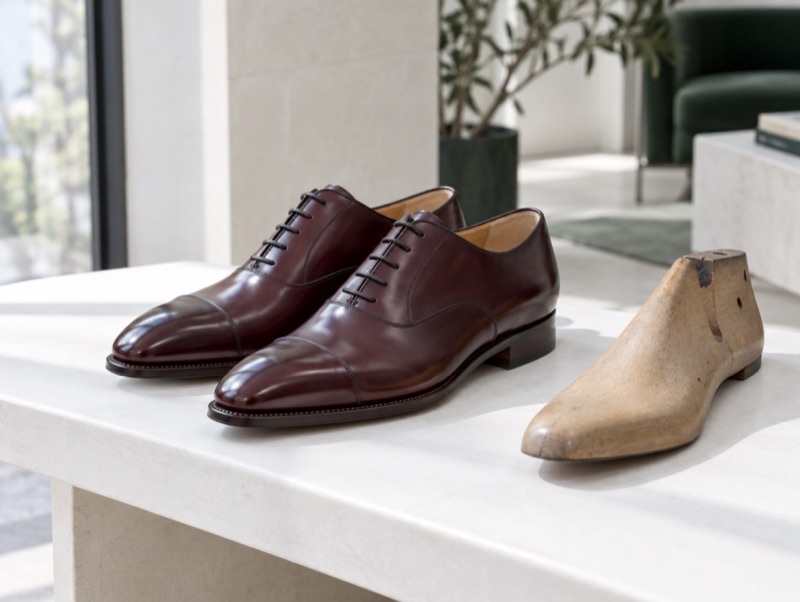
Antonio Meccariello makes custom and made-to-order shoes by hand in Benevento, carving his own shoe forms, and charges far less than comparable makers.
 02
Technique
02
Technique Goodyear welting
Goodyear welting is the durable machine-stitched construction used on good English and American shoes, letting a worn sole be replaced without touching the top.
 03
Shoemaker
03
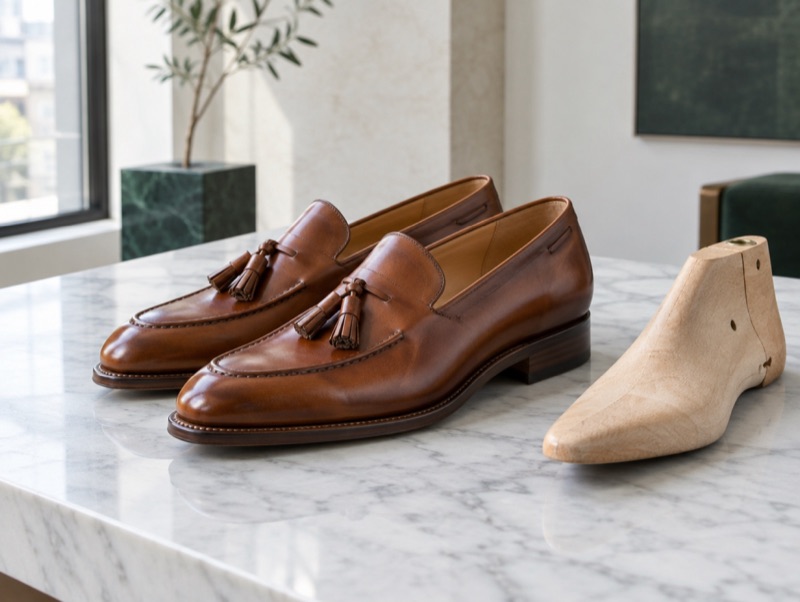
Shoemaker John Lobb (St James's)
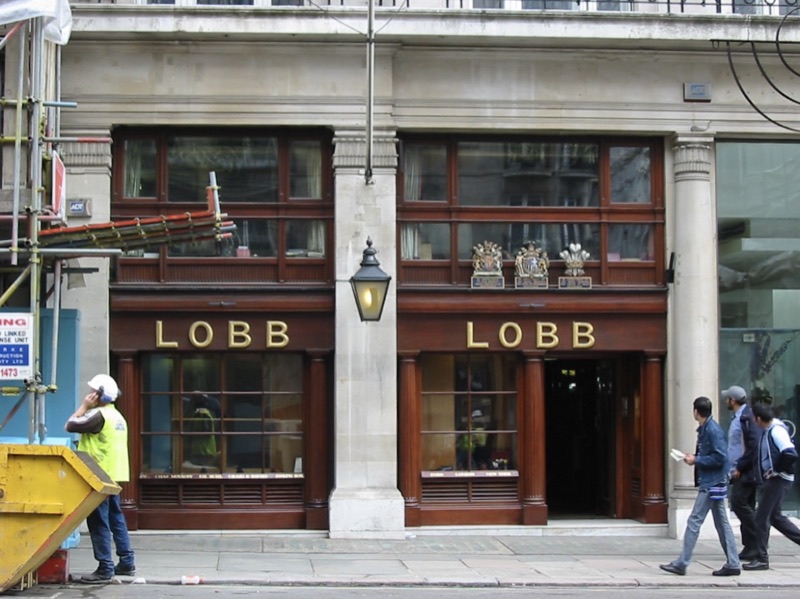
John Lobb of St James's is a family-owned London firm making shoes by hand to each customer's own foot shape, separate from John Lobb Paris.
 04
Shoemaker
04
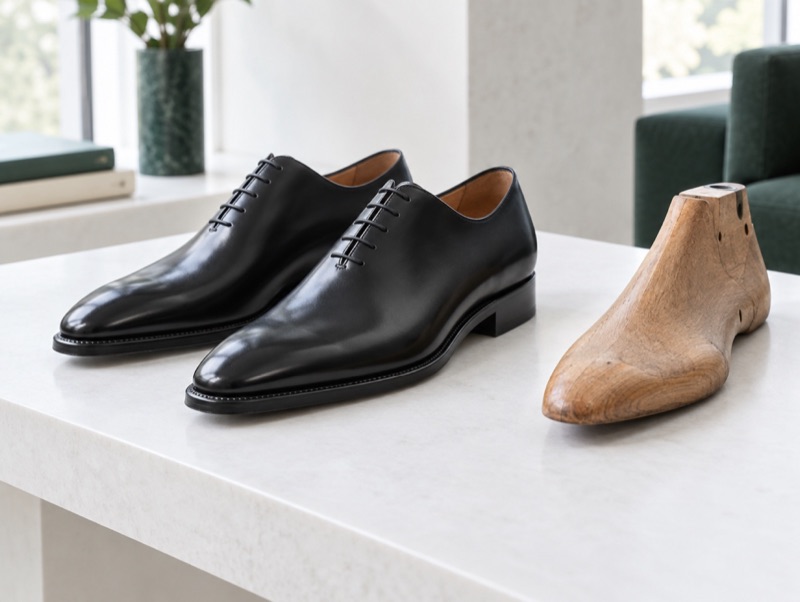
Shoemaker László Vass
The Budapest workshop that kept the Hungarian shoemaking tradition intact through everything.
 05
Shoemaker
05
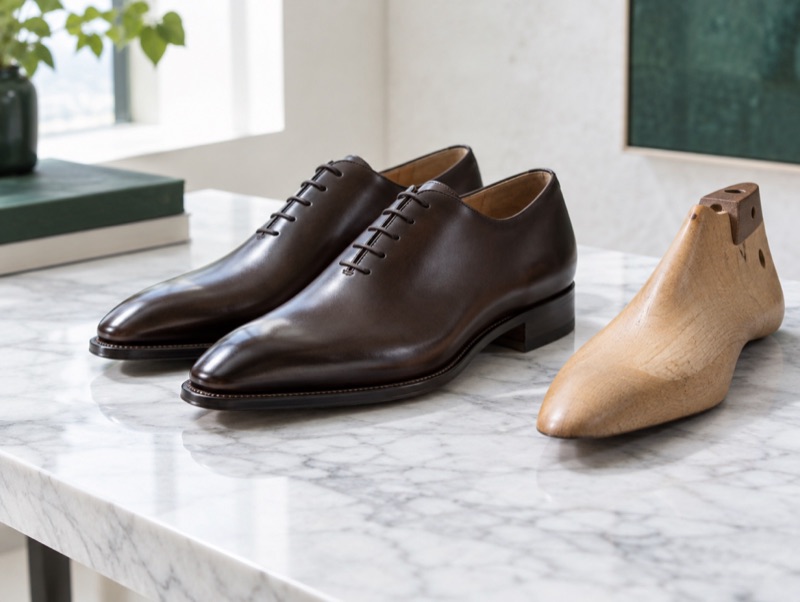
Shoemaker Saint Crispin's
Austrian method, Romanian workshop, and a made-to-order shoe close to bespoke in construction.
 06
Shoemaker
06
Shoemaker Stefano Bemer
Stefano Bemer is a Florence shoemaker known for refined shoes made by hand to each customer's measurements, and it now also runs a shoemaking school.
-
 Where to have shoes made
Guide
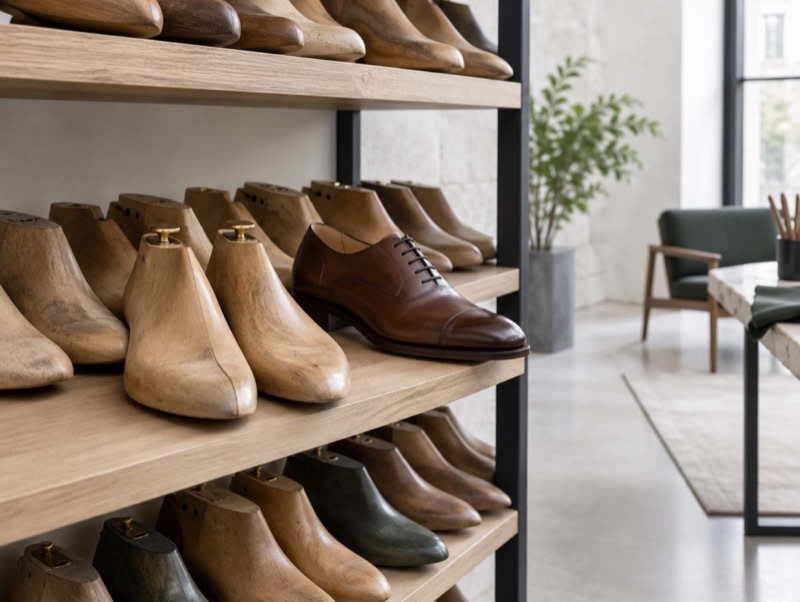
Where to have shoes made
GuideBespoke shoes, bought for fit rather than finish, are still made in London, Tokyo, Florence and Vienna, and a first pair takes up to a year.
-
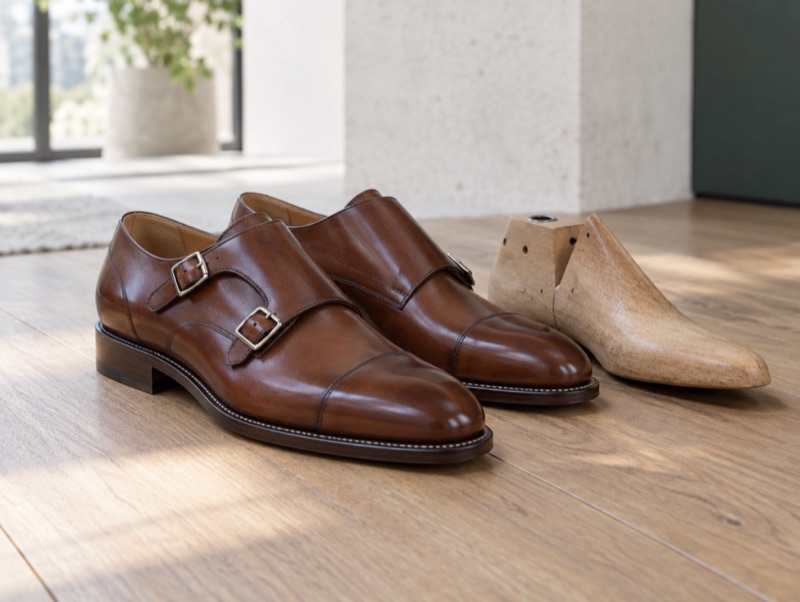 Yohei Fukuda
Shoemaker · Tokyo
Yohei Fukuda
Shoemaker · TokyoEnglish method, Japanese execution, and one of the finest bespoke shoes made anywhere today.
-
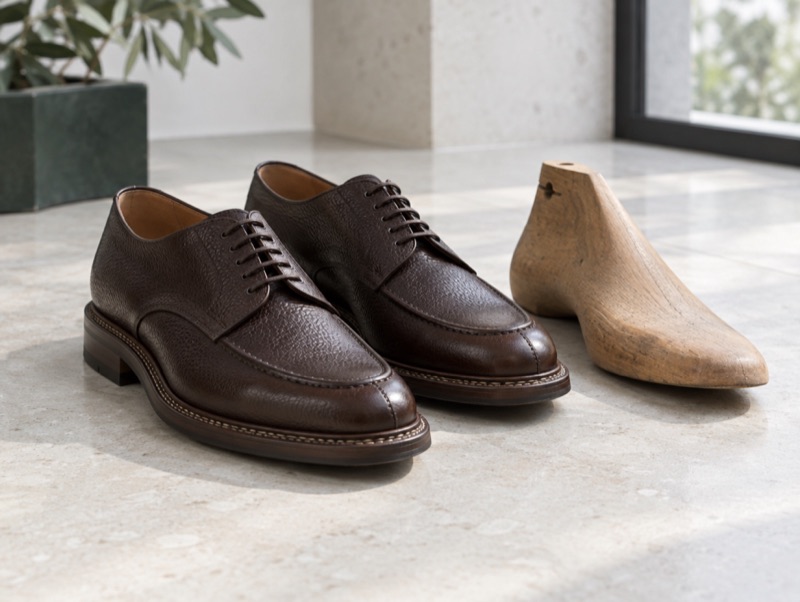 George Cleverley
Shoemaker · London · 1958
George Cleverley
Shoemaker · London · 1958George Cleverley is a London shoemaker in the Royal Arcade, making custom and off-the-shelf shoes known for a long, slightly squared-off toe.
-
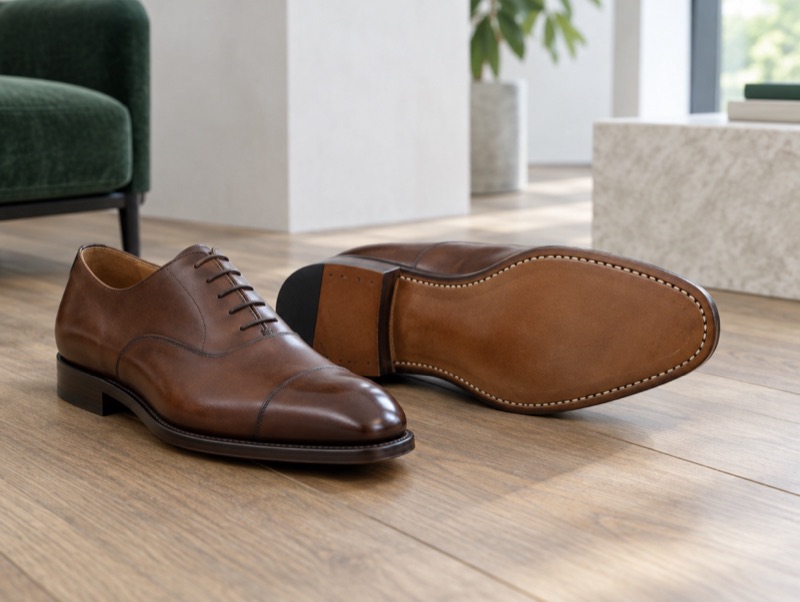 Understanding shoes
Start here
Understanding shoes
Start hereA shoe's construction decides whether it can be resoled, which is what makes an expensive pair an investment rather than an extravagance.
-
Holdfast
Glossary term
The vertical ridge cut from the insole itself in hand-welted construction, to which the welt is stitched. Goodyear welting glues on a canvas rib instead: the essential difference…
-
Welt
Glossary term
The strip of leather stitched between the upper and the sole in welted construction. It carries the sole stitching, which is why the sole can be replaced without disturbing the…
Compared with
All comparisons →Picture credits 11
- Hand-stitching a welt to an insole: Original art · Il Sartoriale · Il Sartoriale · Il Sartoriale original art
- An illustration of a welted shoe of the kind the house makes. Not a photograph of the house's own work.: Original art · Il Sartoriale · Il Sartoriale · Il Sartoriale original art
- A welted shoe cut in cross-section: Original art · Il Sartoriale · Il Sartoriale · Il Sartoriale original art
- Store front of John Lobb, 88 Jermyn St, London: Photograph · OlafJanssen · Wikimedia Commons · CC BY-SA 3.0
- An illustration of a welted shoe of the kind the house makes. Not a photograph of the house's own work.: Original art · Il Sartoriale · Il Sartoriale · Il Sartoriale original art
- An illustration of a welted shoe of the kind the house makes. Not a photograph of the house's own work.: Original art · Il Sartoriale · Il Sartoriale · Il Sartoriale original art
- An illustration of a welted shoe of the kind the house makes. Not a photograph of the house's own work.: Original art · Il Sartoriale · Il Sartoriale · Il Sartoriale original art
- Shelves of lasts with a finished shoe: Original art · Il Sartoriale · Il Sartoriale · Il Sartoriale original art
- An illustration of a welted shoe of the kind the house makes. Not a photograph of the house's own work.: Original art · Il Sartoriale · Il Sartoriale · Il Sartoriale original art
- An illustration of a welted shoe of the kind the house makes. Not a photograph of the house's own work.: Original art · Il Sartoriale · Il Sartoriale · Il Sartoriale original art
- An oxford turned to show its welted sole: Original art · Il Sartoriale · Il Sartoriale · Il Sartoriale original art