Tecnica · Construction
Pattern matching
Pattern matching means lining up stripes or checks across seams and pockets so the design looks unbroken, a quick sign of careful making.
On a striped or checked cloth, a careful maker aligns the pattern across seams, pockets, the collar and the sleeve head, so the design appears continuous. It costs extra cloth and extra care in cutting, and it is one of the quickest ways to judge how a garment was made.
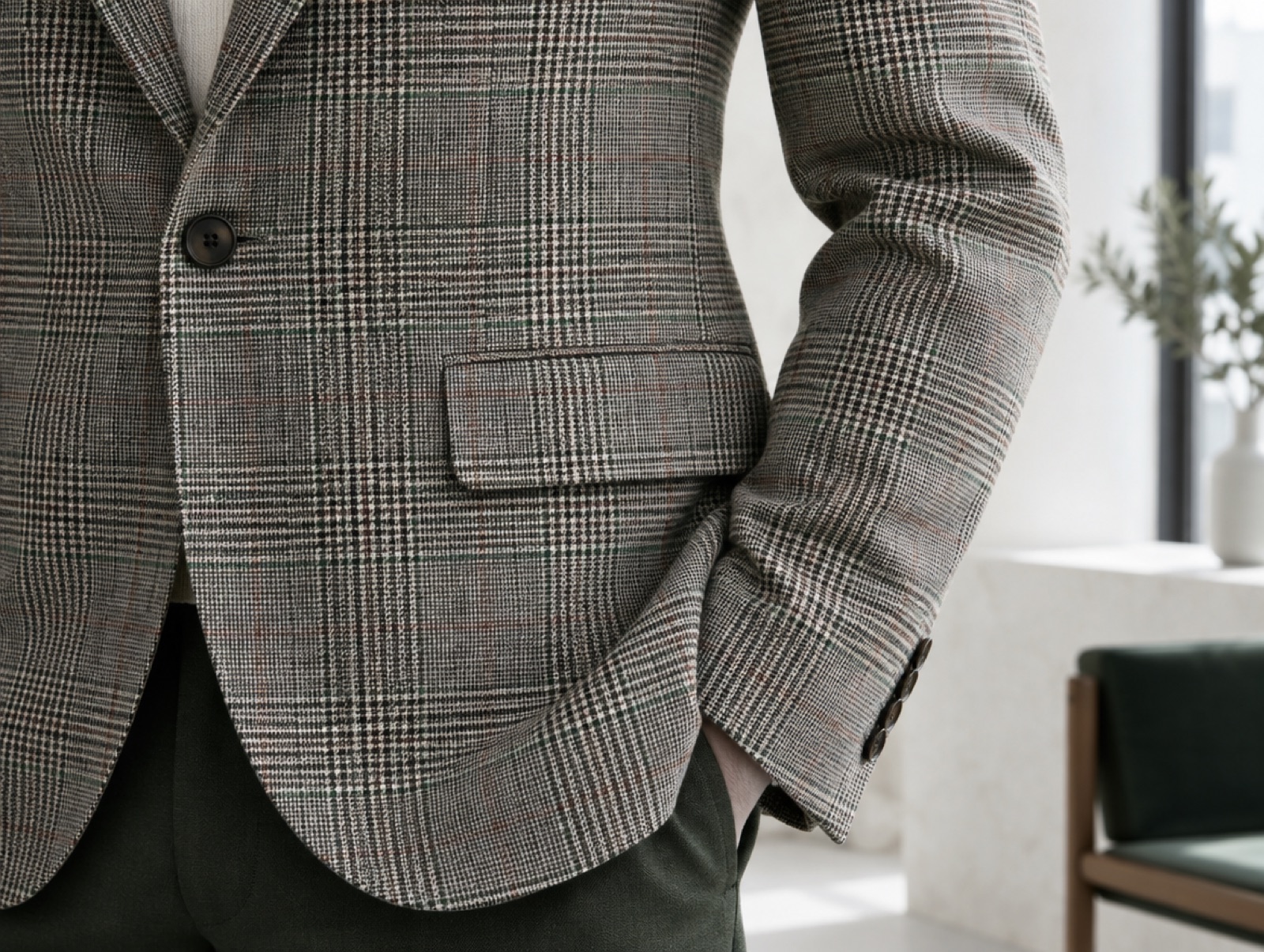
Where to look
- The breast pocket and hip pockets: a well-matched patch pocket disappears into the cloth behind it.
- The centre back seam, where the two halves of the pattern should meet exactly.
- The sleeve head where it joins the body, which is the hardest match and the one most often skipped.
- The collar and the gorge line, and the point where the lapel meets the collar.
- Trousers: the side seam, and the pattern running down each leg.
Where to check first
Patch pockets, because a well-matched patch pocket disappears entirely into the cloth behind it and a badly matched one is glaring. Then the centre back seam, then the collar. Trousers: the side seam, at the hip. This takes ten seconds and is the single fastest read on how carefully a garment was cut.
The honest caveat
Perfect matching everywhere is not always possible or even desirable; the sleeve head cannot match everywhere at once because it is set into a curve, and forcing a match in one place throws it out in another. A skilled cutter prioritises the matches the eye actually falls on.
It also costs cloth. Matching a large check may require an extra half metre, which the customer pays for. A maker who matches everything on a bold check without charging for the cloth is either absorbing the cost or not matching as well as you think.
The sleeve is the hard one
A sleeve head is set into a curve, so a pattern can only be matched at one point along it. Good practice is to match at the front of the sleeve where the eye falls, and accept the drift at the back.
A maker claiming to match everywhere on a bold check is either using a great deal of extra cloth or not looking closely. Both are worth knowing.
In sintesi
Chi ci lavora
Case e lanifici presenti su questo sito con un legame documentato con Pattern matching.
 01
Tecnica
01
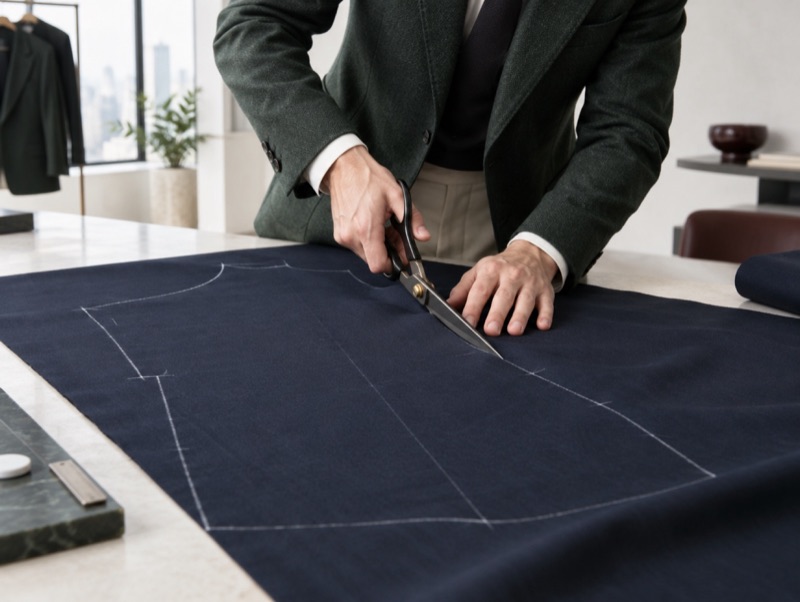
Tecnica Hand cutting
One person, one pair of shears, one layer of cloth at a time.
 02
Guida
02
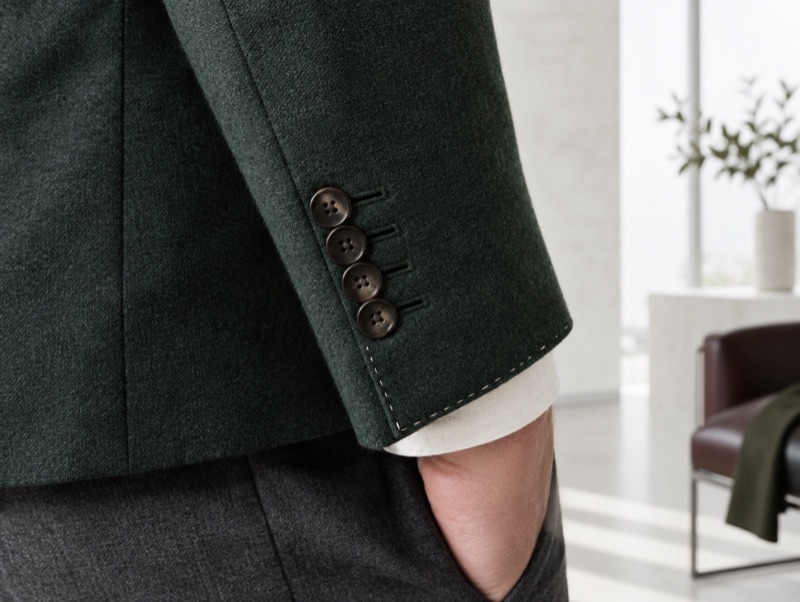
Guida How to tell a well-made jacket in ninety seconds
Six shop checks, such as buttonholes, lining, shoulder and whether patterns line up at seams, reveal how well a jacket was made.
 03
Capo
03
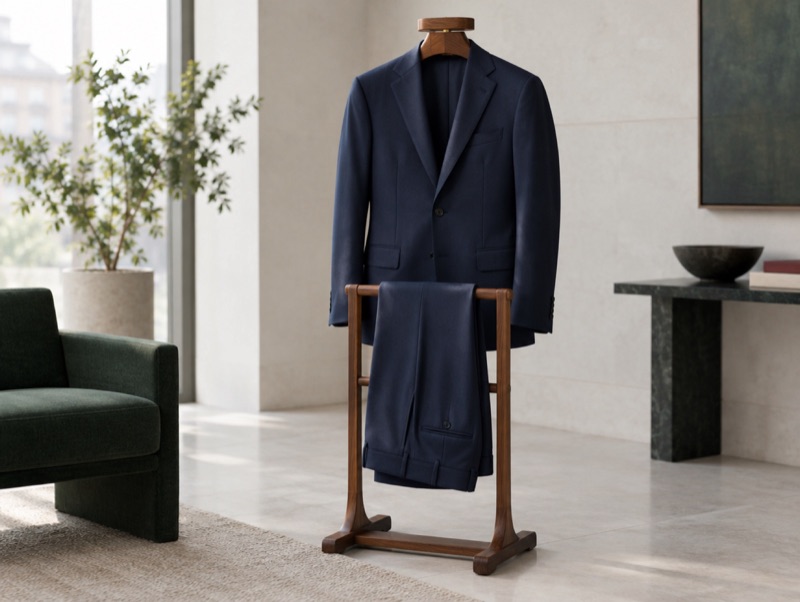
Capo The suit
A suit is simply a jacket and trousers, sometimes with a waistcoat, made from the same cloth at once so they match exactly.
 04
Tessuto
04
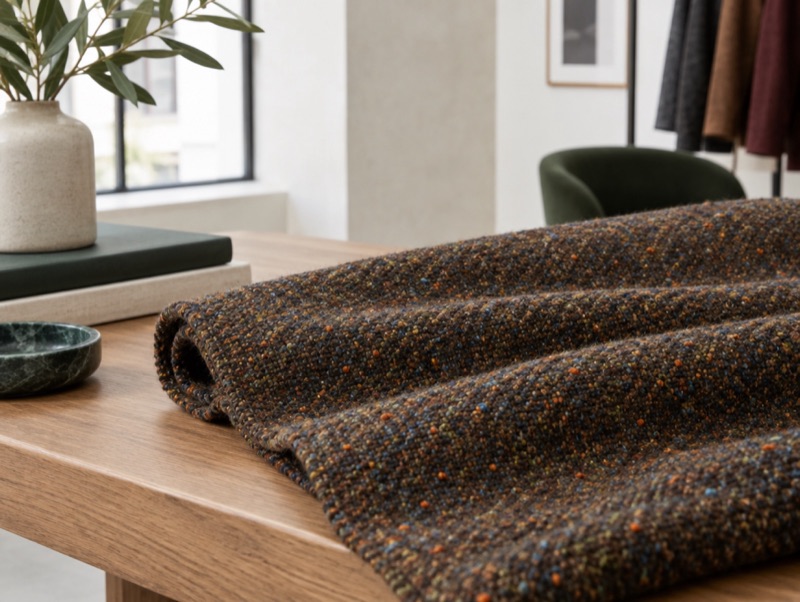
Tessuto Tweed
Tweed is a rough, flecked wool cloth from Scotland and Ireland that is warm, sheds rain and lasts for ages.
Crediti fotografici 5
- A check matched across a pocket flap: Original art · Il Sartoriale · Il Sartoriale · Il Sartoriale original art
- Shears cutting chalk-marked cloth: Original art · Il Sartoriale · Il Sartoriale · Il Sartoriale original art
- A cuff with working buttonholes: Original art · Il Sartoriale · Il Sartoriale · Il Sartoriale original art
- A navy suit on a valet stand: Original art · Il Sartoriale · Il Sartoriale · Il Sartoriale original art
- Brown Donegal tweed with coloured flecks: Original art · Il Sartoriale · Il Sartoriale · Il Sartoriale original art