Craftsman · Artisans
Antonio Liverano
Antonio Liverano is a Florence tailor whose soft-shouldered jacket with very wide lapels defines the Florentine style and has shaped many Japanese and Korean makers.
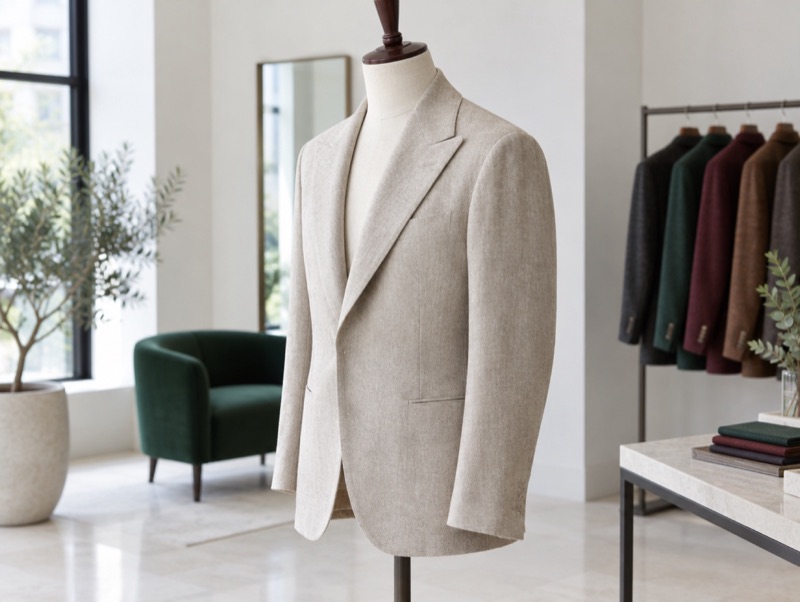
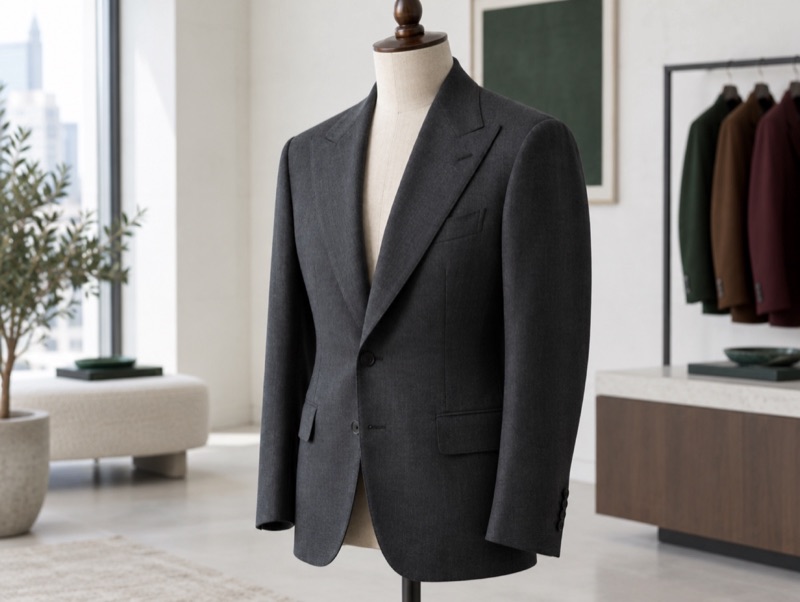
Liverano came to Florence from Puglia as a boy and has cut there since the 1950s. His coat (a very wide lapel with a full belly, a rounded chest, a soft shoulder and a front with minimal or no dart) is the definitive statement of Florentine tailoring, and its influence on Japanese and Korean makers is out of all proportion to the size of the workshop.
The cut
Removing or reducing the front dart moves the shaping into the side panels and the iron, which is harder and produces a distinctly rounder chest with an uninterrupted front. That clean front is what allows the lapel to be cut as wide as it is. The whole silhouette reads as generous rather than sharp, and it is recognisable at a distance to anyone who knows the vocabulary.
Transmission
An unusual number of Japanese and Korean tailors trained in or around the Liverano workshop and returned home to cut in the Florentine manner. The result is that the style is now encountered more often outside Florence than in it. This is the clearest contemporary example of how a tailoring tradition actually spreads: through apprenticeship, one person at a time, and across continents rather than within them.
A workshop, not a factory
The Florence operation is small, output is limited, and the waiting list is long. Alongside bespoke the house produces ready-to-wear and travels regularly to Japan and the United States.
For a customer this means the silhouette should be seen before it is commissioned. A very wide lapel and a round, dartless front are strong choices that do not recede in a room, and they are the reason people commission the house.
Keeping a regional cut alive long enough
Florentine tailoring could easily have disappeared into the general Italian category, and it substantially survives because one workshop kept cutting it without modification through the decades when nobody outside the city was interested.
The reward came late: an international audience arrived, largely via Japan, and found a cut that had not been diluted to meet it. The tailors he trained are now the transmission mechanism, in Florence and well beyond it.
At a glance
Houses working in this tradition
Picture credits 2
- An illustration of the house's recorded cut: soft shoulder, light canvas chest, rounded, wide lapel, dartless front. Not a photograph of the house's own work.: Original art · Il Sartoriale · Il Sartoriale · Il Sartoriale original art
- An illustration of the house's recorded cut: soft shoulder, light canvas chest, florentine: wide lapel, rounded chest. Not a photograph of the house's own work.: Original art · Il Sartoriale · Il Sartoriale · Il Sartoriale original art