المدينة · Italy
Rome
Roma
Roman tailors cut lightly built jackets that sit close to the body, landing between soft Neapolitan and more structured Milanese styles.
Roman tailoring sits between Neapolitan softness and Milanese structure: lightly built, cut close through the body, with a long lean line. The city's tailoring history is entangled with the Church, the aristocracy and, in the 1950s and 1960s, the film industry.
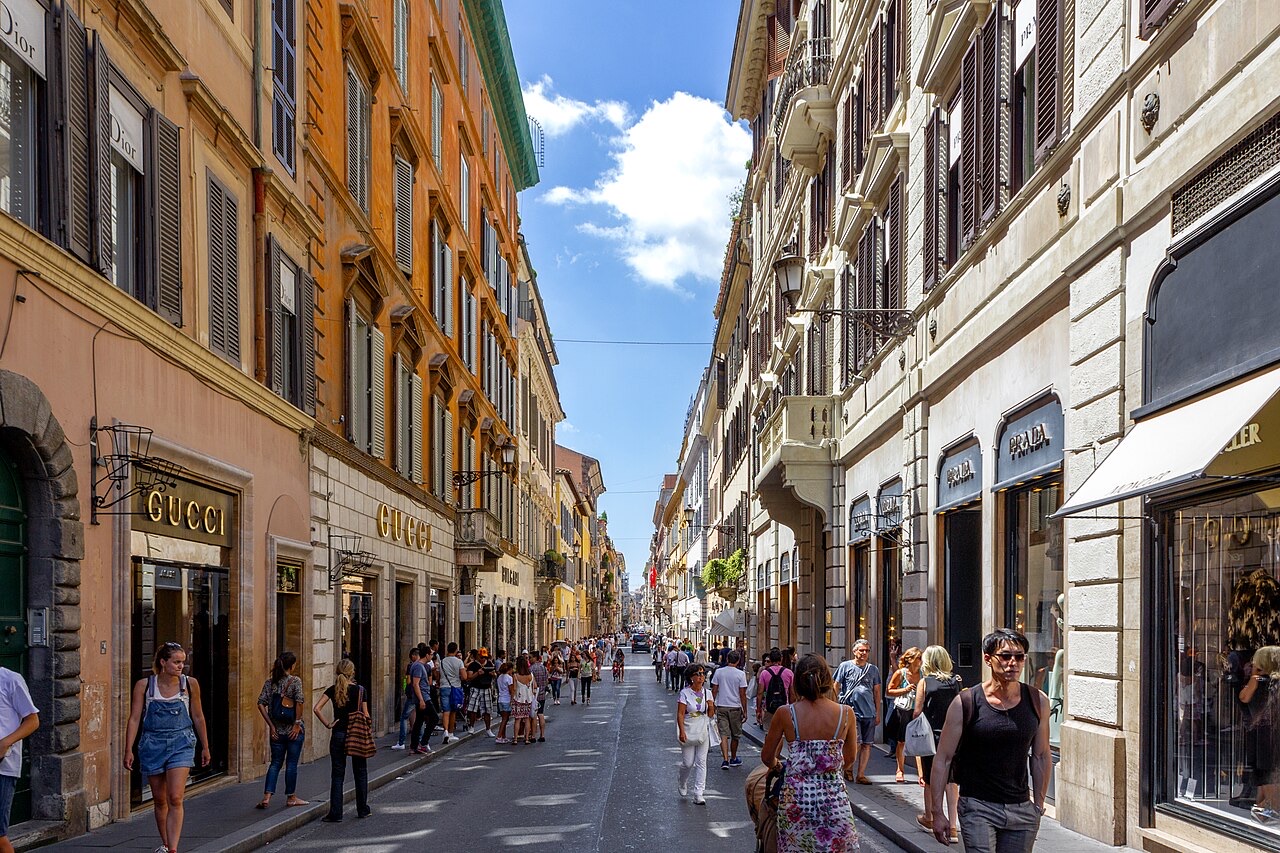
The Roman line
Roman tailoring is defined more by proportion than by construction. The coat is cut long and close, the shoulder is built but not heavy, the waist is marked, and the effect is elongating. It is less soft than Naples and less severe than Milan, and Roman tailors will tell you at length that this is the balanced position.
The Cifonelli family came from Rome before establishing in Paris; several Caraceni firms have Roman branches or origins. Rome's tailoring is also where the twentieth century's Italian film costume came from, which is why Roman houses appear in more photographs than their number would suggest.
Where the tailors are
Dispersed through the historic centre rather than concentrated in one street, largely in first-floor workrooms and by appointment. The clerical trade clusters near the Pantheon, around Via di Santa Chiara.
As in Naples, the shop with the most visible presence is not reliably the one with the best cutter, and much of the trade is invisible from the pavement.
Clerical dress
Rome supports a specialist trade almost nowhere else does: ecclesiastical tailoring, at every level from parish clergy to the papal household. Gammarelli, near the Pantheon, has made clerical garments since the eighteenth century. It is a genuine tailoring tradition with its own cuts, cloths and rules, and it sits a few streets away from the secular trade.
The film connection
Roman tailoring dressed the Italian film industry through its most productive decades, and a large part of the photographic record of mid-century Italian menswear is Roman work worn by actors.
That has shaped the international perception of Italian tailoring more than any deliberate marketing did, and it is worth knowing that the clothes in those photographs are frequently Roman rather than Neapolitan.
خياطو بيسبوك في Rome
الكل خياطو بيسبوك →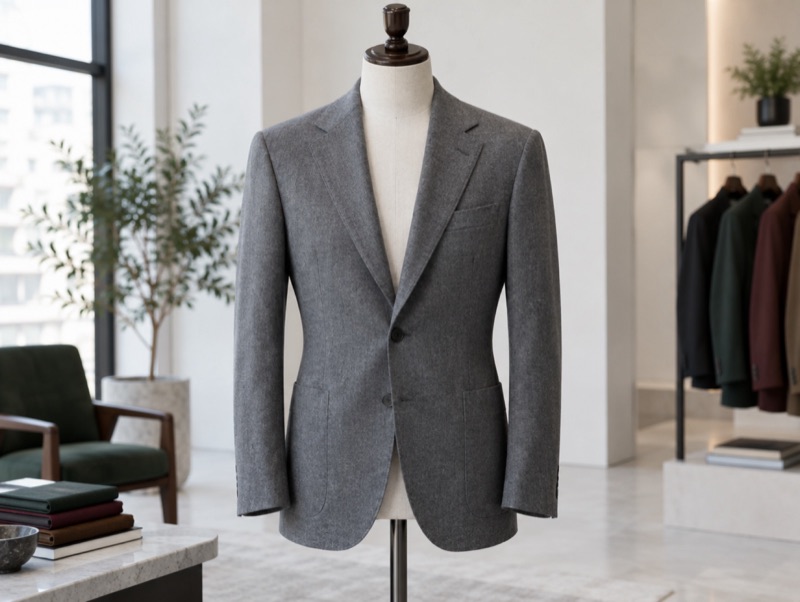
Brands based here في Rome
الكل العلامات التجارية →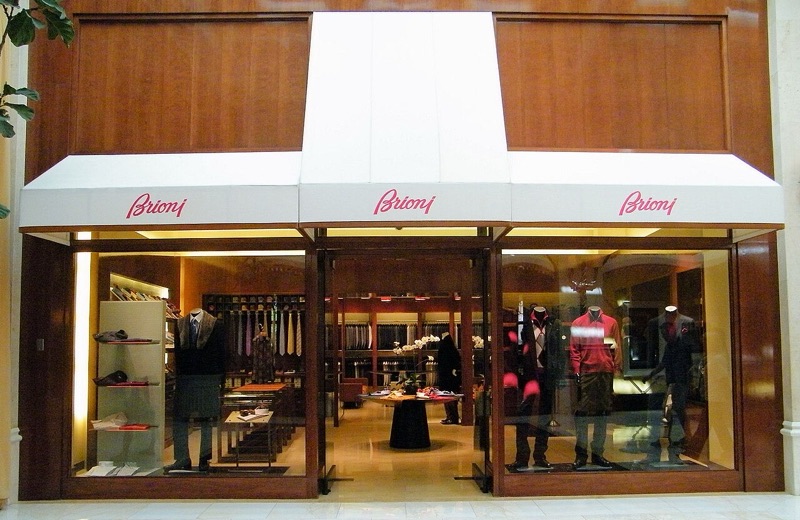
الأسلوب المحلي
ملاحظات عملية
في أماكن أخرى من Italy
Naples
Naples is today's most influential tailoring city, known for soft, light jackets with little padding, high armholes and gathered sleeves, made for hot weather.
المدينةMilan
Where Italian tailoring puts its jacket back on: cleaner, sharper and considerably more businesslike.
المدينةFlorence
Florentine tailors make soft, rounded jackets with wide lapels, and the city also hosts Pitti Uomo, the menswear trade's twice-yearly gathering.
المدينةBiella
Biella is where much of the world's fine suit cloth is spun and woven, by mills like Loro Piana and Vitale Barberis Canonico.
حقوق الصور 3
- Via dei Condotti: Photograph · Perituss · Wikimedia Commons · CC0
- An illustration of the house's recorded cut: soft shoulder, full canvas chest, long roman line. Not a photograph of the house's own work.: Original art · Il Sartoriale · Il Sartoriale · Il Sartoriale original art
- Brioniboutique: Photograph · Coolcaesar · Wikimedia Commons · CC BY-SA 3.0