Aprender
Não existe uma ordem natural para um tema como este: as pessoas chegam por causa de um casaco que viram, uma palavra que desconheciam ou uma conta que não esperavam. Por isso, o site está organizado de quatro formas em simultâneo, e esta página é o seu mapa.
1. Comece aqui: o percurso ordenado
Abrir o percurso →Nove páginas, em sequência, sem pressupor nada. No final saberá por que razão dois casacos de aparência semelhante podem diferir dez vezes no preço, e será capaz de dizer o que está a ver.
- Why expensive clothes cost moreA £4,000 suit costs more than a £200 one mostly because of hours of skilled handwork and fittings, more than the cloth, though brand plays a part.
- Bespoke, made-to-measure and ready-to-wearReady-to-wear comes in standard sizes, made-to-measure adjusts a standard pattern, and bespoke draws a new pattern just for you, refined through fittings.
- How a great suit is actually madeA good tailored jacket has a horsehair and wool inner layer shaped with hand stitching, cloth shaped with an iron, and repeated fittings on the body.
- How a suit should fitWhen buying a suit, get the shoulders right first because they cannot be altered, while the collar, chest, sleeves, length and waist can be adjusted.
- Understanding fabricFabric is described by its fibre, weight, weave and fin
- What full canvas meansThere is a hand-shaped skeleton inside a good jacket. You can feel it in ten seconds.
- Choosing your first serious suitNavy or mid-grey, plain, eleven ounces, half canvas at least, and spend the difference on alterations.
- Understanding shoesA shoe's construction decides whether it can be resoled, which is what makes an expensive pair an investment rather than an extravagance.
- Caring for fine clothingWool mostly cleans itself with airing and brushing, so rest, brushing and good hangers keep clothes going longer than dry cleaning, which strips the fibre's oils.
2. Como as coisas são feitas
Todas as técnicas →Uma técnica por página: o que é, quanto custa em horas, se a diferença é visível e quais as casas conhecidas por ela.
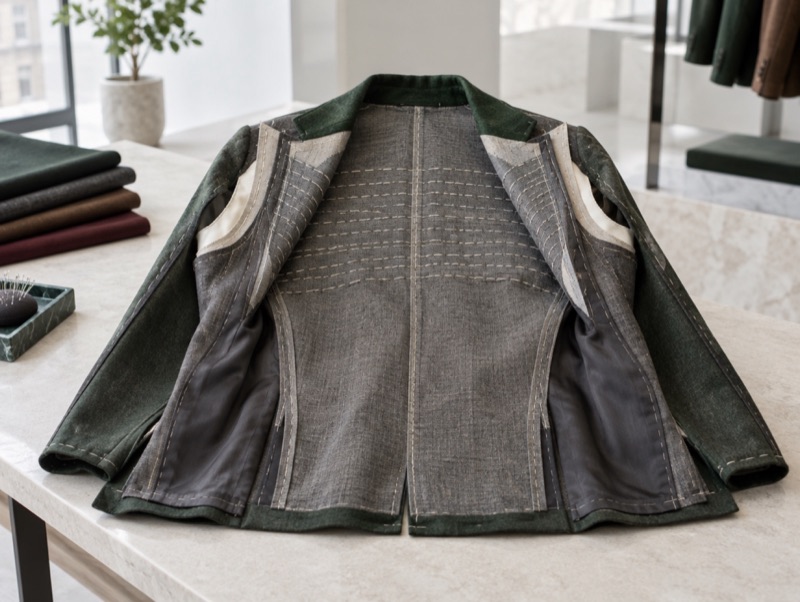 01
01
Full canvas construction
A hand-shaped skeleton of horsehair and wool, sewn (never glued) between cloth and lining.
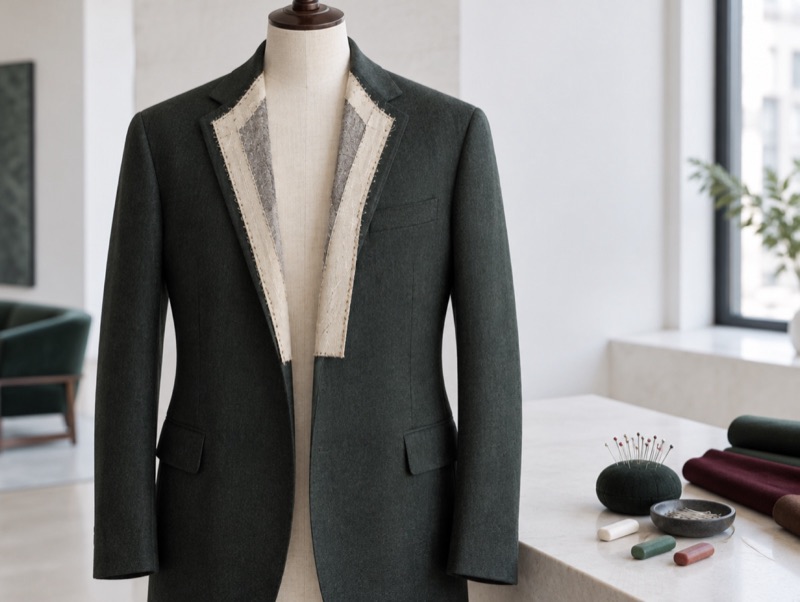 02
02
Half canvas construction
Canvas through the chest and lapel, fusible below: the compromise most good ready-to-wear makes.
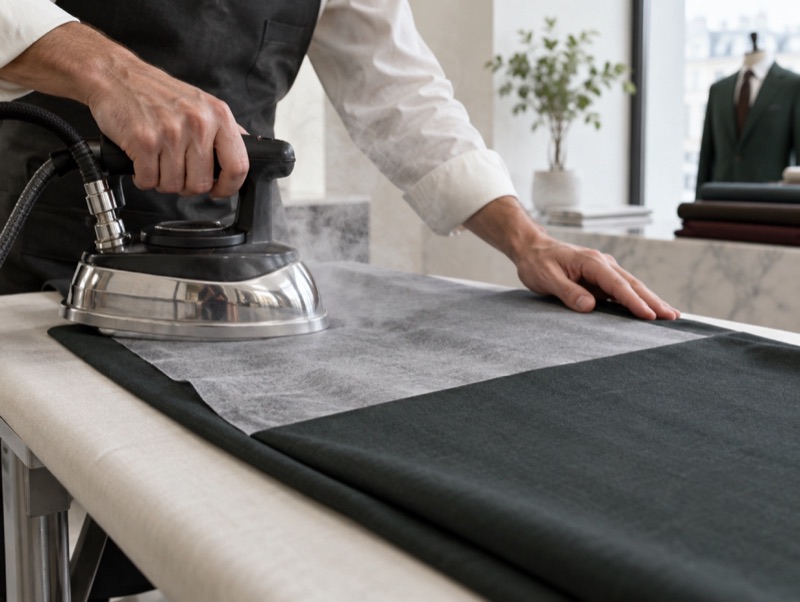 03
03
Fused construction
An interlining bonded to the cloth with heat and adhesive. Fast, cheap, and the reason most suits feel like boards.
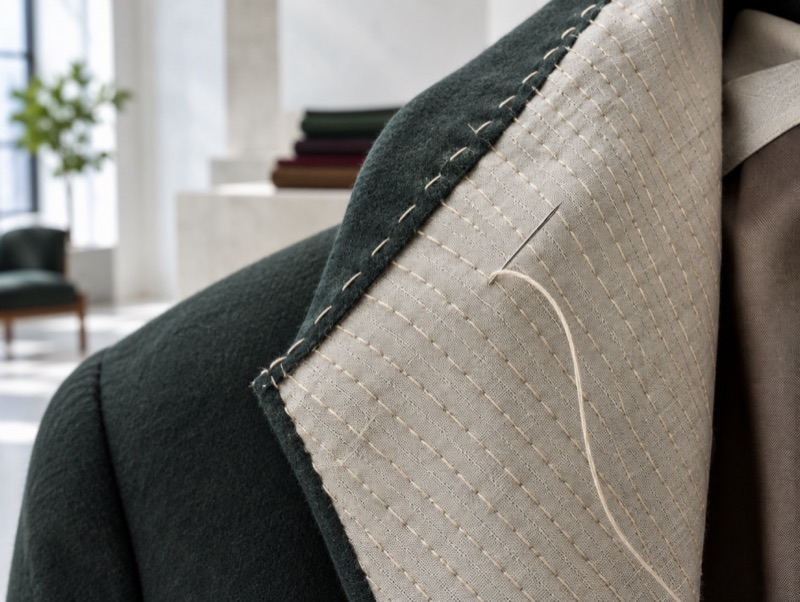 04
04
Pad stitching
Thousands of small diagonal stitches that curl flat cloth into a permanent three-dimensional shape.
 05
05
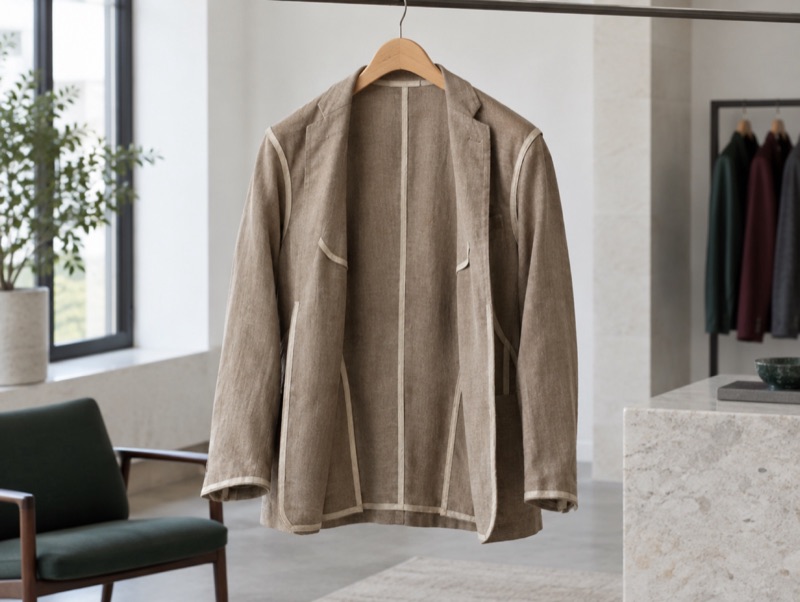
Unstructured construction
Shape from cutting and ironwork alone, with nothing inside the coat to help.
 06
06
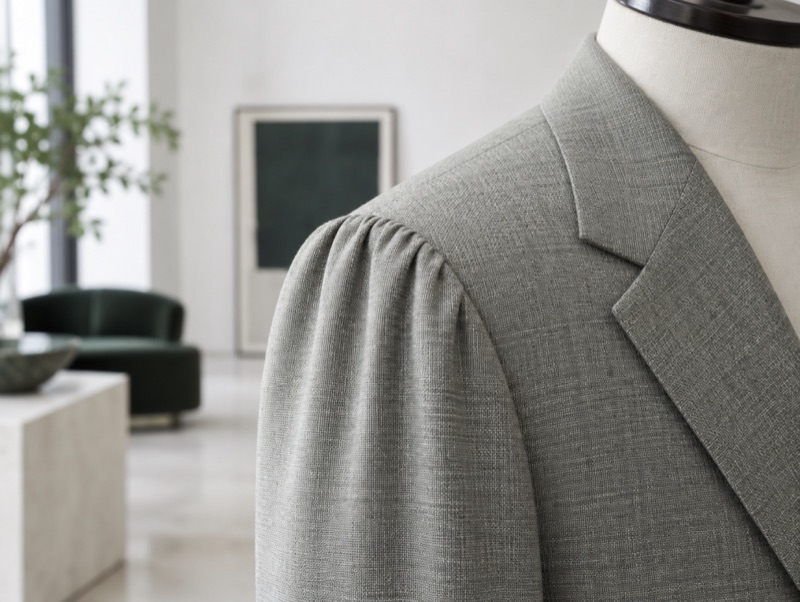
Spalla camicia (the shirt shoulder)
A sleeve set into a jacket the way a sleeve is set into a shirt: inside out, with the fullness gathered.
-
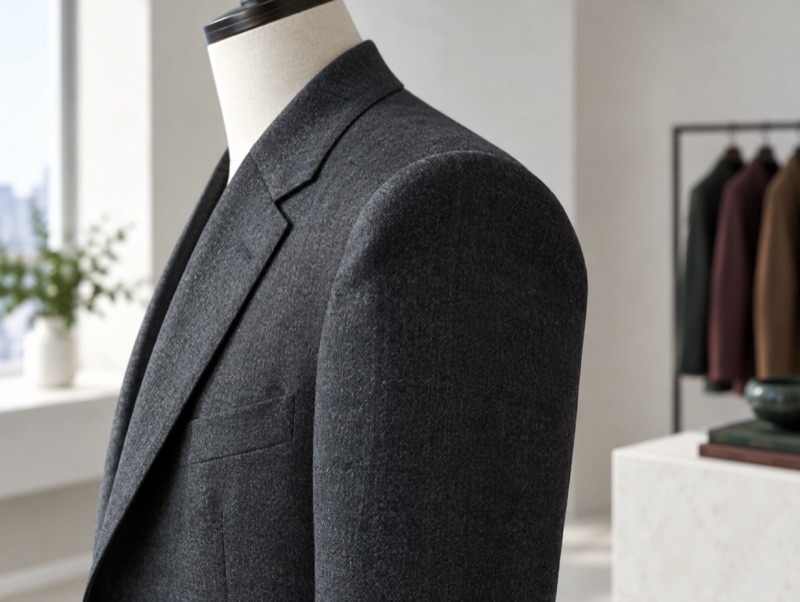 The roped shoulder
The sleeve head lifted slightly proud of the shoulder line: the opposite decision to the Neapolitan one.
-
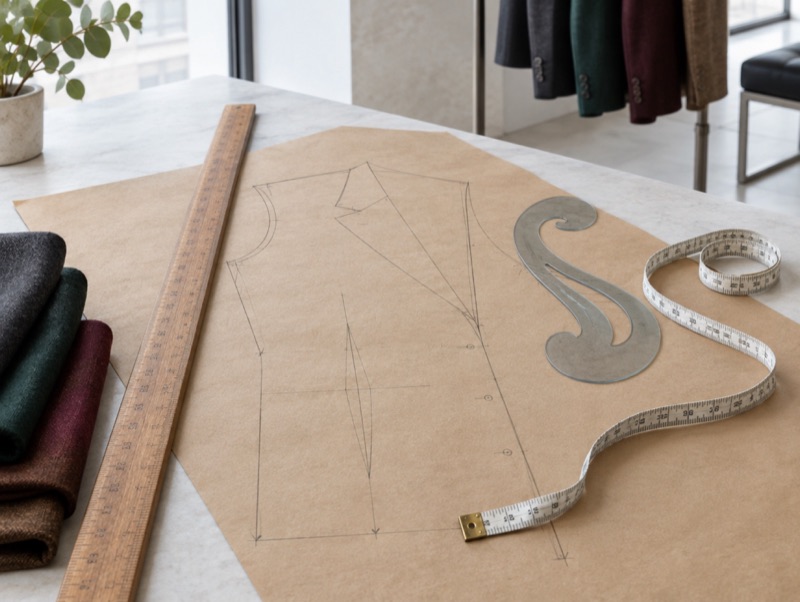 Pattern drafting
Turning a set of measurements and a look at a body into flat paper shapes. The part that decides everything.
-
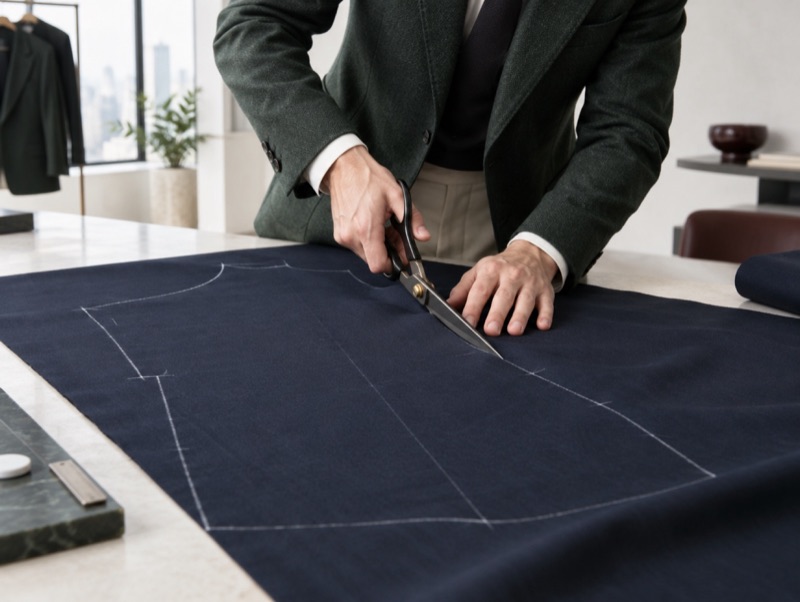 Hand cutting
One person, one pair of shears, one layer of cloth at a time.
-
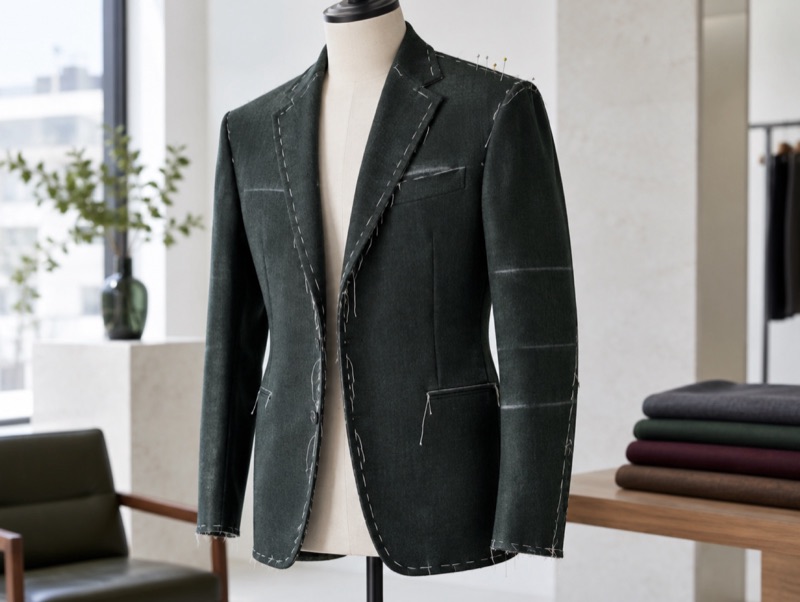 The basted fitting
A garment loosely tacked together, tried on, marked in chalk, and then taken apart again.
-
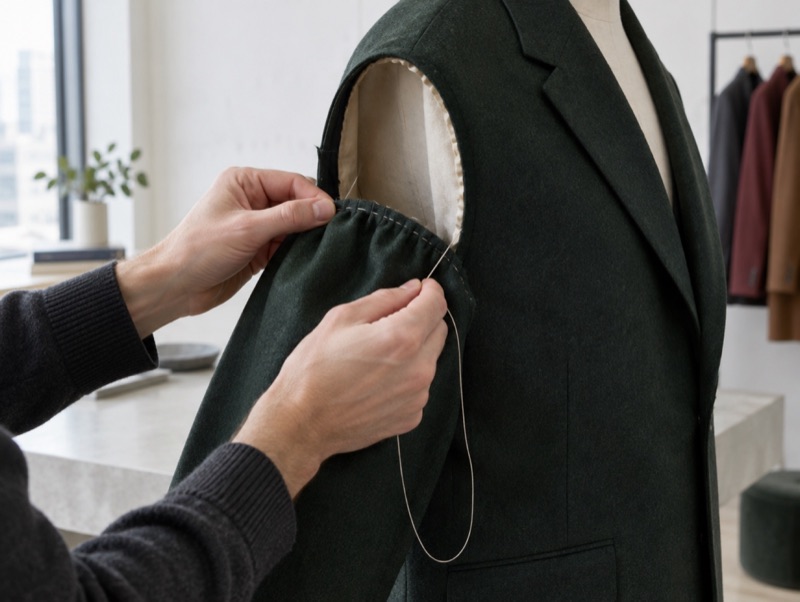 The hand-set sleeve
The one seam that most rewards a person doing it, because it is the one seam that has to be eased.
-
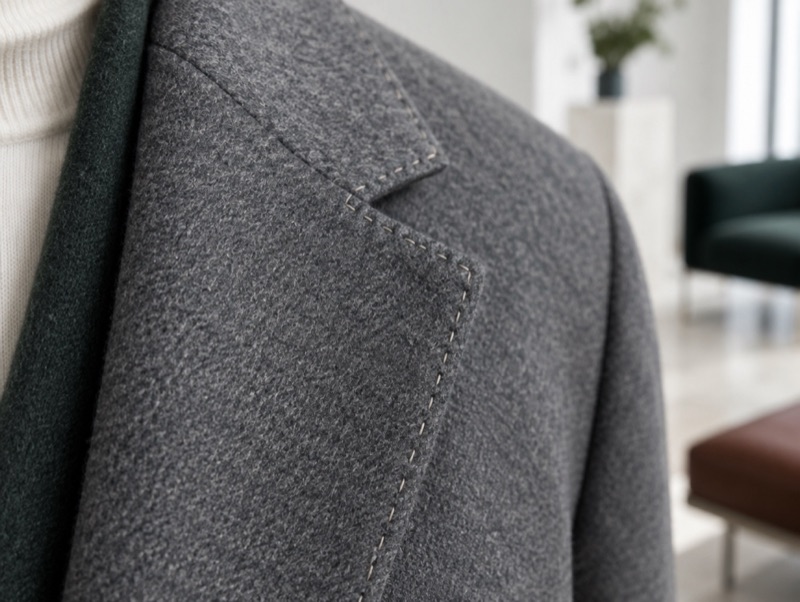 Pick stitching
The small visible stitches along a lapel edge: sometimes a hand finish, more often a machine imitating one.
3. De que são feitas as coisas
Todos os materiais →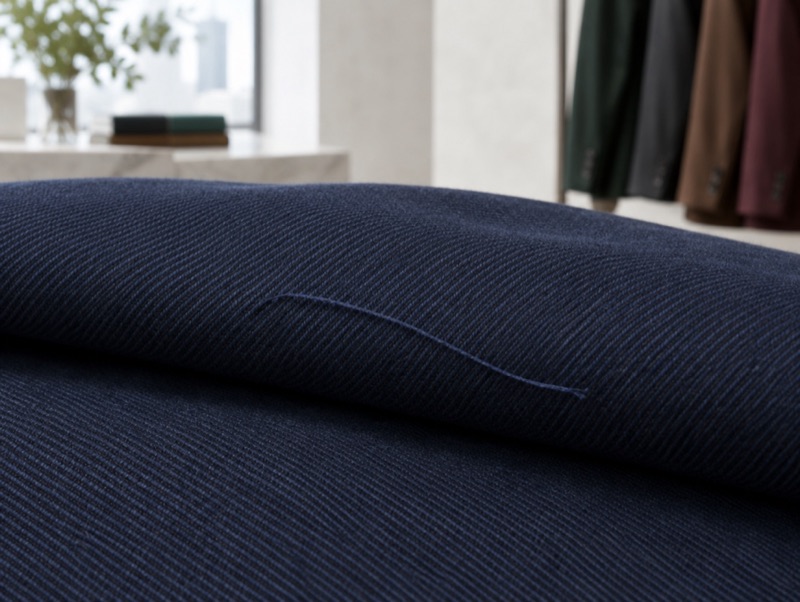 01
01
Wool
The default fibre of tailoring, for reasons that are structural rather than traditional.
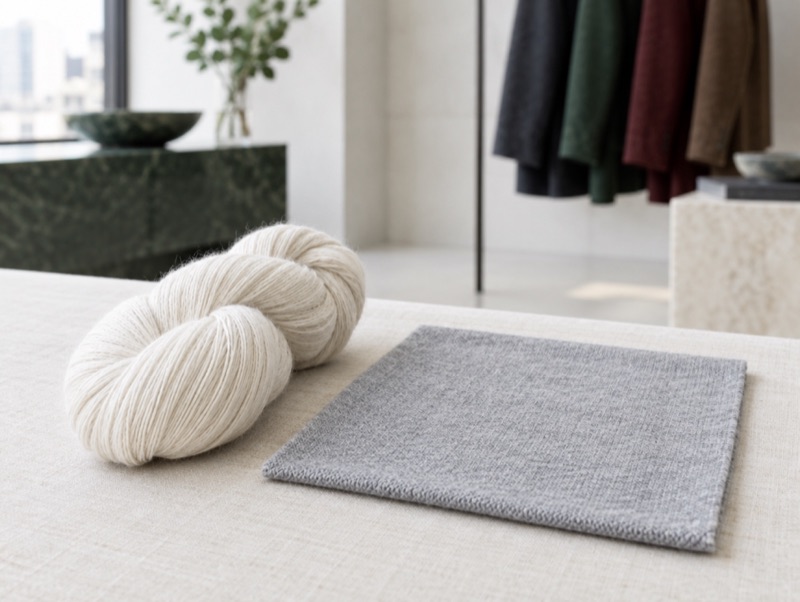 02
02
Merino wool
One breed of sheep, bred for fineness over five centuries, supplying almost all fine suiting.
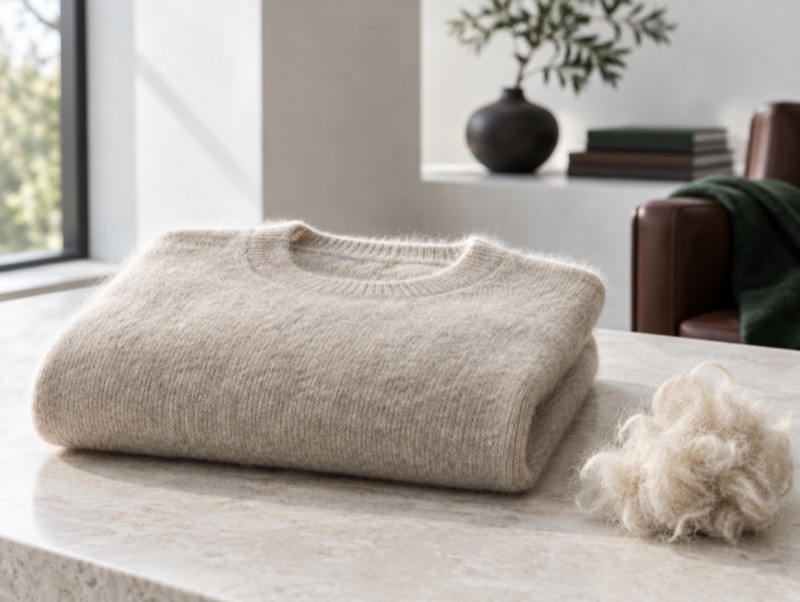 03
03
Cashmere
The undercoat of a goat that lives somewhere very cold, combed out by hand each spring.
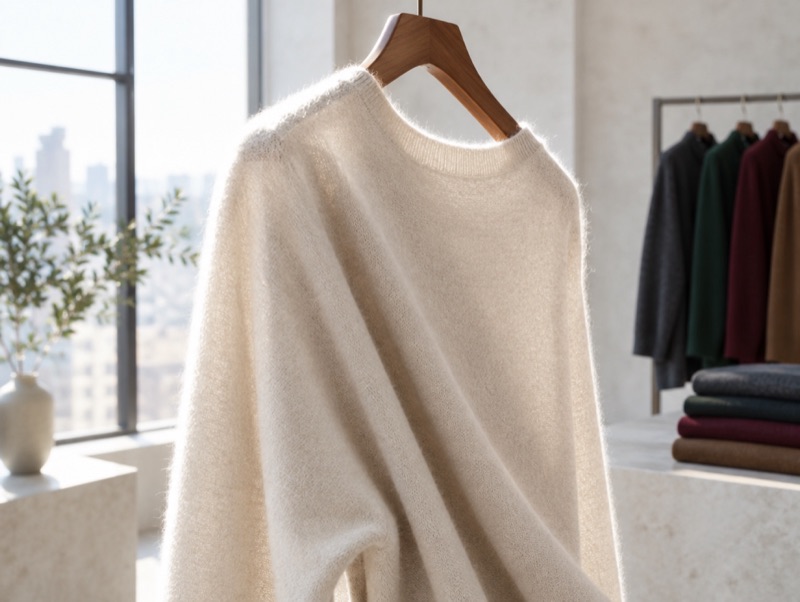 04
04
Baby cashmere
The first combing from a young goat: finer, scarcer, softer, and not more durable.
 05
05
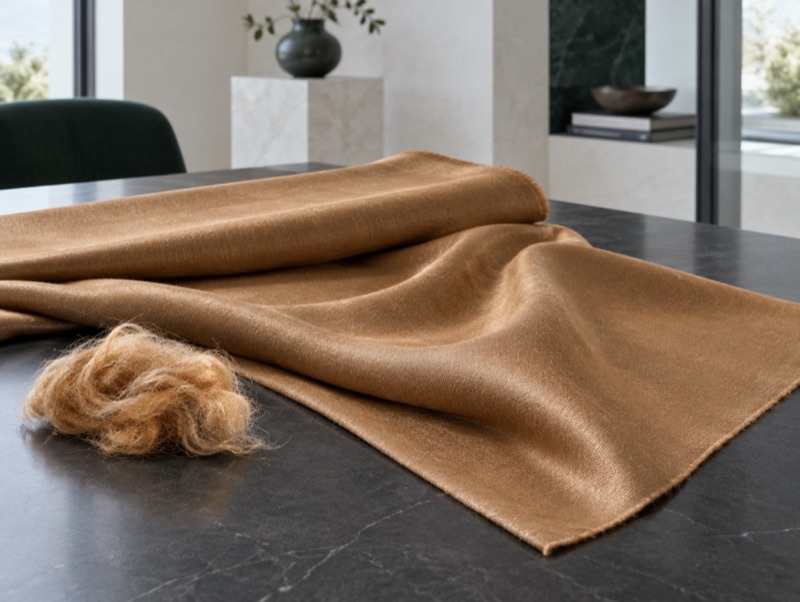
Vicuña
The finest animal fibre in commercial use, from a wild Andean camelid that was nearly hunted to extinction and is now shorn alive under licence.
 06
06
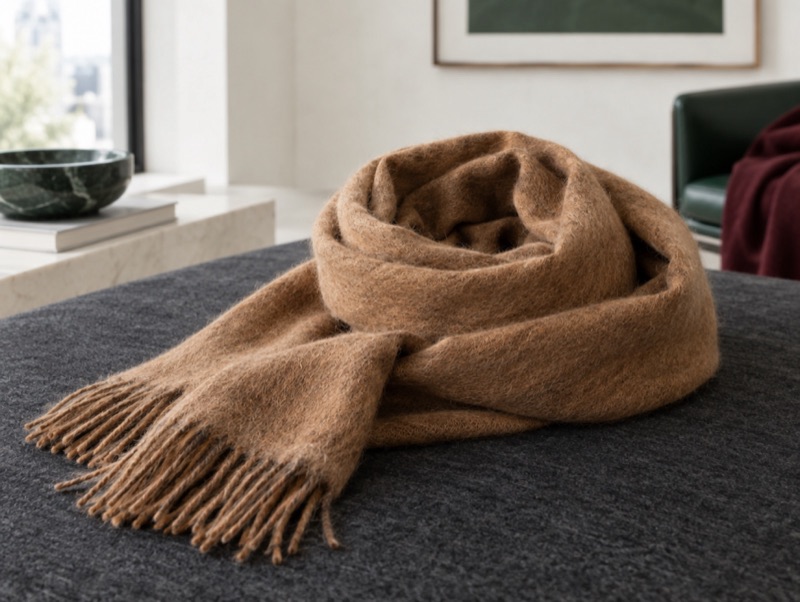
Guanaco
Vicuña's larger cousin, and the fibre people reach for when vicuña is out of the question.
-
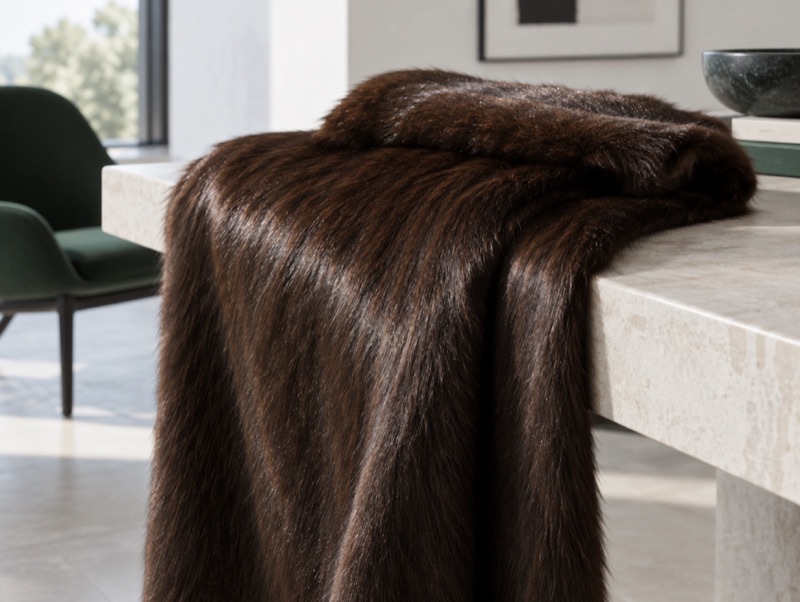 Alpaca
Warm, lustrous, silky in drape and much less prone to itch than its reputation suggests.
-
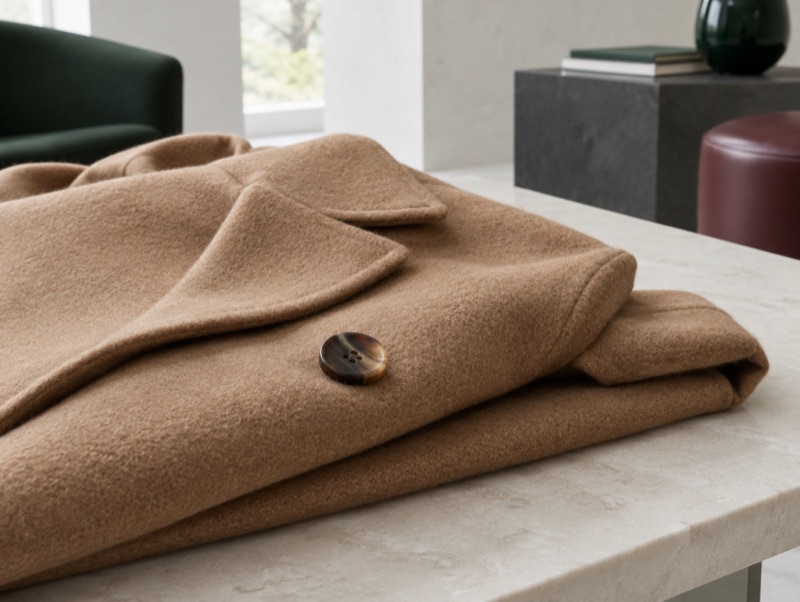 Camel hair
The undercoat of a Bactrian camel, collected as it falls off, and the colour of half the polo coats ever made.
-
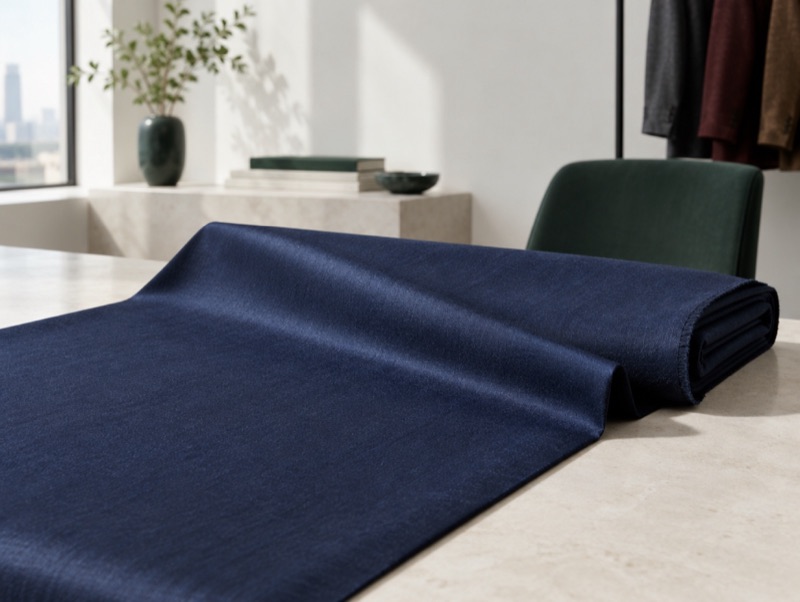 Mohair
Angora goat hair: glossy, wiry, cool, and almost impossible to crease.
-
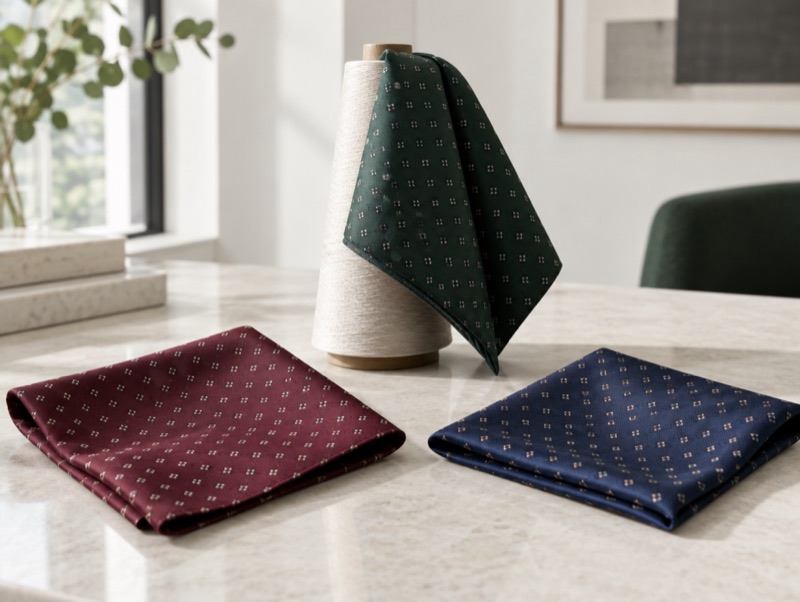 Silk
Silk
Silk is a fibre reeled from the silkworm's cocoon as one long thread, so it is smooth, strong and shiny, and used in ties and linings.
-
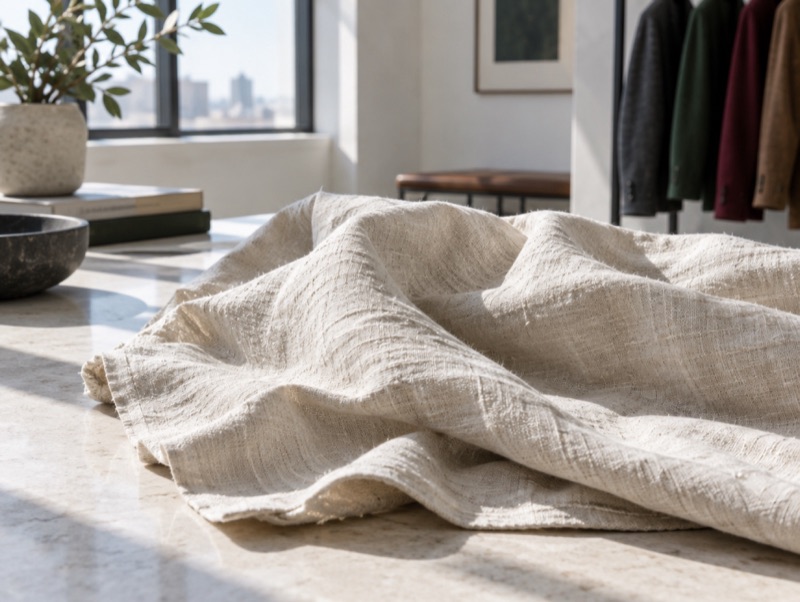 Linen
Linen
Linen is made from the flax plant and is the coolest cloth to wear, though it creases instantly and stays creased.
-
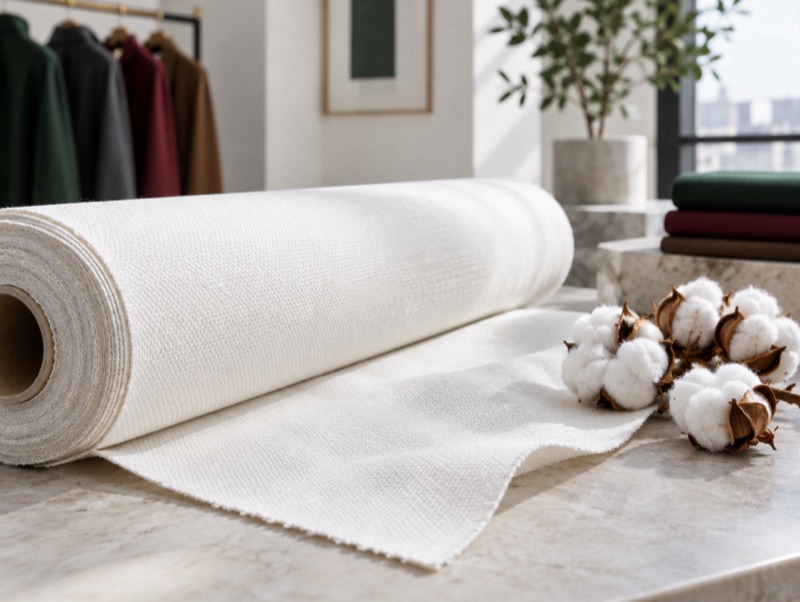 Cotton
Cotton is the fibre around the cotton plant's seeds, and the longer its fibres, the smoother, stronger and less likely to pill the cloth.
4. Respostas directas
Todos os guias →De onde tudo veio
História →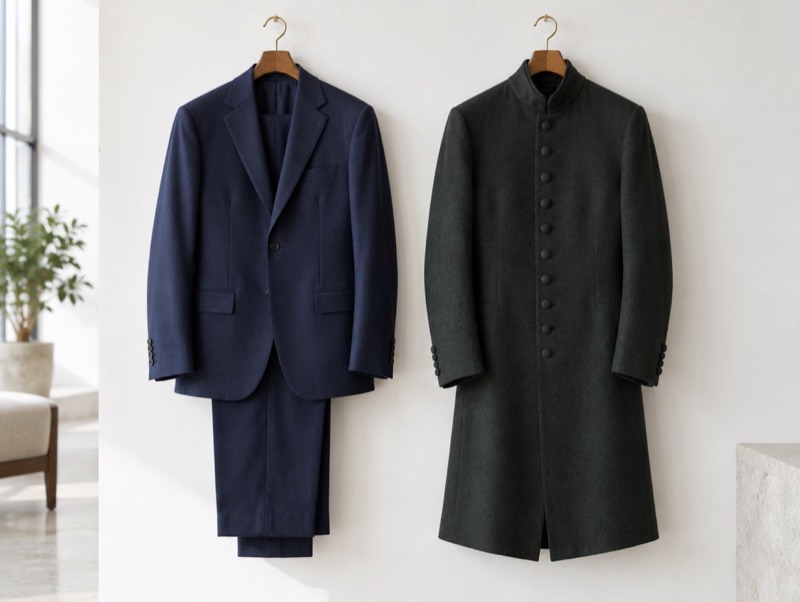 01
01
How the suit happened
The modern suit grew from the coat, waistcoat and breeches of the 1660s English court, simplified by country and riding clothes over two centuries.
 02
02
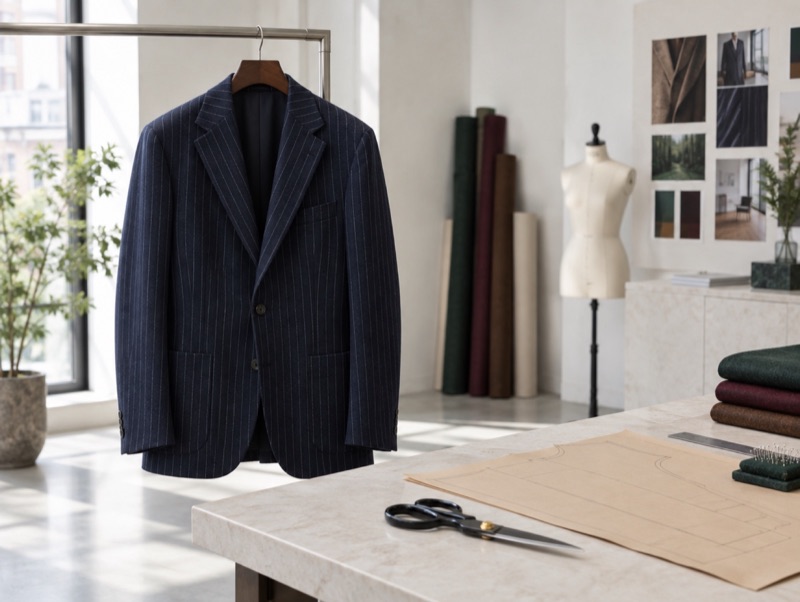
How Savile Row happened
Savile Row filled with tailors around 1800 to be near aristocratic clients, and it is now a small trade with a famous name and too few makers.
 03
03
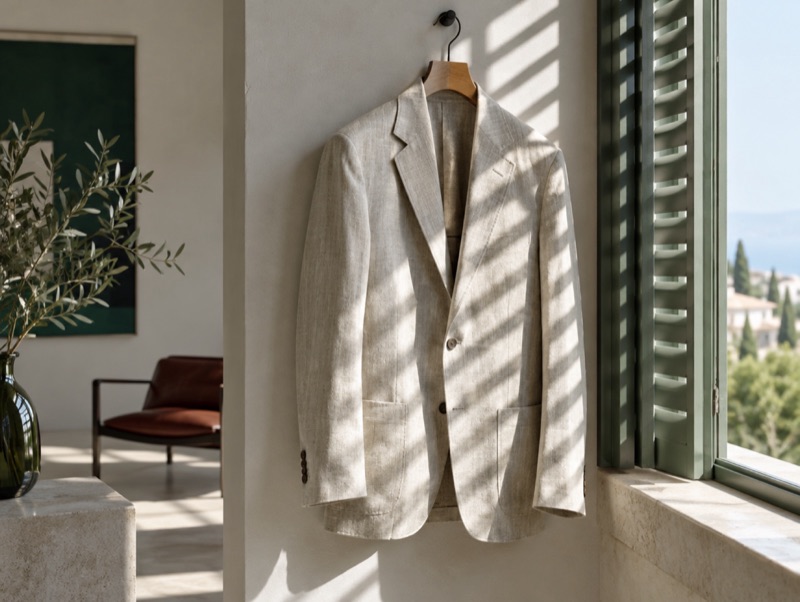
How Naples took the weight out of the jacket
Neapolitan tailoring began in 1930s Naples, where workshops like Rubinacci removed the padding, stiffening and lining from English jackets so they felt light in the heat.
 04
04
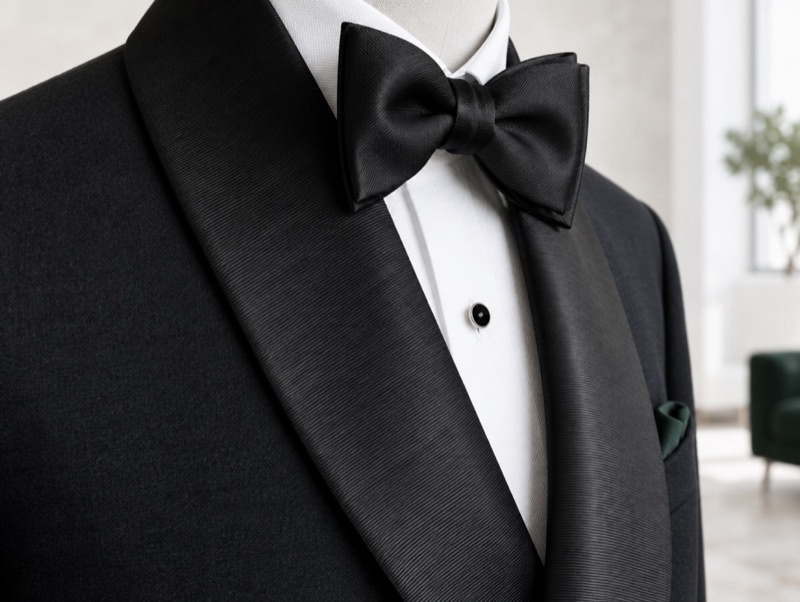
How the dinner jacket happened
The dinner jacket started as a blue silk coat Henry Poole made for the Prince of Wales in 1865, and Americans named it after Tuxedo Park.
 05
05
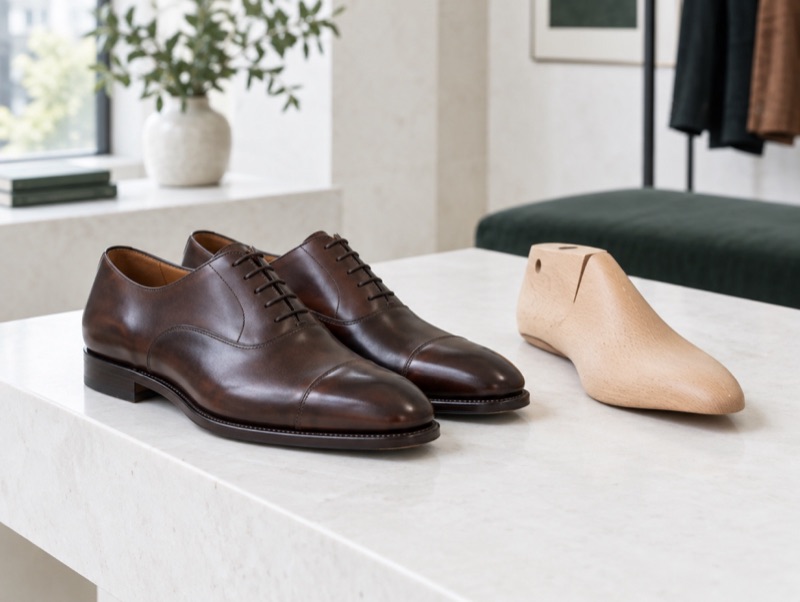
How men's shoes reached their present form
Ordinary dress shoes owe a lot to the 1870s Goodyear welting machine, which let machines build shoes that could still be repaired.
 06
06
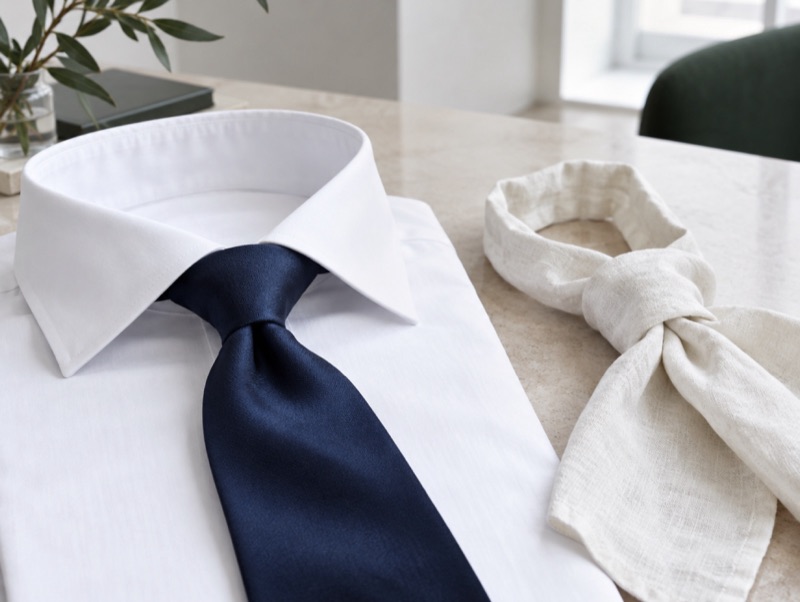
How the necktie happened
Croatian mercenaries, a French court, and a nineteenth-century knot that never went away.
-
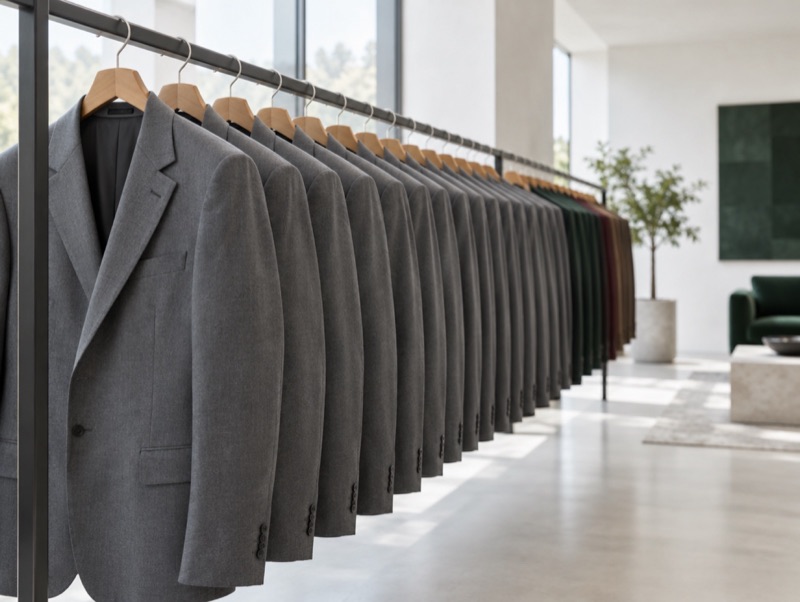 The rise of ready-to-wear
Ready-made clothing took off in the nineteenth century when making uniforms, especially for the American Civil War, showed how body sizes vary.
-
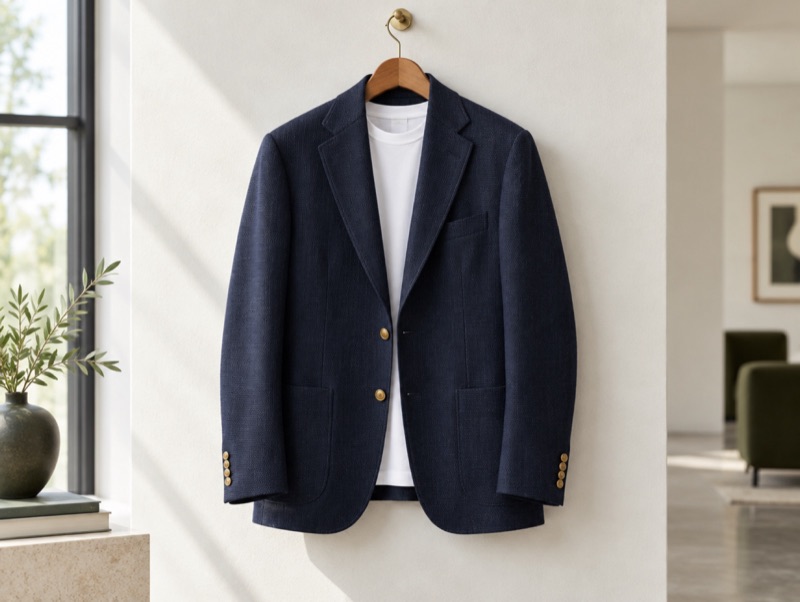 The blazer, and two stories about it
The blazer, a navy jacket often with metal buttons, is said to come from a Cambridge rowing club or HMS Blazer, though neither story is proven.
O vocabulário
Glossário completo →Créditos fotográficos 32
- A jacket front showing its full canvas: Original art · Il Sartoriale · Il Sartoriale · Il Sartoriale original art
- A jacket front showing a half canvas: Original art · Il Sartoriale · Il Sartoriale · Il Sartoriale original art
- Fusible interlining pressed onto cloth: Original art · Il Sartoriale · Il Sartoriale · Il Sartoriale original art
- Rows of pad stitches on a lapel canvas: Original art · Il Sartoriale · Il Sartoriale · Il Sartoriale original art
- An unlined jacket turned inside out: Original art · Il Sartoriale · Il Sartoriale · Il Sartoriale original art
- A shoulder with the sleeve head gathered like a shirt: Original art · Il Sartoriale · Il Sartoriale · Il Sartoriale original art
- A roped shoulder with a raised sleeve head: Original art · Il Sartoriale · Il Sartoriale · Il Sartoriale original art
- A paper pattern drawn on brown paper: Original art · Il Sartoriale · Il Sartoriale · Il Sartoriale original art
- Shears cutting chalk-marked cloth: Original art · Il Sartoriale · Il Sartoriale · Il Sartoriale original art
- A basted jacket marked in chalk: Original art · Il Sartoriale · Il Sartoriale · Il Sartoriale original art
- A sleeve being set into an armhole by hand: Original art · Il Sartoriale · Il Sartoriale · Il Sartoriale original art
- Pick stitches along a lapel edge: Original art · Il Sartoriale · Il Sartoriale · Il Sartoriale original art
- Navy worsted wool suiting, close up: Original art · Il Sartoriale · Il Sartoriale · Il Sartoriale original art
- Fine merino yarn and a square of merino worsted: Original art · Il Sartoriale · Il Sartoriale · Il Sartoriale original art
- A folded cashmere sweater with a tuft of raw fibre: Original art · Il Sartoriale · Il Sartoriale · Il Sartoriale original art
- Fine pale cashmere knit on a wooden hanger: Original art · Il Sartoriale · Il Sartoriale · Il Sartoriale original art
- A length of vicuña cloth in its natural golden colour: Original art · Il Sartoriale · Il Sartoriale · Il Sartoriale original art
- A guanaco scarf in warm honey-brown: Original art · Il Sartoriale · Il Sartoriale · Il Sartoriale original art
- Dark alpaca coating with a long lustrous nap: Original art · Il Sartoriale · Il Sartoriale · Il Sartoriale original art
- Camel-hair coating in natural tan: Original art · Il Sartoriale · Il Sartoriale · Il Sartoriale original art
- Midnight-blue mohair suiting with a dry sheen: Original art · Il Sartoriale · Il Sartoriale · Il Sartoriale original art
- Silk tie cloths in oxblood, green and navy: Original art · Il Sartoriale · Il Sartoriale · Il Sartoriale original art
- Crumpled ivory linen in window light: Original art · Il Sartoriale · Il Sartoriale · Il Sartoriale original art
- White oxford cotton with raw cotton bolls: Original art · Il Sartoriale · Il Sartoriale · Il Sartoriale original art
- A modern suit beside a frock coat: Original art · Il Sartoriale · Il Sartoriale · Il Sartoriale original art
- A chalk-stripe jacket in a bright cutting room: Original art · Il Sartoriale · Il Sartoriale · Il Sartoriale original art
- A linen jacket in Mediterranean sun: Original art · Il Sartoriale · Il Sartoriale · Il Sartoriale original art
- A grosgrain shawl lapel with a bow tie: Original art · Il Sartoriale · Il Sartoriale · Il Sartoriale original art
- New welted oxfords beside a last: Original art · Il Sartoriale · Il Sartoriale · Il Sartoriale original art
- A silk tie knotted beside a linen cravat: Original art · Il Sartoriale · Il Sartoriale · Il Sartoriale original art
- A long rail of identical suits in a showroom: Original art · Il Sartoriale · Il Sartoriale · Il Sartoriale original art
- A navy blazer with brass buttons: Original art · Il Sartoriale · Il Sartoriale · Il Sartoriale original art