Schneiderstil · Italy
Neapolitan tailoring
Neapolitan jackets are as light and soft as possible, with little shoulder padding, gathered sleeves and a high armhole, and are the world's most copied style.
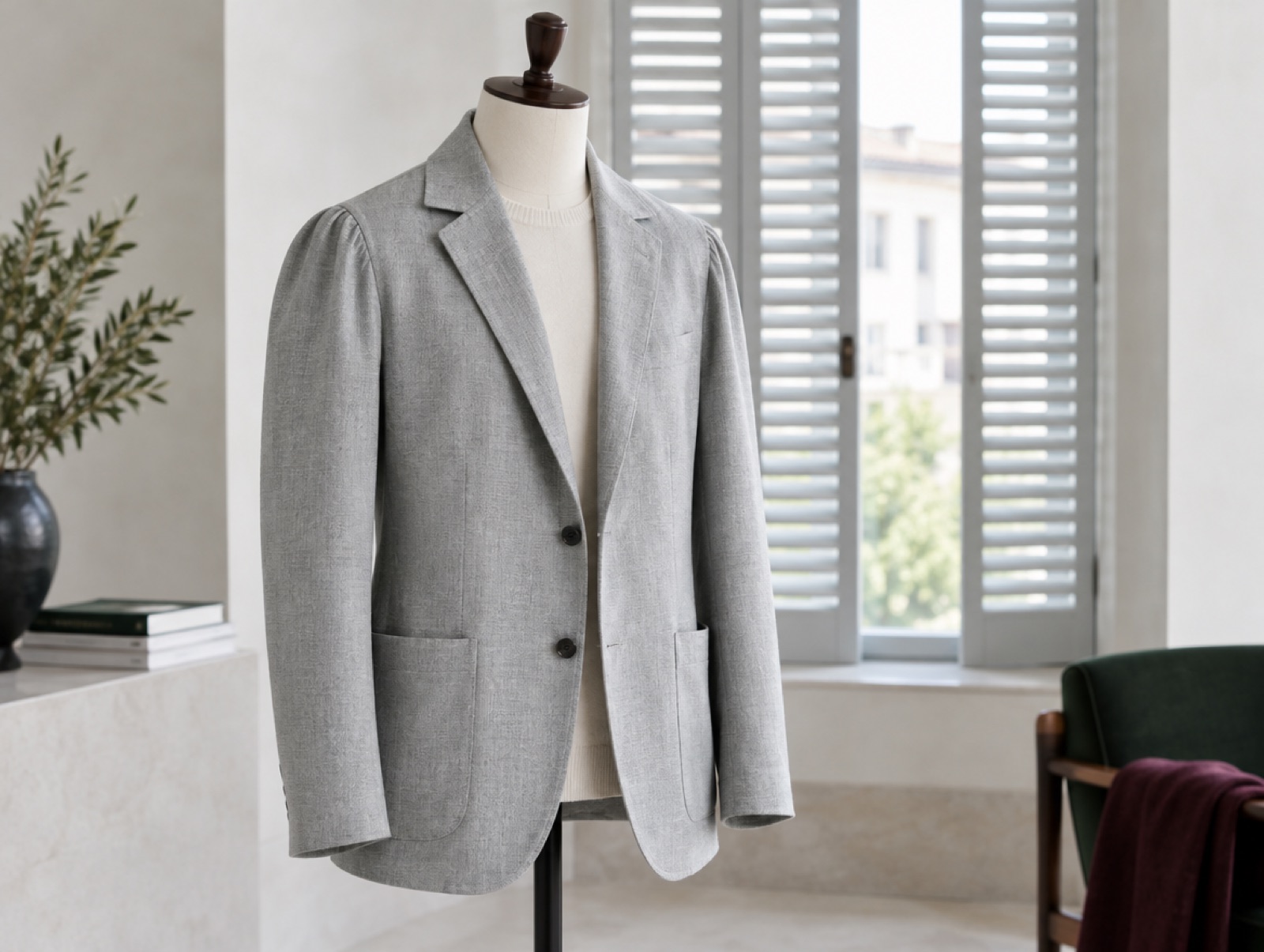
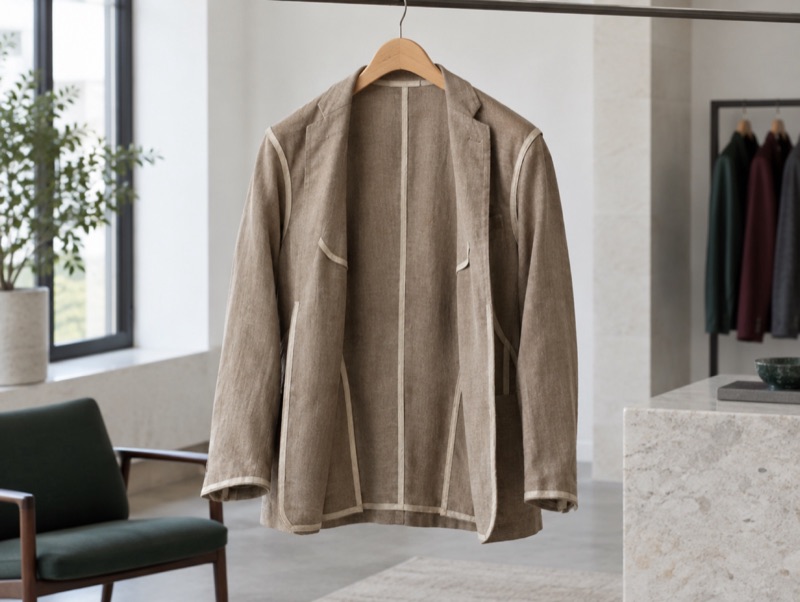
Neapolitan tailoring makes a jacket as light and soft as possible while still holding its shape. Little or no shoulder padding, a very light chest canvas or none, a high small armhole, and a sleeve gathered at the shoulder. It came out of a hot city where an English coat was unwearable, and it is now the most copied style in the world.
The problem it solves
An English jacket gets its shape from structure: a horsehair canvas pad-stitched into a curve, a shoulder pad, a full lining, and cloth heavy enough to hold what the tailor presses into it. In Naples in August, all of that is unbearable.
So the Neapolitan trade removed it and found other ways to make the coat sit. Shape comes instead from the cut of the panels, from how the cloth is shrunk and stretched with an iron before it is sewn, and from an armhole cut high and small enough that the coat stays put when the arm moves. It is a harder way to make a jacket, not an easier one; there is nothing inside to hide behind.
What you can actually see
- Spalla camicia: the shirt shoulder. The sleeve is set into the body with a small excess of cloth gathered at the head, so a row of soft ripples runs along the top of the shoulder. Nothing about it is structural; it is a consequence of how the sleeve is attached.
- Barchetta breast pocket: cut on a gentle curve like a little boat, rather than straight.
- Patch pockets: applied to the outside rather than set into the cloth, usually including the hip pockets, often with a rounded bottom.
- Open quarters: the front edges of the jacket curve away below the button, rather than falling straight.
- Three-roll-two: a three-button front where the lapel is pressed to roll softly over the top button.
- Minimal or no lining: frequently a half or quarter lining, with the internal seams finished by hand.
What it is not
It is not automatically better, and it is not automatically more work. A well-made unstructured jacket represents an enormous amount of skilled labour; a badly made one is simply a jacket with nothing in it, and the market is full of the second sort sold as the first.
It also does not suit every body or every purpose. The style is forgiving of movement and unforgiving of posture: without a canvas to impose a chest, a Neapolitan coat shows exactly what is underneath it. And in a cold climate, in a formal setting, the softness that reads as elegant in Naples can read as unmade.
The technical detail
The armhole is the least understood part. Cutting it high and small increases the range of arm movement, because the sleeve pivots in a small hole rather than dragging the whole front of the coat with it. It is harder to cut, harder to fit and less tolerant of error, which is why a poorly executed high armhole is genuinely uncomfortable and a well-executed one disappears.
The chest is where houses diverge most. Some Neapolitan workshops use a light canvas of wool and horsehair; some use a very light interlining; a few use effectively nothing across the chest at all. All of them will describe the coat as unstructured. If the distinction matters to you, ask what is actually in the chest; it is a reasonable question and a good house will answer it precisely.
Auf einen Blick
Häuser, die in dieser Tradition arbeiten
 01
01
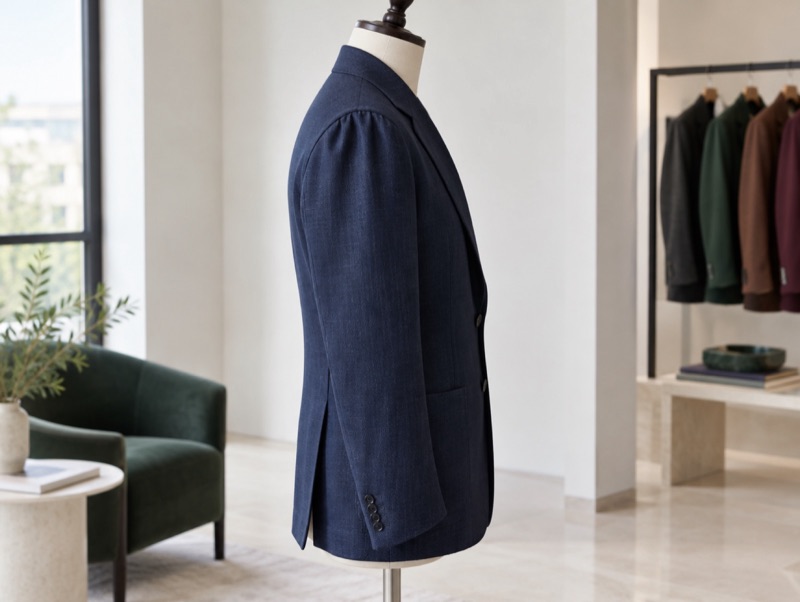
Cesare Attolini
Cesare Attolini is a Neapolitan clothing house run by descendants of the creator of the soft Neapolitan jacket, and it produces in volume while keeping much of the work done by…
 02
02
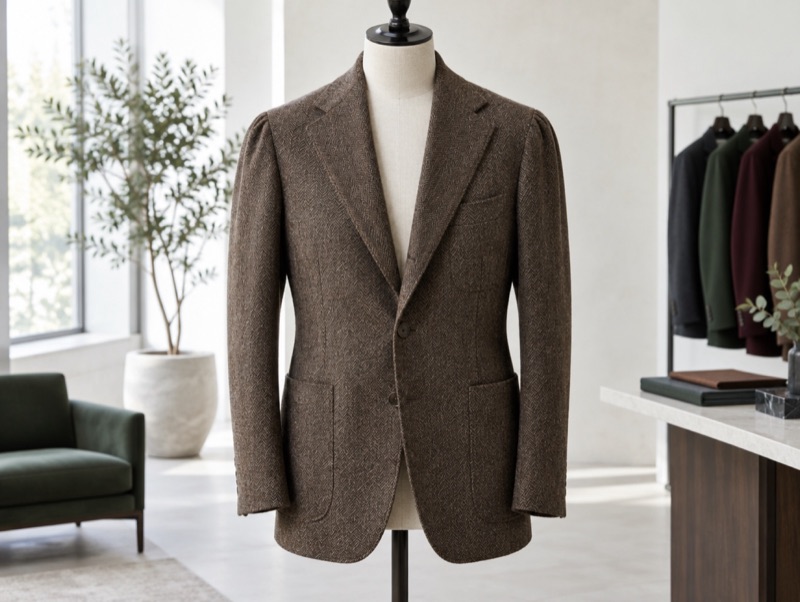
Orazio Luciano
Orazio Luciano is a Neapolitan family workshop making soft, hand-finished jackets and suits, and most people discover it through shops in Japan and the United States.
 03
03
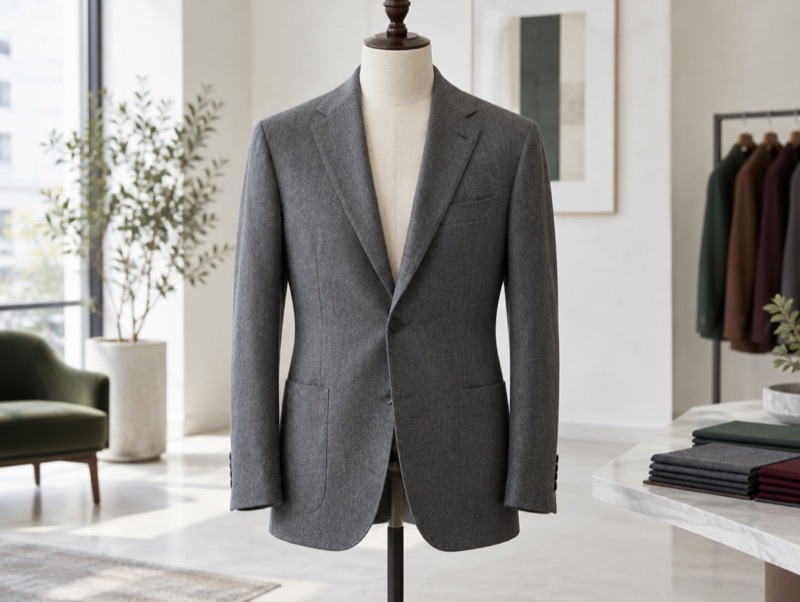
Rubinacci
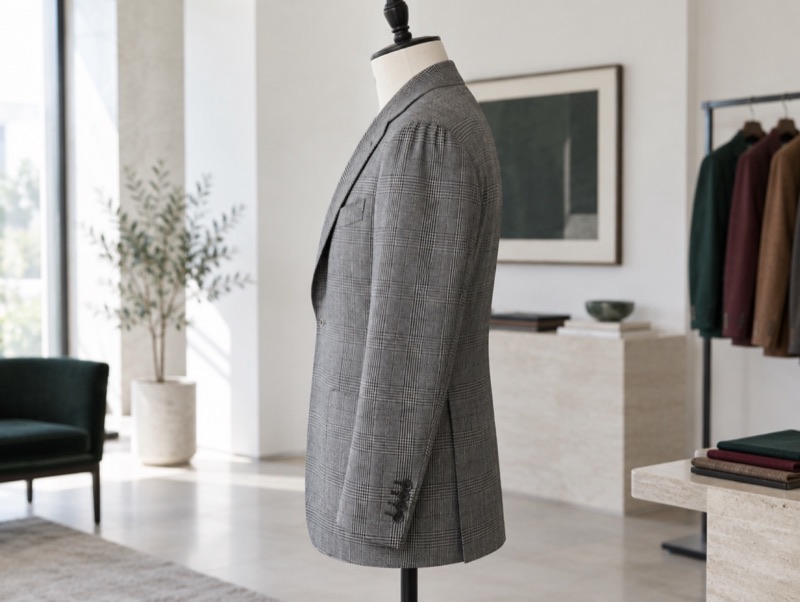
Rubinacci is the oldest and best-known tailoring house in Naples, founded in 1932, where the soft Neapolitan jacket without heavy padding was first created.
 04
04
Sartoria Ciardi
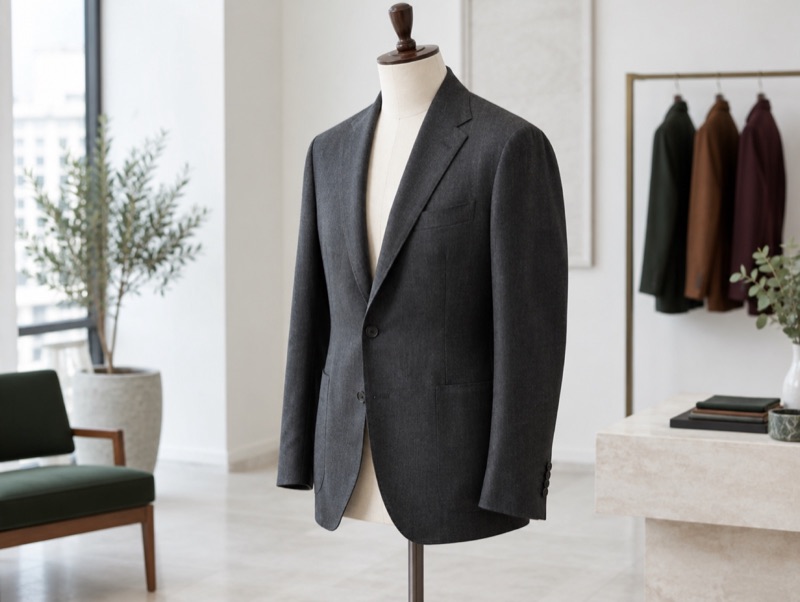
Sartoria Ciardi is a second-generation family tailor in Naples making soft jackets, and it takes many of its orders at traveling fittings held abroad.
 05
05
Sartoria Dalcuore
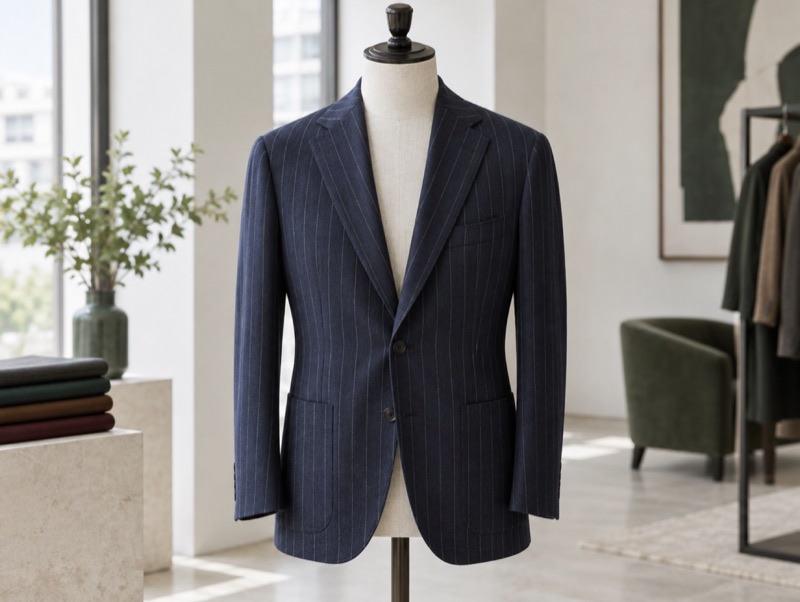
Sartoria Dalcuore is a small Naples tailor known for soft, well-proportioned jackets and fine handwork, and other tailors rate it more highly than its modest fame suggests.
 06
06
Sartoria Formosa
Sartoria Formosa is a Naples tailor whose soft, lightly built ready-to-wear jackets became familiar to many American shoppers, and it also makes clothes to order.
-
 Sartoria Panico
Naples
Sartoria Panico
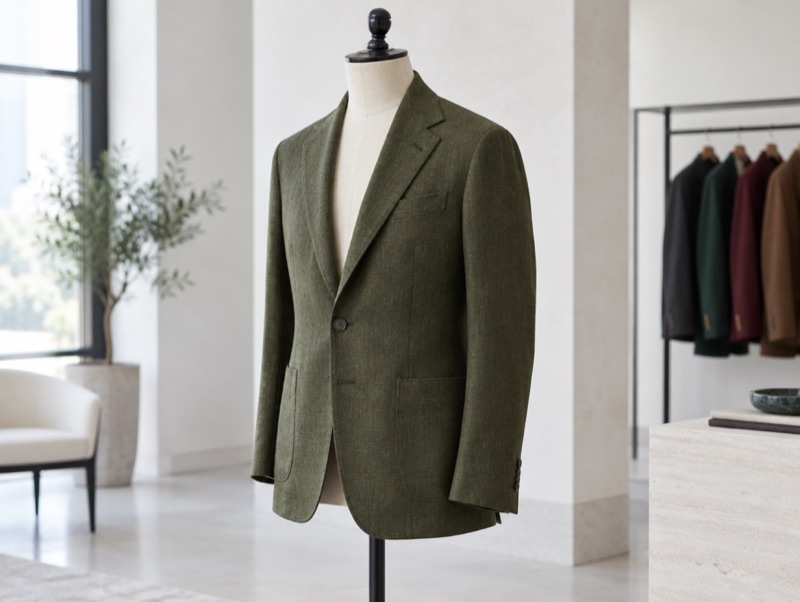
NaplesSartoria Panico is a small Naples tailoring workshop run by Antonio Panico, who trained at Rubinacci and cuts a classic jacket that many local tailors treat as the benchmark.
-
 Sartoria Solito
Naples
Sartoria Solito
NaplesSartoria Solito is a small family tailor in Naples making very traditional jackets by appointment, and it is admired by fellow tailors and experienced customers.
-
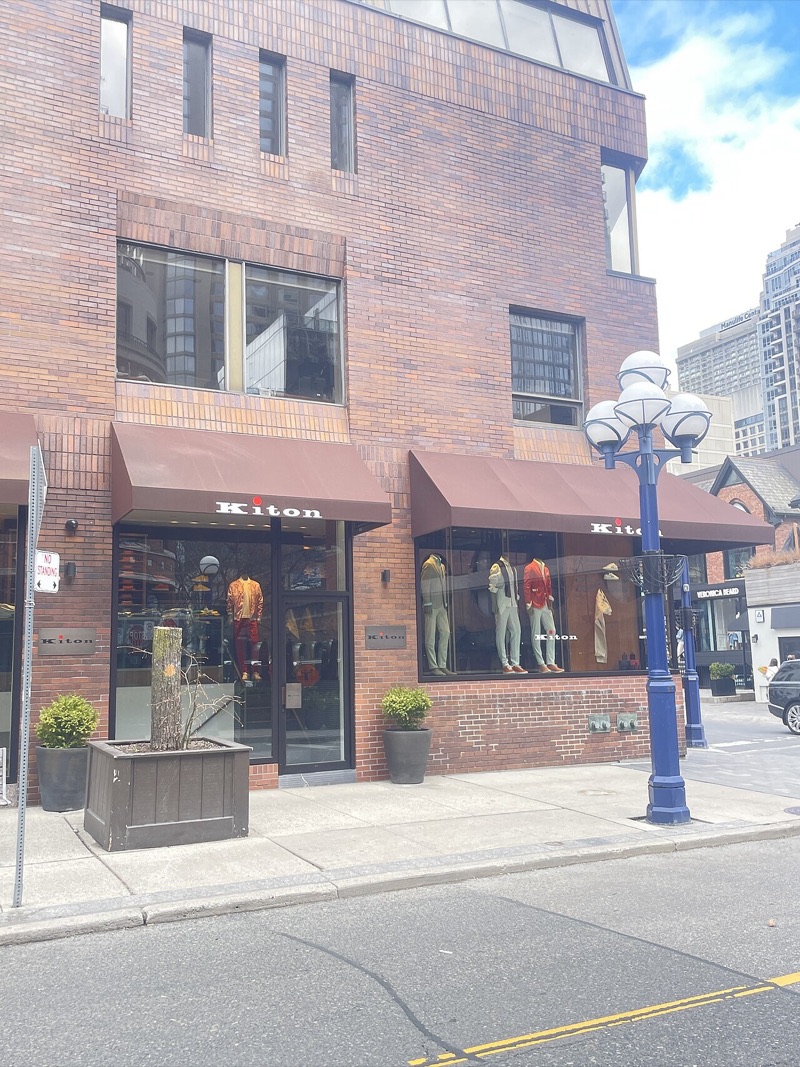 Kiton
Naples · 1968
Kiton
Naples · 1968Ciro Paone's answer to the question of whether Neapolitan handwork could be industrialised without being ruined.
-
 Anna Matuozzo
Naples
Anna Matuozzo
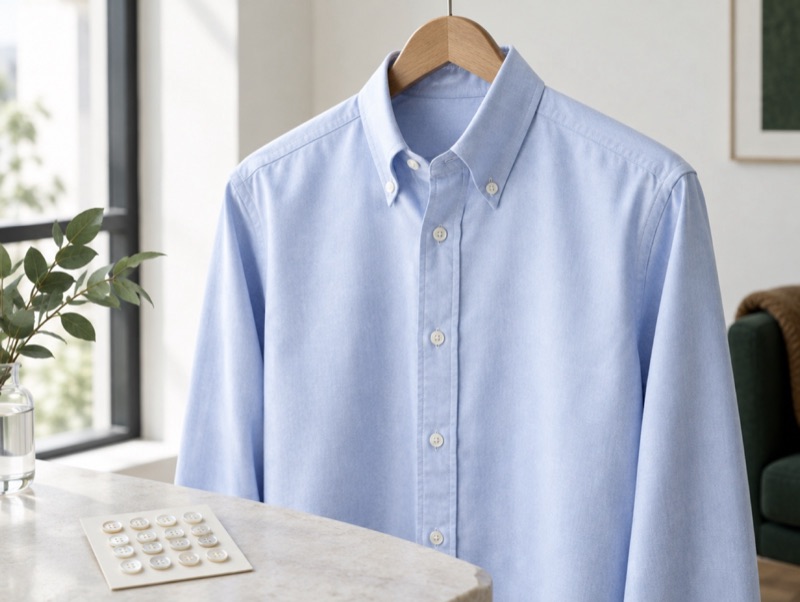
NaplesAnna Matuozzo is a Naples shirtmaker, now run by the founder's daughters, whose custom shirts have unusually much hand sewing, including collars, sleeves and buttonholes.
-
Isaia
Naples · 1957
Isaia is a Naples tailoring brand making soft, light jackets in bolder cloths and stronger colours than its neighbours, with a red coral lapel pin as its signature.
-
Ring Jacket
A Japanese factory making Neapolitan-influenced tailoring better than most Italian factories do.
Wie es gemacht wird
Alle Techniken →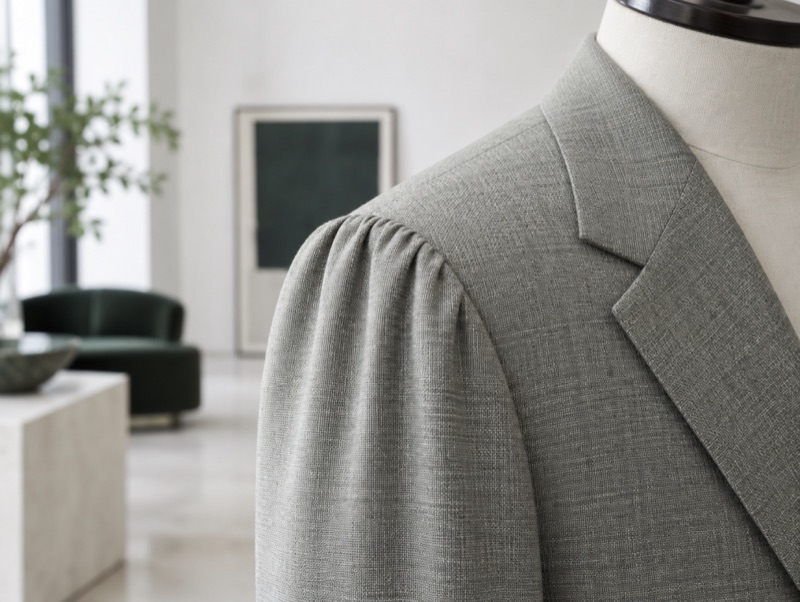
Quellen
- Italian menswear in the collection , The Metropolitan Museum of Art.
Ist eine Angabe strittig oder hat ein Haus sie nicht veröffentlicht, wird dies auf der Seite vermerkt, anstatt eine Zahl zu wählen.
Bildnachweise 13
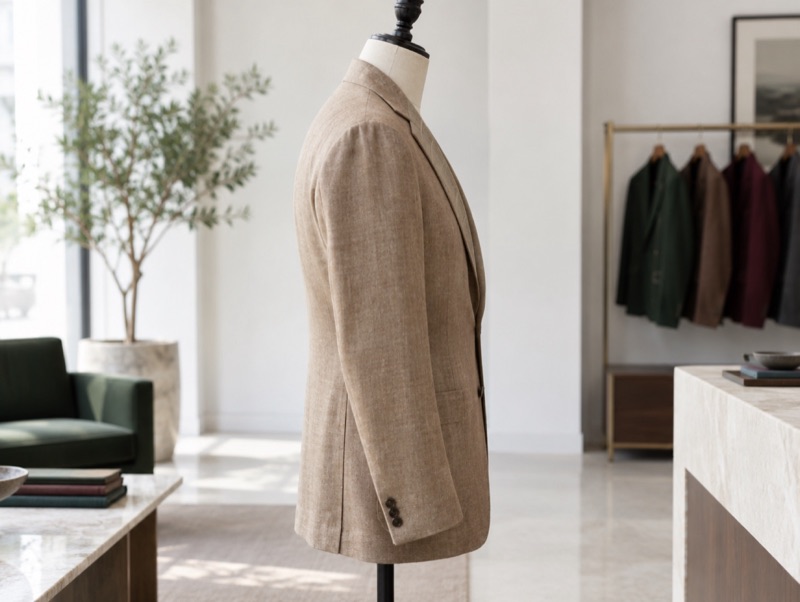
- A soft Neapolitan-cut jacket on a dummy: Original art · Il Sartoriale · Il Sartoriale · Il Sartoriale original art
- An illustration of the house's recorded cut: shirt shoulder, light canvas chest, soft neapolitan, high armhole. Not a photograph of the house's own work.: Original art · Il Sartoriale · Il Sartoriale · Il Sartoriale original art
- An illustration of the house's recorded cut: shirt shoulder, light canvas chest, soft neapolitan. Not a photograph of the house's own work.: Original art · Il Sartoriale · Il Sartoriale · Il Sartoriale original art
- An illustration of the house's recorded cut: natural shoulder, light canvas chest, soft, short, open quarters. Not a photograph of the house's own work.: Original art · Il Sartoriale · Il Sartoriale · Il Sartoriale original art
- An illustration of the house's recorded cut: shirt shoulder, light canvas chest, soft neapolitan. Not a photograph of the house's own work.: Original art · Il Sartoriale · Il Sartoriale · Il Sartoriale original art
- An illustration of the house's recorded cut: natural shoulder, light canvas chest, soft neapolitan, restrained. Not a photograph of the house's own work.: Original art · Il Sartoriale · Il Sartoriale · Il Sartoriale original art
- An illustration of the house's recorded cut: natural shoulder, light canvas chest, soft neapolitan. Not a photograph of the house's own work.: Original art · Il Sartoriale · Il Sartoriale · Il Sartoriale original art
- An illustration of the house's recorded cut: natural shoulder, light canvas chest, classical neapolitan. Not a photograph of the house's own work.: Original art · Il Sartoriale · Il Sartoriale · Il Sartoriale original art
- An illustration of the house's recorded cut: natural shoulder, light canvas chest, traditional neapolitan. Not a photograph of the house's own work.: Original art · Il Sartoriale · Il Sartoriale · Il Sartoriale original art
- IMG Kiton Toronto: Photograph · Shanmeichen · Wikimedia Commons · CC BY 4.0
- An illustration of a shirt of the kind the house makes. Not a photograph of the house's own work.: Original art · Il Sartoriale · Il Sartoriale · Il Sartoriale original art
- A shoulder with the sleeve head gathered like a shirt: Original art · Il Sartoriale · Il Sartoriale · Il Sartoriale original art
- An unlined jacket turned inside out: Original art · Il Sartoriale · Il Sartoriale · Il Sartoriale original art