País · Europe
Italy
Italy makes more of the world's fine menswear than anywhere else, with Naples, Milan, Florence and Rome each cutting jackets their own way.
Italy makes more of the world's fine menswear than anywhere else, but there is no single Italian style. Naples cuts a soft, light jacket built for heat. Milan cuts a cleaner, more structured one for business. Florence sits between them, Rome favours a long lean line, and the north also holds most of the mills that supply everyone else.
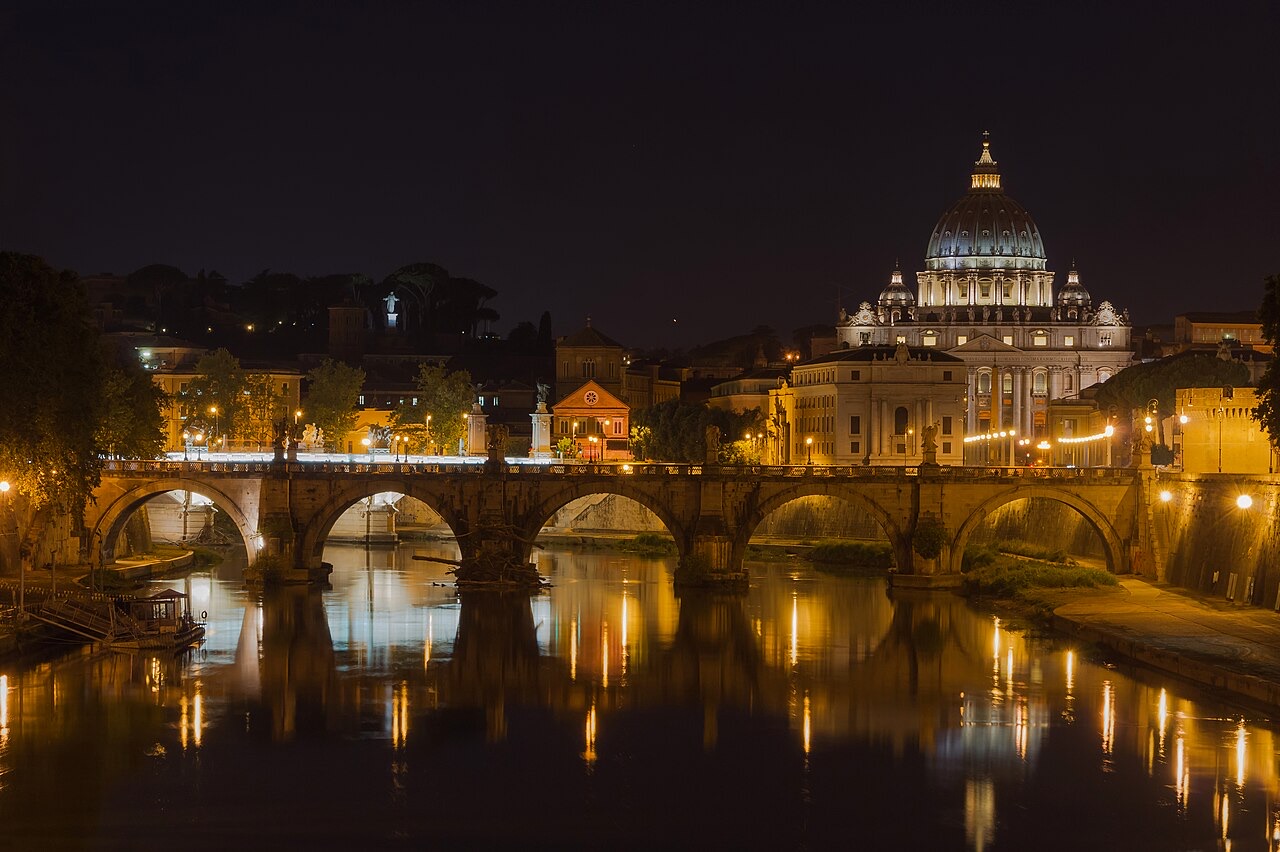
One country, several traditions
Talk about “Italian tailoring” long enough and someone from Naples will correct you. The distinctions are real and older than the modern country: Italy was a collection of states until 1861, and its tailoring workshops grew up serving different courts, climates and customers.
The clearest split runs north to south. Northern Italian tailoring (Milan above all) is structured, clean and aimed at a commercial customer who wants to look substantial in a boardroom. Southern tailoring, and Naples in particular, is soft, light and built around heat: less canvas, less padding, a shoulder that follows the body rather than correcting it. Rome and Florence have their own positions between the two, and each will tell you theirs is the balanced one.
Why the south went soft
The usual explanation is climate, and it is largely right. A Neapolitan summer makes a canvassed, padded, fully lined English jacket close to unwearable, and the local trade responded by removing weight wherever it could be removed without losing shape. The chest canvas thinned. The shoulder pad shrank and in many houses disappeared. Linings were cut back to a half or quarter. The sleeve was set into the body by hand with a small excess of cloth gathered at the head, which allows the arm to move without the shoulder lifting.
The second explanation is commercial. Naples in the twentieth century was not a rich city, and its tailors competed on making a customer look elegant in cloth he could afford, in a garment he would wear in the heat. Softness was a solution to a problem before it was a style.
The industrial half of the story
Italy's importance to menswear is not only artisanal. The Biella district in Piedmont, at the foot of the Alps, holds a concentration of spinners, weavers and finishers that supplies tailors and brands worldwide: Vitale Barberis Canonico, Loro Piana, Carlo Barbera and others within an hour of one another, drawing on the same soft Alpine water that made the district a textile centre centuries ago.
Alongside them sits a manufacturing sector that has no real equivalent elsewhere: firms such as Kiton, Brioni, Isaia and Attolini making large volumes of clothing to a standard of handwork that most countries only manage one garment at a time. That combination (mills, factories and workshops in the same country) is why so much of what is sold as English, French or American tailoring is in fact made in Italy.
What to be sceptical about
“Made in Italy” is a legal designation with a low bar. A garment can be cut and largely assembled elsewhere and still qualify if the final substantial transformation happens in Italy. The phrase tells you less than the price implies, and it is worth asking specifically where cutting and sewing take place.
The word sartoria is similarly unregulated. It appears on shops that cut every garment by hand for one customer and on shops that take measurements and send them to a factory. Neither is dishonest (made-to-measure is a legitimate product), but the two are not the same thing, and the sign says the same word.
The regional map, roughly
| Tradition | Shoulder | Chest | Character |
|---|---|---|---|
| Neapolitan | Natural or shirt-shoulder, often unpadded | Light or absent canvas, short quarters | Soft, high armhole, built for heat |
| Roman | Lightly built, clean | Structured but not heavy | Long, lean, close through the waist |
| Milanese | Defined, moderately padded | Full canvas, clean chest | Businesslike, precise, less obviously handmade |
| Florentine | Soft to moderate | Full canvas, wide lapel | Rounded, generous, distinct from both neighbours |
De un vistazo
Sastres a medida en Italy
Todo sastres a medida →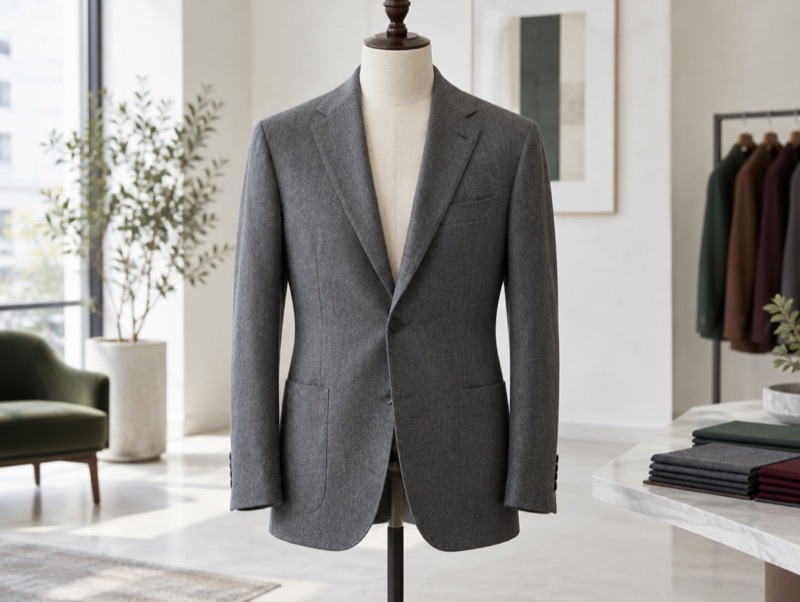 01
01
Rubinacci
Rubinacci is the oldest and best-known tailoring house in Naples, founded in 1932, where the soft Neapolitan jacket without heavy padding was first created.
 02
02
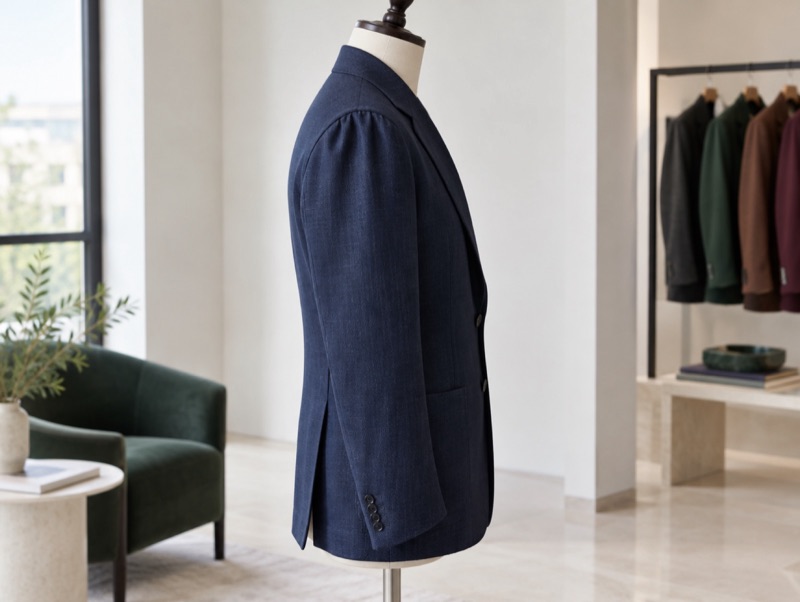
Cesare Attolini
Cesare Attolini is a Neapolitan clothing house run by descendants of the creator of the soft Neapolitan jacket, and it produces in volume while keeping much of the work done by…
 03
03
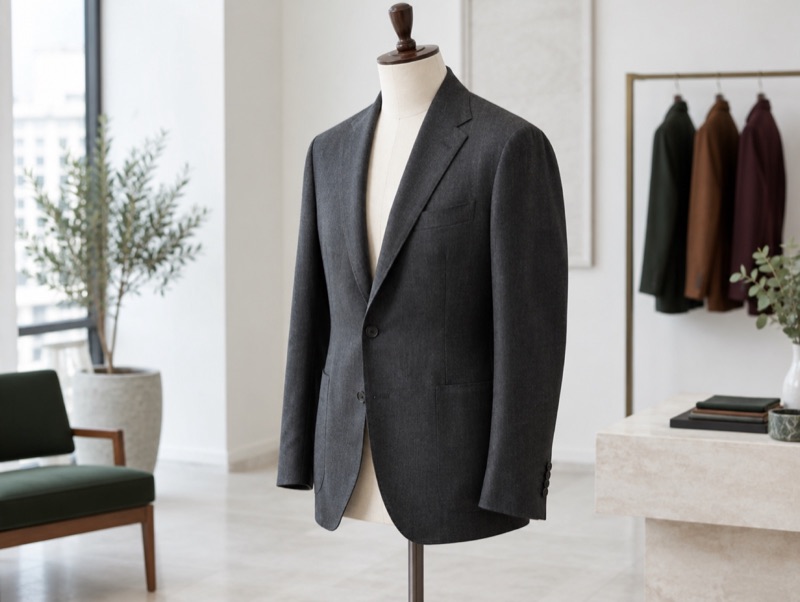
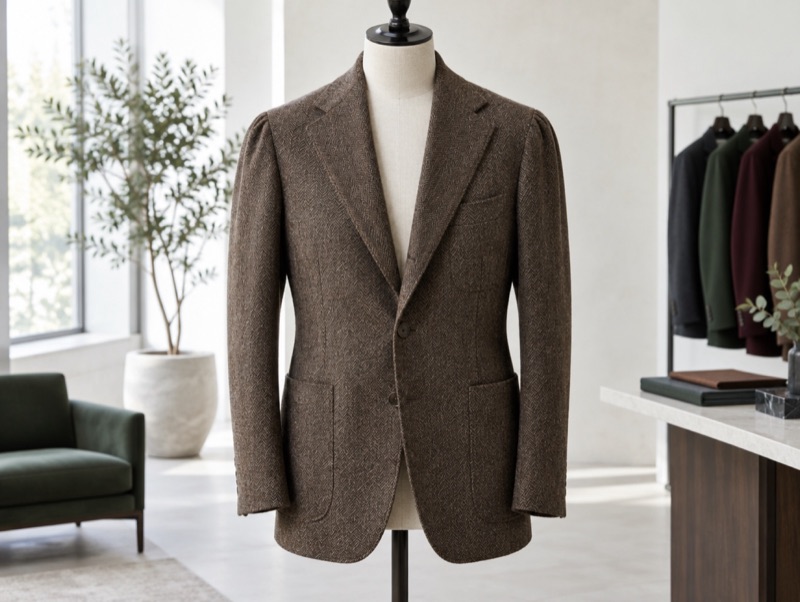
Sartoria Dalcuore
Sartoria Dalcuore is a small Naples tailor known for soft, well-proportioned jackets and fine handwork, and other tailors rate it more highly than its modest fame suggests.
 04
04
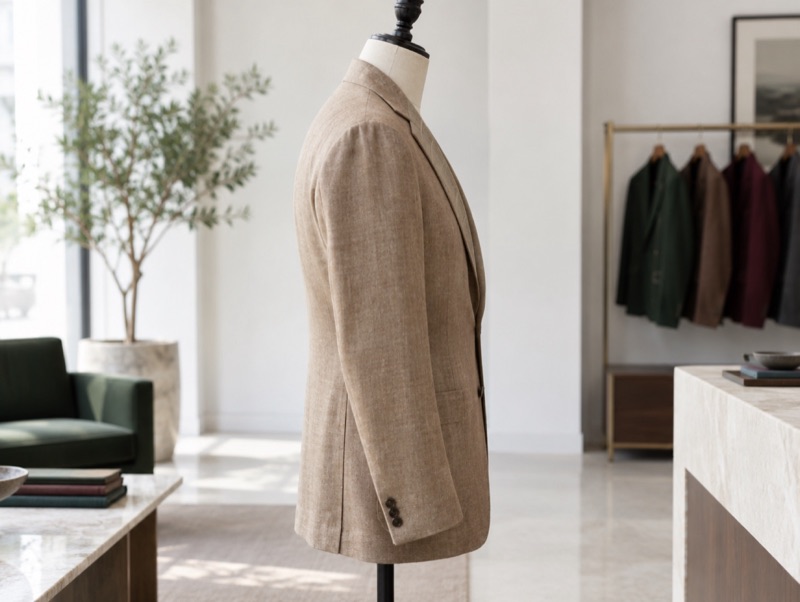
Orazio Luciano
Orazio Luciano is a Neapolitan family workshop making soft, hand-finished jackets and suits, and most people discover it through shops in Japan and the United States.
 05
05
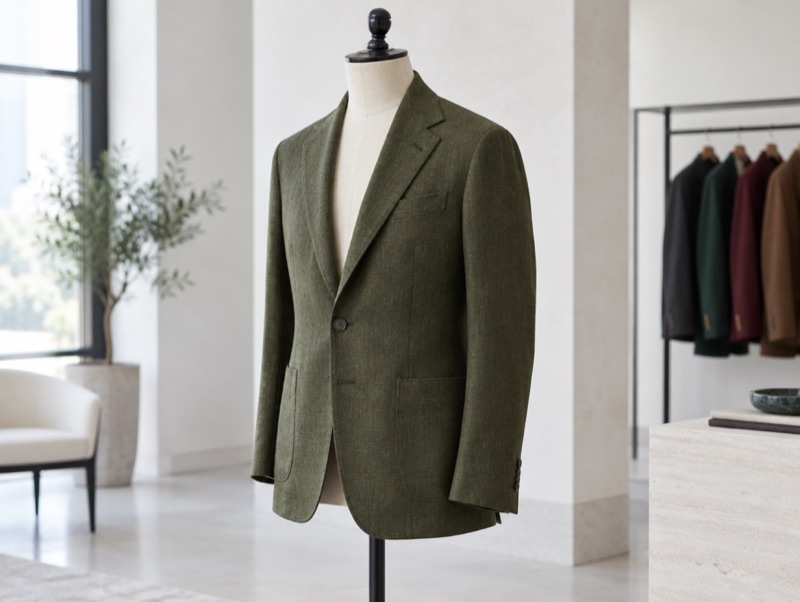
Sartoria Solito
Sartoria Solito is a small family tailor in Naples making very traditional jackets by appointment, and it is admired by fellow tailors and experienced customers.
 06
06
Sartoria Panico
Sartoria Panico is a small Naples tailoring workshop run by Antonio Panico, who trained at Rubinacci and cuts a classic jacket that many local tailors treat as the benchmark.
-
 Sartoria Formosa
Naples
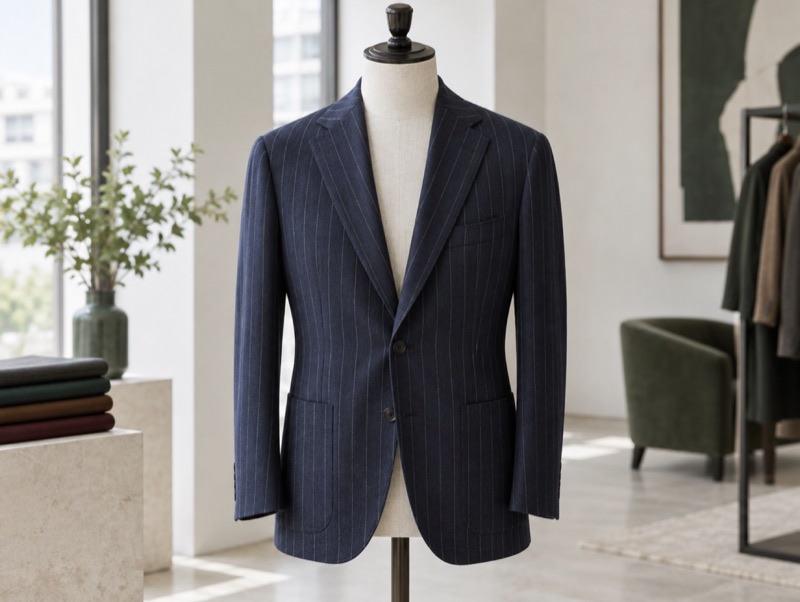
Sartoria Formosa
NaplesSartoria Formosa is a Naples tailor whose soft, lightly built ready-to-wear jackets became familiar to many American shoppers, and it also makes clothes to order.
-
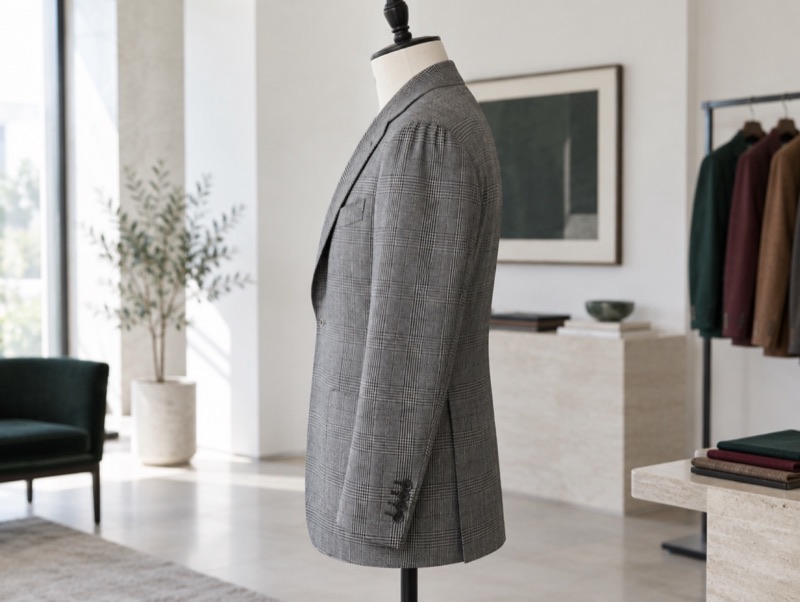 Sartoria Ciardi
Naples
Sartoria Ciardi
NaplesSartoria Ciardi is a second-generation family tailor in Naples making soft jackets, and it takes many of its orders at traveling fittings held abroad.
-
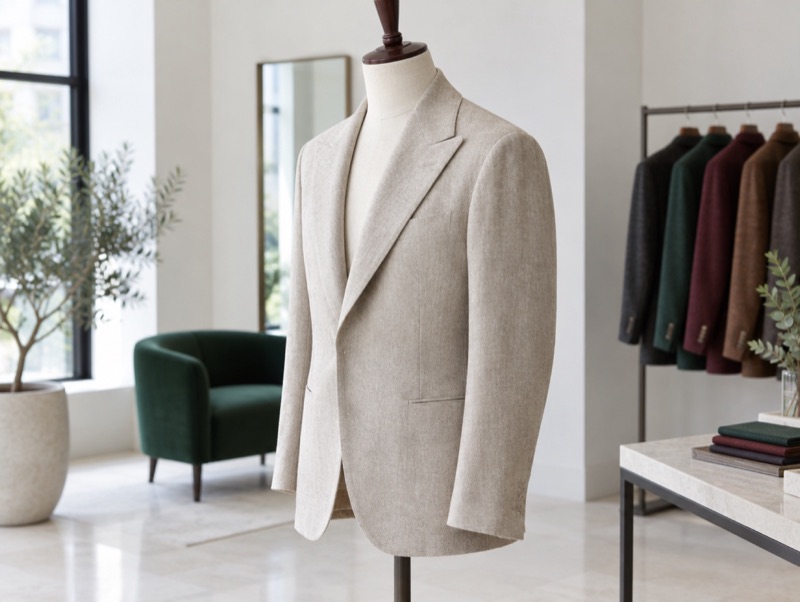 Liverano & Liverano
Florence · 1948
Liverano & Liverano
Florence · 1948The house that made Florentine tailoring internationally legible: wide lapel, round chest, no dart.
-
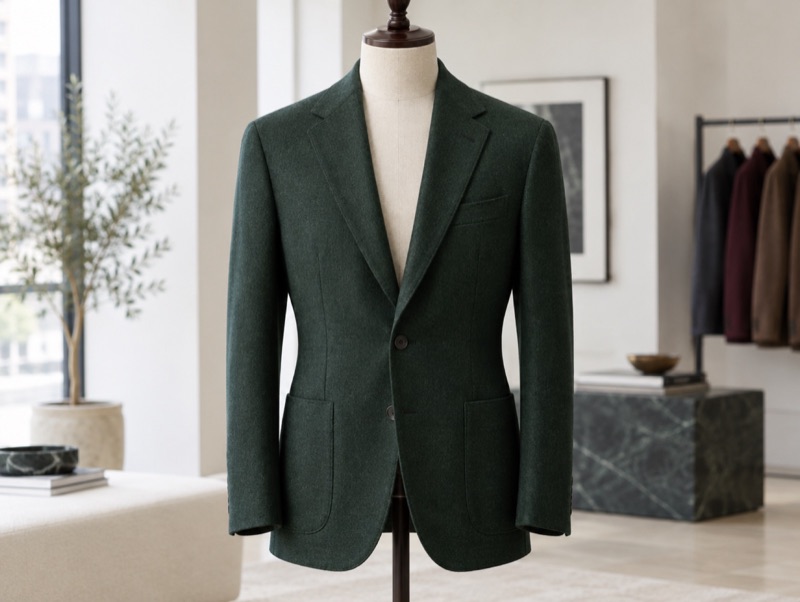 A. Caraceni
Milan
A. Caraceni
MilanA. Caraceni is a Milan tailoring house, one of several family firms sharing the Caraceni name, making clean, firmly built jackets among Italy's most expensive.
-
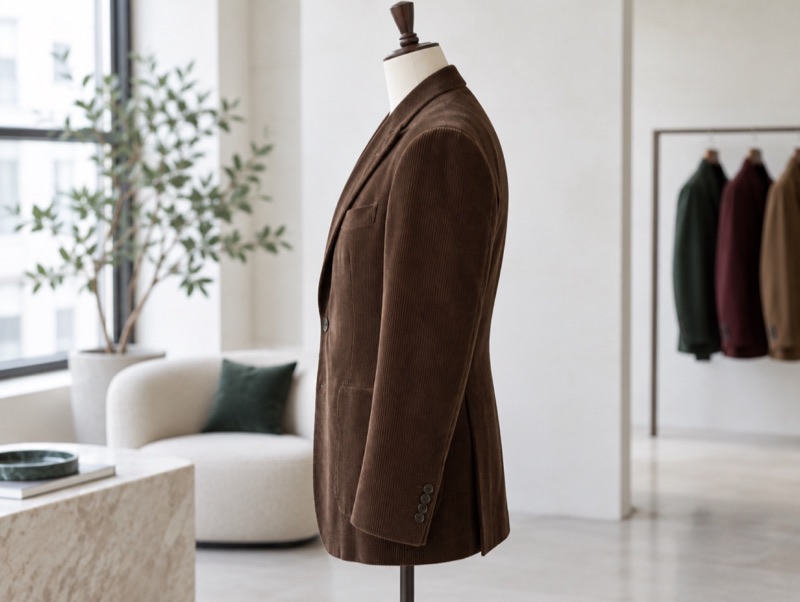 Ferdinando Caraceni
Milan
Ferdinando Caraceni
MilanFerdinando Caraceni is a separate Milan tailor making clothes to individual order, founded by Ferdinando and continued by his daughter Nicoletta, known for light, precise jackets.
-
 Musella Dembech
Milan
Musella Dembech
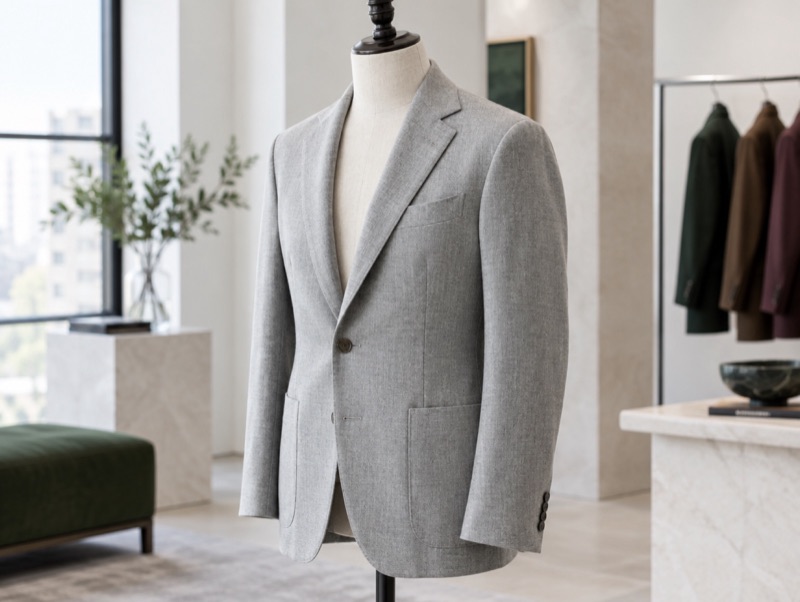
MilanMusella Dembech is a small father-and-son Milan tailor whose jackets are softer and quirkier than usual, with a high, close-fitting chest and distinctive shoulders.
-
 Tommy & Giulio Caraceni
Rome
Tommy & Giulio Caraceni
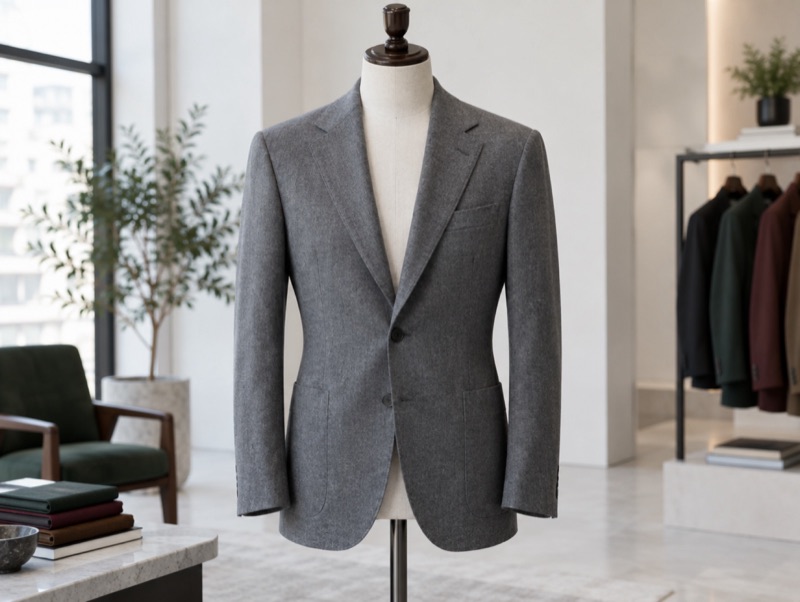
RomeTommy & Giulio Caraceni is the separate Rome business carrying the Caraceni name, making long, close-fitting jackets with only light padding and stiffening.
Zapateros en Italy
Todo zapateros →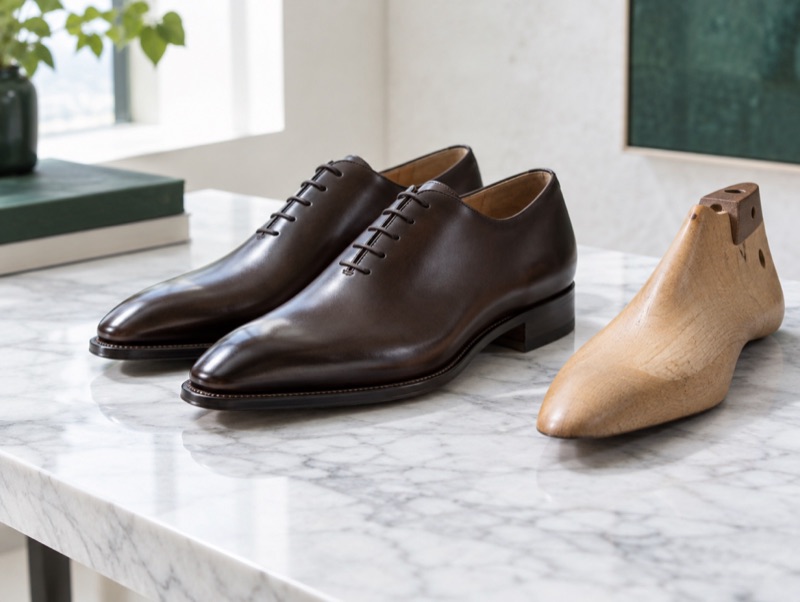 01
01
Stefano Bemer
Stefano Bemer is a Florence shoemaker known for refined shoes made by hand to each customer's measurements, and it now also runs a shoemaking school.
 02
02
Antonio Meccariello
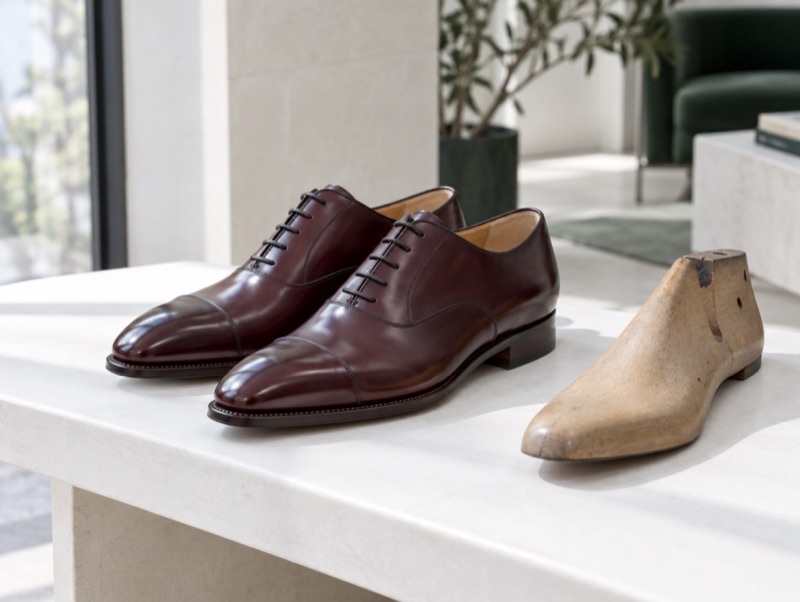
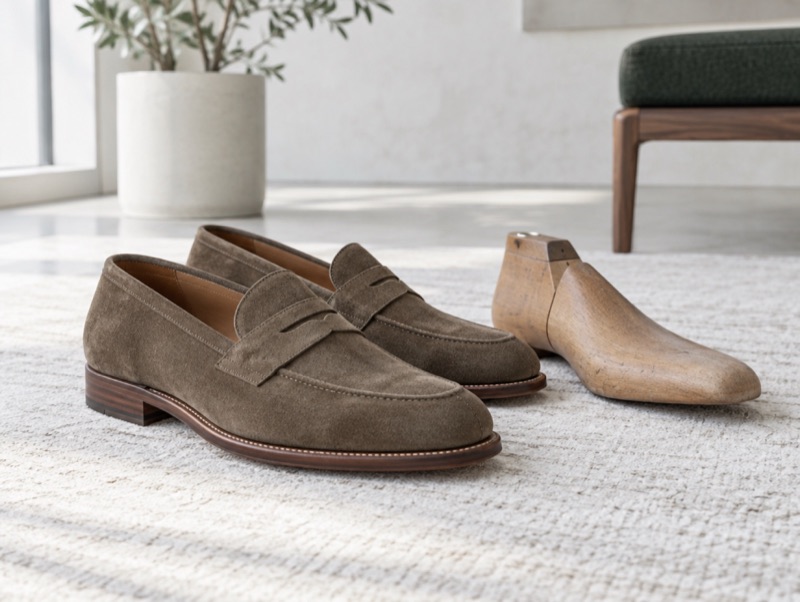
Antonio Meccariello makes custom and made-to-order shoes by hand in Benevento, carving his own shoe forms, and charges far less than comparable makers.
 03
03
Paolo Scafora
Paolo Scafora is a family shoemaker near Naples, known for hand-applied colour, lighter shoes suited to the Neapolitan climate, and distinctly Italian proportions.
Camiseros en Italy
Todo camiseros →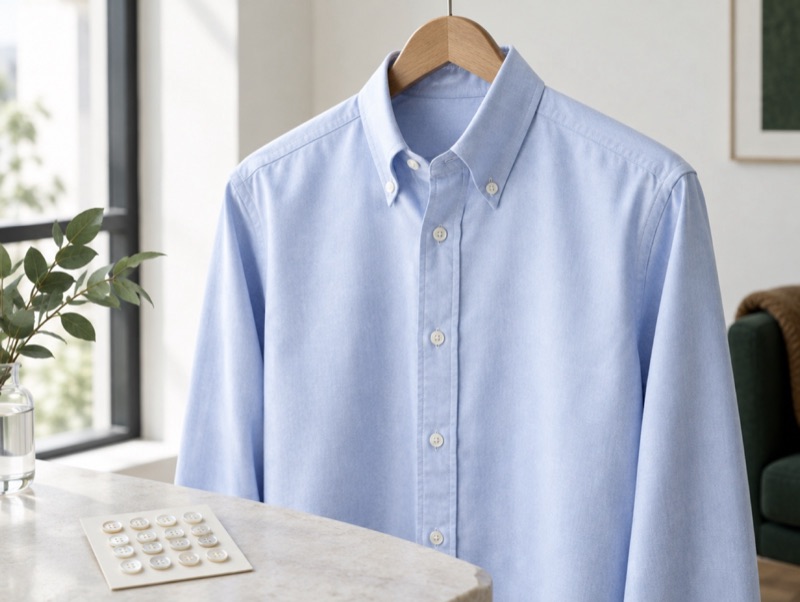 01
01
Anna Matuozzo
Anna Matuozzo is a Naples shirtmaker, now run by the founder's daughters, whose custom shirts have unusually much hand sewing, including collars, sleeves and buttonholes.
 02
02
D'Avino
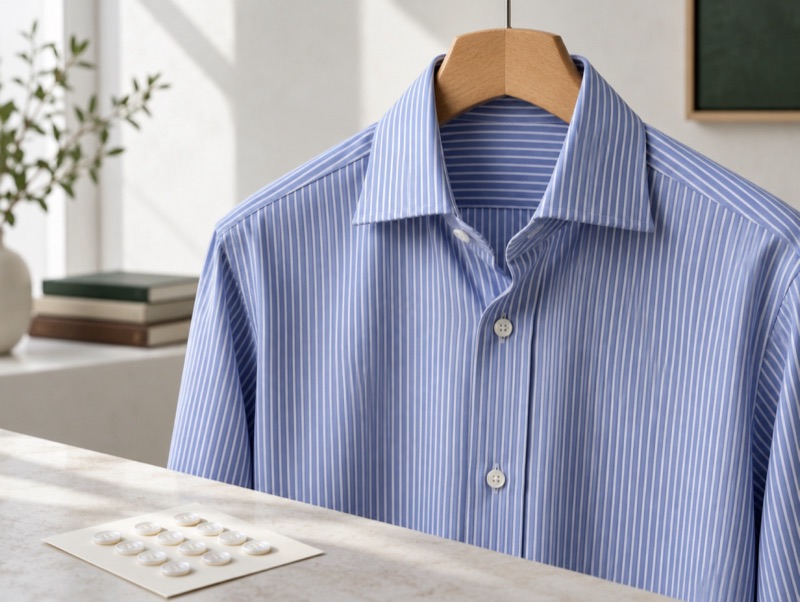
D'Avino is a shirtmaker near Naples making small numbers of custom shirts, known above all for how many steps are sewn by hand.
 03
03
Siniscalchi
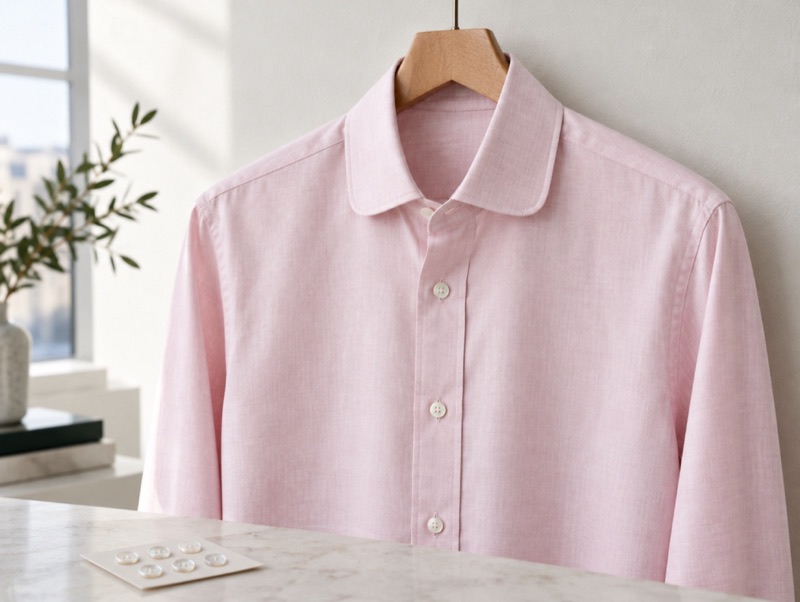
Siniscalchi is a Milan shirtmaker making custom shirts that are cleaner and crisper than Naples shirts, with carefully built collars and a close fit.
 04
04
G. Inglese
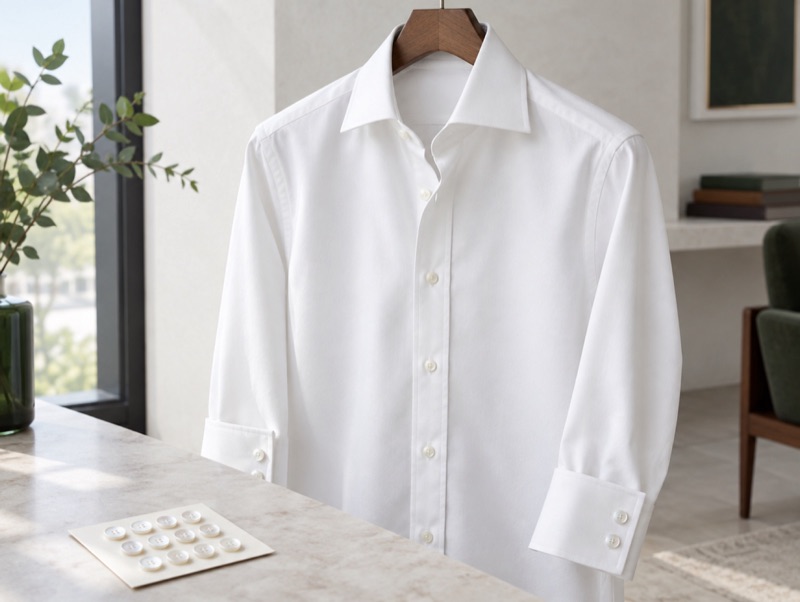
G. Inglese is a family shirtmaker in the small Puglia town of Ginosa, famous worldwide through specialist shops and online for heavily hand-sewn shirts.
 05
05
Simone Abbarchi
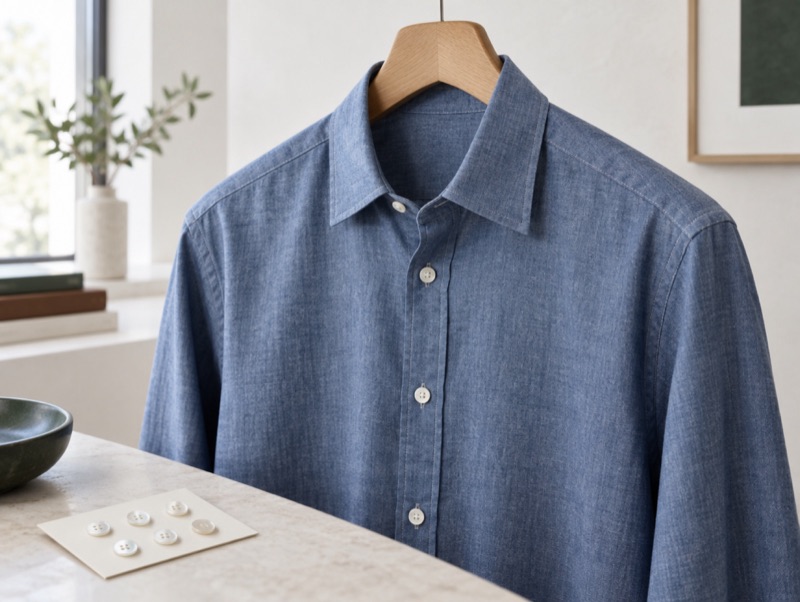
A Florentine shirtmaker whose prices have made him the entry point to Italian bespoke for a lot of people.
 06
06
Luca Avitabile
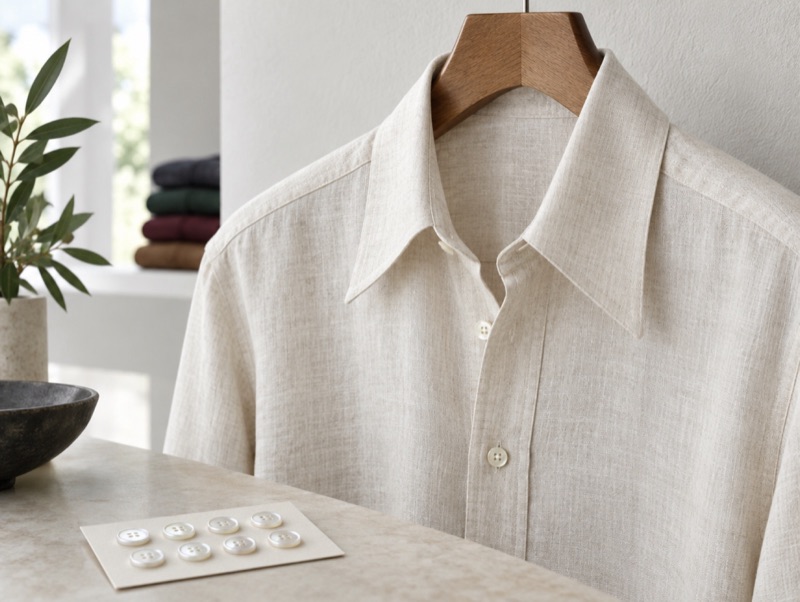
Luca Avitabile is a Naples shirtmaker who cuts each customer their own pattern and sews nearly everything by hand, mostly meeting clients in London and New York.
Fabricantes y comerciantes de tejidos en Italy
Todo fabricantes y comerciantes de tejidos →-
Vitale Barberis Canonico
Biella · 1663
Vitale Barberis Canonico is Italy's largest fine-wool mill, and if you own a mid- or upper-market Italian suit, its cloth may well be in it.
-
Loro Piana
Biella · 1924
Loro Piana began as a Biella wool mill and is now a big luxury clothing house, famous for rare fibres like vicuña and baby cashmere.
-
Lanificio Drago
Biella
A Biellese weaver known for fine, light cloths and a very large seasonal range.
-
Carlo Barbera
Biella
Carlo Barbera was a small Biella mill whose fine wool and cashmere-blend cloths won over custom tailors, and Kiton now owns it and uses its cloth.
-
Caccioppoli
Naples
Caccioppoli is a Naples cloth merchant whose light, soft fabrics are standard in Neapolitan tailoring workshops and have spread abroad along with that style.
Marcas en Italy
Todo marcas →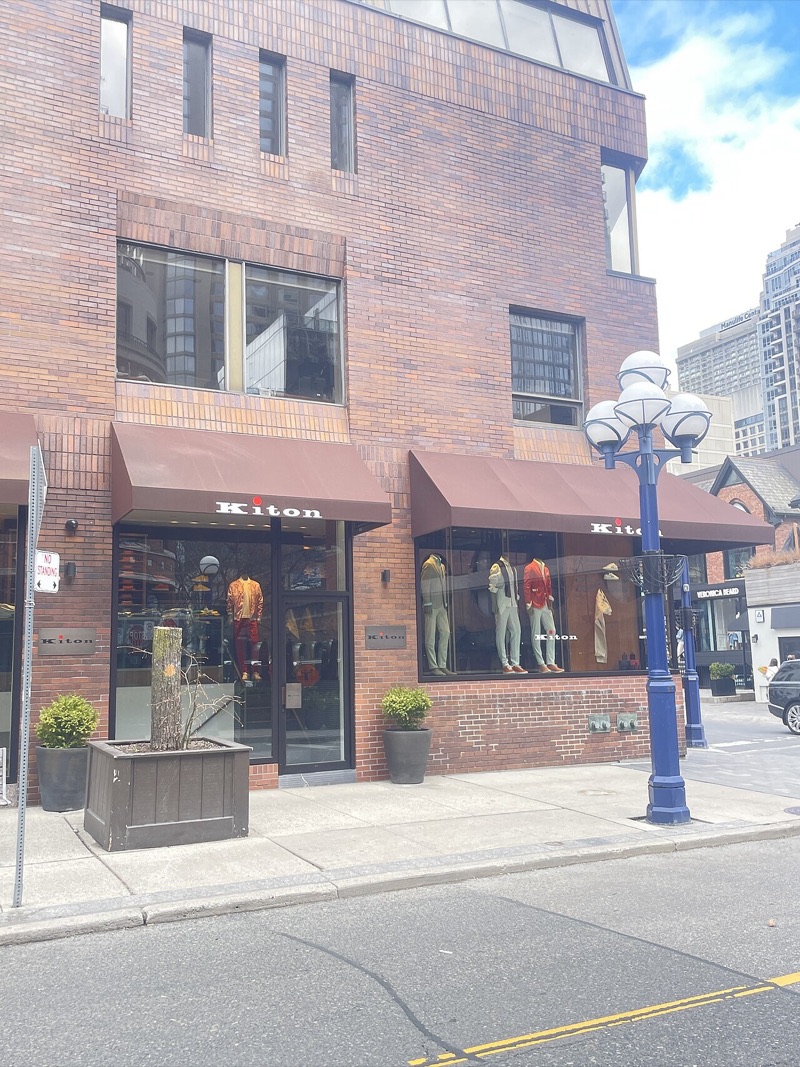 01
01
Kiton
Ciro Paone's answer to the question of whether Neapolitan handwork could be industrialised without being ruined.
 02
02
Brioni
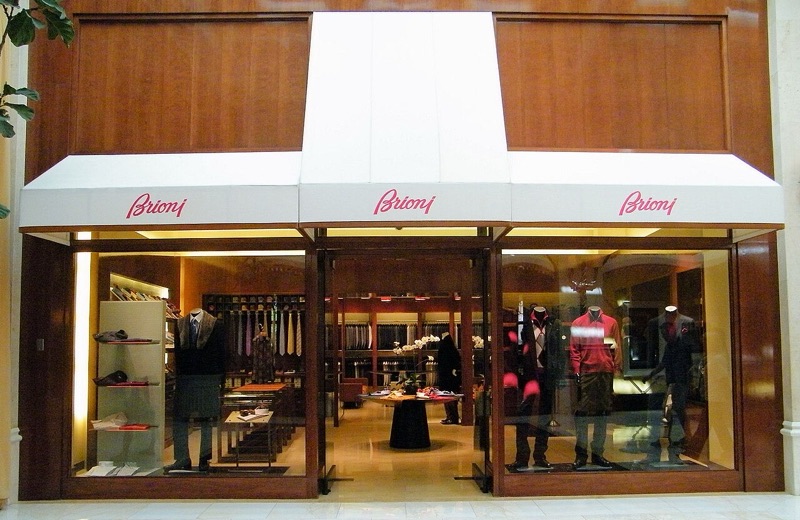
Brioni is a Rome tailoring house founded in 1945, known for staging what is called the first men's fashion show and for clean, firm-shouldered suits.
 03
03
Zegna
Zegna began as a wool mill in 1910 and is now one of the world's biggest luxury menswear companies, still weaving cloth and owning Thom Browne.
 04
04
Loro Piana (clothing)
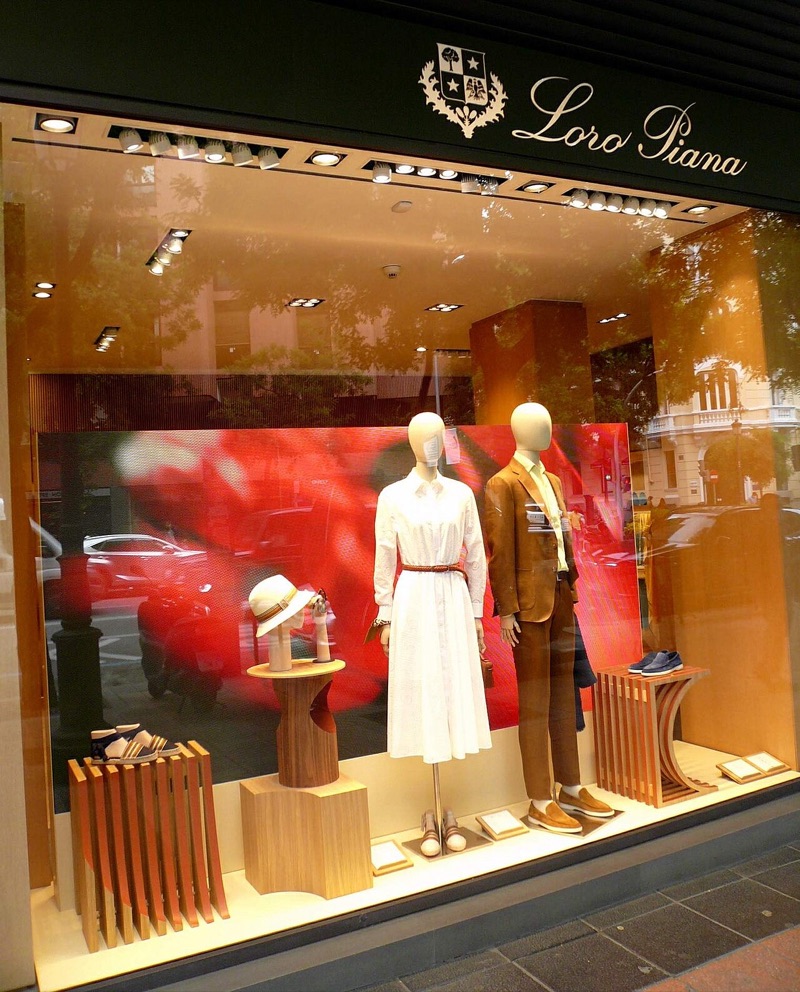
Loro Piana's clothing line sells knitwear, coats and soft tailoring in rare fibres like vicuña and baby cashmere, with no visible logos and very high prices.
 05
05
Canali
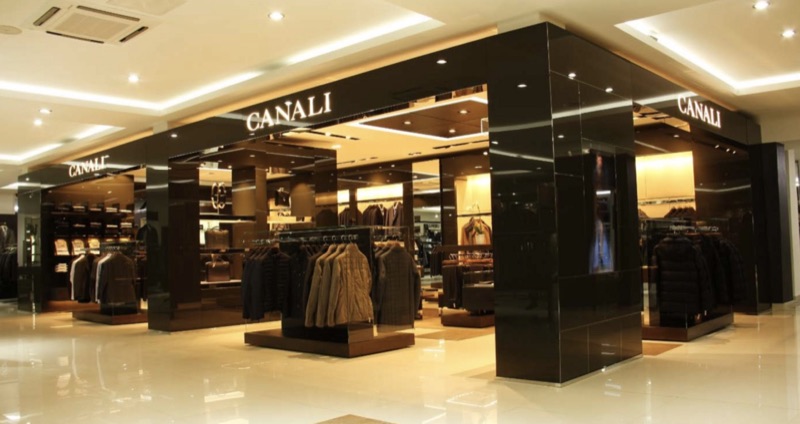
Canali is a family-owned Lombardy tailoring brand, around since 1934, making reliable upper-middle suits that are crisper than Naples ones but softer than English ones.
 06
06
Prada
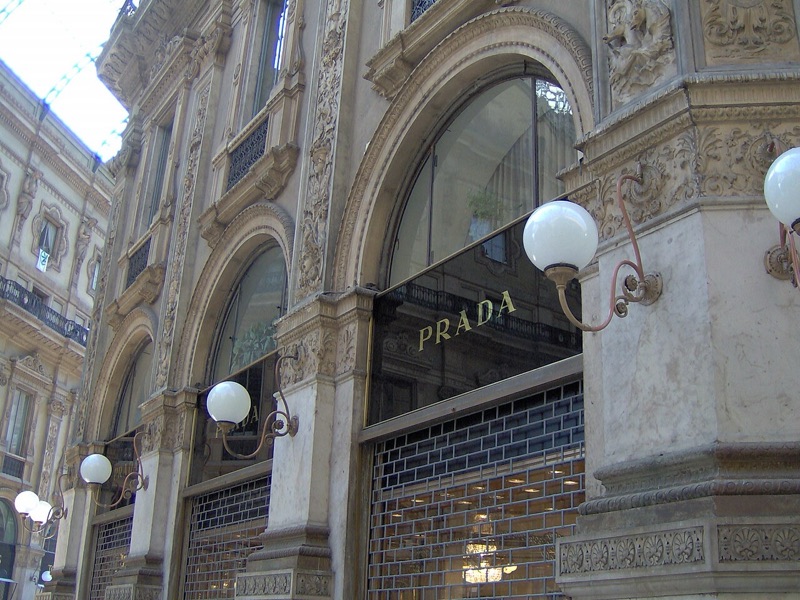
Prada is a Milan fashion group that began as a leather goods house, and it has owned the Northampton shoemaker Church's since 1999.
-
Brunello Cucinelli
1978
Brunello Cucinelli is a cashmere brand based in the Umbrian village of Solomeo, known for soft, muted, expensive clothes and its founder's "humanistic capitalism" philosophy.
-
Isaia
Naples · 1957
Isaia is a Naples tailoring brand making soft, light jackets in bolder cloths and stronger colours than its neighbours, with a red coral lapel pin as its signature.
-
Corneliani
1958
Corneliani is a highly capable Mantua clothing maker, working since 1958, producing clean, moderately padded tailoring under its own name and historically for other luxury labels.
-
Stefano Ricci
Florence · 1972
Stefano Ricci is a Florence menswear brand at the very top of the price range, known for ornate pieces in crocodile, heavy silk and gold hardware.
Estilos de sastrería
All styles →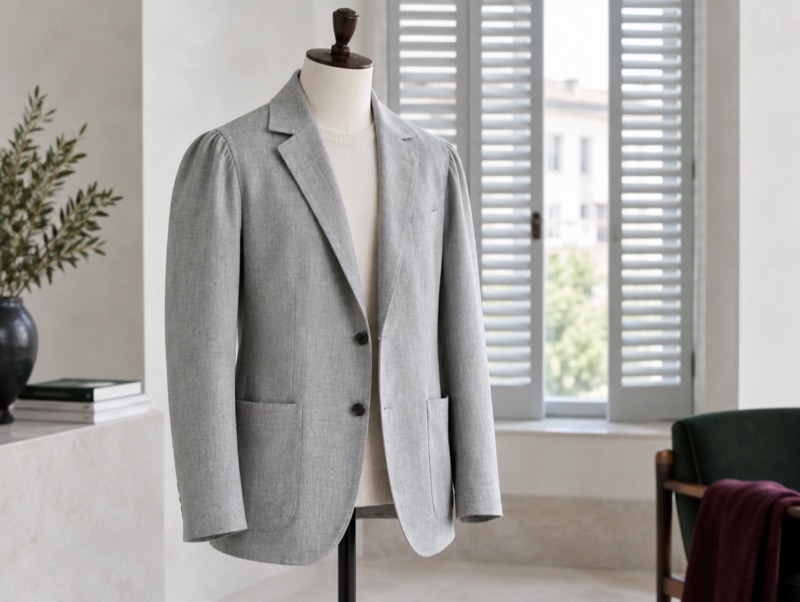 01
01
Neapolitan tailoring
Neapolitan jackets are as light and soft as possible, with little shoulder padding, gathered sleeves and a high armhole, and are the world's most copied style.
 02
02
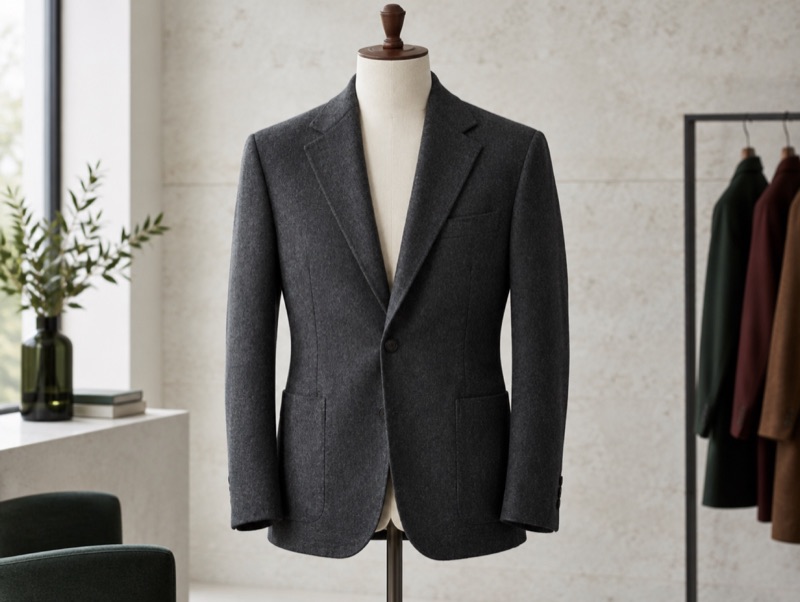
Milanese tailoring
Milanese jackets are the most English of Italian styles, with defined shoulders, a nipped waist, a full inner layer and a clean, understated finish.
 03
03
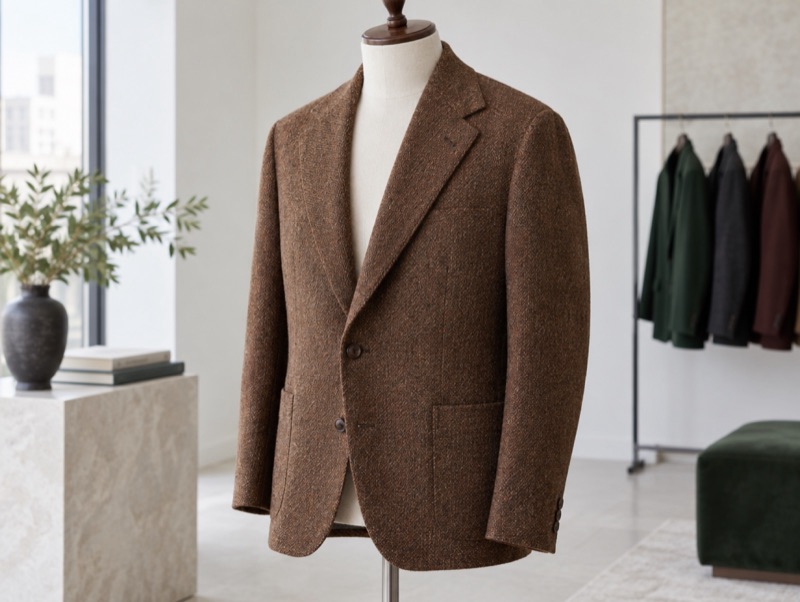
Florentine tailoring
Florentine jackets look rounded, with wide curved lapels, a full chest and soft shoulders, shaped by the cut of the fabric panels rather than extra seams.
 04
04
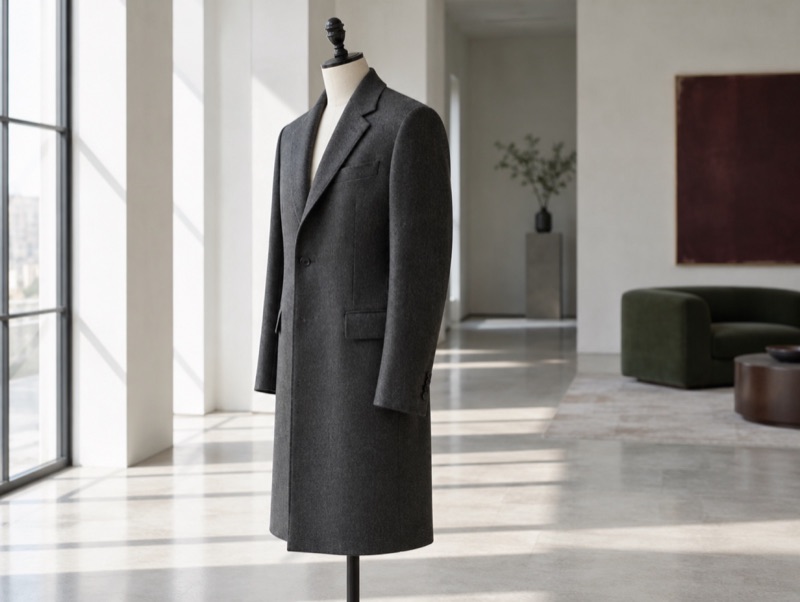
Roman tailoring
A long lean line, lightly built: the middle position, argued for with Roman confidence.
Ciudades
 01
01
Naples
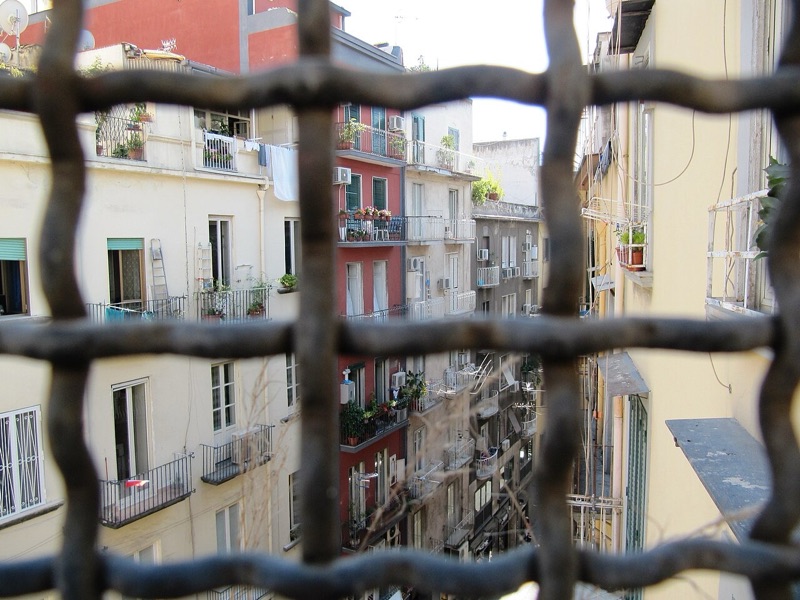
Naples is today's most influential tailoring city, known for soft, light jackets with little padding, high armholes and gathered sleeves, made for hot weather.
 02
02
Milan
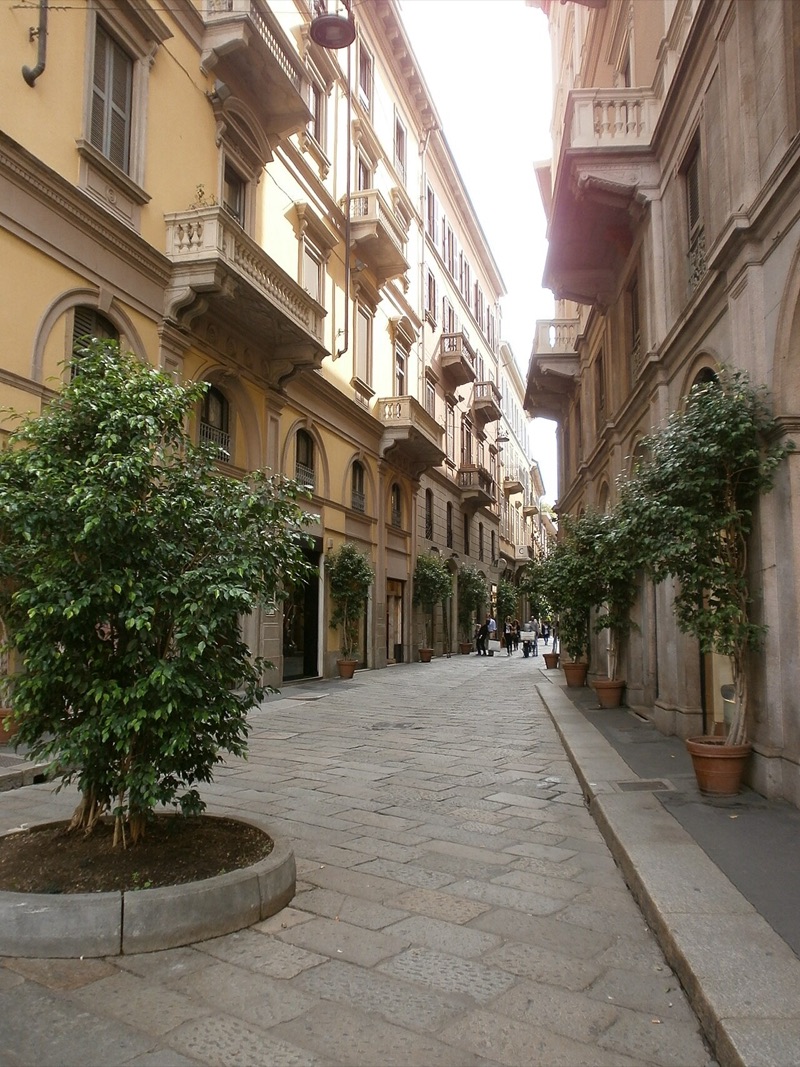
Where Italian tailoring puts its jacket back on: cleaner, sharper and considerably more businesslike.
 03
03
Florence
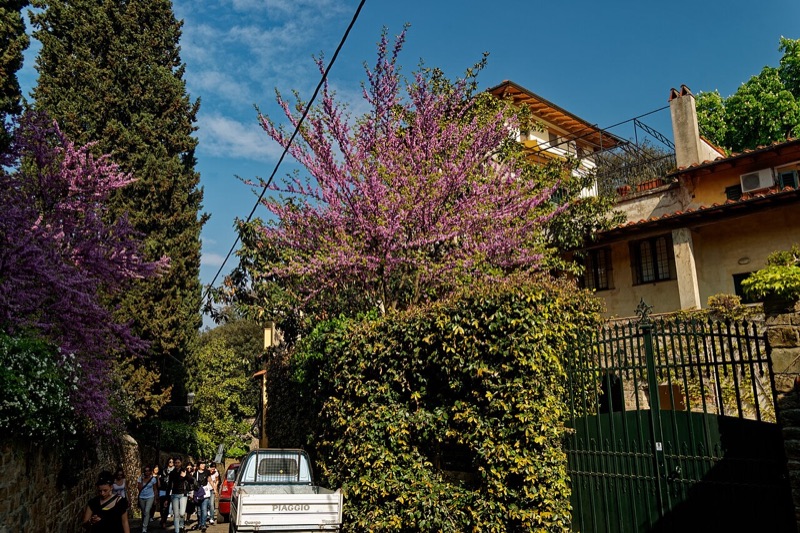
Florentine tailors make soft, rounded jackets with wide lapels, and the city also hosts Pitti Uomo, the menswear trade's twice-yearly gathering.
 04
04
Rome
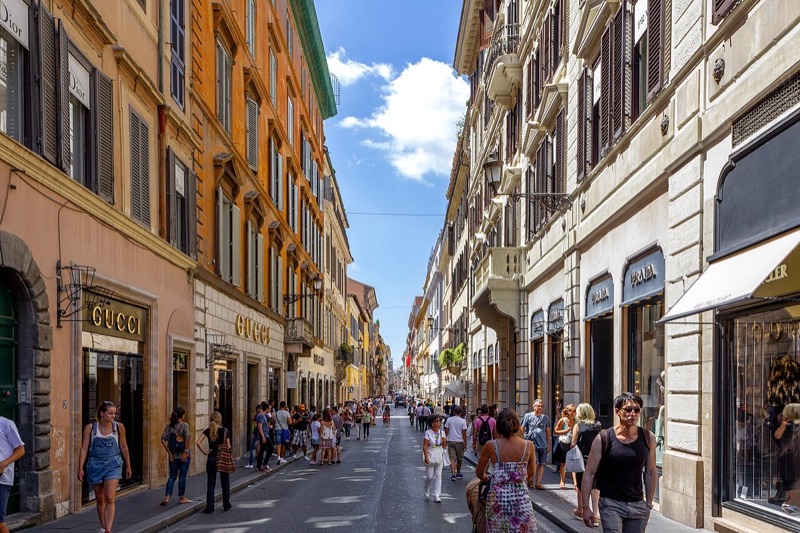
Roman tailors cut lightly built jackets that sit close to the body, landing between soft Neapolitan and more structured Milanese styles.
 05
05
Biella
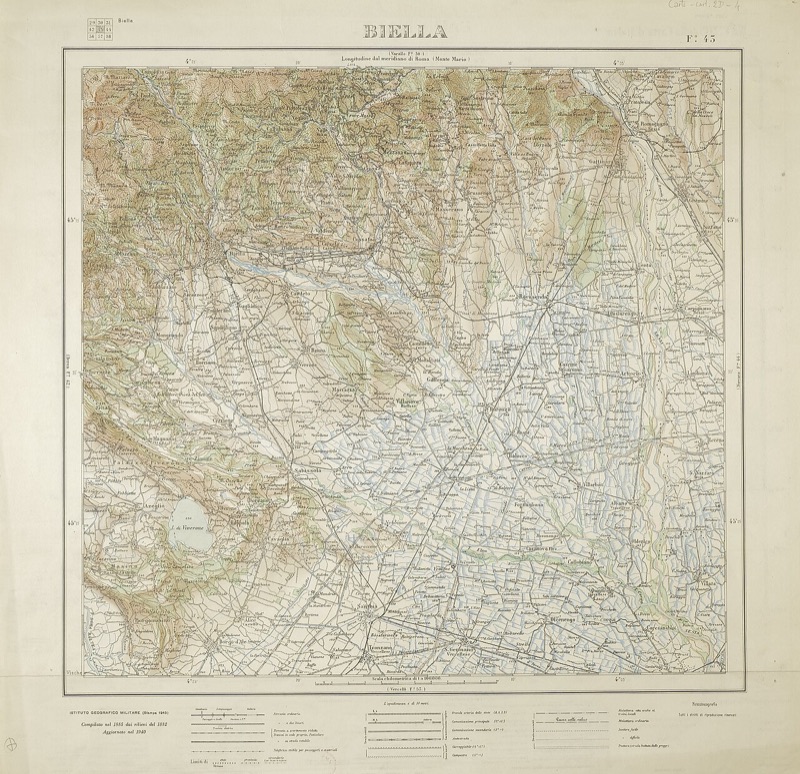
Biella is where much of the world's fine suit cloth is spun and woven, by mills like Loro Piana and Vitale Barberis Canonico.
Fuentes
- Collection records for Italian tailoring and textiles , The Metropolitan Museum of Art.
- Made in Italy: rules of origin for textile and clothing products , European Commission.
Cuando una cifra es discutida o una casa no la ha publicado, la página lo indica en lugar de adoptar un número.
Créditos fotográficos 38
- Saint Peter's Basilica, Sant'Angelo bridge, by night, Rome, Italy: Photograph · Jebulon · Wikimedia Commons · CC0
- An illustration of the house's recorded cut: natural shoulder, light canvas chest, soft, short, open quarters. Not a photograph of the house's own work.: Original art · Il Sartoriale · Il Sartoriale · Il Sartoriale original art
- An illustration of the house's recorded cut: shirt shoulder, light canvas chest, soft neapolitan, high armhole. Not a photograph of the house's own work.: Original art · Il Sartoriale · Il Sartoriale · Il Sartoriale original art
- An illustration of the house's recorded cut: natural shoulder, light canvas chest, soft neapolitan, restrained. Not a photograph of the house's own work.: Original art · Il Sartoriale · Il Sartoriale · Il Sartoriale original art
- An illustration of the house's recorded cut: shirt shoulder, light canvas chest, soft neapolitan. Not a photograph of the house's own work.: Original art · Il Sartoriale · Il Sartoriale · Il Sartoriale original art
- An illustration of the house's recorded cut: natural shoulder, light canvas chest, traditional neapolitan. Not a photograph of the house's own work.: Original art · Il Sartoriale · Il Sartoriale · Il Sartoriale original art
- An illustration of the house's recorded cut: natural shoulder, light canvas chest, classical neapolitan. Not a photograph of the house's own work.: Original art · Il Sartoriale · Il Sartoriale · Il Sartoriale original art
- An illustration of the house's recorded cut: natural shoulder, light canvas chest, soft neapolitan. Not a photograph of the house's own work.: Original art · Il Sartoriale · Il Sartoriale · Il Sartoriale original art
- An illustration of the house's recorded cut: shirt shoulder, light canvas chest, soft neapolitan. Not a photograph of the house's own work.: Original art · Il Sartoriale · Il Sartoriale · Il Sartoriale original art
- An illustration of the house's recorded cut: soft shoulder, light canvas chest, rounded, wide lapel, dartless front. Not a photograph of the house's own work.: Original art · Il Sartoriale · Il Sartoriale · Il Sartoriale original art
- An illustration of the house's recorded cut: soft shoulder, full canvas chest, clean milanese, defined but light shoulder. Not a photograph of the house's own work.: Original art · Il Sartoriale · Il Sartoriale · Il Sartoriale original art
- An illustration of the house's recorded cut: soft shoulder, full canvas chest, light milanese. Not a photograph of the house's own work.: Original art · Il Sartoriale · Il Sartoriale · Il Sartoriale original art
- An illustration of the house's recorded cut: soft shoulder, light canvas chest, high close chest, personal proportions. Not a photograph of the house's own work.: Original art · Il Sartoriale · Il Sartoriale · Il Sartoriale original art
- An illustration of the house's recorded cut: soft shoulder, full canvas chest, long roman line. Not a photograph of the house's own work.: Original art · Il Sartoriale · Il Sartoriale · Il Sartoriale original art
- An illustration of a welted shoe of the kind the house makes. Not a photograph of the house's own work.: Original art · Il Sartoriale · Il Sartoriale · Il Sartoriale original art
- An illustration of a welted shoe of the kind the house makes. Not a photograph of the house's own work.: Original art · Il Sartoriale · Il Sartoriale · Il Sartoriale original art
- An illustration of a welted shoe of the kind the house makes. Not a photograph of the house's own work.: Original art · Il Sartoriale · Il Sartoriale · Il Sartoriale original art
- An illustration of a shirt of the kind the house makes. Not a photograph of the house's own work.: Original art · Il Sartoriale · Il Sartoriale · Il Sartoriale original art
- An illustration of a shirt of the kind the house makes. Not a photograph of the house's own work.: Original art · Il Sartoriale · Il Sartoriale · Il Sartoriale original art
- An illustration of a shirt of the kind the house makes. Not a photograph of the house's own work.: Original art · Il Sartoriale · Il Sartoriale · Il Sartoriale original art
- An illustration of a shirt of the kind the house makes. Not a photograph of the house's own work.: Original art · Il Sartoriale · Il Sartoriale · Il Sartoriale original art
- An illustration of a shirt of the kind the house makes. Not a photograph of the house's own work.: Original art · Il Sartoriale · Il Sartoriale · Il Sartoriale original art
- An illustration of a shirt of the kind the house makes. Not a photograph of the house's own work.: Original art · Il Sartoriale · Il Sartoriale · Il Sartoriale original art
- IMG Kiton Toronto: Photograph · Shanmeichen · Wikimedia Commons · CC BY 4.0
- Brioniboutique: Photograph · Coolcaesar · Wikimedia Commons · CC BY-SA 3.0
- Front of the Ermenegildo Zegna Global Store (52039067673): Photograph · Chris Rycroft from Cambridge, Massachusetts, United States · Wikimedia Commons · CC BY 2.0
- Madrid - Loro Piana (Ortega y Gasset 16): Photograph · Zarateman · Wikimedia Commons · CC0
- Canali Khanburgedei Boutique: Photograph · Ikhtamir · Wikimedia Commons · CC BY-SA 4.0
- Prada boutique at the Galleria Vittorio Emanuele II in Milan, Italy: Photograph · (Per Andersson) ( Nrkpan ) · Wikimedia Commons · CC BY-SA 3.0
- A soft Neapolitan-cut jacket on a dummy: Original art · Il Sartoriale · Il Sartoriale · Il Sartoriale original art
- A clean Milanese-cut jacket on a dummy: Original art · Il Sartoriale · Il Sartoriale · Il Sartoriale original art
- A round, wide-lapelled Florentine-cut jacket: Original art · Il Sartoriale · Il Sartoriale · Il Sartoriale original art
- A long lean Roman-cut jacket: Original art · Il Sartoriale · Il Sartoriale · Il Sartoriale original art
- Napoli, Via Chiaia: Photograph · Palickap · Wikimedia Commons · CC BY-SA 4.0
- Via della Spiga - Milano - Quadrilatero della moda: Photograph · Stefano Stabile · Wikimedia Commons · CC BY-SA 3.0
- Firenze - Florence - Via del Forte di San Giorgio - View East: Photograph · Txllxt TxllxT · Wikimedia Commons · CC BY-SA 4.0
- Via dei Condotti: Photograph · Perituss · Wikimedia Commons · CC0
- Biella: Photograph · Istituto Geografico Militare · Wikimedia Commons · Public domain